
The Mahitos tomato is a unique variety ideal for greenhouse cultivation. This hybrid is disease-resistant, but when propagated from its own seeds, it does not retain its unique varietal characteristics.
Origin of the variety
The Mahitos tomato, also known as Mahitos f1, is an innovative first-generation Dutch hybrid. Seeds are available for purchase in Russia and were officially included in the State Register of Approved Varieties in 2012. It was developed by Rijk Zwaan, the fourth-ranked global vegetable breeder.
Description of the plant
This plant is distinguished by a strong and well-developed root system and a sturdy main stem. It grows to a height of approximately 160-200 cm and requires tying to a supporting structure, such as a trellis, for support.
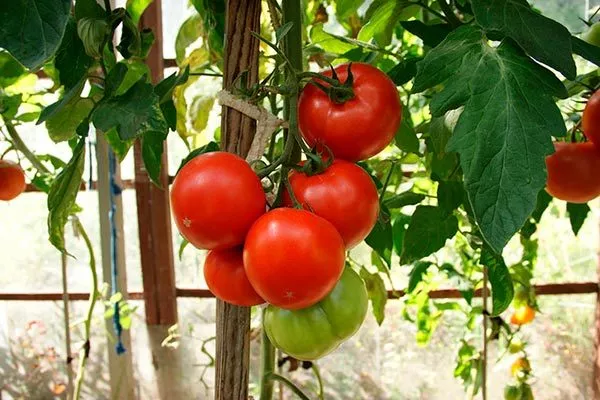
Ideally, the bush is formed from two stems, removing excess shoots. The plant's leaves are large, deep green, elastic, and covered with soft fuzz, which gives them a velvety texture. If the leaves become soft, this may be a sign of a problem, such as overwatering, disease, or excessive heat.
The ovary appears two leaves from the tip. The inflorescence is of an intermediate type, with large, rich yellow flowers, typical of this variety.
Fruits and their taste qualities
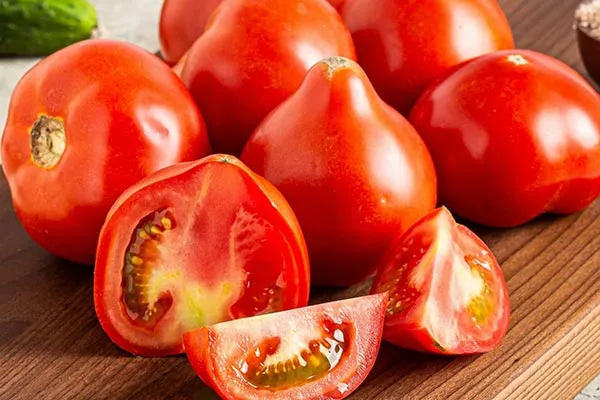
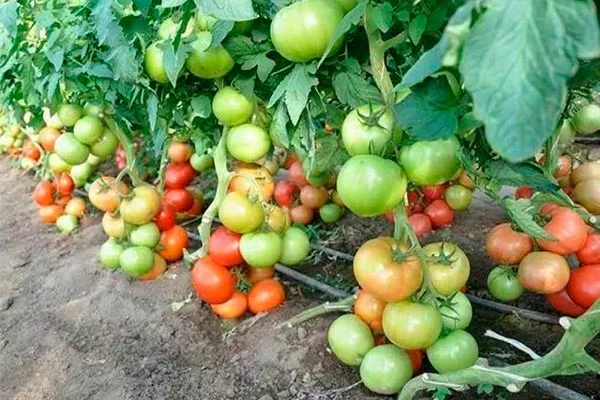
The tomatoes are perfectly round, slightly flattened at the stem. As they ripen, they acquire a rich red hue on both the outside and inside.
Pay attention to other varietal characteristics:
- Large fruits, which at the early stage of ripening weigh on average from 200 to 260 g, later reach a weight of 500 g, and individual specimens can weigh up to 650-700 g, although this is an exception.
- The hardened peel of the fruit prevents them from bursting during ripening, ensuring good transportability and long-term storage.
- The tomatoes have a uniform shape and a magnificent appearance. They grow in bunches of 3-7. Each branch produces up to 5 flower clusters, which is a small number for a continuously blooming plant.
- Unripe vegetables have a clearly defined green color without spots near the stalk, unlike mature ones, which are covered with a bright red tone.
- The skin of the fruit is smooth, and the pulp is juicy and elastic.
- Each tomato contains five chambers containing seeds. There are only a few of them inside.
- The flavor of these tomatoes is commendable. However, it's worth remembering that tomatoes with a fleshy, dense texture don't always have a strong flavor.
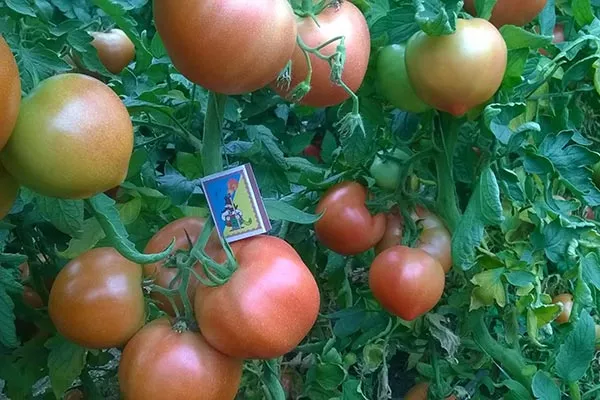
Characteristics of the Mahitos tomato
The hybrid's yield is impressive: a single bush can yield 25-30 vegetables, with the harvest weighing up to 5-10 kg. To increase productivity, it is recommended to plant this variety in a plot previously occupied by onions, cabbage, or legumes.
Ripening time
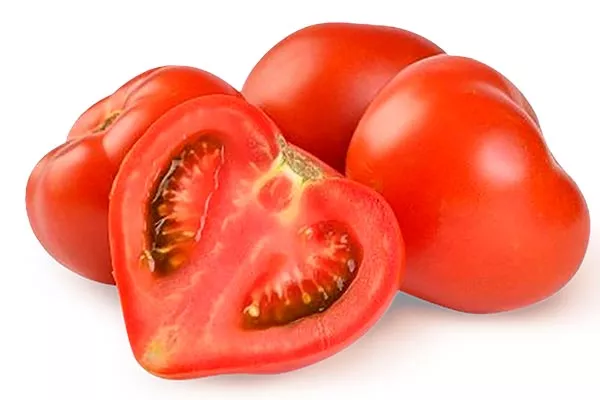
Mahitos tomatoes are early ripening, reaching maturity 105-110 days after the first green shoots appear. With proper care, the first fruits can be picked in as little as 90 days. Mahitos tomatoes are harvested gradually, preferably as they ripen, without setting the fruits aside to ripen.
Application of fruits
Mahitos is a versatile tomato: it can be eaten raw, used in salads, side dishes, and in first and second courses. This variety is not ideal for making fresh juices and cocktails due to its increased fleshiness, but it is excellent for preserving: ketchups, marinades, thick sauces, and winter salads.
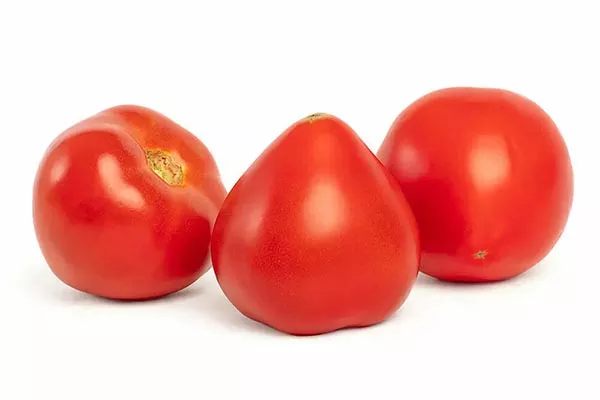
Mojitos are perfect for making a classic Mediterranean snack – sun-dried tomatoes. Drying these fruits requires sunlight or an oven for at least 5-7 hours.
Resistance to diseases and pests
The hybrid has increased resistance to powdery mildew, late blight, and cladosporiosis, although there are occasional exceptions due to improper care: insufficient or excessive fertilizer, overwatering, and insufficient lighting.
Timing of planting seedlings and transplanting into the ground
For early sowing of seedlings, the first month of the year is best – for heated greenhouses, while February is the optimal time for unheated structures. Once the seedlings reach 7-10 true leaves and are 25-35 cm tall, they can be transplanted into the ground.
What factors influence tomato development?
The cultural development of plants is determined by two key elements: the natural habitat and human activity. While nature cannot be controlled, human intervention is no less significant.
Despite the high performance characteristics of the selected variety, several requirements must be considered to ensure successful cultivation. Insufficient or excessive adherence to these conditions can reduce yield. These include:
- timely watering;
- compliance of temperature indicators with optimal values;
- removal of excess leaves;
- maintaining the required air humidity;
- compliance with the fertilizer application regime.
Adjusting the intensity of fruit pulp color
When Mahitos tomatoes reach maturity, they develop a rich red hue both inside and outside. However, problems sometimes arise when the fruit's coloring becomes uneven or insufficiently intense. One of the key factors contributing to this is improper watering.
It could also be due to insufficient fertilizer. But don't immediately saturate the soil with every possible component. Tomatoes require specific minerals:
- Unusually colored fruits may be due to a potassium deficiency. Adding this element to the soil will help restore this natural process, and tomatoes will regain their vibrant red color.
- Manganese plays a role in accelerating color development and its richness. However, without potassium, manganese is ineffective, as it accelerates the process but does not ensure uniform coloration.
Temperature conditions
Mahitos is known for its resilience. This hybrid's bush has a robust structure that allows it to withstand fluctuations in temperature and humidity in greenhouse conditions. Don't worry if the tomato leaves are exposed to direct sunlight—they are as resistant to sunburn as possible.
However, testing tomato crops for various natural disasters is pointless. In a greenhouse, daytime air temperatures should be no less than +12 to 16°C, and soil parameters no less than +8 to 11°C. At night, the air temperature should not drop below +5°C, with +8°C being preferable. Maintaining these temperature ranges is key.
- ✓ Optimum soil temperature for planting seedlings: +8…11°С.
- ✓ Required air humidity in the greenhouse: 60-70%.
- ✓ Distance between plants when planting: 35-55 cm.
- ✓ Row spacing: 90-100 cm.
Growing seedlings
This variety adapts to any climatic conditions, is resistant to sudden temperature fluctuations, provides high productivity, and is capable of bearing fruit even under unfavorable conditions.
Preparing the soil and sowing seeds
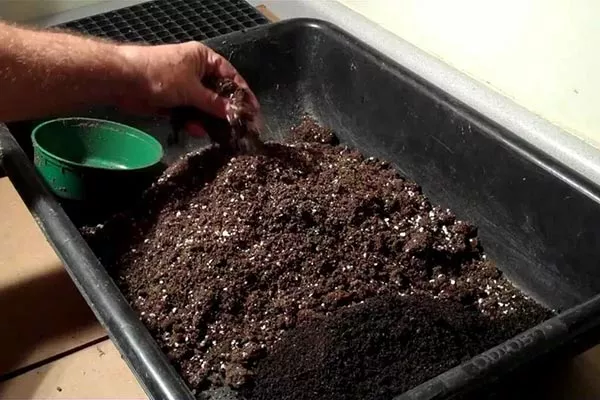
Seed sowing typically begins 55 days before transplanting to their permanent location. The seeds are pre-treated with a growth-stimulating solution. For growing Mahitos tomatoes, you can purchase soil from a store or make your own. This is preferable, as it reduces stress on the plant and speeds its adaptation later.
| Method | Temperature/Concentration | Processing time |
|---|---|---|
| Spraying with potassium permanganate solution | Weak solution | Until completely moistened |
| Holding in an oven | 70-90°C | 30 minutes |
| Freezer storage | Below -15°C | Short-term |
Peculiarities:
- The prepared substrate should have a neutral acidity (pH 6.5-7), which is achieved by mixing soil from the future growing site, river sand, peat and organic fertilizers.
- All components are mixed in equal proportions, and then ash is added to them (approximately 1/10 part).
- The substrate is then disinfected, which can be done using various methods: intensive spraying with a solution of potassium permanganate, keeping it in an oven for 30 minutes at a temperature of 70-90 °C, or short-term storage in a freezer or at conditions below -15 °C.
- At the final stage, the seeds are soaked and placed in the soil mixture to a depth of 1-1.3 cm with an interval of 2.5-3 cm.
- After this, it is important to spray with water from a spray bottle, adding a disinfectant to it, for example, a weak solution of potassium permanganate.
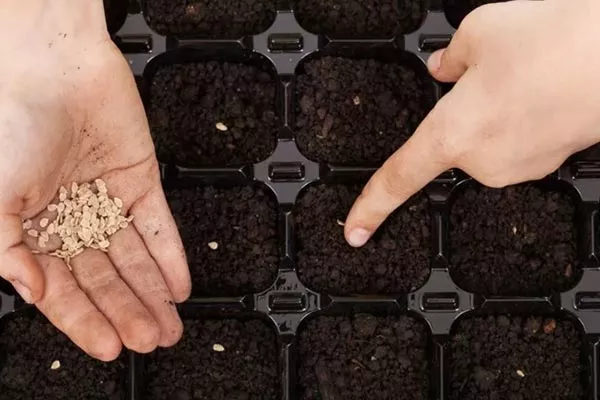
After planting, the container with seeds is covered with film or glass and placed in a warm place under artificial light.
Caring for seedlings
When green shoots begin to emerge, the glass is removed, allowing the young plants to develop in the open air. After two leaves have formed, the seedlings are transplanted into individual pots.
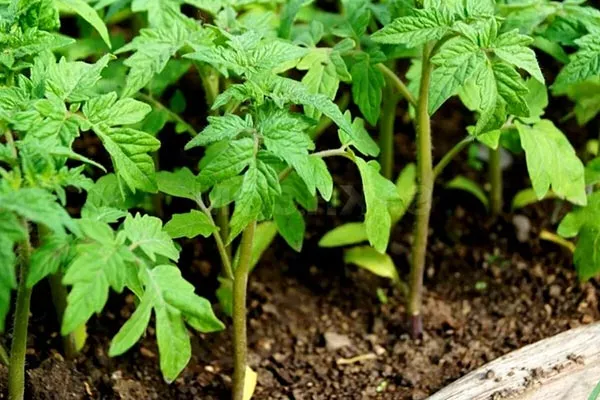
Over time, to ensure maximum productivity and stem strength, leave two shoots on each bush and prune the rest. Water the bushes regularly and ventilate the area.
Agricultural technology of tomatoes
Once the bushes have grown and become established, begin moving them to their permanent location. After that, follow the standard care regimen.
Transfer
Soil preparation begins early. In the fall, cultivate the area, adding 9-12 kg of humus and 150-200 g of wood ash per square meter. In the spring, dig the soil again and disinfect it with copper sulfate.
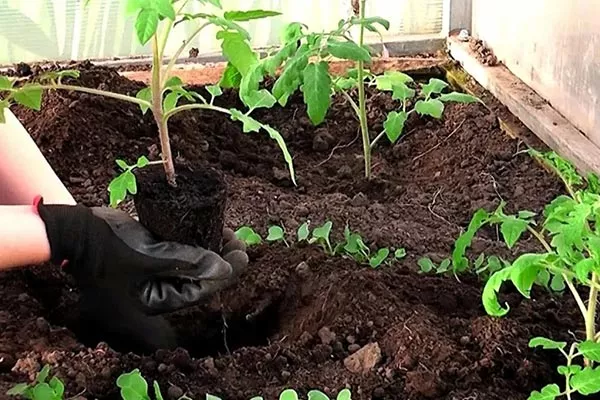
Rules:
- For each crop, dig holes 15-20 cm deep and fill them with a boiled solution of potassium permanganate.
- The plant requires sufficient space to grow, as it is tall and bears fruit abundantly, so the seedlings are planted in rows, the interval between which should be 90-100 cm, and between the plants themselves - 35-55 cm.
- Before replanting, moisten the soil mixture generously.
- Once the water has been absorbed, you can carefully remove the plant and transfer it to the hole.
Watering and fertilizing
To ensure your tomato plant feels comfortable, consider a few things:
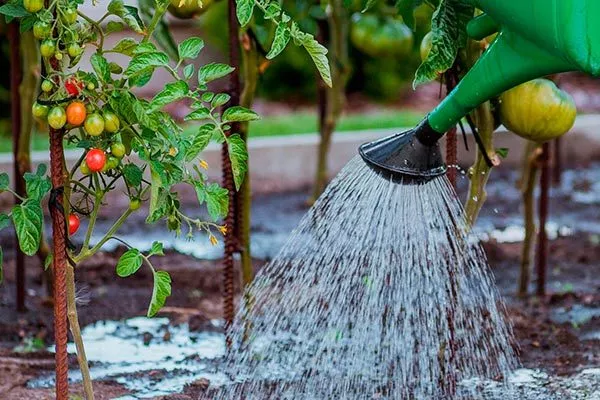
- For young Mahitos seedlings, it's important to water them sparingly. Drip irrigation is the most suitable option.
- During a sudden cold snap, it's important to reduce the intensity of tomato watering or even stop it altogether, taking into account specific conditions. If there's no way to heat the greenhouse, tomatoes won't be able to absorb water in the cold.
- Vegetable growers advise using mineral fertilizers for tomatoes only in minimal quantities and not to begin applying them earlier than after three clusters have formed.
Pinching out stepsons
Each new plant shoot requires nutrition, so an excess of such stems can negatively impact the overall yield. Side shoots are young shoots that emerge from the leaf axils. The Mahitos tomato variety produces a significant number of these additional shoots. To increase the yield, it is necessary to remove the side shoots (pinching).
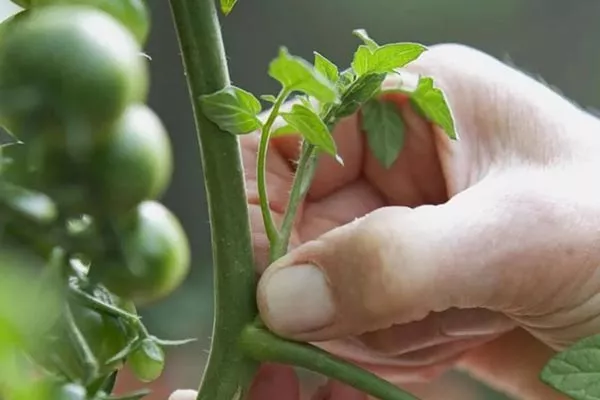
Side shoots should be removed every 10 days. The side shoot should be pinched off with your fingers, leaving no more than 1 cm from where it formed. The shoot should not exceed 10 cm in size at this point.
The nuances of formation
To optimize yield, it's important to manage tall bushes properly. For Mahitos, it's recommended to leave just one or two stems; other shoots should be removed as soon as they appear.
Tying, mulching and other works
To maintain healthy fruiting buds, tie up the bushes to prevent damage. In a greenhouse, a horizontal brace is installed to facilitate this. Individual supports, such as metal rods and stakes, are also available.
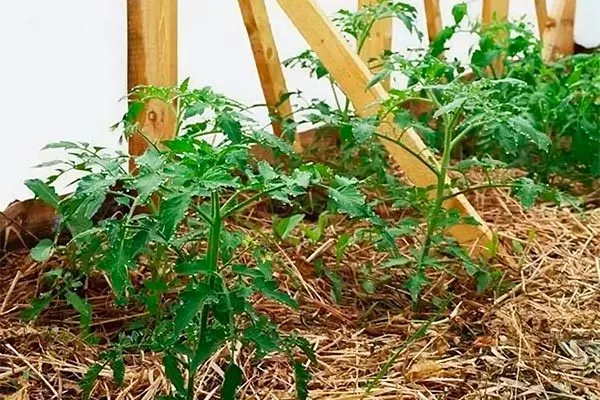
To reduce the amount of loosening and cleaning work, it is recommended to use mulch around the roots. This will help retain soil moisture. Weed control under bushes and between rows is also essential.
What to do with the leaves?
Excess foliage can rob the plant of nutrients, leading to smaller fruit, delayed ripening, and reduced pulp sweetness. Excess leaves should be trimmed, starting from the very bottom of the plant. It's important to maintain a balance: the hotter the temperature, the fewer leaves the plant should have.
It's important to remember that dense foliage is a characteristic feature of this variety, so completely stripping the bush of its foliage is not recommended. The plant may react to this by deteriorating its condition. The optimal approach is to partially thin out the lower leaves and remove any leaves that interfere with fruit ripening, but completely removing the leaves is unacceptable.
Features of growing in a greenhouse and vegetable garden
Originally intended for growing in protected conditions, mahitos actually adapts well to open ground. In southern regions, this hybrid is successfully cultivated in open gardens. Some farmers allow the plant bushes to grow unchecked, slinging them over fences, resembling the growth of a vine.
Although the yield and taste of these tomatoes are somewhat inferior to those grown in greenhouses, they still remain quite attractive.
Difficulties of cultivation
Machitos has a genetic predisposition to rapid stem development and increased leaf mass. However, overfeeding or excess moisture can lead to so-called "fattening," when the bushes accumulate excess growth energy, slowing the formation of flower stalks.
To avoid this problem, you should take care:
- Planted seedlings should be watered moderately, no more than once a week until 3 clusters appear, after which the volume of water can be increased.
- During cold periods, you should stop watering or reduce its intensity.
- Apply mineral fertilizers only after 3-4 clusters appear on the plant.
Sometimes, garden tomatoes may lack the rich color of their skin and flesh. This may be due to a soil water imbalance or a deficiency of potassium and manganese. It is recommended to apply these minerals together, as manganese promotes tomato color, but its effect will be incomplete without potassium.
The Mahitos hybrid stands out for its ability to adapt to climate fluctuations in the greenhouse, including temperature fluctuations from hot to cold. However, to achieve maximum yield, the temperature must be at least 26°C.
Diseases and pests
Tobacco mosaic virus, fusarium wilt, cladosporiosis, and verticillium wilt pose no threat to this tomato hybrid. However, it is susceptible to late blight and pest infestations. To prevent plant infections, the following preventative measures are recommended:
- greenhouse treatment using sulfur checkers;
- soil disinfection using copper sulfate;
- covering the soil with mulch made of sawdust, hay or agrofibre;
- removal of lower leaves;
- maintaining optimal temperature;
- moderate watering.
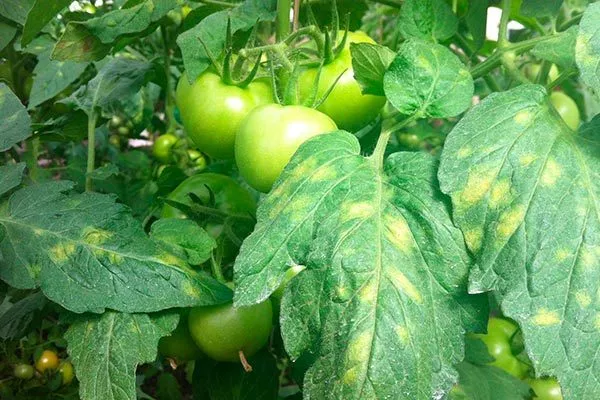
As for the fight against late blight, the following products are considered the most effective: Fitosporin, Ecosil, Baksis, Baikal, Alirin-B, Quadris, Gamair, Antracol.
To combat aphids, whiteflies, and spider mites, you can use the following products: Fitoverm, Neoron, Actellik, Flumait, Epin, Zircon, Aktara, and Borneo.
Harvesting and use of the crop
In cold climates, tomatoes are picked from the vines at the milky stage of ripeness, which increases yield. This early harvest also extends shelf life and facilitates transportation. Once the tomatoes are completely pink, they retain their attractiveness and flavor for two weeks.
Pros and cons
Tomato Mahitos, like other vegetable crops, has its own characteristics and advantages.
Reviews
Mahitos f1 stands out for its resistance to adverse weather conditions, good disease immunity, excellent fruit flavor, long shelf life, and transportability. Although Mahitos was developed for greenhouse cultivation, it adapts well to open ground in the south of our country.