
The Madrid tomato attracts gardeners with its excellent taste and high yield. Its fleshy, juicy fruits with a rich, vibrant flavor are ideal for salads, sauces, and preserves. This variety is resistant to diseases and pests. Thanks to its early ripening, it can be eaten as early as mid-summer.
Description of the plant and fruits
Madrid is a hybrid tomato variety developed by French breeders for greenhouse cultivation. Its shoots are covered with strong leaves, which increase its resistance to adverse conditions. They are dark green in color.
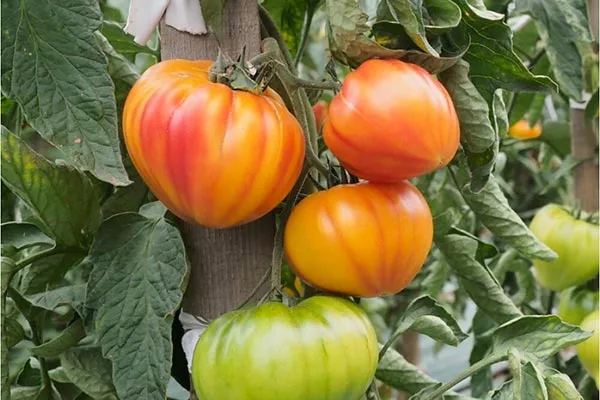
Features of tomatoes:
- They have a lemon-yellow color with a transition to bicolor - a yellow shade with red blotches.
- The average weight varies from 350 to 400 g, but some specimens can reach 700 g.
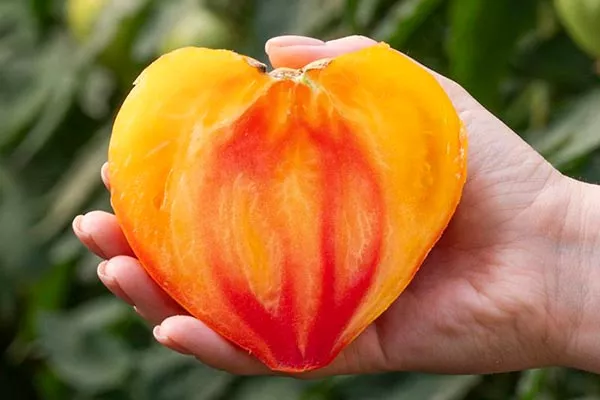
- They are heart-shaped and characterized by multi-chambered cells.
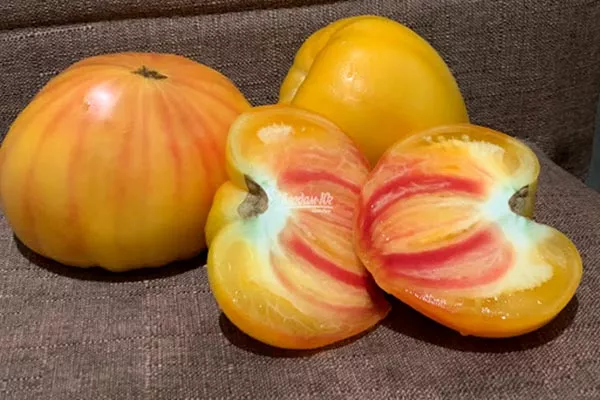
- The pulp is dense, fleshy and tender, with a minimum number of seeds.
The vegetables have a rich and pleasant flavor, making them ideal for fresh consumption and for use in various culinary recipes.
The health benefits of Madrid tomatoes
The fruits are rich in vitamin C, which has powerful antioxidant properties. It helps strengthen the immune system, protects the body from the harmful effects of free radicals, and prevents oxidative stress.
Other valuable qualities:
- They contain lycopene, a natural pigment that gives tomatoes their red color. It reduces the risk of cardiovascular disease and certain types of cancer.
- Including tomatoes in your diet helps diversify your diet and promotes health.
Regular consumption of Madrid tomatoes is not only a healthy but also a delicious habit that will make your diet more nutritious. They are an excellent choice for a diet.
Popularity and uses of tomatoes
Madrid has gained popularity both in Spain and abroad due to its excellent flavor and high productivity. This variety is widely used in salads, sauces, and a variety of other dishes.
Unique properties:
- Juicy and aromatic vegetables add rich flavor and an attractive appearance to dishes, making them popular in the restaurant and culinary industries.
- Due to its good varietal characteristics, it is actively grown and supplied to markets in various countries.
This is a universal variety used for canning, pickling and salting.
Characteristics of the variety
Madrid tomatoes are characterized by a short ripening period—just 65-70 days. The first harvest occurs as early as July or August, ensuring a supply of fresh tomatoes until the end of summer.
Before planting, it is important to study the characteristics of the crop:
- The yield is high – gardeners harvest up to 8-10 kg per square meter when following proper agricultural practices. The bushes bear fruit well in a variety of conditions.
- This variety demonstrates good resistance to major diseases, including late blight. It is rarely attacked by pests (aphids and Colorado potato beetles). However, to prevent disease, regularly treat the plants with special preparations and practice crop rotation.
- The plants tolerate adverse weather conditions well, making Madrid suitable for cultivation in various regions, including in greenhouses and open ground.
- ✓ Resistance to late blight is above average compared to other varieties.
- ✓ Ability to bear fruit in conditions of elevated temperatures without loss of fruit quality.
The bushes thrive in temperate climates, but also perform well in warmer and even hotter regions, provided they are properly cared for and protected from excessive moisture.
Planting and care features
To grow Madrid tomatoes, choose a sunny, wind-protected location. The soil should be well-drained and neutral to slightly acidic. Before planting, dig the soil and fertilize it with compost or humus. Additionally, add a complex mineral fertilizer.
- ✓ Check the soil pH before planting; the optimal level for Madrid tomatoes is 6.0-6.8.
- ✓ Make sure the area has good drainage to avoid standing water.
Helpful tips:
- Sow seedlings approximately 60-70 days before planting. Use plastic or peat containers.
- Place the seeds about 1 cm deep in moist soil, cover with plastic wrap, and place the containers in a warm location with a temperature of about 25°C. When the first shoots appear, reduce the temperature to 18-20°C and place the seedlings on a bright windowsill.
- When the seedlings have 6-7 true leaves, transplant them into open ground or a greenhouse. Choose a site where tomatoes haven't been grown for at least 2-3 years. The recommended planting pattern is 40x60 cm. Plant no more than 4-5 plants per square meter.
Provide the crop with comprehensive care. Follow simple agricultural practices:
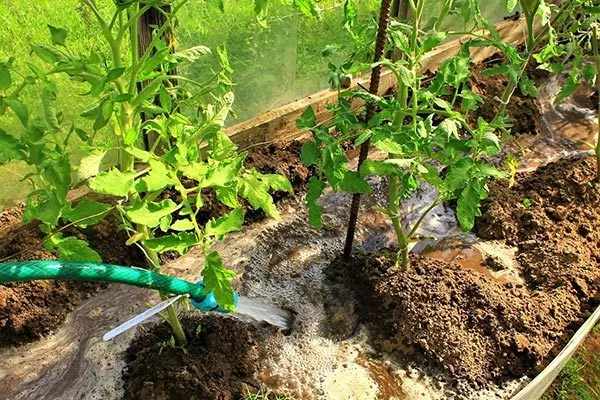
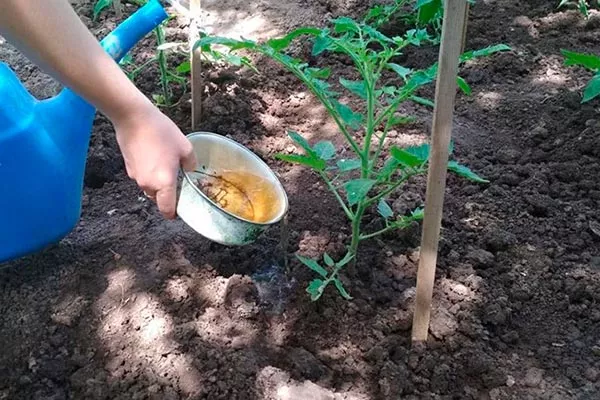
- Watering. Madrid tomatoes require regular but moderate amounts of moisture, especially during active growth and fruiting. Apply water at the roots, avoiding the leaves and stems to prevent fungal diseases. The water should be warm and settled.

- Top dressing. To ensure good growth and a high yield, fertilize the bushes. Two weeks after transplanting, apply organic fertilizers or complex mineral mixtures. Subsequently, repeat fertilizing every 2-3 weeks, alternating organic and mineral fertilizers.
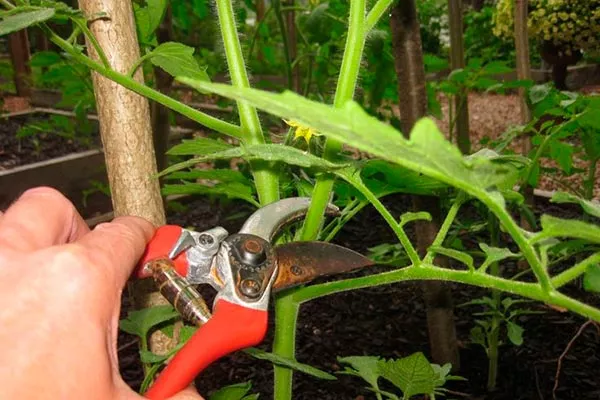
- Pinching out stepsons and pruning. Pinch off side shoots to direct all the plant's energy toward developing the main stems and fruit. Remove side shoots as they appear, which improves air circulation and reduces the risk of disease. Trim off lower leaves that may be touching the soil.
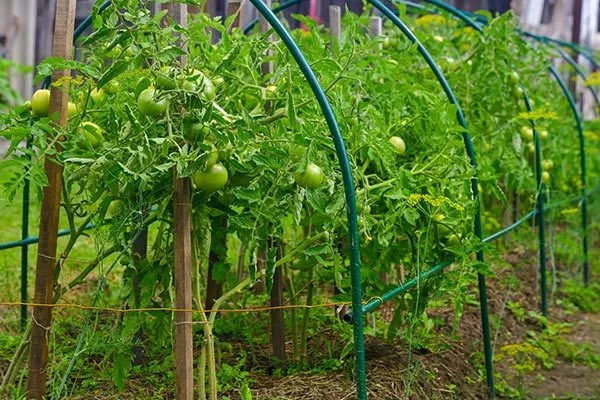
- Garter. To prevent damage and bending of stems, secure bushes to trellises or stakes. This will help keep the plants upright and provide additional stability.
- Protection from diseases and pests. Regularly spray the plants with biological products or fungicides. Maintain a proper watering schedule and avoid overwatering. To protect against pests, use insecticides or folk remedies, such as garlic infusion.

The benefits of using Madrid tomatoes in cooking
This crop boasts numerous advantages, making it a popular choice among many gardeners in our country. Its positive qualities include:
- Bright taste and aroma. Tomatoes have a rich, vibrant flavor that adds a harmonious piquancy and pleasant aroma to dishes. This significantly enhances the flavor of dishes, even with minimal spices.
- Juiciness and density of the pulp. The tomatoes have juicy and dense flesh, making them ideal for sauces, soups, and gravies. This allows them to retain their shape and maintain their nutritional value during cooking.
These tomatoes are an essential ingredient in any recipe that requires juiciness, piquancy and aroma.
Reviews
Madrid is an excellent choice for those who appreciate high-quality tomatoes with rich flavor and aroma. Its rapid growth, good productivity, and resistance to adverse environmental conditions make it popular and sought after by both novice and experienced gardeners. Proper care is the key to abundant harvests.