
Madonna F1 is the name of a tomato hybrid characterized by ultra-early ripening and highly productive plants, as well as their low maintenance and robustness. It is grown in open beds and greenhouses. It is considered one of the best commercial varieties due to its ability to withstand long-distance transport and its shelf life.
Growing regions, origin
The vegetable variety was developed by a group of domestic breeders, including scientists V. V. Ognev, S. V. Maksimov, N. N. Klimenko, and A. N. Kostenko. It was approved for use in the Russian Federation in 2008.
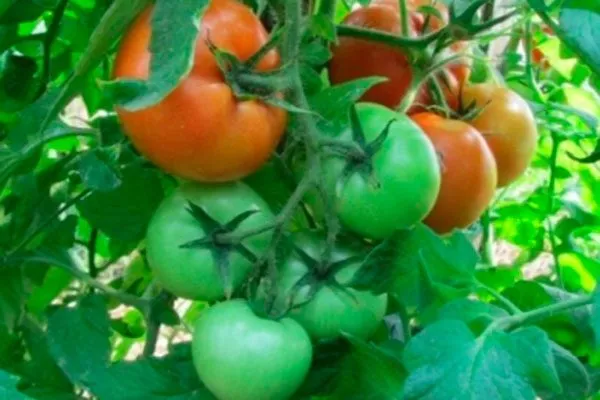
The State Register has approved Madonna for cultivation in open and protected ground conditions in the following regions and districts of the country:
- Northern;
- North-West;
- Central;
- Volga-Vyatka;
- Central Black Earth Region;
- North Caucasian;
- Middle Volga;
- Lower Volga;
- Ural;
- West Siberian;
- East Siberian;
- Far Eastern.
Description of the bush and fruits
This tomato hybrid is a determinate vegetable crop. It is represented by standard plants that are characterized by robustness, compactness, and low growth. Their appearance is described by the following characteristics:
- bushy structure;
- height - 0.4-0.5 m;
- strong thick stems;
- dense foliage;
- Foliage: small in size, green, potato-type;
- fruit clusters consisting of 3-4 tomatoes.
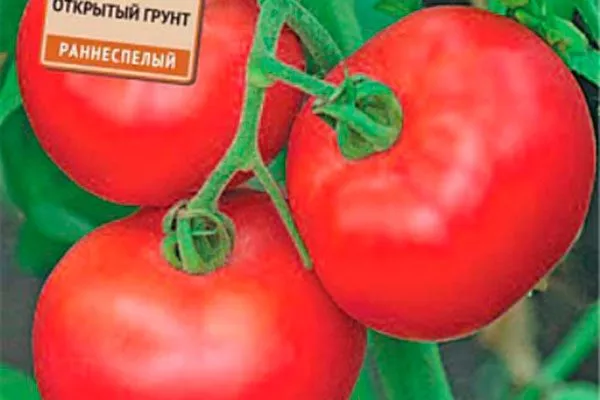
Madonna tomatoes are a delight to the eye with their attractive appearance and excellent consumer qualities.
They have the following characteristics:
- regular round shape;
- small size;
- weight - 90-140 g (with enhanced agricultural technology, larger fruits can be grown, the weight of which will reach 200 g);
- smooth red skin with a glossy finish, strong and not prone to cracking;
- medium-dense flesh, uniformly red in color, fleshy, quite juicy and aromatic, with 3-4 seed chambers.
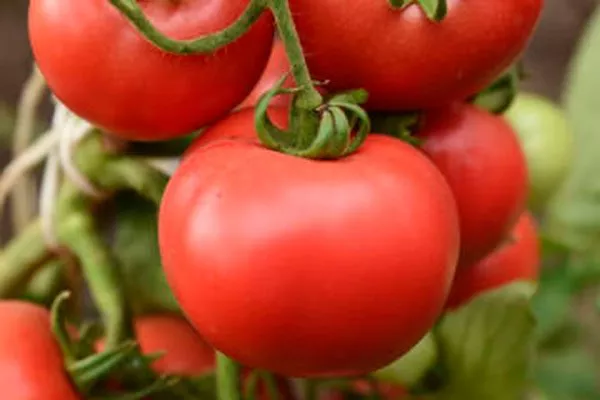
The fruits of this hybrid tomato have excellent tasting qualities. Their flesh is sweet with a slight tartness. Its flavor is rich, vibrant, and pleasant. The aroma is classic tomato.
Standard tomatoes are not only beautiful and delicious, but also have a long shelf life. They withstand long-distance transport without losing their marketable appearance. During transportation, these tomatoes don't bruise or leak, remaining firm and intact. They are ideal for sale at the market or supermarket.
Characteristics of tomato varieties
Madonna F1 is winning the hearts of Russian gardeners thanks to its early maturity and excellent yield. It's easy to care for and is characterized by its cold and stress tolerance. It boasts a strong immune system, particularly resistance to Fusarium wilt.
Ripening period, yield
This hybrid belongs to the category of early-ripening and highly productive tomato varieties. Its key technical characteristics are as follows:
- fruit ripening period is 85-90 days after germination;
- harvest time is July-August;
- friendly fruiting;
- The yield indicator is up to 15 kg per 1 sq. m of tomato bed (when growing the hybrid in film greenhouses).
Purpose and application
Tasty, fleshy, and aromatic, Madonna tomatoes are great for fresh eating (sliced, in summer salads). They have a wide range of culinary uses:
- housewives make juice, puree, and tomato paste from them;
- used in the preparation of various sauces, ketchup, borscht dressing;
- added to first and second courses, pizza, casseroles, quiches;
- they decorate sandwiches and canapes with them;
- they are canned;
- subjected to salting, freezing, drying and curing.
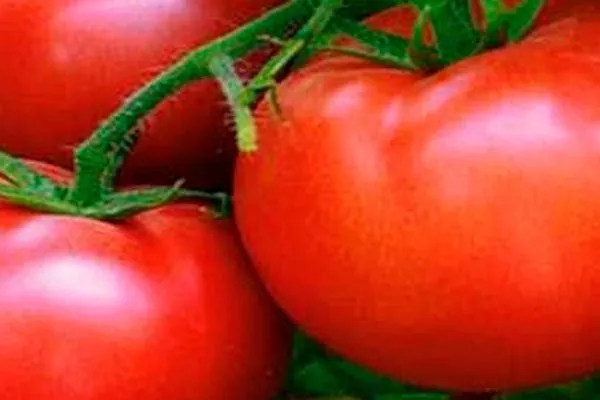
Thanks to their rich flavor, the fruits add a vibrant touch to any dish. The Madonna's flesh doesn't disintegrate during cooking. The tomatoes tend to retain their shape when sliced, producing even, neat slices. They pair well with olive oil, spicy herbs, and soft cheese.
This hybrid tomato harvest is especially good for winter preserves. The small, firm fruits don't burst and remain attractive when salted or pickled. They are suitable for whole-fruit canning and look beautiful in jars.
Growing rules
Gardeners grow the Madonna F1 tomato using seedlings. They typically sow the seeds to produce seedlings in March. They then transplant them to an open garden bed or greenhouse in the first half of May.
Sowing for seedlings
Properly prepare planting containers and soil for growing hybrid tomato seedlings. Suitable containers include:
- spacious plastic or wooden boxes (their sides are 10 cm high);
- cardboard or plastic cups with a capacity of 400 ml;
- peat pots.
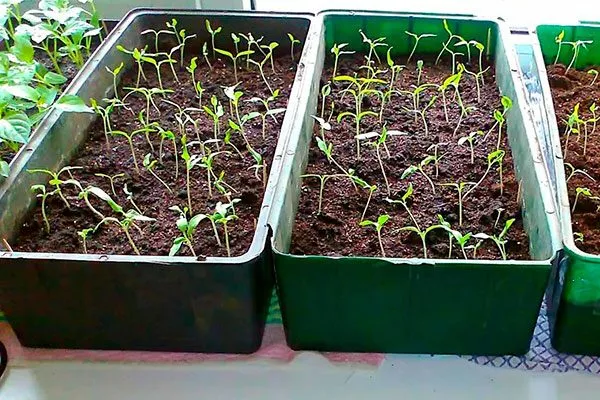
To grow and thrive, Madonna tomato seedlings require light, loose, and nutritious soil with a pH of 6 to 6.5. Use a general-purpose, store-bought soil. You can also sow the seeds in a homemade potting mix. To make it, combine the following ingredients:
- garden soil - 30%;
- sand - 20%;
- peat - 20%;
- humus - 30%.
Disinfect the substrate you make yourself. Sterilize it with a potassium permanganate solution or bake it in the oven. Store-bought soil doesn't need these treatments. It's already been treated by the manufacturer. It's free of pathogens, harmful insects, their larvae, or eggs.
Sow high-yielding tomato seeds for seedlings in March. Follow these step-by-step instructions carefully for planting:
- Fill the prepared container with nutrient substrate and level the surface.
- Moisten the soil in the box with lukewarm water from a watering can.
- Spread the seeds on the soil surface. Use a spoon for ease of spreading. Make furrows in the soil, 1 cm deep. Maintain a consistent seeding spacing. Ideally, 2-3 cm apart.
- Cover the tomato seeds with soil. No need to compact it.
- Cover the seeds with transparent film. Leave them in a warm place with a temperature of 22-25°C. Make sure they are not exposed to direct sunlight.
Growing seedlings from seeds
After the seedlings emerge from the box, remove the covering material under which the hybrid tomato plant was kept. Move it to a sunny windowsill in a room with a temperature of 18-20°C. Care for the Madonna seedlings using the following care:
- WateringWater the soil in the seedling tray moderately with lukewarm, settled water. Do this at least once a week.
- LooseningGently loosen the soil around the stems. This technique improves oxygen access to the roots.
- Top dressingApply liquid fertilizer after watering. Use mineral complexes designed specifically for nightshade crops.
- Supplementary lightingKeep seedlings under phytolamps to ensure 12-16 hours of daylight. Insufficient light increases the risk of seedlings becoming elongated. Under these conditions, they grow stunted and unviable.
- PickingOnce the seedlings develop their first pair of true leaves, transplant them from the main container into individual cups or pots. Add a growth-boosting fertilizer to the soil.
To help the seedlings acclimate to their permanent location, harden them off 10 days before transplanting them to the garden. Leave them on the balcony daily, gradually increasing the time spent outdoors. Let the plants spend the last night outside under plastic wrap.
Tomato transplant
In May, transplant the Madonna seedlings to the garden bed. To ensure the tomato plants thrive, create favorable conditions in your garden. Select a plot of land for planting the hybrid that meets the following requirements:
- solar;
- with good protection from gusty winds and drafts;
- not flooded by groundwater;
- with light loamy or sandy loam soil, light and loose, well-drained, with an acidity index of 6.2 to 6.8, rich in humus and minerals (it should contain a lot of phosphorus, potassium, calcium, magnesium);
- last year it served as a bed for the following crops: carrots, cabbage, beans, onions, cucumbers.
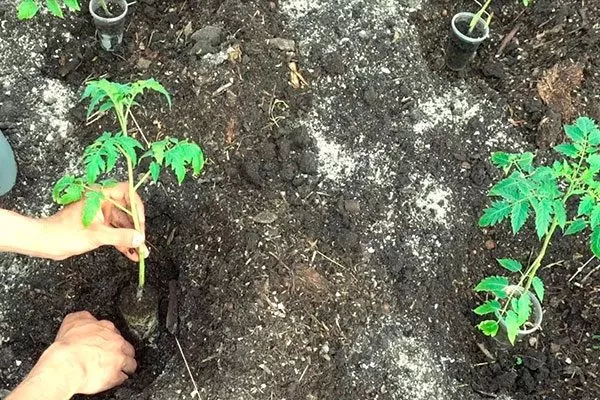
If the soil in your garden is dense and heavy (clay), loosen it. Add sand, peat, and ash during fall tilling. Neutralize acidic soil by adding lime, chalk, and dolomite flour.
Prepare the plot for growing the Madonna tomato hybrid well in advance. At least a few weeks before transplanting the seedlings to the garden, take the following steps:
- digging the soil (processing depth - up to 60 cm);
- weeding and clearing of plant debris;
- increasing soil fertility (enrich it with cow manure and mineral complexes);
- solarization (cover the treated soil with thick black polyethylene to warm it up to +18-21°C and prevent the appearance of weeds).
Transplant tomato seedlings into the garden bed. Place the plants in the holes along with the root ball. Maintain a 70 x 30 cm pattern. This will ensure each tomato plant has enough space for root and plant growth.
Care during growth
Provide high-quality care for Madonna plants transplanted into the garden. To maintain their health and ensure high productivity, follow these steps:
- WateringWater hybrid tomato plants moderately, 1-2 times every 7 days. During dry and hot periods, water more often—at least 3 times a week. Use sun-warmed, settled water. Pour it at the roots to prevent drips from falling on the green foliage.
Observe water consumption standards: 1 liter of liquid will be enough to irrigate a young plant, and 3 liters for an adult tomato with fruit ovary. - Loosening and weedingPerform these manipulations after each soil moistening in the bed. Work the soil shallowly. Try not to damage the tomato roots.
At the same time, remove weeds from under your vegetable crops. Don't allow them to grow too large. Harmful weeds harbor dangerous pests and diseases. - Top dressingFertilize your hybrid tomato plantings throughout the season until the final harvest. Apply nutrients every two weeks.
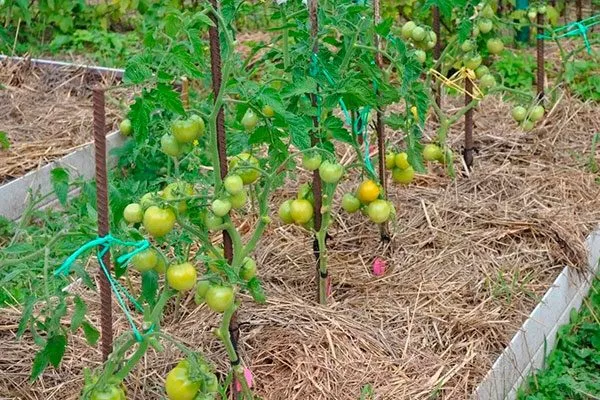
At the beginning of the growing season, apply nitrogen-rich organic matter (such as a solution of mullein or bird droppings). Once Madonna flowers appear, begin adding mineral fertilizers rich in potassium, phosphorus, and other beneficial nutrients (superphosphate, potassium sulfate, etc.). - Formation and tying to supportsTrain determinate Madonna bushes growing in an open bed with a single main shoot. Greenhouse tomatoes should be trained with three shoots (a main shoot and two lower shoots).
Be sure to tie the plants to stakes. This will significantly simplify the care of the tomato plantings, facilitate harvesting, and prevent the stems from breaking under the weight of numerous ripening fruits.
Pest and disease control, prevention
This tomato hybrid delights gardeners with its strong immunity. Its bushes are resistant to nematode infestation. They exhibit particular resistance to the following dangerous nightshade diseases:
- verticillium wilt;
- Fusarium wilt;
- Cladosporiosis.
With poor care and unfavorable growing conditions, in particular with high air and soil humidity, there is a risk of developing fungal diseases: black leg (for seedling bushes), late blight (for adult plants).
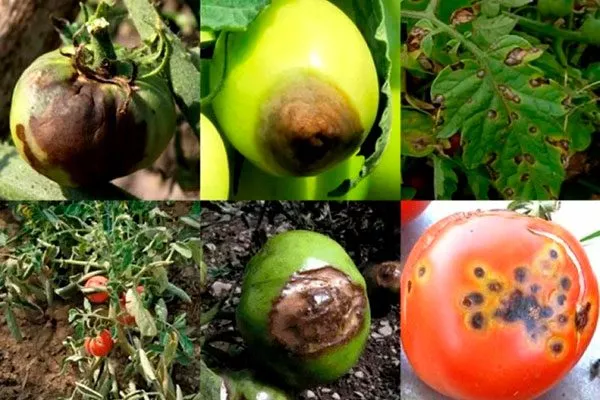
Preventative measures can help gardeners avoid the dangerous late blight disease of hybrid tomatoes. Follow these steps to prevent fungal infections in your tomato plants:
- Observe the rules of agricultural technology for vegetable crops;
- 7 days before transferring the seedlings to a permanent location, treat them with Ecogel for better adaptation and increased resistance to infections;
- hill up the bushes;
- Spray the plants with such products as HOM, Bordeaux mixture, copper sulfate, Fitosporin-M, Quadris, Trichodermin.
Pay special attention to preventative antifungal treatments for Madonna plants. Apply these treatments at the following times:
- 1 week before transplanting seedlings to a permanent location or 7 days after it;
- after the formation of fruit ovaries (spray once every 15 days if the summer months are damp and cold).
Gliocladin also helps gardeners reduce the risk of fungal and rot damage to hybrid tomato plants. It's applied on the day of planting seedlings: one tablet is placed in each hole. Another effective measure is spraying the tomato bed with an iodine solution. This can be done every two weeks until fruit sets.
If you were unable to avoid late blight on your Madonna planting and the plants show signs of it, such as brown spots and white coating, immediately treat the soil beneath the bushes with an aqueous solution of copper sulfate. Fitosporin-M, a biofungicide, can also be used to solve the problem.
When growing hybrids, there's a risk of pest infestations (aphids, whiteflies, spider mites, slugs, etc.). To protect the crop from pests, use infusions of plants with insecticidal properties (wormwood, tansy) and soapy water. If there are numerous insects, insecticides will help:
- Aktara;
- Actellic;
- Thunder;
- Confidor;
- Fosbecid;
- Fitoverm.
Harvesting and storage
Gardeners harvest Madonna tomatoes in July and August. Thanks to this early ripening period, the hybrid is popular with farmers and gardeners hoping to harvest their first tomatoes as early as midsummer.
Harvest hybrid tomatoes as they reach ripeness. Do this manually or mechanically. If you plan to transport the harvest over long distances or store it for a long period, pick slightly unripe tomatoes from the vines.
If you're growing a tomato variety outdoors, harvest it in the morning when the weather is dry and warm. Pick greenhouse tomatoes from the vines at any time of day. To ensure good shelf life for tomatoes harvested from the garden, follow these guidelines:
- use scissors to carefully cut off the fruit along with the stem;
- try to avoid damaging the skin;
- Store overripe and cracked tomatoes separately from the rest of the harvest (they will have to be eaten or processed as quickly as possible).
Pros and cons
Domestic gardeners and farmers growing vegetables for sale appreciate the hybrid tomato for its numerous advantages. Its list of benefits includes:
Despite its many positive qualities, the Madonna vegetable variety also has several significant disadvantages:
Reviews
Madonna is a domestically bred achievement, beloved by gardeners and farmers. The hybrid has gained popularity across the country due to its ultra-early ripening, excellent marketability, and high-yielding bushes with strong immunity and stress resistance.