
Madam is a striking example of a tomato hybrid, developed by Dutch breeders. Vegetable growers cultivate it in open-air beds and under plastic covers. It boasts disease resistance, remarkable plant fertility, early maturity, excellent flavor, and a marketable harvest.
Description of the bush and fruits
This tomato hybrid exhibits determinate traits. The plants are typically short and compact, so they don't take up much space in the garden. They are characterized by the following characteristics:
- "height" - 0.7-0.8 m;
- internodes that have a shortened appearance;
- foliage decoration: green, typical for tomatoes;
- 10 simple brushes with 5-6 tomatoes.
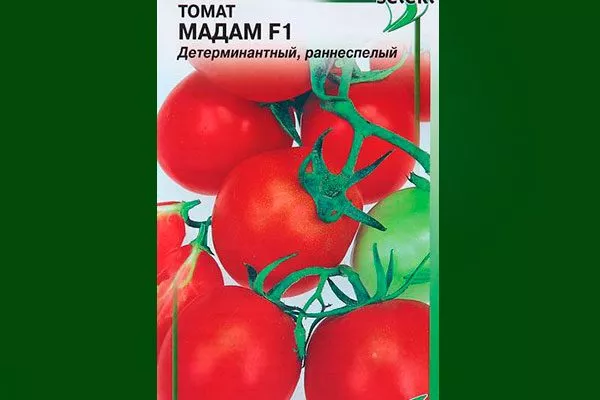
Tomatoes originating from Holland delight the gardener's eye with their attractiveness and uniformity. They boast a marketable appearance that includes a list of characteristics:
- small size;
- weight - 75-125 g (intensive application of fertilizers and a reduction in the number of brushes on the bush contributes to the production of larger tomatoes, the weight of which ranges from 180 g to 220 g);
- neat spherical shape;
- rich red skin color, strong, not prone to cracking;
- pulp: quite dense, juicy, uniformly colored scarlet, with a delicate consistency, rich in sugars, dry matter and lycopene.
The hybrid variety of tomatoes has excellent tasting qualities. Their interior is fragrant and sweet, with plenty of juice. The flavor has a slight tartness.
The harvest is versatile. The fruits are good for fresh consumption. They are perfect for adding to salads, first and second courses, and for processing into juice and tomato paste. Due to their small size, they are suitable for whole-fruit canning. They have excellent shelf life and transportability.
Main characteristics
This Dutch hybrid represents a category of early-ripening vegetable crops. Tomatoes require 90-100 days to fully ripen (count from germination). Fruiting is uniform and simultaneous. Yields are high:
- 1 plant produces up to 5 kg of tomatoes;
- Gardeners collect 17-19 kg from 1 square meter of planting growing in the open air;
- Madam bushes yield up to 24 kg/sq.m in a film greenhouse.
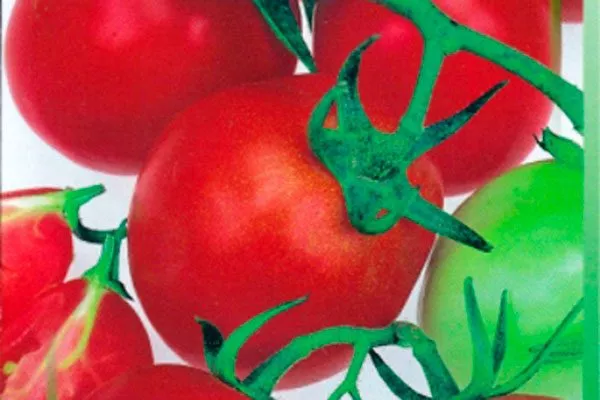
The tomato has gained popularity among gardeners thanks to its excellent characteristics, including its ability to tolerate temperature fluctuations and resistance to diseases (tomato mosaic, brown spot, and late blight). It adapts to a variety of climates and grows throughout Russia.
Growing seedlings
Grow hybrid tomatoes in the garden, either directly or in protected soil, using seedlings. Follow the seed manufacturer's recommended sowing dates, growing the seedlings, and transplanting them to their permanent location to ensure abundant harvests.
Soil and conditions
Madam has no special soil requirements. It produces its best results when grown in soils that meet the following criteria:
- lungs;
- loose;
- fertile;
- well-ventilated and moisture-retaining;
- with a pH value ranging from 6 to 6.5.
The crop grows and bears fruit particularly well in light loam or sandy loam soil. A mixture of garden soil (30%), sand (20%), peat (20%), and humus (30%) is considered optimal for it, particularly for tomato seedlings.
For hybrid tomato plants to be healthy and fruitful, they require not only suitable soil conditions but also a favorable environment. This is especially true for plants planted in open beds. Find a spot in your garden that has the following characteristics:
- solar;
- windless;
- having protection from drafts;
- located on an elevated area with a flat surface (in lowlands, tomatoes grow poorly and become ill due to increased humidity caused by shallow groundwater);
- well drained.
Dutch hybrid bushes require a comfortable environment and plastic cover. To ensure a bountiful harvest, replace the topsoil in the greenhouse with fresh, fertile soil with the right texture. Create the following conditions inside the greenhouse:
- temperature - +17-19°C during the day, +12-14°C at night;
- soil humidity is 70-75% (during the fruiting period of plants - 80%), air - 60-70%.
Sowing for seedlings
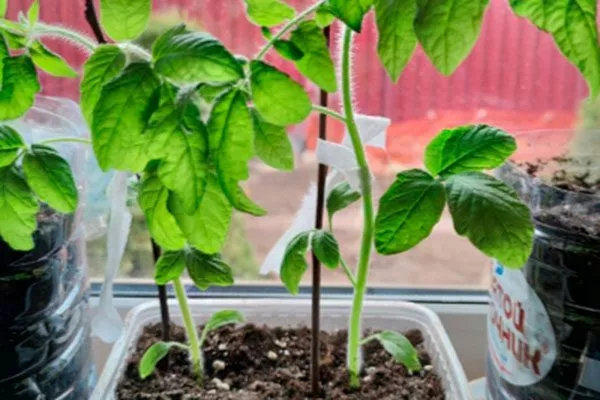
Sow hybrid seeds 50-60 days before you plan to transplant the seedlings to their permanent location. The optimal time is the third or fourth ten days of March. For indoor growing, use boxes or peat pots filled with a general-purpose growing medium from a flower shop.
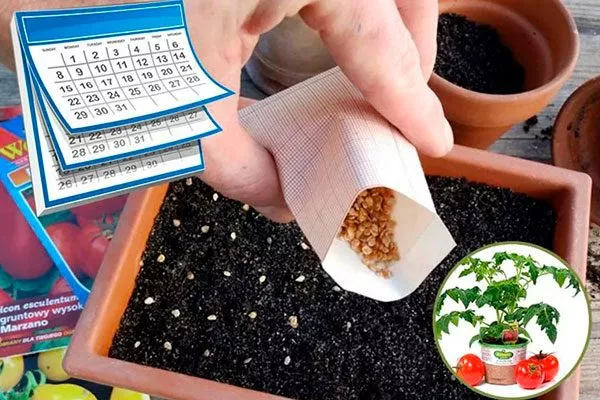
Place the seeds in furrows, spacing them 2-3 cm apart. Press them into the soil to a depth of 1 cm. Moisten the seeds with a spray bottle, cover them with plastic wrap, and leave them in a warm place (room temperature: 25-27°C).
Provide high-quality care for the sprouted seedlings of the Dutch Madam tomato at home, including the following:
- maintaining the room temperature at +20°C;
- providing tomatoes with 12 hours of daylight by using phytolamps (for the first 10-14 days, illuminate the sprouts for 18 hours);
- protecting seedlings from cold, drafts, and sudden temperature changes;
- moderate watering of seedlings, carried out with a frequency of 1-2 times a week for the first 20 days (for plants older than 3 weeks, water them with a frequency of 1 time in 2-3 days);
- picking after the plantings have formed 1-2 true leaves;
- fertilizing young tomatoes with Agricola (2 weeks after transplanting into separate containers) and Superphosphate (14 days after the first application of fertilizer);
- hardening the culture during the last week before transferring it to a permanent location.
Predecessors and transplantation
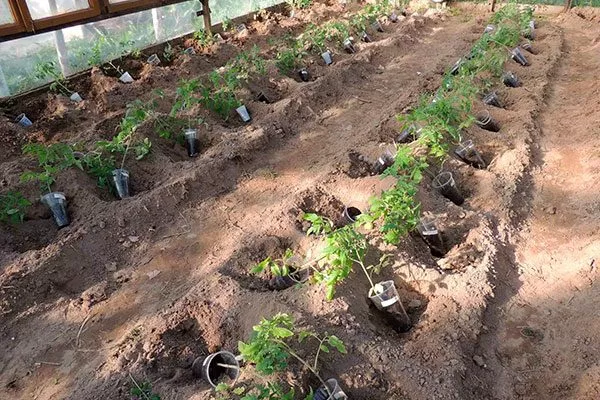
Plant hardened seedlings in open ground after the soil warms to 15°C and the threat of frost has passed (in the second half of May or early June). If you move the plants into cold soil, their roots will have difficulty absorbing nutrients.
Follow crop rotation guidelines in your garden to prevent your plants from becoming disease-free and reward you with a bountiful harvest. Grow them after legumes, squash, greens, and root vegetables. Avoid planting tomatoes where you previously grew potatoes, peppers, eggplant, or tomatillos.
Begin preparing the site you've chosen for planting your Dutch tomato hybrid in the fall. Follow these steps:
- dig up the soil;
- clear it of weeds and their roots;
- add organic matter (mullein, humus) and mineral compounds (superphosphate, potassium sulfate);
- Structure dense soil by adding coarse sand to it;
- If the soil is highly acidic, add wood ash, chalk or dolomite flour.
Transplant vegetable seedlings into an open-air garden bed or into a plastic shelter, following these steps:
- Water the seedlings until you can carefully remove them from their pots, along with the root ball. Try to do this without damaging the roots.
- Place the seedlings, along with the root ball, into the prepared planting holes. Cover them with soil.
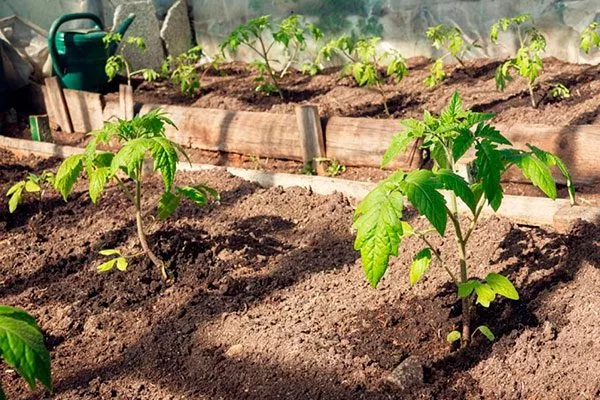
- Gently compact the soil around the roots with your palms. Water the planting.
Rules of care and formation
Once your tomato seedlings are in their permanent location, provide them with proper care. The plants' health and fertility depend on this care. Follow these steps:
- Watering. Water Dutch tomatoes once every 7 days. Apply warm, settled water to the roots. Avoid splashing or dripping on the foliage.
For every square meter of planting that has not yet borne fruit, use 10 liters. Once the plants begin to bear fruit, water them more generously (20 liters/sq. m).

When determining how often to water the soil under bushes growing in an open bed, consider weather conditions. During hot and dry seasons, water frequently (every other day), and during cool and rainy seasons, reduce watering to a minimum.
Avoid allowing the bed to become waterlogged, as this can lead to rot. - Loosening and weeding. Loosen the soil where the Madame hybrid is growing to prevent a dense, air-impermeable crust from forming. Break up the soil gently. Work it to a depth of 5-7 cm. Try not to damage the roots and stems. Perform this procedure the day after watering or rain.
Combine this with weeding. Removing harmful vegetation helps strengthen the tomato plant's immune system. This is an excellent preventative measure against diseases and pest infestations.
Mulch the soil in your garden bed with organic matter to help it retain moisture longer. This also reduces the amount of weeding you need to do by suppressing grass growth. - Top dressing. After transplanting the seedlings to their permanent location, fertilize them with an organic or mineral fertilizer rich in nitrogen. This nutrient will help the bushes grow foliage.
To maintain the vigor of flowering and fruiting tomatoes, use complex fertilizers high in potassium and phosphorus. These will ensure abundant fruit set, accelerate ripening, and improve their flavor.
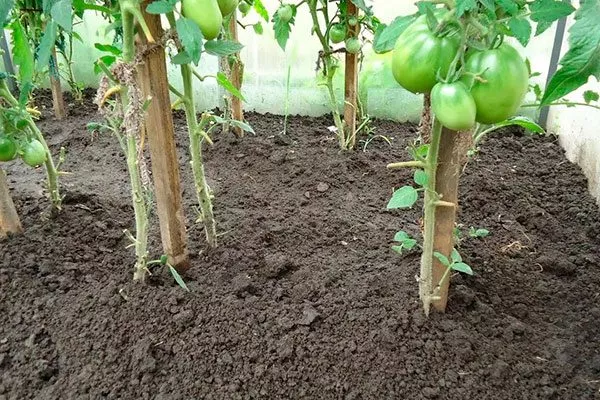
The hybrid responds particularly well to feeding with the "Rich Bed" nutrient mixture, designed specifically for nightshades. Apply it once every 14 days. This will help produce larger, higher-quality harvests. - Shaping and garterGrow hybrid plants in 2-4 trunks to ensure even distribution of nutrients among all parts of the plant. This will promote proper crop development and increased yield.
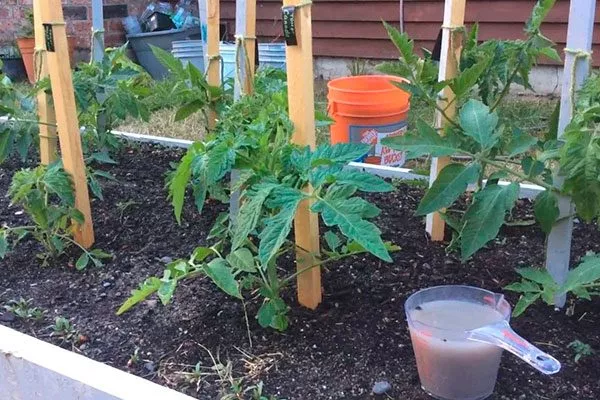
Prune the side shoots moderately. Tie the bushes to stakes to prevent the stems, laden with numerous fruits, from breaking.
Pest and disease control
Madam, like most Dutch hybrids, delights gardeners with its strong immunity. The bushes rarely get sick. They are resistant to tomato mosaic virus and brown spot. Thanks to their early and abundant fruiting, they are not prone to late blight.
Plant diseases only occur when gardeners violate standard agricultural practices. Proper care and regular application of biofungicides (every 10-14 days) are the best prevention. Use the following products for preventative treatments:
- Alirin;
- Gamair;
- Trichocin;
- Sporobacterin;
- Phytohelp;
- Mikohelp.
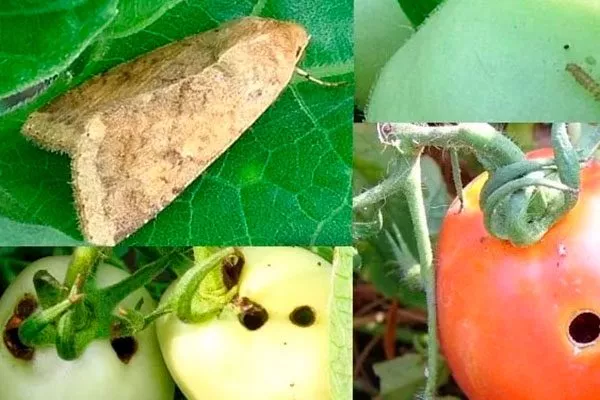
Pests rarely attack Madam tomato plants. This problem occurs when the vegetable is grown in unfavorable conditions. Regular inspection of the plants will allow you to spot insects and their larvae early and take action to save the plant.
If you detect pests on your Dutch hybrid plants, use a bioinsecticide like Fitoverm. Spray at least twice, leaving a week between applications. Additionally, set out yellow sticky traps to catch aphids and whiteflies, and blue ones to catch thrips.
Reviews
Madam is a miracle of breeding, developed by Dutch scientists. It has become a favorite among domestic gardeners and farmers thanks to its early and uniform ripening, excellent quantitative and qualitative characteristics, and strong immunity. It is an excellent choice for those growing tomatoes for fresh consumption, processing, and canning.