
The Lyudmila tomato attracts agronomists with its high yield and excellent flavor. The variety tolerates heat and drought well, and is resilient to temperature fluctuations. It's easy to care for and suitable for both greenhouse and open-air cultivation. Its fruits are versatile, suitable for both fresh and canned consumption.
Description of fruits and bush
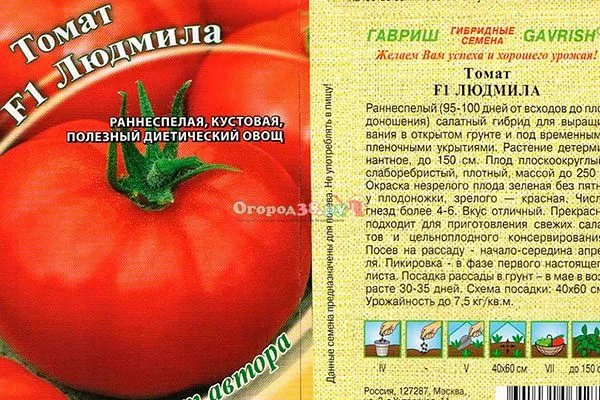
Lyudmila is a hybrid developed by Gavrish breeders in 2015. It is a determinate variety, characterized by its compact growth and moderate bush height—up to 150 cm. The leaves are light green and medium-sized.
Features and characteristics of tomatoes:
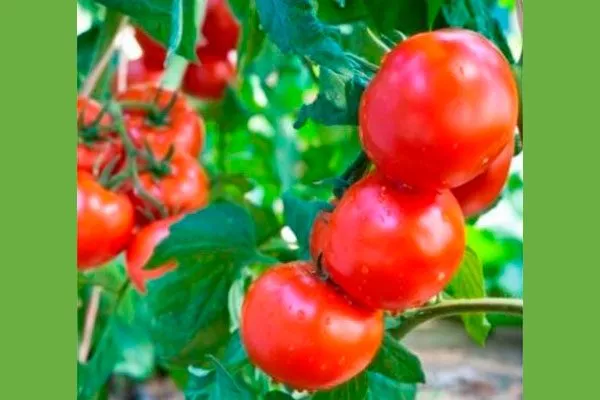
- forms – rounded, slightly flattened at the base and top;
- skin – slightly ribbed;
- weight - varies from 150 to 200 g, large specimens can reach 250 g with a diameter of up to 8 cm;
- color – unripe fruits are light green, without a spot near the stalk, and when fully ripe they acquire a rich red color;
- taste - balanced: sugar and acid in a ratio of 3:1.
- pulp – juicy, without voids, with 4-6 seed chambers, and when cut, it is clear that the tomato is evenly colored both inside and outside, without the characteristic green ring.
Characteristics of the variety
The hybrid is prized for its mid-early ripening period—the vegetables ripen 90-105 days after germination. Therefore, seeds are usually sown for seedlings 30 days before planting outdoors. In the south, the first tomatoes can be harvested as early as late May, while in other regions, they can be harvested as early as mid-June.
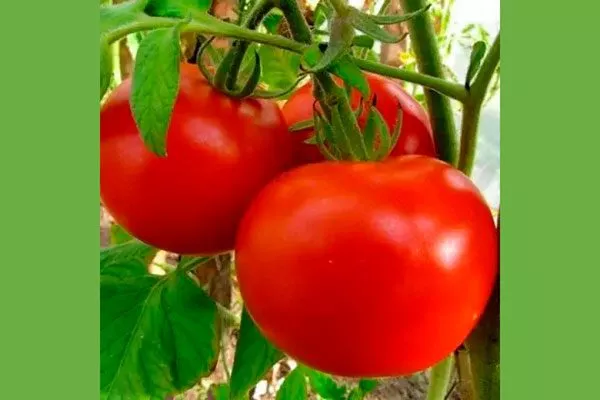
The crop demonstrates good productivity. With proper care and greenhouse cultivation, one plant can yield up to 4 kg of fruit, and 9-12 kg per square meter. In open ground, yields are slightly lower: 2-3 kg per plant and 6-9 kg per square meter. Plant no more than three bushes in a staggered pattern per square meter.
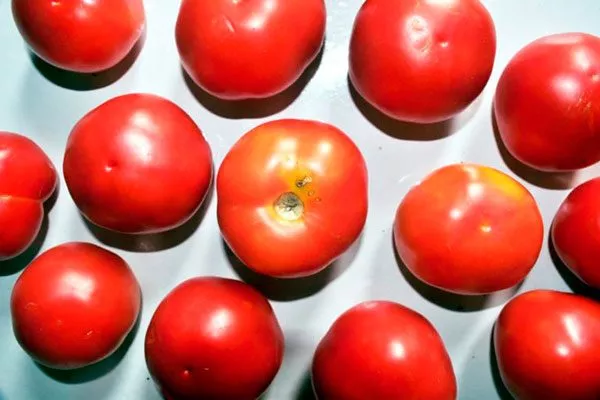
Lyudmila tomatoes are versatile. Their juicy flesh and rich flavor make them suitable for both fresh and processed use:
- salads;
- soups;
- sauces;
- tomato paste;
- puree;
- juice;
- lecho;
- adjika;
- vegetable assortment;
- whole fruit pickling;
- pickling.
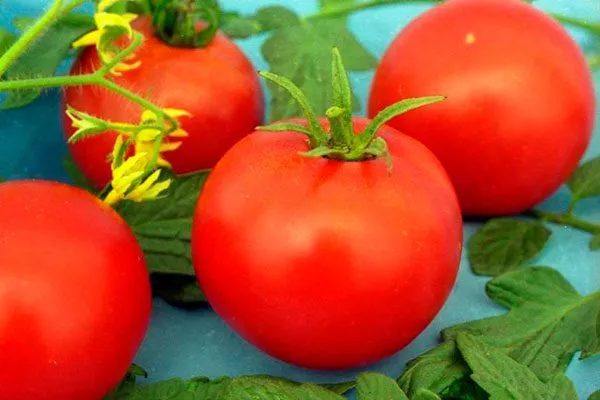
This variety is characterized by moderate disease resistance. It is susceptible to late blight and root rot, especially if overwatered.
Planting operations
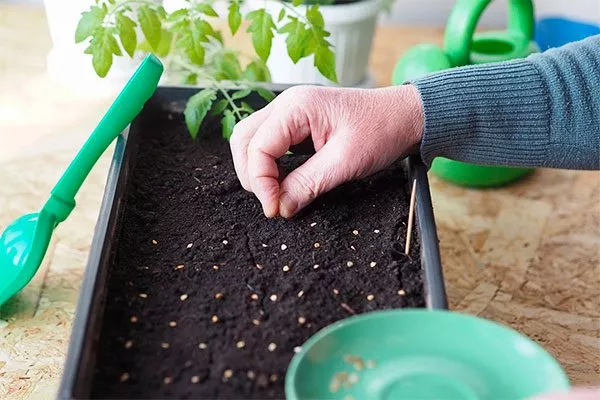
The crop is grown from seedlings: seeds are sown in small containers with loose, nutritious soil. As they grow, the seedlings are provided with sufficient light and warmth.
After 2-3 true leaves appear, the plants are pricked out, and when the seedlings become stronger and stable warm weather sets in, they are transplanted to a permanent location - a greenhouse or open ground.
Obtaining seedlings
Sow seeds in February or March. A soil mixture of garden soil and compost is suitable for sowing. You can prepare it in advance in the fall or use ready-made store-bought soil.
Follow the recommendations:
- When using soil from your garden, disinfect it by heating it in the oven. This will reduce the risk of seedlings becoming infected with diseases.
- Before planting, prepare the seeds. Wrap them in a damp cloth and leave them in a warm place for 24 hours to awaken. If the seeds have a brightly colored coating, they have already been treated by the manufacturer, so no further preparation is required.
- Fill containers with soil to a depth of about 12 cm. Space the planting material 2 cm apart, then top with a 1 cm layer of peat. Cover the containers with plastic wrap, moisten them, and place them in a warm, dark place with a temperature of about 25°C.
- After the seedlings appear, move the containers to a well-lit windowsill or under lamps.
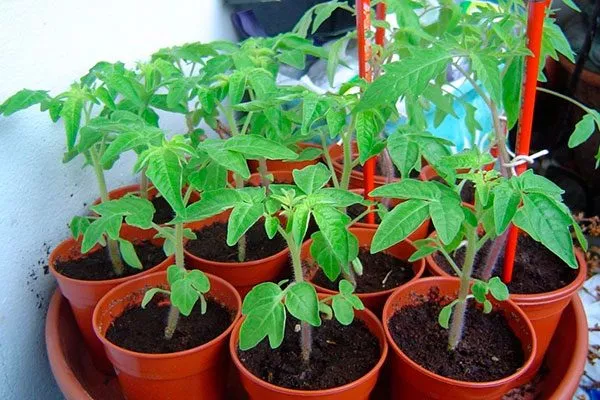
For normal development of seedlings, adhere to the following temperature regime:
- during the day – about +20°C;
- at night – +17°C.
Water moderately, keeping the soil slightly moist but not waterlogged. Excess moisture can lead to root rot and seedling disease.
Growing in a greenhouse
Plant Lyudmila tomatoes indoors when the seedlings reach a height of about 25 cm and are 1.5 months old. By this time, the plants typically have 6-7 true leaves and a well-developed root system.
Begin preparing the greenhouse in the fall: remove the top layer of soil, which can harbor pests and fungal spores. Dig over the remaining soil and add compost or humus to improve fertility.
Avoid growing tomatoes in the same location for more than two years in a row to avoid the accumulation of diseases in the soil.
When planting, follow these guidelines:
- distance between bushes – 50-80 cm;
- between rows – 90-100 cm;
- Place plants in a staggered pattern for ease of maintenance.
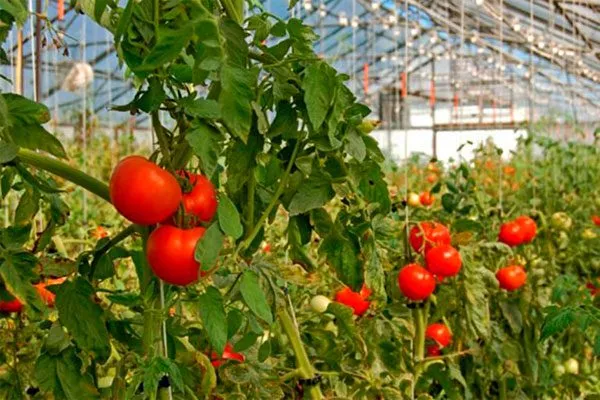
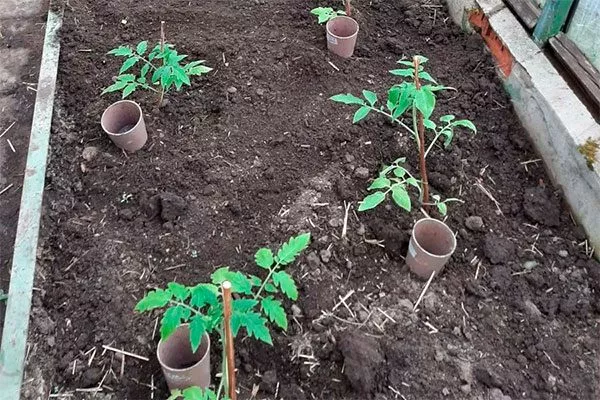
Place the seedlings into holes about 20 cm deep, along with the root ball, cover with soil, and compact lightly. After planting, be sure to moisten the seedlings with warm water.
Planting in open ground
Lyudmila tomatoes are grown outdoors primarily in southern regions, where warm weather arrives early. Planting occurs after the soil has warmed up and the risk of frost has passed.
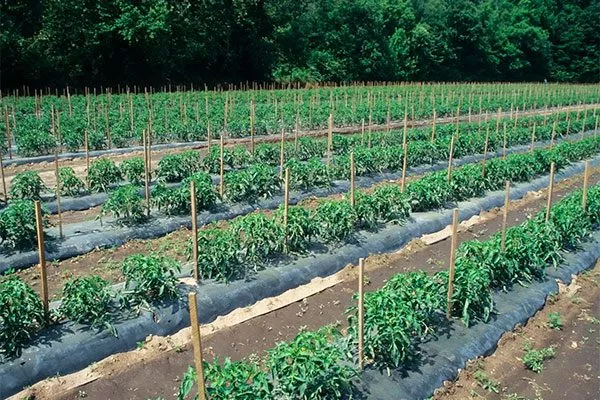
Basic requirements:
- For cultivation, choose areas where root vegetables, onions, garlic, or cabbage were grown last season. Avoid planting tomatoes after nightshade crops such as eggplant, potatoes, or peppers. The area should be sunny and protected from cold winds.
- Planting pattern: between bushes – 60 cm, between rows – 90 cm.
- It is advisable to install trellises or stakes that will provide support for the plants.
- Plant the seedlings in pre-prepared holes, fill with soil, and firm them down. Afterward, water the seedlings generously with warm water and carefully tie them to the supports.
Care regimen
Caring for the crop involves a number of important agricultural practices. These practices ensure active development and fruiting, increasing productivity. Caring for the bushes is easy, so even novice gardeners can handle it.
Watering and loosening
Water your tomatoes according to weather conditions, maintaining soil moisture at around 80%. Insufficient moisture causes leaves to turn yellow and flowers to fall off, while overwatering slows plant growth.
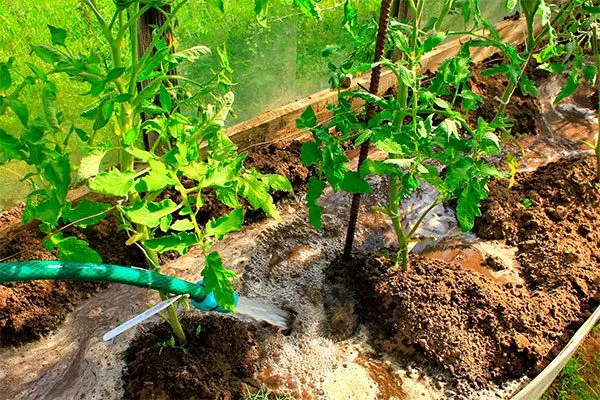
Follow the recommendations:
- The best time to do this is morning or evening, when the sun is not strong. This helps prevent sunburn and reduce moisture evaporation. Keep in mind that the plant prefers dry air, so regular ventilation is essential in the greenhouse.
- On average, water the plants 1-2 times a week. Use 3 liters of water per bush, up to 5 liters during flowering. Use only warm, settled water.
- After each watering, be sure to loosen the soil. Fluffing improves oxygen access to the roots and promotes better absorption of moisture and nutrients.
Fertilizing tomatoes
Fertilizers They play an important role in the healthy development of Lyudmila tomatoes. The plants respond particularly well to phosphorus and potassium: phosphorus stimulates root development, while potassium boosts immunity and improves the flavor of the fruit.
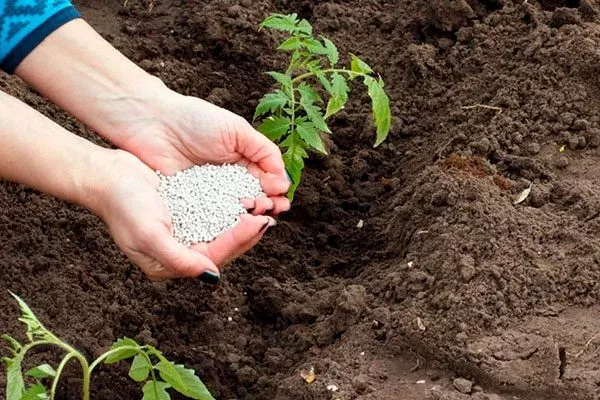
Power supply diagram:
- first feeding carry out with a solution of Superphosphate: dissolve 40 g of the substance in 10 liters of water and pour under the root;
- in a week add potassium sulfate – 30 g per 10 l of water;
- during the formation of inflorescences Spraying with boric acid (5 g per 5 l of water) is recommended to stimulate ovary formation and increase yield.
Pinching out and tying up
Lyudmila is a tall variety, so it requires regular side shoot removal—removal of lateral shoots that grow from the leaf axils. This procedure helps prevent the bush from becoming overcrowded and directs its energy toward developing tomatoes.
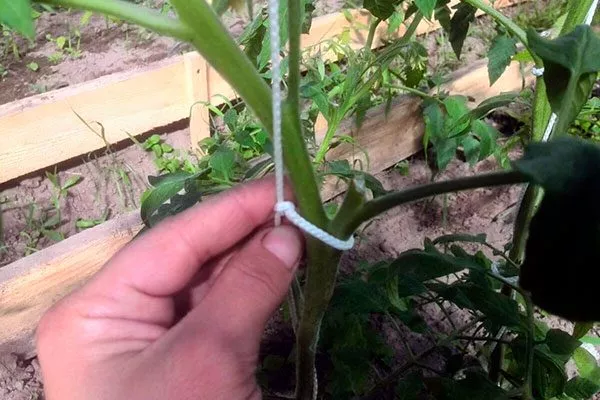
To support the plant, tie the stem at the top to a metal or wooden support. To prevent the tomato branches from touching the ground, secure them as well, ensuring a neat appearance and protecting the harvest.
Pest and disease control
Before transplanting tomato seedlings into the ground, be sure to treat them with fungicides. Use one of the following:
- Bordeaux mixture;
- Ordan;
- Maxim;
- Fitosporin.
Use the same remedies at the first signs fungal diseases – the appearance of spots, curling and wilting of leaves, and slowing of plant growth.
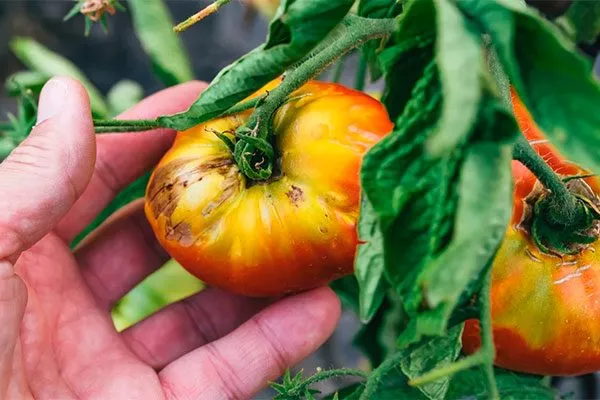
Sometimes bushes are attacked by pests such as aphids, whiteflies, Colorado potato beetles, and others. In the early stages, they can be controlled with folk remedies—a weak solution of baking soda, ammonia, soap shavings, onion peel infusion, etc. If these measures are ineffective, resort to insecticides:
- Fitoverm;
- Actellic;
- Karate;
- Confidor.
Pros and cons
The Lyudmila tomato is grown throughout almost the entire country. It is prized for its excellent taste and consistent yields, as well as its ease of cultivation—it can be grown by both experienced and novice gardeners.
Reviews
Lyudmila combines high yield, resistance to adverse conditions, and excellent taste. Proper care ensures consistent fruiting and a long shelf life. This hybrid is an excellent choice for gardeners who value reliability and quality.