
"Beloved Holiday" is the name of a productive tomato variety bred by Siberian breeders and characterized by excellent adaptability. Its hallmark is the gigantic size of its fruits, beautiful shape and color. The variety thrives in open ground and is suitable for commercial cultivation.
Special features of the bush and fruits
Plants of this cultivar are of the determinate type. They are short, but vigorous and spreading. Their appearance is described as follows:
- height - 0.8-1.2 m;
- a large number of strong shoots;
- moderate foliage;
- foliage: dark green, medium sized;
- simple inflorescences.
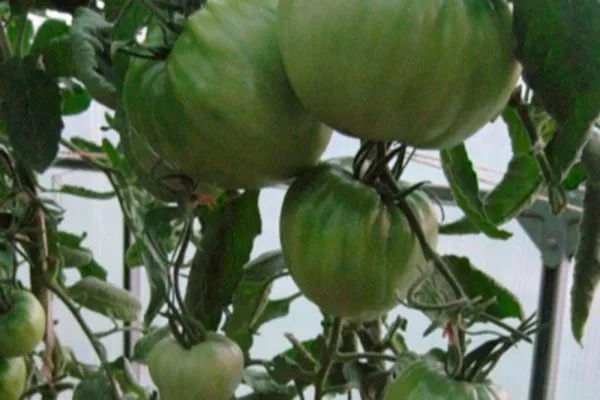
The 'Favorite Holiday' bush produces up to seven fruit clusters, each containing several tomatoes (3 on average). To increase productivity, gardeners train it with 2-3 trunks. Despite its small stature, it requires support.

The fruits of the Siberian tomato deserve special attention. They are unusually large and beautiful. They have the following characteristics:
- kidney-shaped or heart-shaped;
- slightly pronounced ribbing;
- enormous in size;
- weight - 600-1000 g (in the total harvest there may be smaller tomatoes, weighing 350 g, and giant fruits - up to 1.3 kg);
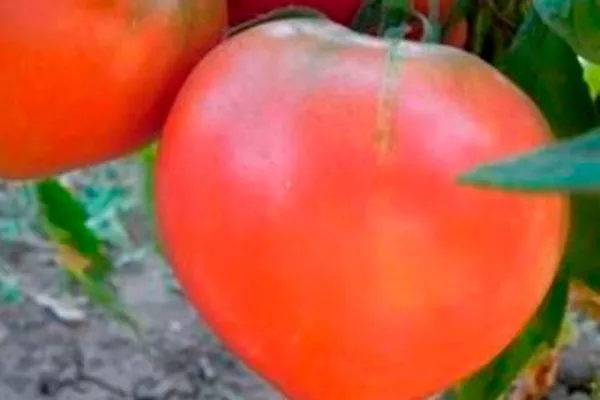
- beautiful pink color;
- not thick, but strong skin;
- medium-dense pink flesh, meaty, tender, juicy and aromatic.
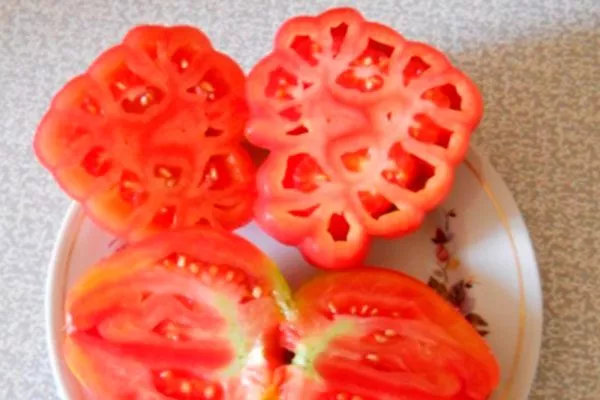
Large pink tomatoes tend to ripen to full maturity while stored. They are often picked unripe from the garden to extend their shelf life to four weeks. They ripen well in living spaces at room temperature.
Main characteristics
The beloved holiday is a miracle of domestic selection, developed by scientists from Siberia: Ugarova S. V., Dederko V. N., Postnikova T. N. It was added to the state register of the Russian Federation in 2008. The authors endowed their brainchild with good fertility, the ability to adapt to different weather conditions, and resistance to diseases.
Purpose and taste
Giant pink tomatoes delight with their rich, sweet flavor and juiciness. Their sugary flesh literally melts in your mouth. These tomatoes are primarily used fresh (sliced or in salads). They are also widely used in home cooking:
- processing into puree, tomato paste, juice (it turns out thick and sweet, but it does not have the bright scarlet color of the juice made from ordinary red fruits);
- production of sauces, ketchup, side dishes, soups, casseroles, pizza, borscht dressing;
- canning (giant tomatoes are not suitable for whole-fruit preparations, but they make delicious lecho and excellent adjika).
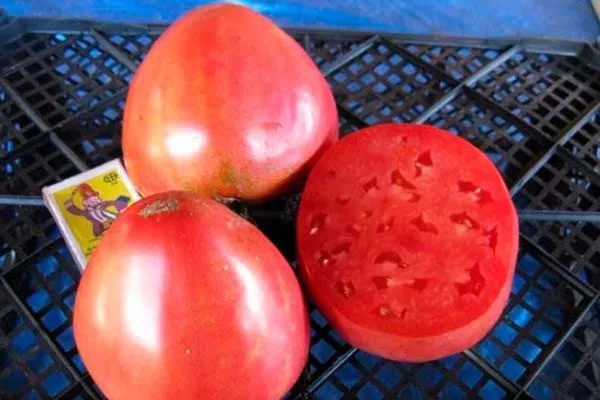
Large, fleshy vegetables of the Favorite Holiday variety are often stuffed, baked, grilled, or stewed. They pair particularly well with soft cheese, herbs, and olive oil. They hold their shape when sliced. Their dense flesh prevents them from falling apart during cooking.
Giant Siberian tomatoes are not suitable for drying or curing. They are too large and juicy. They can be frozen chopped (in cubes or wedges). To do this, place small portions of chopped tomatoes in zip-lock bags or food-safe containers and place them in the freezer.
Eat the harvest of this beloved holiday fresh to reap the maximum health benefits. The pulp contains many vitamins (A, C, E, B), minerals (potassium, iron, magnesium, calcium, etc.), antioxidants, particularly lycopene, and fiber. They also contain more carotene than regular red fruits.
Productivity, ripening time
This variety is classified as a mid-season, high-yielding vegetable crop. Its characteristics are as follows:
- fruit ripening period is 110-120 days after emergence;
- productivity - 7-7.5 kg per 1 sq. m.;
- consistently high yields, independent of weather conditions;
- a long period of fruiting, which continues until the end of the summer season.
Climate requirements and growing regions
This Siberian variety of giant tomatoes is primarily intended for cultivation in open garden plots. Gardeners grow it under plastic covers and indoors (in tubs on balconies). The "Favorite Holiday" variety produces its maximum yield in temperate climates.
The variety was approved by the Russian State Register for cultivation in the regions, territories, and districts of the country:
- Northern;
- North-West;
- Central;
- Volga-Vyatka;
- Central Black Earth Region;
- North Caucasian;
- Middle Volga;
- Lower Volga;
- Ural;
- West Siberian;
- East Siberian;
- Far Eastern.
Landing features
Gardeners grow giant tomatoes, a favorite holiday crop, using seedlings, which are then transplanted to a permanent location: a suitable outdoor garden plot, a greenhouse, or a glazed loggia.
- ✓ The optimal soil temperature for planting seedlings should be at least +15°C.
- ✓ The distance between bushes should be at least 60 cm to ensure sufficient space for growth.
Growing seedlings
Sow seeds of the correct variety to obtain seedlings in the first half of March. To improve germination, use a growth stimulant such as Epin. High-quality store-bought seeds do not require treatment, but if you collect your own, don't hesitate to treat them with a solution of potassium permanganate.
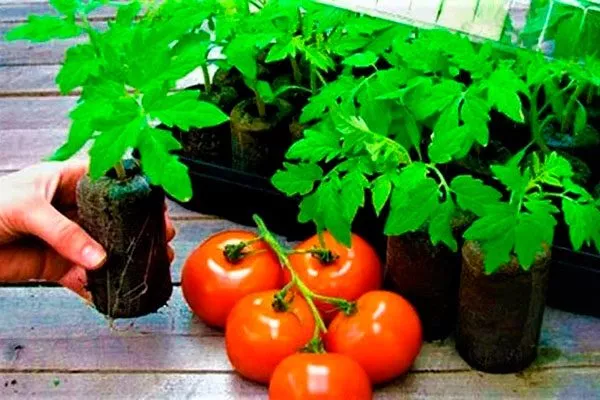
Use the right soil for growing tomatoes:
- universal store-bought substrate or one specifically designed for growing nightshade crops;
- a loose, light and nutrient-rich homemade soil mixture (to obtain it, mix garden soil with peat, river sand and humus, add superphosphate).
To sow pink tomato seeds, follow these step-by-step instructions:
- Fill boxes or individual containers (plastic cups or peat pots) with soil. If you're using homemade soil, disinfect it first. To do this, heat it in a frying pan, steam it, or water it with a potassium permanganate solution.
- Level the substrate. Make holes or furrows in it. Their depth should be 1-1.5 cm.
- Place the seeds in the holes, leaving 3-4 cm between them. If you're using cups or pots to grow tomato seedlings, plant one seed in each, burying it 1 cm deep.
- Cover the seeds with soil. There is no need to compact it.
- Moisten them with lukewarm, settled water. Use a spray bottle to prevent the seeds from washing out of the holes.
- Cover the Favorite Holiday planting with plastic wrap. Leave it in a warm place (recommended temperature: 22-25°C).
Until the seedlings emerge, keep the container under a plastic cover. This creates greenhouse-like conditions. Once the seedlings emerge, remove the plastic cover. Move the container to a well-lit area with a temperature of 18-20°C.
Water the seedlings moderately. To prevent them from suffering from a lack of natural light, keep them under phytolamps (provide at least 12 hours of daylight). After two true leaves appear, transplant the seedlings growing in the same container. Fertilize them 2-3 times with nitrogen fertilizer.
Planting in the ground
14 days before "relocating" the Beloved Holiday seedlings to an open area of the garden, begin hardening them off:
- Take young tomatoes out into the fresh air every day;
- gradually increase the time they spend outside the house by half an hour;
- On the last night, let the seedlings spend the night outside, covering them with film.

Prepare the soil in your garden before planting. Giant pink tomatoes thrive and produce fruit in a sunny, wind-free area with loose, fertile, neutral soil. Before transplanting the tomato seedlings into the garden, carry out a series of steps, including:
- digging the soil;
- adding humus and mineral compounds rich in phosphorus, potassium and nitrogen;
- adding coarse-grained river sand if the soil in the garden is heavy and dense;
- enriching the soil with chalk, ash or dolomite flour if its acidity is high.
Transplant the grown and strengthened seedling bushes within the following timeframes:
- at the end of May or at the beginning of June - in an open garden bed;
- from mid-May - in protected ground.
Transplant the seedlings into the bed. Add a little compost, wood ash, and mineral fertilizer (potassium sulfate or superphosphate) to the holes. Plant no more than three seedlings per square meter of plot. Due to their spreading nature, they require plenty of space to develop. Maintain a 60x60 cm pattern.
Planting and growing in buckets and box beds
Determinate 'Favorite Holiday' bushes bear fruit successfully when grown in raised beds. Use wooden planks to create the raised beds. Make the structure 120 x 600 cm.
Build a covered garden bed for growing Siberian tomatoes, following these step-by-step instructions:
- Install a wooden box-shaped structure on a dug and leveled area of the garden.
- Fill it with a mixture of fertile garden soil, compost, peat, river sand, phosphorus and potassium fertilizers.
- Install metal arches over the box-bed, onto which non-woven covering material will be stretched.
Sow vegetable seedlings for transplanting into a raised bed in the second ten days of March. After 50 days (in May), transplant the seedlings to their permanent location. Plant them in two rows, spacing them 60 cm apart.
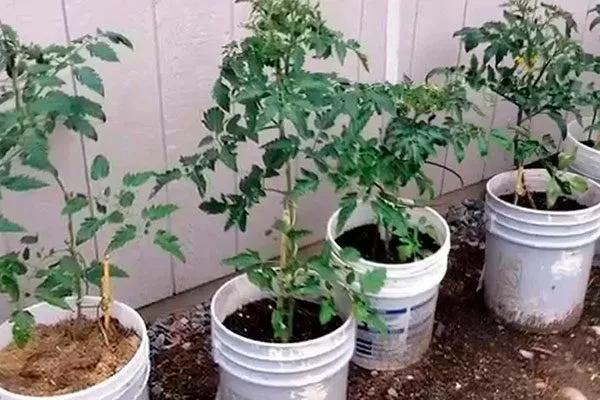
This beloved holiday plant can also be grown indoors in tubs or buckets with a capacity of over 10 liters. Make drainage holes in the planting container. Line the bottom with a drainage layer (8-10 cm thick). Make it from sand, expanded clay, or small stones. Top it with fertile soil.
Plant seedlings in buckets, following these rules:
- place 1 tomato plant in 1 planting container;
- use a wooden stick as a support for the plant;
- Mulch the soil in the tub with a small amount of hay or grass clippings.
The advantage of this growing method is that it allows gardeners to avoid weeding. It makes caring for the vegetable crop easier. Its main drawback is that bucket tomatoes require daily watering.
Care activities
The giant pink tomato variety "Favorite Holiday" is unpretentious, hardy, and undemanding in terms of growing conditions. Standard vegetable cultivation practices are sufficient to ensure a bountiful harvest and prevent disease.
Watering
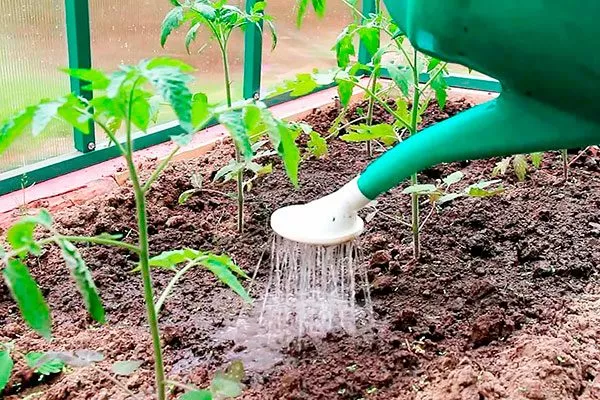
When watering Siberian tomato plants, avoid over-watering, over-watering, or waterlogging. Follow these guidelines when performing the care procedure:
- water the tomato bed 1-2 times a week;
- use about 5 liters of water per plant;
- During hot and dry periods, water tomatoes more often (every other day or daily);
- in rainy weather, refrain from watering;
- pour water directly under the root of the bush;
- Avoid splashing onto leaves and stems;
- Use settled water, warmed in tanks in the sun, for watering.
Top dressing
Tomatoes called "Favorite Holiday" require additional nutrition to maintain their health and produce abundant fruit. Feed them at least three times during the season, following this schedule:
- 15-20 days after transferring the seedlings to the garden bed water them with a solution of ammonium nitrate (25 g of substance per 10 liters of water);
- during the formation of ovaries feed the tomatoes with a nutrient liquid, to obtain which, dissolve 10 g of ammonium nitrate, 10 g of superphosphate or potassium monophosphate in 10 liters of water;
- during the fruiting period replenish the vegetable crop's nutrient reserves by adding superphosphate dissolved in water (15-20 g per 10 l).
Working with soil and bushes
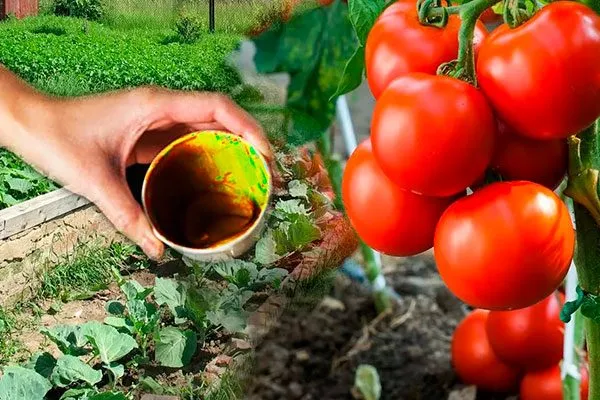
To achieve maximum productivity from Siberian tomatoes, ensure high-quality soil care. This includes the following procedures:
- LooseningThis procedure aims to saturate the soil with oxygen and increase its permeability. Perform it on the second day after watering the bed. Break up the dense crust that forms on the soil surface, which prevents air and nutrients from reaching the crop roots.
Work the soil to a depth of up to 7 cm, being careful not to touch the plant roots with the tool. - WeedingCombine this procedure with loosening the soil. Remove weeds from the bed to prevent them from inhibiting tomato growth and creating a risk of insect infestation and infection.
- MulchingCover the soil under your tomato plants with a layer of organic matter to prevent moisture from evaporating quickly and the growth of weeds. Use sawdust, straw, peat, or compost as mulch.
Not only the soil in the bed of giant pink tomatoes requires care, but also the bushes themselves. Train them into two trunks. Remove any remaining shoots located above the third fruit cluster.
- ✓ The variety requires shaping the bush into 2 stems for maximum productivity.
- ✓ Fruits reach their maximum size when 2-3 ovaries are left per bunch.
Carry out other activities to increase plant productivity and prevent disease:
- tearing off the lower leaves to prevent them from coming into contact with the ground in the garden bed;
- pinching out side shoots (break off excess shoots once every 7 days, do not allow them to grow too large);
- removal of excess flowers (sick, wilted and weak);
- tying to a support to prevent the stems from breaking under the weight of heavy fruits (do not limit yourself to fixing the shoots, secure each fruit cluster).
Resistance to diseases and pests, their control
This tomato variety is distinguished by its good immunity. Its bushes are rarely affected by diseases. They are particularly resistant to blossom-end rot. However, infection prevention should not be neglected. Remember that poor agricultural practices and unfavorable weather conditions can lead to deterioration of the crop.
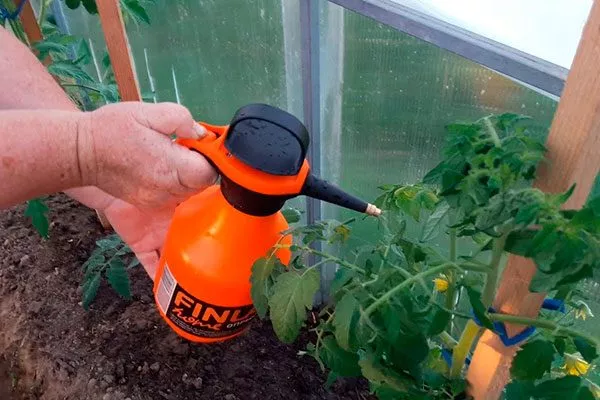
Apply fungicides when the first symptoms of disease appear in your tomato plantings, as well as during cold and rainy summers. To suppress the pathogen at an early stage, use the following products:
- Quadrisom - for alternaria and late blight;
- Bordeaux mixture - against late blight (prevention and treatment);
- Thanos 50, Metaxil - against alternaria;
- Skorom, Akrobatom - from late blight;
- Revus - for damage by septoria and macrosporiosis.
Pay special attention to combating late blight. This fungal infection is difficult to cure. If you notice signs of it on your tomato planting (brown spots on foliage and fruit, white coating), begin treatment immediately. Take the following steps:
- water the soil under the pink tomato bushes with a solution of copper sulfate;
- Use the biofungicide Fitosporin-M to treat plants.
If the fungal infestation is severe, dig up the affected bushes from the garden bed along with the soil. Move them outside the garden and destroy them by burning.
Don't neglect preventative measures to avoid the problem of vegetable crop diseases:
- strictly follow the rules of agricultural technology;
- hill up the bushes in the garden bed;
- treat tomato seedlings with Fitosporin-M or Trichodermin 1 week before transferring them to a permanent location (it is also acceptable to spray 7 days after transplanting to the garden);
- If there is an increased risk of late blight spreading, which is observed during the damp and cool summer season, preventively treat pink tomatoes with Fitosporin, HOM, Bordeaux mixture, Quadris once every 2 weeks (the first time, carry out the procedure immediately after the formation of the fruit ovary);
- If you grow Lyubimy Prazdnik in protected soil, treating its bushes with copper-containing agents, ventilating the greenhouse, and thinning the plantings will help prevent late blight.
Planting giant sweet tomatoes inevitably attracts the attention of garden pests. The risk of pest attacks increases with poor care and unfavorable growing conditions. The following pests pose the greatest threat to the Siberian variety:
- aphid;
- thrips;
- spider mite;
- scoop;
- whitefly;
- Colorado beetle;
- tomato moth, etc.
Inspect your tomato plants regularly to detect problems early. If pests attack, try using folk remedies to repel them:
- infusion of tobacco dust, onion peel;
- wormwood decoction;
- garlic water;
- laundry or tar soap.
Hand-pick insects and their larvae. Use traps to catch pests. If the infestation is widespread, insecticides such as Decis, Ampligo, Vermitek, Rapsolin, and Isabion can help. Apply them before the bushes begin to bear fruit.
Remember that the use of pesticides is prohibited during the ripening period of vegetable crops. Replace them with safe biological products such as Fitoverm and Bitoxybacillin-BTU.
Pros and cons
The "Favorite Holiday" tomato variety has many advantages that make it attractive to domestic gardeners and farmers:
This vegetable variety has virtually no drawbacks. Gardeners only point out the need for mandatory staking and pinching of the bushes, and the unsuitability of giant tomatoes for whole-fruit canning.
Reviews
A favorite holiday variety, this giant, heart-shaped tomato was bred in Siberia. It's beloved by Russian gardeners for its high yield, robust bushes, and ability to produce fruit in any weather, as well as its ability to be grown both indoors and outdoors. The enormous pink fruits are eaten fresh and used for canning.