
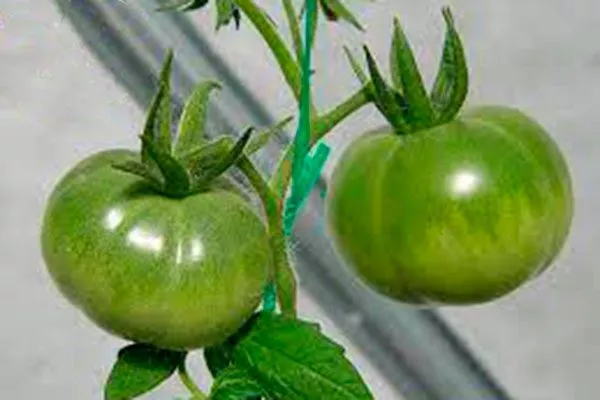
"Lyozhkiy" is the name of a late-ripening tomato variety suitable for cultivation in open garden plots and protected soil. It is distinguished by its highly marketable harvest and good transportability. A distinctive feature of this variety is the long shelf life of the fruits, which remain firm, juicy, and tasty until the New Year.
History of origin
A tomato that retains its freshness for a long time was developed by Russian scientists. Its development belongs to the staff of the Perm Research Institute of Vegetable and Potato Growing. It is a new variety, not yet listed in the Russian Federation State Register.
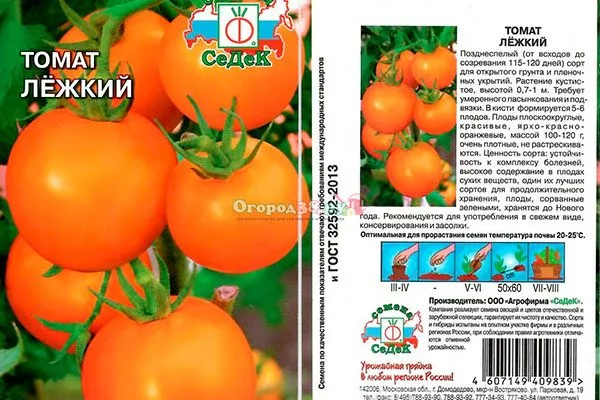
Popular varieties of tomato Lezhkogo
Seeds of two varieties of tomatoes, both belonging to the same group and collectively known as "Lyozhkiy," are available commercially: yellow and pink. The technical characteristics of both varieties are identical. They differ only in the appearance of the fruit, specifically its color.
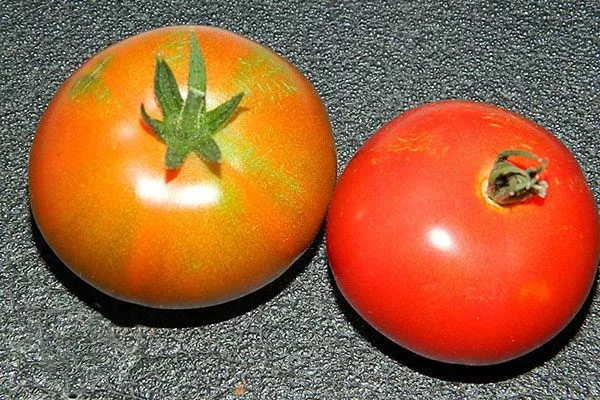
The variety is Lezhkiy Yellow.
Plants of this variety are determinate. They are quite bushy and spreading. They require support, training into three stems, and pinching out side shoots. A description of their appearance includes the following characteristics:
- height - 0.7-0.8 m;
- low degree of foliage;
- foliage: green, medium-sized;
- fruit clusters consisting of 5-6 tomatoes.
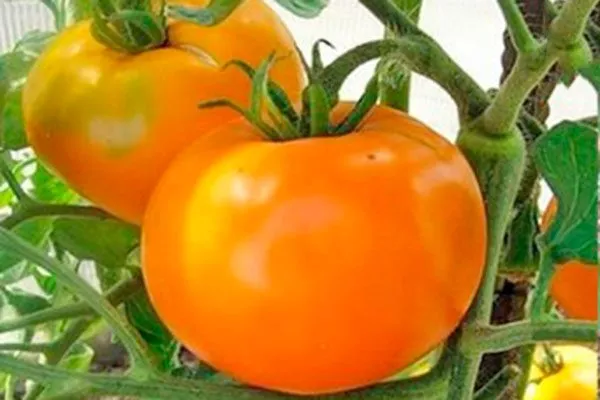
The harvest of the Lezhkoy Yellow variety is attractive in appearance. It pleases gardeners with its high marketability and good consumer qualities.
Tomatoes have the following characteristics:
- medium sizes;
- weight - 100-120 g;
- neat flat-round shape;
- orange color;
- strong, glossy skin that is not prone to cracking;
- pulp: dense, fleshy, moderately juicy, aromatic, containing an increased amount of dry matter and carotene.
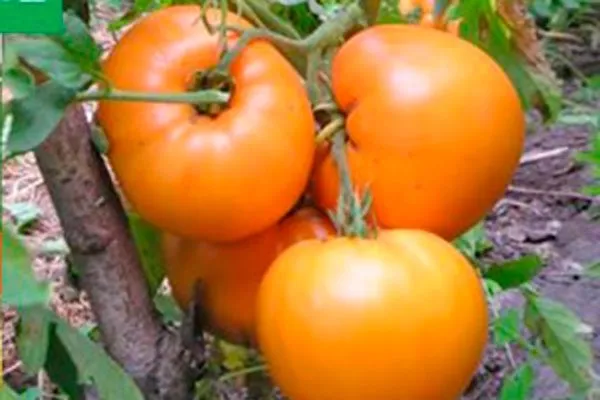
Like most varieties intended for long-term storage, this tomato doesn't boast a rich flavor palette or original notes. Its flesh is pleasantly sweet, with almost no noticeable tartness.
Thanks to their tough skin and dense internal structure, the fruits withstand long-distance transportation well and retain their attractive appearance. They store well in cool conditions. Their excellent shelf life and transportability make them suitable for commercial cultivation.
The Lezhkiy Pink variety
Plants of the second subspecies have the same external features as the yellow variety. Their botanical description is completely identical. However, the harvest they produce looks different.
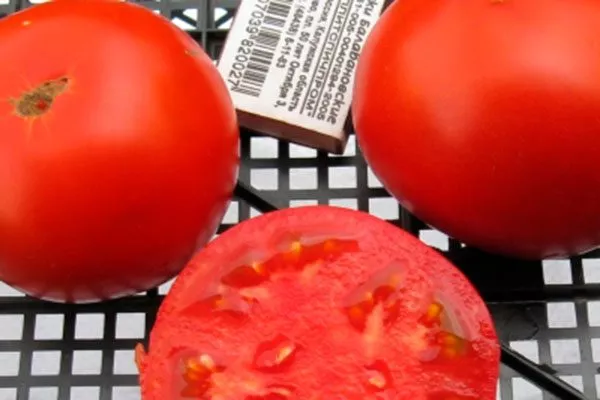
Tomatoes have the following characteristics:
- red color with a pink tint;
- weight - 120-150 g (some specimens are heavier, their weight reaches 200 g);
- round shape;
- smooth and strong skin that does not crack when overripe and during transportation;
- pulp: dense, fleshy, juicy, aromatic.
Useful properties of the Tomato
The harvest of this variety not only has a long shelf life and pleases gardeners with its marketability, but is also rich in many nutrients beneficial to the consumer. Sun-colored tomatoes, characterized by a high content of carotene in the pulp, are especially beneficial for the body.
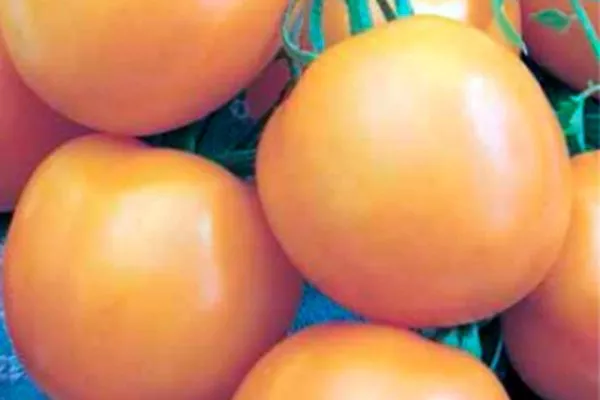
Both yellow and pink tomatoes are rich in vitamins (C, B, A, E), minerals (potassium, iron, magnesium, calcium, phosphorus), and fiber. Amber-colored tomatoes contain large amounts of the enzymes myocin and lycopene, which prevent tumor development, slow aging, and strengthen the heart and blood vessels.
By incorporating fresh Lezhkiy vegetables into your daily diet, you'll experience numerous healing benefits and even improve your appearance:
- strengthening the immune system;
- improvement of the condition of the skin, mucous membranes, nails and hair;
- improving visual acuity;
- stimulation of digestive processes;
- balancing the amount of fluid in the body;
- reducing the level of bad cholesterol in the blood;
- normalization of the cardiovascular system;
- improving metabolism;
- protecting the body's cells from the harmful effects of free radicals;
- strengthening the nervous system;
- raising the tone of life.
The orange-colored Lezhky harvest is recommended for people with gastrointestinal problems, children, and the elderly. Avoid refrigerating it to preserve its medicinal properties. Avoid combining it with starchy foods to prevent the formation of gallstones and kidney stones.
Characteristics
This vegetable variety belongs to the category of late-ripening cultivars and hybrids. The tomatoes ripen within 115-120 days after germination. The peak harvest period is in August.
Other technical characteristics of tomatoes intended for long-term storage are as follows:
- yield - 7-12 kg/sq.m;
- marketability - high;
- good cold resistance;
- resistance to many nightshade diseases, with the exception of late blight, which can be prevented by preventative treatment of plantings;
- the purpose of the fruits is universal (fresh consumption, processing into juice and tomato paste, pickling, canning, home cooking);
- excellent shelf life (vegetables picked from the garden unripe at the end of August or in September remain fresh until the winter holidays);
- Transportability - above average.
Technology for growing tomato Lezhkoy
Gardeners cultivate this variety in open garden plots and greenhouses using seedlings. Seeds are sown to produce seedlings 65-70 days before transplanting them to their permanent location (from the last ten days of February to April). Plants are transplanted to the garden bed in May or June, after the soil warms to 20°C or higher.
Selecting a location and soil, preparation
The vegetable grows in any soil. It thrives especially well in light loams, which are loose and breathable, and have a high nutrient content.
The optimal soil mixture for tomatoes should consist of the following components:
- sand - 20%;
- garden soil - 30%;
- peat - 20%;
- humus - 30%.
To grow Lezhkoy seedlings at home, use a purchased substrate labeled “universal” and planting containers with drainage holes in the bottom: boxes, cups (400 ml) or peat pots.
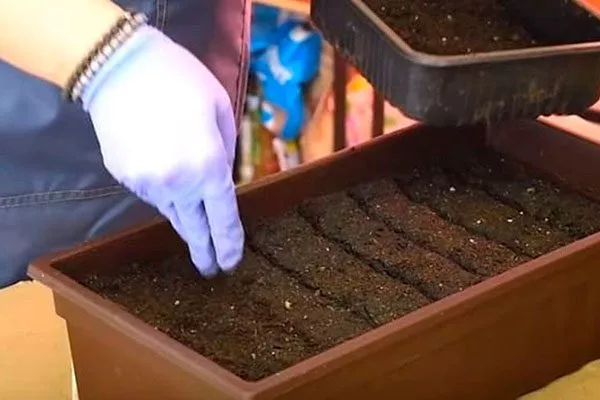
Carry out sowing work following the instructions:
- Fill the prepared container 2/3 full with soil. Moisten it.
- Dig small holes, 1-1.5 cm deep. If you plan to keep the seedlings in a common container, space them 2-3 cm apart.
- Plant a seed in each hole.
- Cover the tomato seeds with soil.
- Water the crops.
- Cover them with plastic wrap to prevent the soil from drying out and creating a greenhouse effect. Keep them in a warm place (22-25°C).
When growing tomatoes indoors, remember that they require a lot of light. In early spring, they will need to be placed under grow lights due to insufficient sunlight. The optimal day length for good growth and proper development of tomato seedlings is 11-12 hours.
Provide additional lighting according to the following scheme:
- around the clock - the first 3-5 days after the emergence of sprouts;
- 18-20 hours - until the seedlings reach 4-5 weeks of age;
- 11-12 hours - for young tomatoes older than 35 days.
Once sprouted, keep the seedlings in a room with a temperature of 18-20°C. A sunny windowsill is a good place for them. A special screen to diffuse the rays is essential. Rotate the pots several times a week to prevent the tomatoes from developing lopsidedly.
Don't neglect hardening off seedlings. This is especially important for plants you plan to transplant outdoors. Gradually acclimate them to cool temperatures, ultraviolet light, and breezes.
Planting and caring for the plant
Select a sunny, draft- and wind-protected area in your garden for the Lezhkiy variety. Ideally, it should have been planted with one of the following good tomato predecessors from the previous season:
- zucchini;
- cabbage;
- carrots;
- radish;
- cucumbers;
- turnips;
- pumpkins;
- mustard and other green manure.
Don't plant a tomato bed in soil where you grew nightshades the previous year. The plants will become diseased and won't produce a good harvest after eggplants, potatoes, or peppers.
Follow the planting pattern recommended for the Lezhkiy variety: 50x60 cm. Place 4-5 bushes per 1 square meter.
Carry out planting work following the step-by-step instructions:
- Make holes in the garden bed.
- Water them with warm, settled water, using 3-5 liters for each.
- After 1 hour, remove the seedlings from the pots along with the root ball. Place them in the holes.
- Add soil to each hole, compacting it lightly. Leave a small depression around the stem to make it easier to water the tomatoes at the roots in the future.
- Finally, moisten the substrate under the seedlings once more. They won't need watering for the next 10-12 days (except during unusually hot weather).
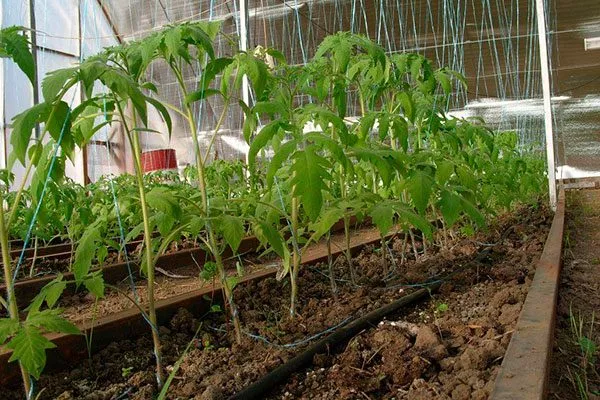
After transplanting the Lezhky seedlings to a new location, provide them with proper and timely care to prevent disease and ensure a bountiful harvest. Follow these steps:
- Water the plantingWater it infrequently but thoroughly. The optimal frequency is 1-2 times a week. Adjust the watering frequency based on weather conditions and precipitation if you're growing the crop outdoors.
During hot periods, water tomatoes frequently: 2-3 times every 7 days. Moisten the soil beneath the bushes to a depth of 20 cm. - Loosen the soil around the stemsPrevent soil crusting in the garden bed. It has a detrimental effect on plant growth and disrupts the water, temperature, and oxygen balance within the soil.
- Do some weedingRemove all weeds that grow near tomatoes. They rob the crop of nutrients and water, increasing the risk of disease and insect attacks.
- Mulch the soil under the bushes. Cover it with a thin layer of peat, humus, or straw. Organic matter helps create an optimal soil microclimate for the successful development of vegetable crops.
- Feed your tomato plants. Two weeks after transferring the seedlings to the garden bed, water them with a solution of ammonium nitrate (10 g of substance per 10 liters of water), enriched with superphosphate (15 g).
After the first fruit sets, fertilize the plants with a similar solution, replacing the superphosphate with the same amount of potassium sulfate. It's also acceptable to boost the strength of bushes that have already begun to bear fruit with potassium humate. Foliar feeding with boric acid dissolved in water is also recommended. - Form a bush into 3 stemsDon't neglect to remove side shoots to ensure all the plant's internal resources and energy are focused on fruiting. Don't overdo it with foliage removal. Removing large amounts and indiscriminately will harm the plant.
Don't skip tying your tomato plants to supports. This will prevent stems from breaking under the weight of the ripening crop and will make caring for the crop easier.
Pros and cons
The late-ripening tomato variety Lezhkiy is popular among domestic gardeners and farmers due to its numerous advantages:
Vegetable varieties also have their drawbacks. They cannot boast high bush productivity, which lacks strong immune protection against late blight. These tomatoes are unable to impress the consumer with a rich palette of flavors. Their tasting qualities are average.
Reviews
Lezhkiy is a late-ripening tomato variety popular among Russian gardeners, characterized by low, spreading bushes. It performs well both indoors and outdoors. Standard agricultural practices are sufficient to ensure a bountiful, high-quality harvest suitable for long-term storage.