
The Los tomato is a new hybrid bred for growing in harsh climates. Its creators strived to incorporate all the best qualities of tomatoes and the wishes of gardeners.
Description of the variety
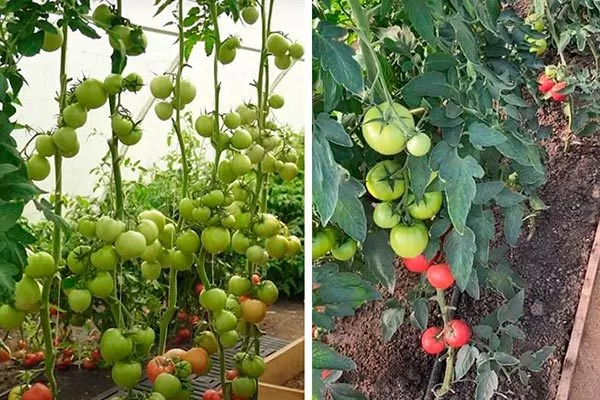
The Los tomato plant grows indeterminately, reaching a height of 2.5-2.7 m when grown in greenhouses; outdoors, the maximum height is 1.5 m. The bushes are vigorous, dense, and well-foliated, with thick, sturdy stems. The leaves are green and medium-sized. A single bush produces 10-12 shoots.
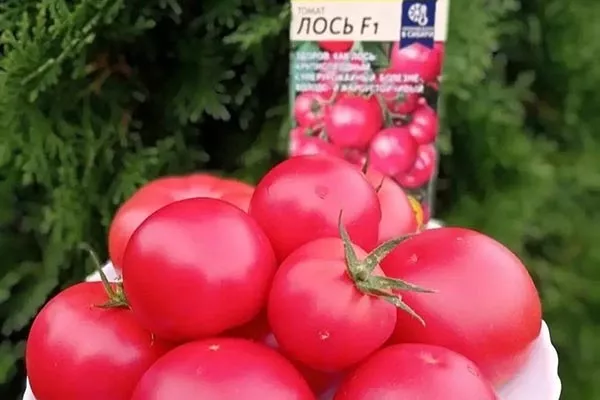
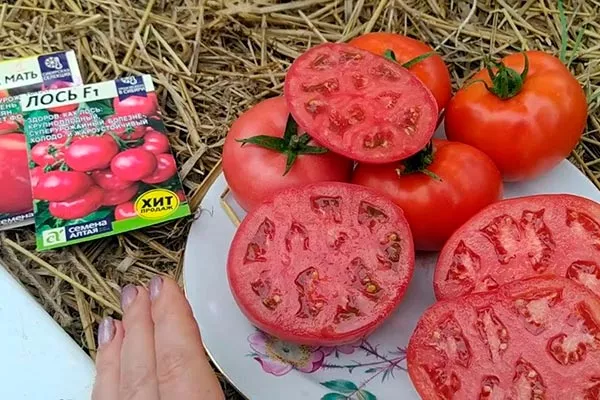
The Los variety produces large fruits. Individual specimens can weigh up to half a kilogram. When fully ripe, they turn pink with a raspberry tint. There is no green spot near the stalk. A cut reveals green seed nests—a feature that indicates the intensity of the flavor.
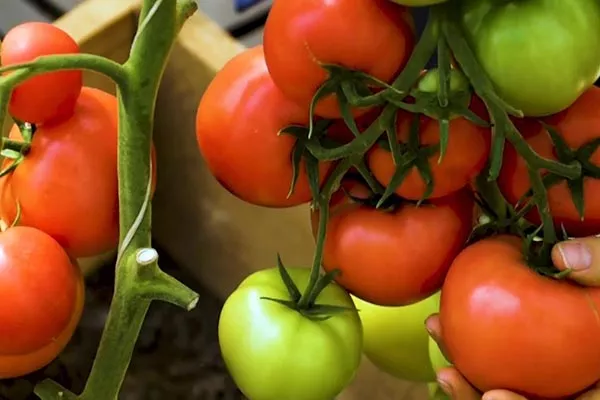
Brief description of fruits:
- Color: raspberry pink.
- Form: round, slightly flattened.
- Skin: smooth, thin, but durable.
- Pulp: dense, fleshy, sugary.
- Weight: 200-250 g
Who and when developed the Los tomato?
The Los tomato is a hybrid developed by the renowned agrofirm Semena Altaya. Its creator is Pavel Saraev. The hybrid has already undergone variety testing and testing in Siberian conditions, has proven itself to be a strong performer, and has become the undisputed sales leader in 2020.
Taste and purpose of fruits
Fully ripened tomatoes have a rich, tomato-like flavor, slightly sweet without being acidic. The aroma is pleasant, classic tomato. The fruits are eaten fresh, used in salads and sliced dishes, snacks, preserves, and tomato juice.
Characteristics
The Los tomato has excellent agronomic characteristics, allowing it to be grown in the most difficult climatic conditions.
Productivity
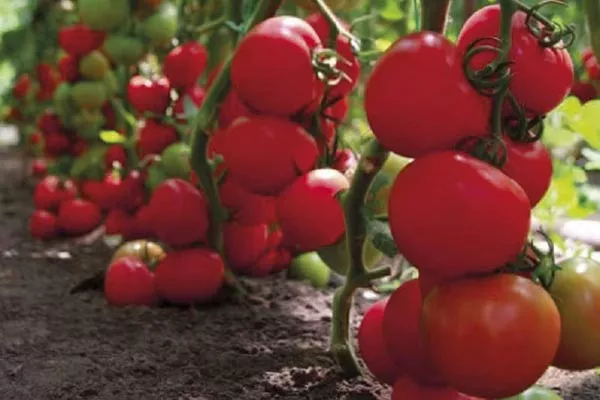
The Los tomato is a high-yielding variety. Its yield is 8-12 kg per square meter. No more than two plants are planted per square meter. With proper care, one plant can produce 30-35 fruits.
Ripening time
The Los tomato is an early-ripening variety. It takes 95-100 days from germination to the ripening of the first fruits. The first tomatoes ripen in late July-early August.
Pros and cons
The new hybrid boasts many valuable advantages that gardeners have already appreciated. Before planting the Los tomato in your garden, it's helpful to familiarize yourself with all its advantages and disadvantages to determine its suitability for your needs.
Landing
The Los variety is suitable for greenhouses and plastic hotbeds, as well as open ground. This hybrid, like most tomatoes, is grown using seedlings. Sowing directly into the ground is ineffective and impractical, as it will prevent a timely harvest.
Seed preparation
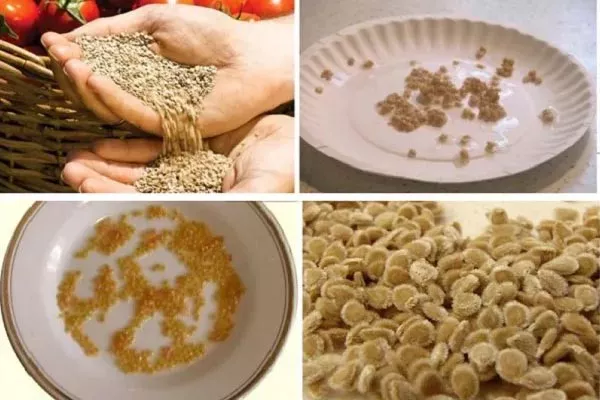
To ensure good germination and strong, healthy seedlings, it's important to use high-quality seeds. It's recommended to calibrate the seeds before sowing—eliminate any non-viable ones by immersing them in a salt solution. Defective seeds float to the top. Collect and discard them, and rinse the remaining seeds under running water.
- ✓ Check the expiration date of the seeds, as old seeds may have low germination rates.
- ✓ Make sure the seeds have been stored properly: in a cool, dry place, away from direct sunlight.
Selecting a site
Choose well-lit areas protected from drafts and wind for planting the Los tomato. Low-lying areas are not recommended, as water accumulates there, causing root rot and plant death.
It's best to choose a site that's level or slightly elevated. The best soils for tomatoes are sandy loam or loamy soils, rich in humus, with good water retention and air permeability. A suitable soil pH is 6.0-6.8.
How to grow seedlings?
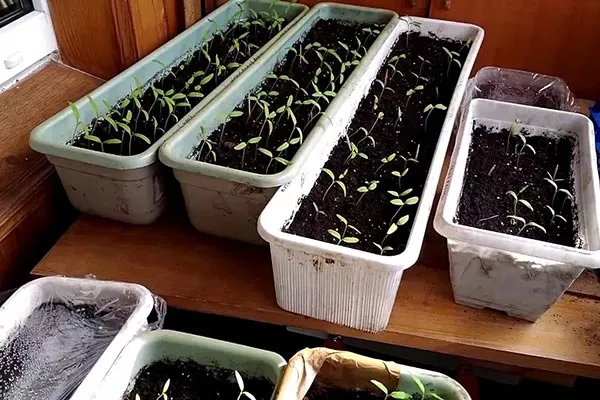
Seeds for seedlings are sown 60-65 days before planting, in March. The seedlings can be grown in a heated greenhouse or indoors on a windowsill, depending on the size of the planting and your resources.
Features of growing seedlings:
- Large containers or plastic cups, peat tablets or pots are used as planting containers.
- The planting container is filled with store-bought soil or a nutrient mixture made from garden soil and vermicompost. The soil must be disinfected first—baked in the oven, doused with potassium permanganate, or boiled over steam. After two days, it is mixed with the store-bought substrate in a 1:1 ratio.
- The soil in the containers is leveled and moistened with a spray bottle. Then, the seeds are placed in furrows or holes, spaced 2 cm apart. The seeds are covered with soil to a depth of 1 cm. The seedlings are covered with transparent film and transferred to a warm, well-lit location. The optimal temperature is 22 to 25 °C.
- Once the seedlings emerge—usually within 1-2 weeks—the cover is removed. The crops are moved closer to the light and, if necessary, supplemented with phytolamps. Tomatoes should receive 12-16 hours of daylight per day.
- Water the seedlings regularly—1-2 times a week. It's important to avoid stagnant water, which can lead to fungal diseases.
- Seedlings are fertilized every 2-3 weeks, applying a complex fertilizer diluted in water to the roots. The first feeding is done 2-3 weeks after the first true leaves appear. A total of 3-4 feedings are performed during the seedling's growth period.
- When the seedlings develop 2-3 true leaves, they are pricked out—transplanted into larger, individual containers, pinching the roots. Pricking out the roots is done on a cloudy day or in the evening to minimize stress on the plants.
- Hardening off the seedlings begins 2-3 weeks before planting them in the ground. If the outside temperature reaches 15°C, the tomatoes can be placed in the garden or on the balcony. Initially, for 1.5-2 hours, then gradually increase the time spent outdoors by about 15 minutes each day.
How to prepare the soil?
Soil preparation begins in the fall. It is dug over, removing plant debris. Humus, wood ash, and superphosphate are added during the digging. After the snow melts, the beds are dug over again.
If the soil is dense, add sand or vermiculite to loosen it. In low-fertility soils, add rotted manure or compost, and ammonium sulfate to improve tomato growth.
It's important to check the soil's acidity and adjust it if necessary. It should be in the pH range of 6-7. To lower acidity, add lime at a rate of 500 g per square meter; to increase it, add sulfur at a rate of 100-150 g per square meter.
Planting seedlings in the ground
Planting times depend on the region's climate. In the south, tomatoes are planted in the ground in early May, in temperate regions in mid-May, and in northern regions in late May or early June.
Features of planting tomato seedlings Los:
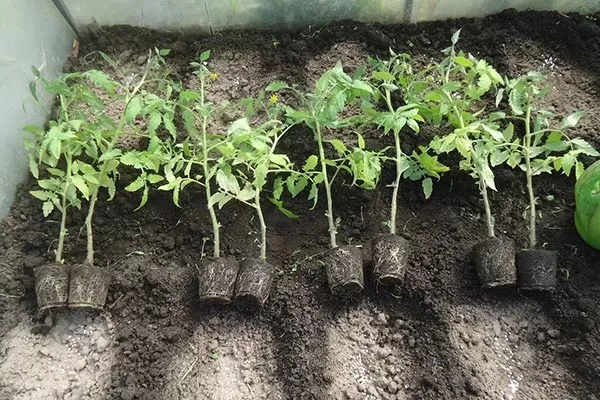
- For planting, prepare holes 15 cm deep and 20 cm wide. They are watered generously in advance to ensure the soil warms up and absorbs moisture. In the north, it is recommended to use raised beds with a layer of organic matter underneath.
- Optimal planting pattern: 40 x 40 cm.
- Planting is carried out in the morning, evening, or in cloudy weather so that the seedlings can quickly adapt and take root in the new location.
- The seedlings are watered to make them easier to remove from the cups. The seedlings in the peat cups are planted along with the "containers." The roots of the seedlings are covered with soil, compacted by hand, and watered with warm, settled water.
The elongated seedlings are planted at an angle; they can also be buried 1/3 deep in the soil.
Care
To achieve the promised harvest, the Los tomato requires proper care. The large bushes require watering, fertilizing, tying, and shaping, and promptly responding to any signs of disease.
Watering mode
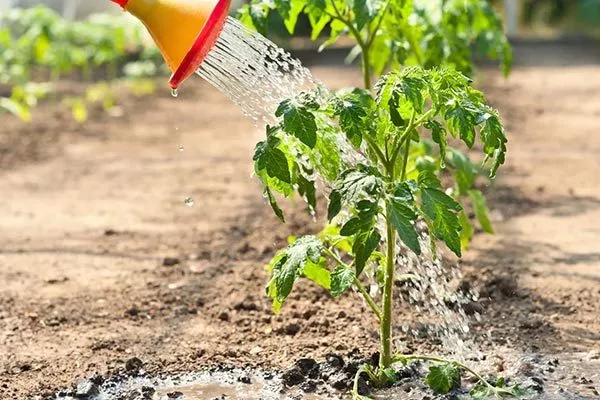
Use sun-warmed water for irrigation. Water tomatoes in the morning or evening, 1-2 times a week. The recommended watering rate per plant is 5 liters. When growing the Los tomato in a greenhouse, drip irrigation is recommended.
Fertilizing
Bushes are fertilized 2-3 times during the season. The approximate frequency of fertilization is once every two weeks. Both organic and mineral fertilizers are used for fertilizing.
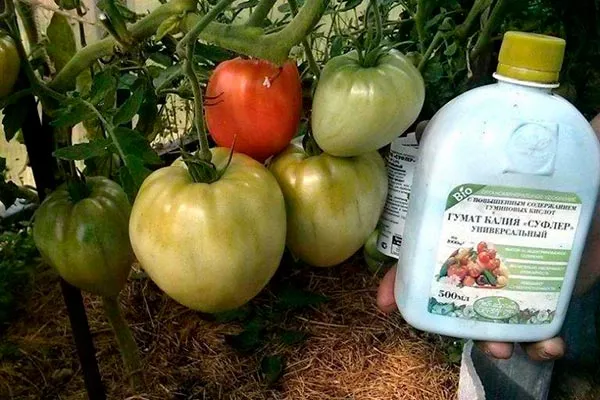
The first fertilizer application is two weeks after planting the seedlings: potassium sulfate and ammonium nitrate. In midsummer, magnesium sulfate is applied, and during the fruit formation stage, potassium sulfate is added. It's important not to overfeed tomatoes with fertilizer, as this will negatively impact fruit quality.
Loosening and weeding
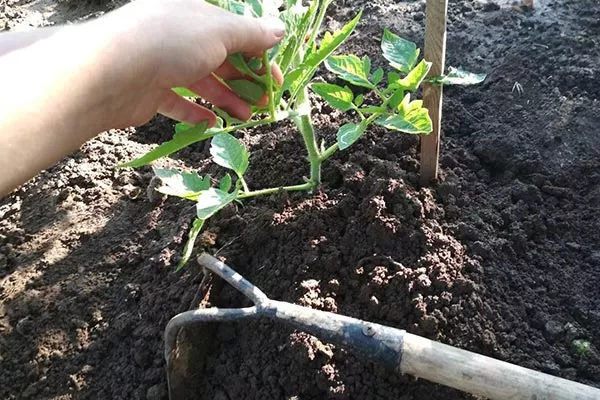
After watering, the tomato beds are loosened and weeded. Regular loosening prevents the formation of a hard crust and ensures the soil is oxygenated. Loosening is done carefully, to a depth of no more than 3 cm, to avoid damaging the surface roots.
Garter and shaping
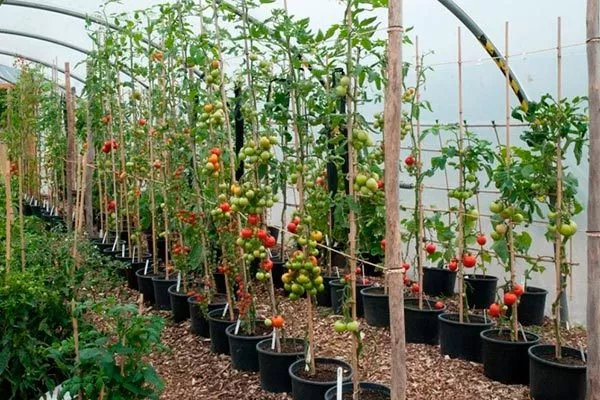
As the bushes and their shoots grow, they are supported. Side shoots—shoots that grow in the leaf axils—are also regularly pruned. The bush is typically trained to have a single stem; this ensures optimal results. Training the bush with two stems increases the risk of splitting during the fruiting season due to the high load.
Diseases and pests
The Los hybrid has a high immunity, but to reduce the risk of infection, regular preventative measures are recommended. Before planting, greenhouses should be dusted with a mixture of wood ash and tobacco dust. Fiosporin can also be used.
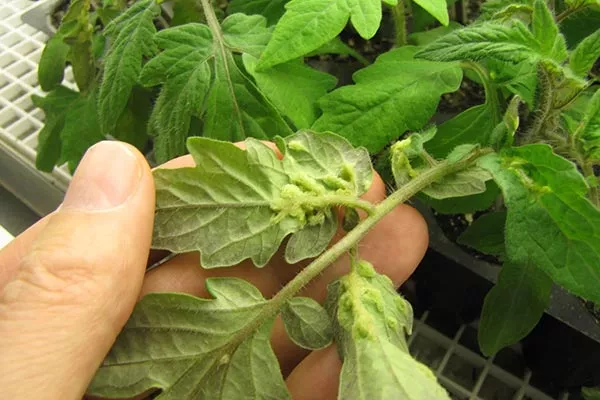
If bushes are affected by late blight, immediately spray them with Hom, Fundazol, or similar products. Alternatively, you can use folk remedies such as a garlic-manganese or iodine solution.
The Los tomato plant can be attacked by rust mites and spider mites, which can be controlled with a solution of laundry soap. The bushes can also be attacked by whiteflies, which can be controlled by spraying with a solution of potassium permanganate.
Harvesting
The Los tomato's fruiting season is extended; the fruits are harvested from July to September as they ripen. Harvesting is done regularly to stimulate the formation of new ovaries. Fruits picked at technical ripeness can be stored for two weeks without loss of marketability or flavor.
Reviews
The Los hybrid is a worthy representative of beefsteak tomatoes and a truly promising variety for regions with short, cool summers. This remarkable hybrid variety possesses all the qualities necessary to top the popularity ratings among Siberian gardeners.