
The Lodochka tomato combines juiciness, a sweet flavor, and high disease resistance. These large, pink tomatoes enhance the flavor of fresh vegetable salads. The compact plants don't take up much space in the garden. Thanks to their early ripening, you can harvest your first crop as early as mid-July.
Description and characteristics of the variety
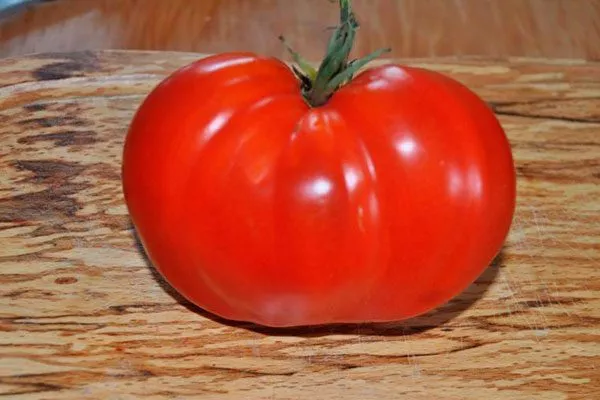
Gardeners who appreciate fresh, juicy vegetables will appreciate the "Boat" variety. This determinate variety grows compactly, reaching 80-100 cm in height. Ripe tomatoes have pink skin and weigh approximately 300 g. Their flat shape makes them particularly attractive.
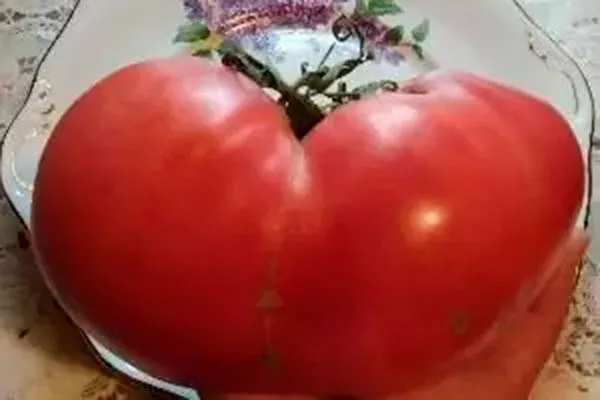
Distinguishing characteristics:
- Taste qualities and purpose. Tomatoes of this variety have a rich, sweet flavor, making them ideal for salads, appetizers, and for making sauces and tomato paste.
- Ripening and yield. The Lodochka tomato ripens approximately 80-90 days after the first shoots emerge. Yields are approximately 8-10 kg per square meter, provided cultivation guidelines are followed.
- Resistance to diseases and pests. The plants are resistant to fungal infections, which helps minimize the risk of disease and ensure stable yields.
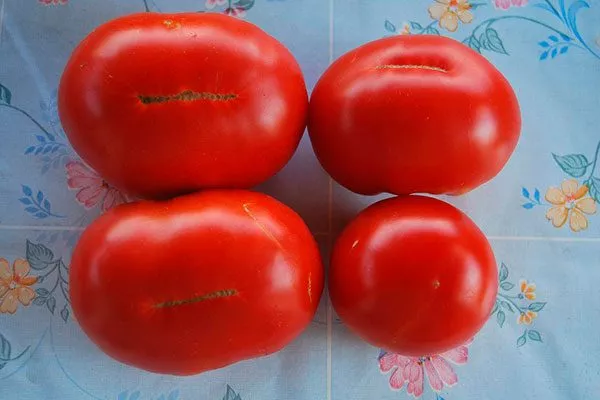
The bushes successfully tolerate temperature fluctuations and short-term drought, continuing to produce tomatoes even in unstable weather. Thanks to its hardiness, Lodochka is suitable for growing in regions with variable climates.
Features of cultivation
Grow tomatoes using seedlings. Before sowing, treat the seeds to improve germination and disease resistance: soak them in a weak solution of potassium permanganate for 20-30 minutes, then rinse with clean water. To stimulate growth, use special solutions such as Epin or Zircon.
- ✓ Maintain soil moisture at 70-75% to prevent drying out or becoming waterlogged.
- ✓ Provide seedlings with 12-14 hours of daylight using phytolamps if there is insufficient natural light.
Follow these recommendations:
- Sow seeds in prepared, nutrient-rich soil consisting of a mixture of garden soil, humus, and peat in a 2:1:1 ratio. Plant seeds 1-1.5 cm deep and space them 2-3 cm apart.
Cover the containers with plastic wrap or glass and place them in a warm place with a temperature of +25°C. Once the seedlings emerge, remove the plastic wrap and reduce the temperature to +20°C. - When the seedlings develop 2-3 true leaves, transplant them into individual pots. This helps develop a strong root system.
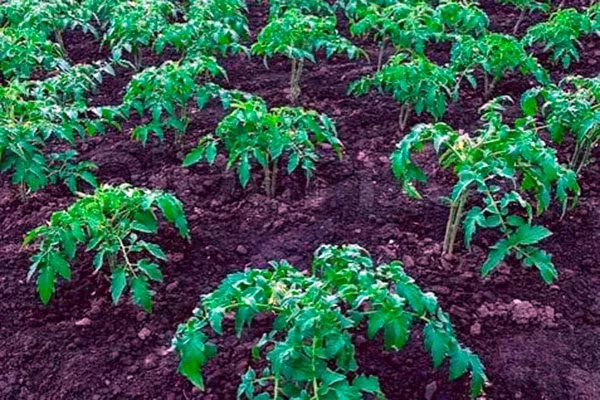
- Plant 50-60 day-old seedlings outdoors or in a greenhouse once the danger of frost has passed and the soil temperature has warmed to 15°C. Planting pattern: 40-50 cm between plants and 60-70 cm between rows.
Caring for the Boat tomato
To ensure your crop produces bountiful harvests and is free from problems, ensure it receives proper and comprehensive care.
Perform simple agricultural practices:
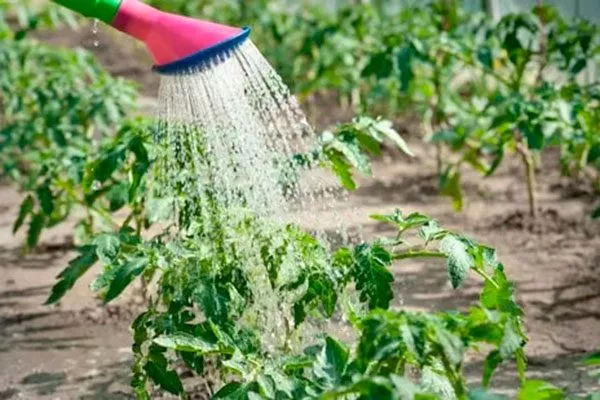
- Watering. Water the bushes regularly, especially in the first few weeks after transplanting, to ensure the plants establish well. Use warm, settled water, pouring it under the roots to avoid getting wet on the leaves. Subsequently, water the plants 1-2 times a week, increasing the frequency as the tomatoes develop.
- Top dressing. 10-14 days after repotting, apply organic fertilizers—cow manure or bird droppings infusion, or complex mineral mixtures. Apply the second fertilizer during the flowering phase, focusing on phosphorus and potassium nutrients to stimulate fruiting.
- Soil care. After each watering, loosen the soil to improve oxygen access to the roots. Mulch the beds with straw, peat, or humus to retain moisture and prevent weed growth.
- Formation of bushes. Train plants with 1-2 stems. Remove side shoots (suckers) to allow the plants to focus their energy on fruit development. Remove side shoots regularly, leaving a small stump about 1 cm long.
- Garter. Secure the plants to a support to prevent the stems from breaking under the weight of the vegetables. Use soft cloth or special tying materials to prevent damage to the stems.
- Prevention of diseases and pests. To prevent disease, treat your plants with biological products, such as Fitosporin, or with folk remedies—garlic infusion is effective. Use insecticides against pests (for aphids, use Aktara or Inta-Vir, and for spider mites, use Fitoverm).
Reviews
Both novice and experienced gardeners choose the "boat" variety because it's easy to care for and requires little effort or knowledge to cultivate. Its juicy, large vegetables make it possible to prepare a wide variety of dishes. Their compact size allows for planting enough plants in a small space to ensure a harvest lasting the entire season.