
The Lyrica tomato is renowned for its quick ripening compared to other varieties, but it also has other advantages worth carefully considering when deciding whether it's worth growing in your garden. The bush is compact and small, but during the final stages of growth, its stems require staking, as the fruits become very heavy.
Description of the bush and fruits
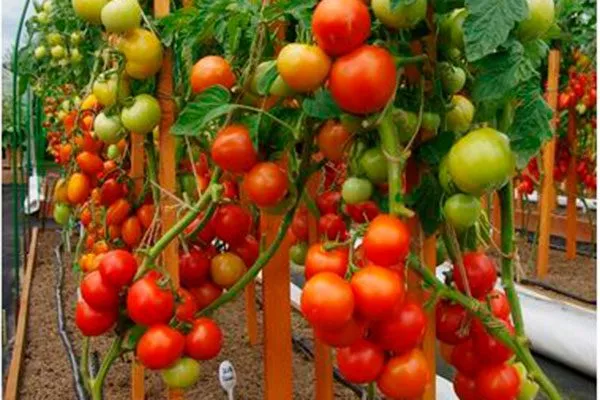
This is an F1 hybrid with a low growth habit and determinate growth habit. The bush reaches a maximum height of 65-75 cm. The trunks are sturdy and have a deep green hue. Due to their reduced size, the bushes do not require support, but this is only true if the branches produce a limited number of fruits.
Other varietal characteristics:
- The leaf blade is medium-sized, rich green, and matte. Its surface features a visible central cross-section, veins, and pubescence. In severe drought or direct sunlight, the leaves may curl or bend.
- The first flower buds appear under the fourth pair of leaves from the bottom, and the next ones - one leaf later.
- Six to eight fruits form on a single branch. To increase the yield, buds can be thinned. The recommended number of stems for a bush is four to five.
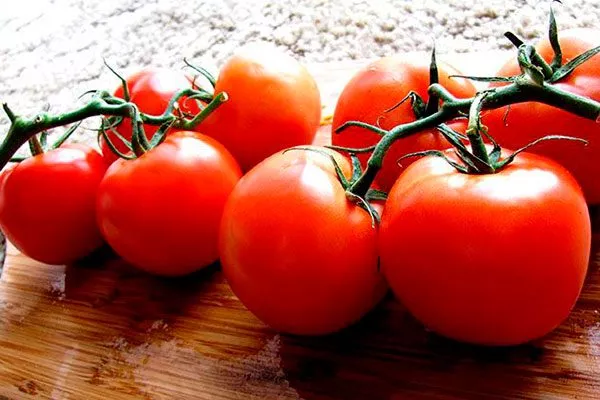
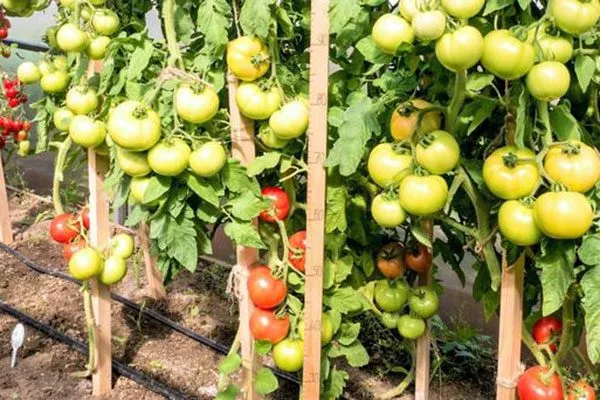
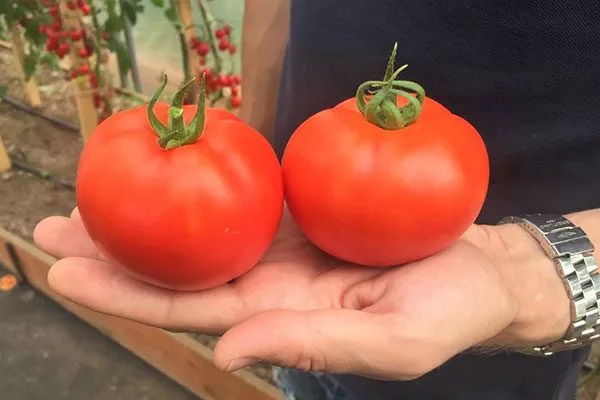
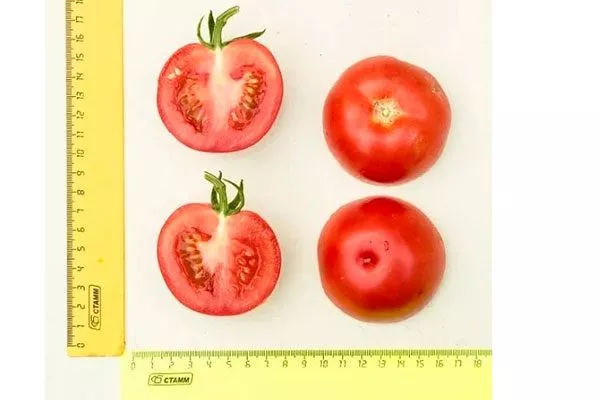
- The hybrid's fruits are medium-sized, round or slightly flattened, with some ribbing at the base of the stalk. The color of the fruits is red when ripe, and light green when unripe.
- The fruit's skin is firm and does not crack. The average weight of a single tomato is 135-140 g, with larger fruits growing on the lower branches and ripening early in the season, weighing up to 180-200 g.
- The flesh is red, juicy, firm, and fleshy, with a slight wateriness. Inside are two chambers containing a small number of small seeds.
Main characteristics and history
The Lyrica hybrid is characterized by its early ripening. It is one of the first to begin providing vegetable growers with its produce, whether in greenhouses or outdoors. In regions with mild climates, Lyrica seeds can be sown directly into the garden, and thanks to their high germination potential, they will germinate on their own.
Origin and regions
In 2017, the agricultural firm "Partner" began developing a new tomato variety. The project's goal was to create a variety with a short ripening period and an early start to harvest. The developer, breeder O. D. Kiramov, presented the Lyrica F1 hybrid, which was approved for agricultural use in 2018.
Among the regions and districts where this hybrid is actively cultivated, the following stand out:
- Moscow region;
- Northwest;
- Far East;
- Center of the country;
- Eastern Siberia;
- Volga-Vyatka;
- Western Siberia;
- North Caucasus;
- Ural;
- Middle Volga region.
Ripening and fruiting, productivity
The Lyrica tomato begins bearing fruit early—in open ground conditions, the vegetables reach maturity in 95 days, while in greenhouses, this occurs in 75-80 days. The fruits are densely packed on the bush, but they ripen gradually, so the harvest is collected in several stages from July to September.
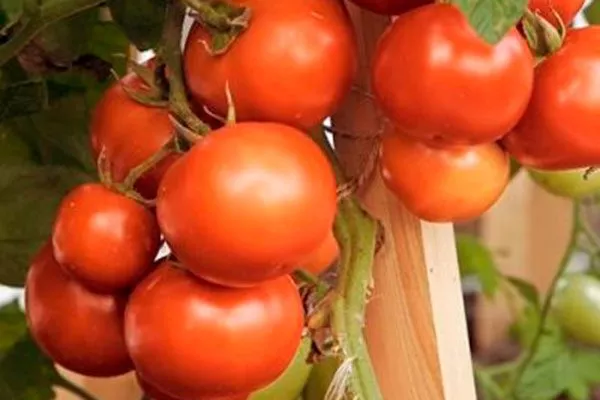
Various sources indicate that a single Lyrica bush can yield between 3 and 6 kg of tomatoes. These figures depend largely on growing methods, agricultural practices, and weather conditions:
- from one bush you can get from 3 to 3.5 kg in open ground, and in a greenhouse - up to 4-6 kg;
- from 1 sq. m In open ground they harvest 12-15 kg, and in a greenhouse – 16-20 kg.
To ensure high productivity, it is recommended to grow Lyrica in a greenhouse, ensuring proper watering, regular fertilizing, and other agricultural requirements:
- well-thought-out ventilation of the greenhouse;
- preventive treatment of plants against diseases;
- strengthening bushes on a support;
- forming a bush into 2 or 3 stems;
- removal of all stepsons before the first flower-bearing brush appears.
Scope of application
The aroma and flavor of tomatoes are determined by the quality of the soil. However, despite this, the Lyrica variety failed to earn a rating higher than 4 (good) in the tasting. The flavor of these tomatoes is delicate, with a slight sweet and sour accent and a noticeable tomato aroma.
Tomatoes have a high juice content, making them an ideal ingredient for a variety of dishes and canning:
- sauces;
- salads;
- cutting;
- soups;
- side dishes;
- lecho;
- tomato juice;
- tomato puree;
- adjika.
In addition, the strong skin and compact size of tomatoes make them an ideal choice for whole canning, pickling, and marinating.
Resistance to diseases and pests
One of the key characteristics of Lyrica is its excellent resistance to diseases such as:
- tobacco mosaic virus, which has a negative impact on the plant;
- late blight, a fungal disease that leads to putrefactive processes;
- Alternaria, another fungal disease that affects the leaves, stems, and fruits of the plant.
These diseases are serious problems for tomatoes, so the presence of resistance to them in a hybrid becomes a particularly valuable quality.
Planting seedlings
Growing the Lyrica tomato is done using two methods:
- Without using seedlings: Seeds are sown in the soil no earlier than mid-May under a protective cover. In this case, the harvest can be harvested no earlier than early August.
- Using seedlings: A classic method that allows you to enjoy tomatoes as early as the end of June.
Choosing the optimal time for sowing isn't difficult. Every vegetable grower knows when the threat of frost is past in their region. From this date, count back 50-60 days. If for some reason sowing is delayed, don't panic – to stimulate seed germination a week earlier, simply perform a wet germination procedure with heating.
It looks like this:
- the seeds are placed in a damp cloth;
- it is packed in a plastic bag;
- transfer to a warm place for 3-4 days;
- then the heated seeds are removed;
- Only those that have shown signs of vital activity are sown.
Partner's planting material boasts a 100% germination rate. It doesn't require preheating, as the manufacturer has already done all the necessary work. While these seeds can be expensive, given their yield, vegetable growers are always satisfied with the results.
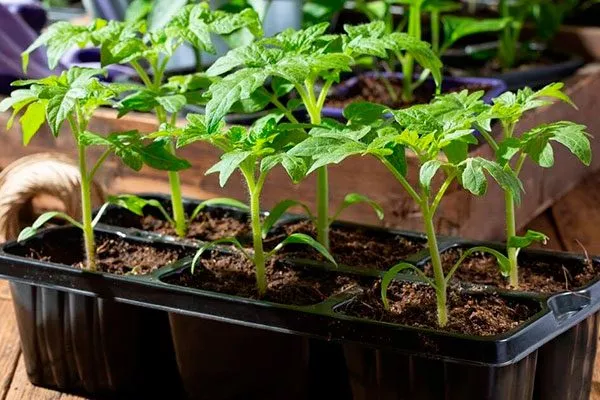
Seeds are sown in group containers. After filling them with soil, the seeds are distributed, covered with soil, and sprayed with water.
Further actions and rules:
- Before the emergence of seedlings, the optimal thermometer readings are 22-24 degrees Celsius; after the emergence of seedlings, the daytime temperature should not be lower than 22 degrees, and at night – not higher than 19 degrees.
- Once visible shoots have emerged, the seedlings should be provided with maximum light. This will prevent the development of blackleg and excessive stem elongation.
- The transplanting process begins when the plant has reached the two true leaf stage. Tomatoes are placed in individual pots, filled with growing medium up to the cotyledon level.
- During the first day after picking, seedlings must be protected from direct sunlight.
Seedling care will include:
- When watering, it should be generous enough to allow water to flow out of the pot through the drainage holes. Be sure to use water that is 1-2 degrees warmer than room temperature.
- Fertilizing is only necessary if you are using soil from your garden, but if you are growing seedlings in a universal purchased substrate, then no fertilizing is required;
- ventilation, which is recommended to be done daily for 10-15 minutes.
Hardening before transplantation begins 12-15 days in advance, starting with short exposure to fresh air for 10-15 minutes, the time is gradually increased by 15-20 minutes every day.
Planting in open ground or greenhouse
When choosing a suitable location, choose a sunny spot away from cold drafts. For transplanting, make holes in the ground spaced 45-50 cm apart. Immediately after planting, water and install stakes for support.
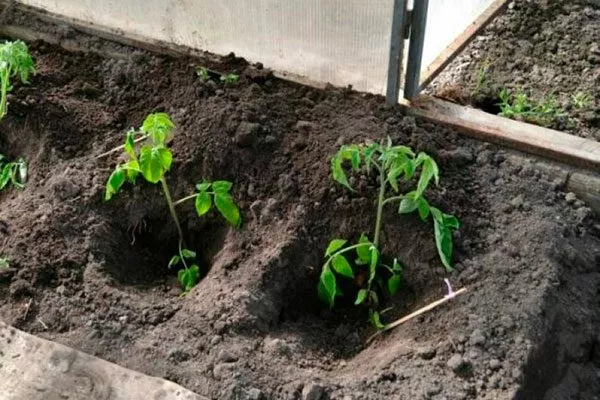
Strict adherence to the staking system is key to successful harvesting, as the medium-large fruits that form in large quantities on the Lyrica tomato do not allow the stems to support their weight on their own.
Further care of tomatoes
The Lyrica tomato is a generous producer, but it requires nutrients for fruit development. Therefore, it's important to use fertile soil combined with regular fertilization to achieve high-quality produce.
Top dressing
Tomatoes can be fertilized with both mineral and organic mixtures. Among the mineral ones, the following are preferred:
- ammonium nitrate;
- Superphosphate;
- potassium monophosphate.
Organic ingredients that have been proven effective include:
- cattle manure;
- horse and pig manure;
- bird droppings;
- mature compost.
Modern agrochemical companies offer a wide range of highly effective complex fertilizers that provide tomato plants with not only essential but also supporting micronutrients. Any agricultural store offers professional advice and the ability to select the right fertilizer.
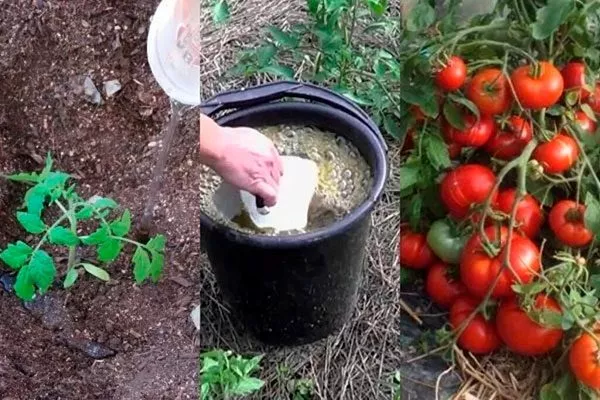
The tomato fertilization scheme looks like this:
- After repotting, allow the plants to adapt for about 25 days. Then, apply the first nitrogen fertilizer. To do this, dissolve 2 tablespoons of ammonium nitrate in 10 liters of water and pour 500 ml under each plant.
- The second feeding is carried out 2-3 weeks after the first. During this period, it's important to closely monitor the plant: if the vegetative mass is insufficient, nitrogen is needed, and if the plant is growing vigorously, it's advisable to add phosphorus and potassium.
- The third feeding is required 15-18 days after the second, but without nitrogen.
Moisturizing
Watering tomatoes is more important than using mineral fertilizers, as many soils contain minerals for many years to come, but these are unavailable to tomatoes. Only moisture can dissolve them. When watering, follow these guidelines:
- regularity;
- depth so that the root ball is saturated throughout the entire root system;
- using warm water.
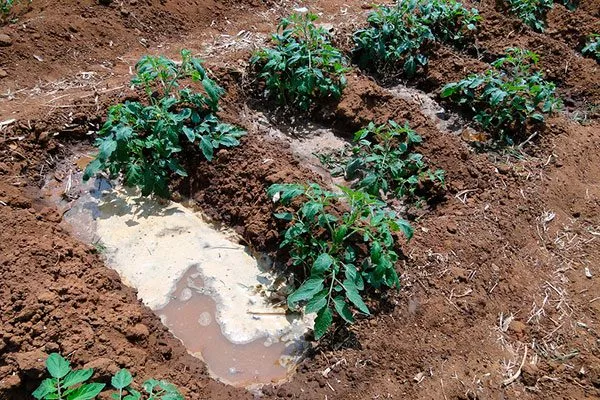
The Lyrica tomato plant does not require intensive removal of side shoots. It is crucial to begin forming a bush with 4-5 main shoots, and then they will appear infrequently, which significantly simplifies the gardener's work.
Pest and disease control
Tomato plants are often a target for various pathogens and pests, but only an experienced gardener can detect their emergence early and prevent further spread of diseases. Therefore, it is important to carefully monitor the condition of the plants.
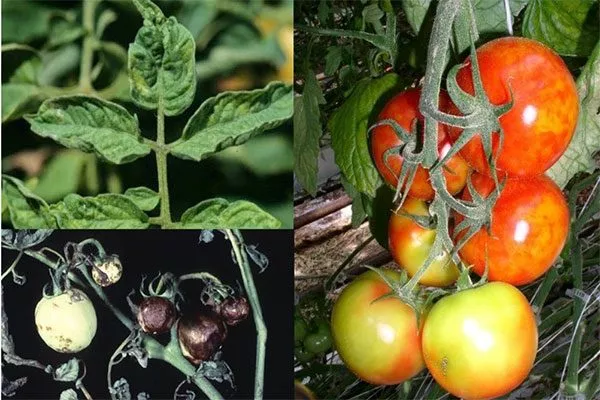
The key to combating diseases and pests is identifying conditions that favor the active reproduction of pathogens. These include:
- morning fogs and heavy dew;
- daytime heat and nighttime coolness, which promote the formation of dew;
- prolonged rains;
- sharp and prolonged cold snaps.
Crop rotation is an excellent disease prevention method. When choosing a location for tomato plants, consider where tomato and potato beds were previously located. Avoid planting after nightshade crops, which can reduce the risk of infection by 50%.
According to vegetable growing experts and their practical observations, it's best to use fungicides sequentially. It's recommended to purchase them in advance, for example, before winter. This will prevent pathogens from developing resistance to the active ingredients.
Drugs that have proven particularly effective:
- Quadris;
- Strobe;
- Revus;
- Thanos;
- Novosil;
Pros and cons
Having studied the key characteristics of this tomato variety, we can confidently identify its strengths and weaknesses.
An important addition is the lack of obvious drawbacks to Lyric, which further explains its popularity. However, there are some downsides:
Reviews
The Lyrica tomato is an ideal variety for low-maintenance plantings in central and other regions of our country. It requires minimal care, and produces large quantities of fruit quickly. Thanks to its hybrid form, these tomatoes are resistant to many adverse factors.