
Limerence tomatoes are prized for their excellent flavor, large size, and attractive raspberry hue. This variety is distinguished not only by its high productivity but also by its high resistance to diseases and adverse weather conditions. These tomatoes are used for canning and fresh salads, and they withstand transportation well.
Origin and growing regions
The originator, applicant, and developer of this variety is V. Blokin-Mechtalin, director of the company "Partner." This company is well known among vegetable growers and occupies a prominent place in the planting material market, offering a wide selection of interesting varieties.
In 2019, the Limerence hybrid was added to the Register of Breeding Achievements of Russia and recommended for cultivation in all regions of the country. It is suitable for both open-field and greenhouse cultivation.
Description of the bush and fruits
It belongs to the determinate type and has a universal purpose. Distinguishing characteristics:
- Low-growing plants reach 50-60 cm, remaining compact and not taking up much space.
- During the growing season, a small number of stems are formed, covered with small dark green leaves, which promotes uniform ripening of the fruits due to good access to sunlight.
- The inflorescences are simple: the first one forms after the 6th-7th leaf, then at intervals of 2-3 leaves. A single cluster produces up to eight tomatoes.
- Unripe tomatoes are green, but as they ripen, they acquire a rich crimson hue. There is no spot near the stem.
- The average weight of one vegetable is about 120 g.
- The fruits are round, slightly ribbed, and have a distinctive "nose." The glossy, thin, yet firm skin conceals dense, juicy pink or red flesh. The tomatoes are uniform in size and smooth.
- When cut, there are no white veins, and 4-5 seed chambers with small grains are formed inside.
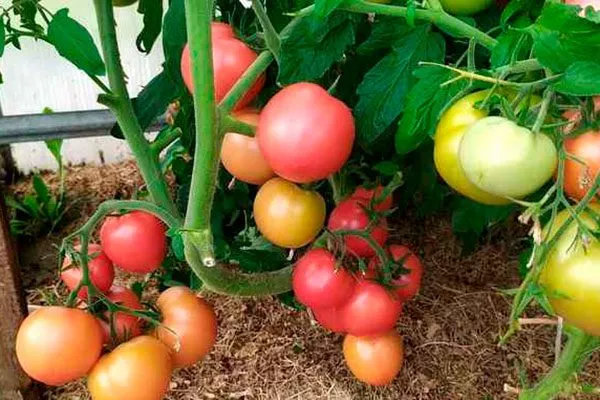
The Limerence hybrid is distinguished by its high taste qualities.
- ✓ Resistance to temperature fluctuations in the range from +5°C to +35°C.
- ✓ Self-pollination ability, which increases yields even in conditions of limited insect access.
Main characteristics
This variety boasts numerous advantages, making it popular among domestic vegetable growers. It produces uniform tomatoes in large quantities.
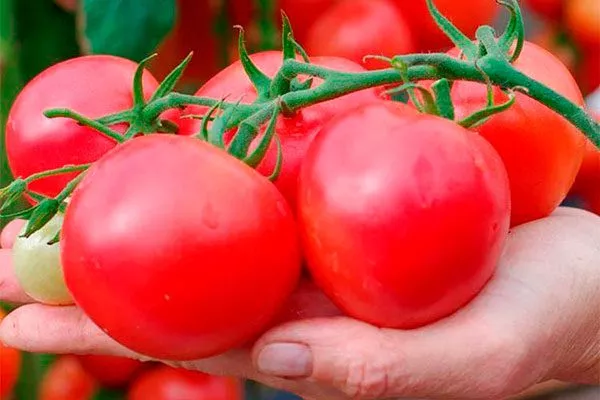
Ripening and fruiting, productivity
This is an early-ripening hybrid—it takes 90-95 days from germination to full ripening. During this period, the young shoots develop into strong bushes and produce consistent fruit. Fruiting begins in July and continues until August.
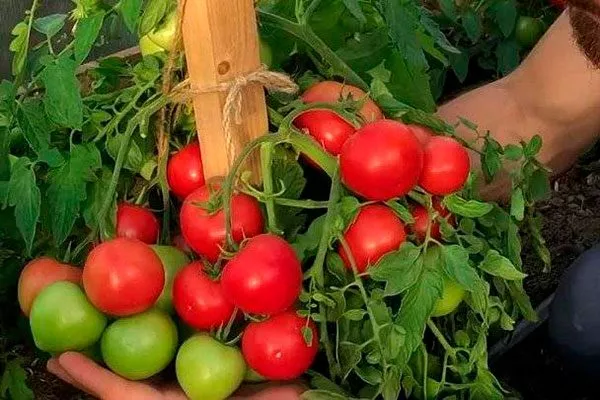
This hybrid is characterized by high yields: up to 15.8 kg of tomatoes are harvested per square meter, and over 3 kg per bush. Productivity depends on planting density.
Scope of application
Limerence is officially recognized as a salad variety, but many vegetable growers successfully use it for canning. The only drawback is its thin skin, which can crack when exposed to boiling water, which is why it was not designated as a general-purpose variety.
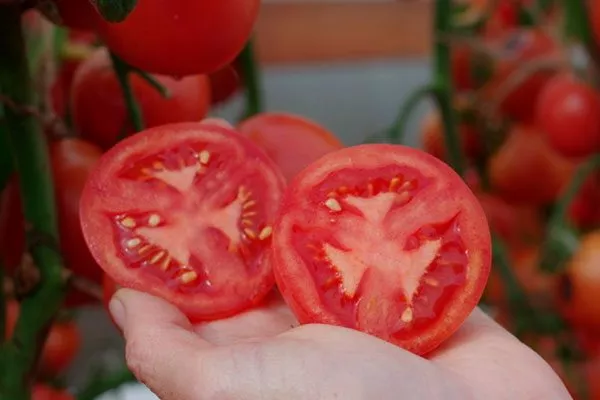
Pink, round tomatoes are perfect for slicing and fresh salads. However, they also look attractive whole, and their playful "nose" makes them even more appetizing.
Planting principles
When growing Limerence tomatoes, it's important to follow certain rules. The optimal location for planting seedlings is the southeast corner of the garden, where the morning sun will provide the plants with good light.
- ✓ The optimal soil temperature for planting seedlings should be at least +15°C.
- ✓ The distance between rows should be at least 60 cm to ensure sufficient aeration and lighting.
Pre-planting soil work
Prepare the soil for growing the crop 1-2 days before planting. Follow these steps:
- Clear the area of weeds and dig to the depth of a shovel blade.
- At the same time as loosening, add rotted manure and wood ash.
12 hours before planting, additionally disinfect the soil using a Trichocin solution.
Selection and germination of seeds
To maximize seed germination and protect plants from diseases, pre-treat them. Sow from late February to the first week of March.
Follow the instructions:
- Soak the planting material in a salt solution (20 g of salt per 1 liter of water) for 15 minutes. Discard any seeds that float to the surface.
- Disinfect them by immersing them in a weak pink solution of potassium permanganate for 20 minutes.
- Place the seeds in small round pots (9.5-11 cm) with sandy-peat soil, keeping a distance of 1.4-1.7 cm. Sprinkle with a layer of soil of 1.8-2 cm.
Place the containers with seedlings in a well-lit room. Maintain the temperature at 23°C for the first 20-25 days, then reduce to 19°C.
Planting mature seedlings: timing and method
Plant seedlings at 60-65 days of age, when they have at least five green leaves. In the central part of the country, this period occurs in mid-May, and in the southern regions, in the first ten days of the month. Transfer the seedlings to the ground in the evening.

Optimal care methods
Limerence tomatoes are characterized by their low maintenance and ease of cultivation. However, to achieve a high yield, basic agricultural practices are necessary.
The principle of irrigation and conditions for applying fertilizers
The bushes tolerate hot weather well, so water the plants once a week. Avoid overwatering to prevent root rot. Use only settled water for irrigation, and pour it directly at the roots.
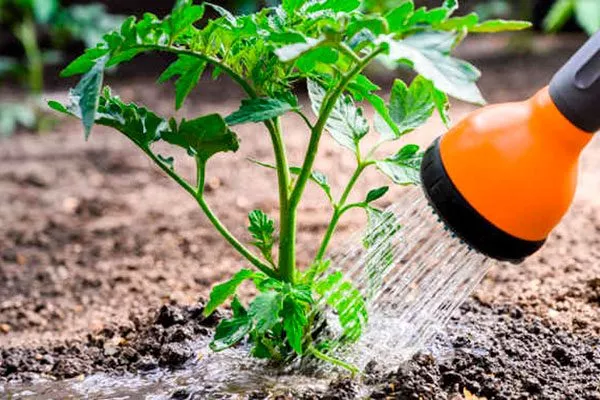
Water in the evening to avoid sunburn. For Limerence tomatoes, infrequent but nutritious feeding will ensure sweet and juicy fruits.
Fertilize the crop four times per season:
- 2.5 weeks after transplantation – urea dissolved with superphosphate;
- after the beginning of flowering – dried humus with boric acid;
- when vegetables begin to set - ash mixed with potassium magnesium sulfate;
- in the second week of fruiting - monophosphate with carbon chips.
Other work with soil and bushes
Loosen the soil to increase aeration. This helps water and nutrients penetrate better to the tomato roots.
Important recommendations:
- Regular fluffing helps prevent crust formation on the surface, improving water drainage.
- Weeding removes weeds, which compete with shrubs for nutrients and moisture. Clearing vegetation helps reduce the spread of diseases.
- Mulching helps retain soil moisture, which is especially important in hot weather. The protective layer prevents weeds from growing. This practice improves the soil structure and enriches it.
- Despite the compact size of the plants, pinching out side shoots is essential. During flowering, remove the lower leaves and all shoots growing in the axils. During the fruiting phase, remove small shoots that do not bear ovaries or fruit.
Taken together, these procedures significantly improve productivity and strengthen crop health.
Diseases and pests
The Limerence hybrid rarely encounters diseases, except under significant agricultural practices. However, the bushes can be damaged by certain insects:
- Ants. They are especially common in dry climates and among weeds. They not only damage foliage but also carry aphids. To control them, find and destroy the nest, then treat the area with Aktara, and the infested plants with Muratox.
- Shield bugs. They migrate to tomatoes from berry bushes. Small bugs develop during periods of severe drought. They do not tolerate herbal infusions (burdock, calendula, nettle). To kill the pests, spray the plants with Halphos or Cortlis. Ferns and black cohosh planted nearby are effective.
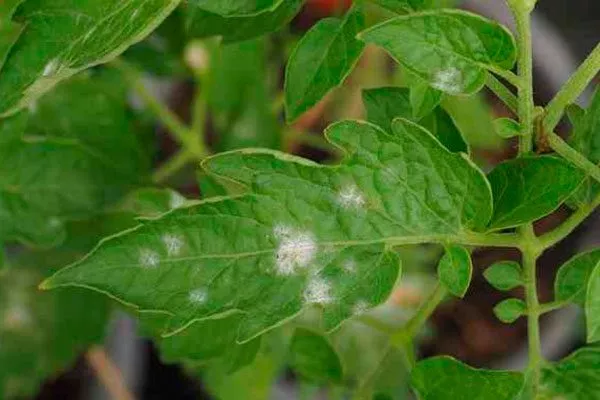
The crop can be affected by anthracnose, a fungal disease that occurs in hot, humid weather. Reddish-black spots, resembling burns, appear on the fruit. Use Polyram or Kumulus for treatment, and ferrous sulfate for prevention.
Harvesting Features
The fruits of this variety begin to ripen as early as June 10th. This process occurs quickly and intensively—the bushes are literally covered with tomatoes, obscuring the foliage.
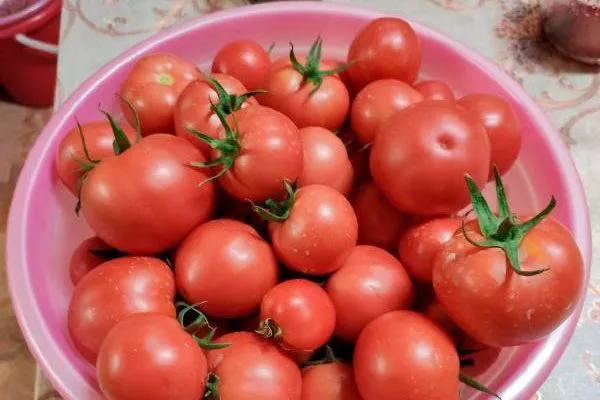
Follow these recommendations:
- Pick the vegetables from the vines in the morning, carefully picking up each tomato in your palm and cutting off the stem with scissors.
- After picking, carefully wipe the fruits with a thin towel and place them in a plastic bag.
Pros and cons
The hybrid has a number of advantages that appeal to many vegetable growers. The main advantages of Limerence are:
No negative characteristics were identified in the variety.
Reviews
Limerence is an excellent choice for those looking for a reliable and tasty tomato variety. It will delight you not only with its early tomatoes, but also with its low-maintenance, disease resistance, and ease of care. This hybrid adapts well to a variety of conditions, delivering a consistent harvest with minimal attention, making it an ideal choice even for inexperienced gardeners.