
The Lydia tomato is a productive mid-early hybrid with an indeterminate growth habit. The fruits are round, firm, and richly flavored, making them ideal for fresh eating and processing. This variety is disease-resistant, tolerates temperature fluctuations, and grows successfully in greenhouses and open ground.
Origin, description of the bush and fruits
This variety was developed by breeders S. I. Ignatova and N. S. Gorshkova, representing Agrofirma Partner LLC and the Federal Scientific Center for Vegetable Growing. It was officially approved for cultivation in 2000. The hybrid continues to grow and develop throughout the season.
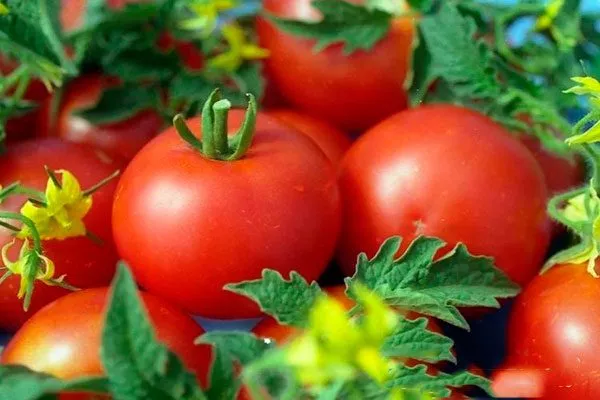
Distinguishing characteristics:
- bushes – medium-sized, compact, with small green leaves;
- inflorescences – simple, the first one is formed above the 7th leaf, and the subsequent ones appear every 3 pieces;
- tomatoes – have a rounded configuration and medium size;
- weight - is about 158 g;
- color - unripe specimens are green with a dark spot at the base, and when ripe they acquire a rich red hue;
- pulp – dense and fleshy;
- skin – smooth.
This variety is prized for its harmonious flavor. A single cluster typically produces 6 to 7 fruits, which contributes to high yields and saves space during cultivation.
Characteristics of tomato varieties
The Lydia tomato has many advantages that make it popular among vegetable growers. It boasts a pleasant flavor and versatility.
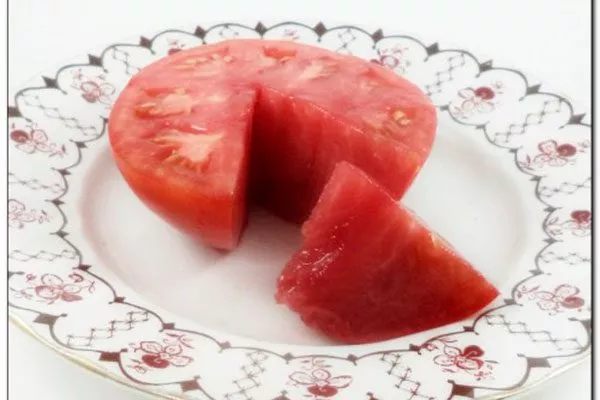
Key Features:
- Ripening period, productivity. This mid-early variety ripens approximately 101 days after germination. One of its main advantages is its high yield. According to breeders, 10 to 12 kg of vegetables can be harvested per square meter.
- Resistance to diseases and pests. The hybrid has strong immunity and good resistance to dangerous diseases, including cladosporiosis, tobacco mosaic virus (TMV), and fusarium wilt. This increases the reliability of cultivation and reduces the risk of crop loss.
The variety is ideal for:
- Fresh salads. Tomatoes are a wonderful addition to vegetable salads, adding juiciness and a subtle sweetness. Their balanced flavor pairs harmoniously with herbs, cheese, and dressings.
- Soups and sauces. Their meaty texture and pleasant aroma make tomatoes an ideal ingredient. They add body and a subtle acidity, enhancing the depth of flavor.
- Canning. This variety is well suited for winter preservation. The vegetables are used to make sauces, purees, and tomatoes in their own juice.
- Baked and grilled dishes. The fruits are heat-resistant. Baking adds a caramelized flavor, while grilling imparts a light, smoky aroma. Sliced and seasoned, they make a wonderful accompaniment to meat or fish.
- Juices and cocktails. Tomatoes make delicious and refreshing drinks. Their rich color, pleasant sweetness, and mild acidity make them not only healthy but also incredibly appetizing.
Lydia tomatoes are versatile and a wonderful complement to a variety of dishes. They're even used as a pizza base.
Growing techniques for Lydia tomatoes
To obtain a bountiful harvest, it's important to follow basic care procedures and certain recommendations. Below are the key stages of cultivating this variety.
Selecting a planting site and preparing the soil
Plant the bushes in a sunny, well-ventilated area protected from strong drafts. Ideal predecessors include legumes, onions, carrots, cabbage, and green manure. Avoid growing tomatoes after potatoes, peppers, and eggplants to reduce the risk of common diseases.
- ✓ Soil pH should be between 6.0-6.8 for optimal nutrient absorption.
- ✓ The soil must be well-drained to avoid waterlogging and root rot.
In the fall, dig over the area and add organic fertilizers such as humus, compost, or wood ash. In the spring, before planting, deeply loosen the soil and add minerals such as superphosphate and potassium sulfate. To disinfect the soil, water it with a weak solution of potassium permanganate or Fitosporin.
Sowing and growing
Growing the Lydia tomato usually begins with seedlings. Follow these guidelines:
- Sow the seeds 55-60 days before transplanting. Before planting, disinfect them in a potassium permanganate solution or soak them in growth stimulants.
- Sow in a light, fertile soil mixture, planting the seeds 1-1.5 cm deep.
- Cover the containers with plastic wrap or glass and place them in a warm place with a temperature of 22 to 25°C. Once the seedlings emerge, remove the cover and reduce the temperature to 18 to 20°C to prevent the seedlings from stretching.
- When 1-2 true leaves appear on the seedlings, transplant them into separate containers.
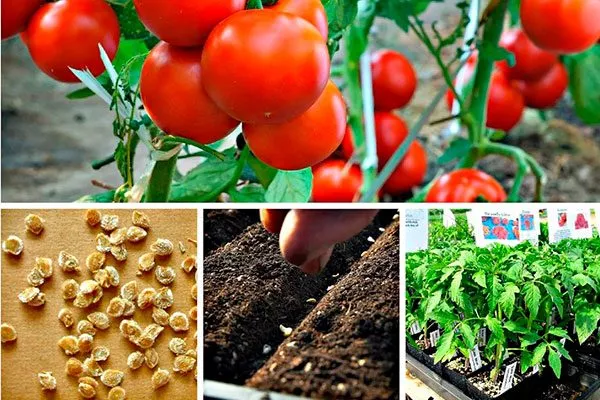
Two weeks before planting in the ground, begin hardening off the seedlings, gradually acclimating them to outdoor conditions.
Plant care
After transplanting to the garden, water the tomatoes regularly with warm, settled water, pouring it under the roots. The optimal watering frequency is 1-2 times a week, depending on the weather.
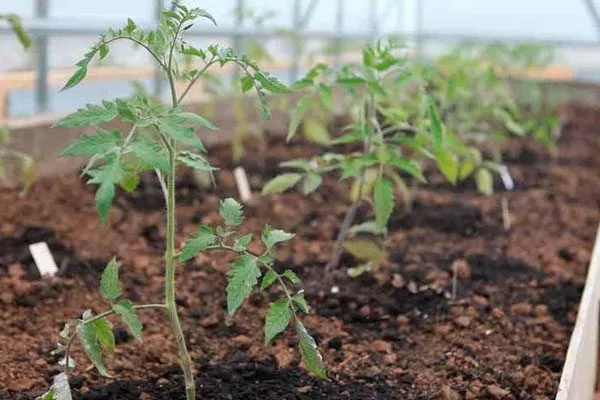
To form strong bushes, pinch out side shoots. Lydia is an indeterminate variety, so tie it to supports or a trellis to prevent the stem from breaking under the weight of the fruit.
Fertilize 3-4 times per season:
- two weeks after planting – solution of mullein or bird droppings;
- during the budding period - complex mineral fertilizers with phosphorus and potassium;
- during active fruiting – ash infusion or potassium substances to improve the taste of vegetables.
- Ten days after planting the seedlings, apply a complex mineral fertilizer with a high nitrogen content to stimulate growth.
- During the flowering period, use fertilizers with a high phosphorus content to improve fruit set.
- During fruiting, apply potassium fertilizers to improve the taste and quality of the fruit.
Fighting diseases
The crop is resistant to cladosporiosis, tobacco mosaic virus, and fusarium wilt, but disease prevention remains an important part of care. Follow the recommendations of experienced vegetable growers:
- To protect against late blight, treat bushes with Bordeaux mixture or Fitosporin solution. At the first signs of fungal infections, apply fungicides (Ordan, Hom, Topaz).
- To prevent viral and bacterial diseases, practice crop rotation, avoid dense plantings, and regularly ventilate the greenhouse.
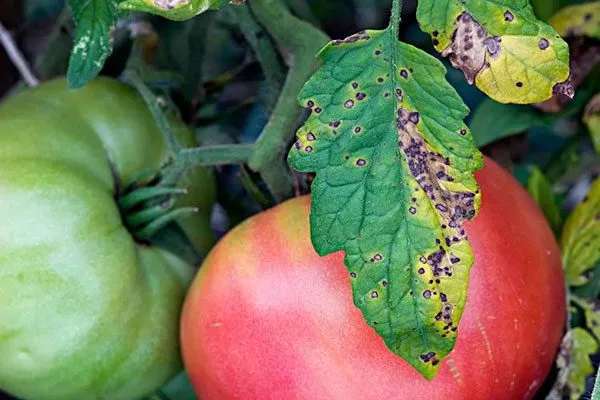
Following agricultural practices will allow you to obtain strong, healthy bushes and an abundant amount of vegetables.
Harvesting and storing the Lydia tomato crop
Lydia tomatoes reach maturity 90-100 days after sowing. Ripe fruits turn a rich red color and have a pleasant aroma. When harvesting, be careful not to damage the plants.
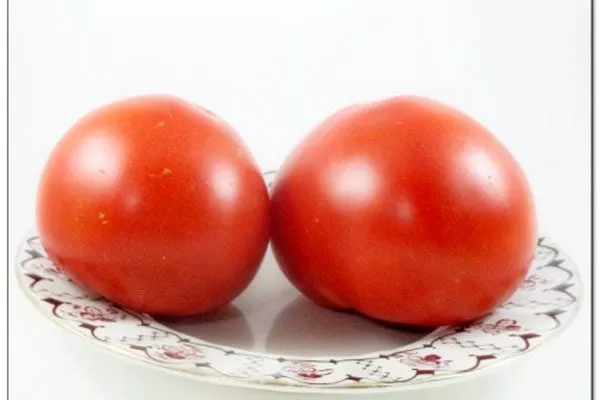
Ripe tomatoes separate easily from the stem, so pick them when they're fully ripe. Unripe tomatoes lack juiciness and flavor, so it's best not to pick them early.
Helpful tips:
- Store the harvest in a cool, dry place. The optimal temperature is 12–15°C with a humidity level of 80–85%.
- Avoid refrigerating tomatoes as they may lose flavor and texture.
- To extend their shelf life, sort tomatoes by ripeness and avoid damaged or overripe ones. Store them on separate shelves or in boxes.
Pros and cons
Before growing a crop, carefully study its key qualities, advantages, and disadvantages to avoid any unpleasant surprises. The hybrid has many advantages:
Among the disadvantages, some gardeners note the need for tying and pinching out side shoots, the need for nutrient-rich soil, a decrease in taste qualities with a lack of sun, sensitivity to over-watering, the inability to collect seeds independently, and the importance of regular fertilizing.
Reviews
The Lydia tomato is a reliable and productive variety with excellent characteristics. It's suitable for growing in a variety of climates, resistant to common diseases, and boasts a long fruiting season. Its versatility and excellent shelf life make it a popular choice among gardeners.
It was important for me to find a variety that can be grilled, since my husband's main meals are barbecue and baked tomatoes. Thank you so much for describing even such small details in the article! I'll definitely plant this variety this year and enjoy the vegetables year-round (we have a heated greenhouse, so we grow vegetables year-round).