
The Lentyayka variety is a favorite among many gardeners in our country because of its compact bushes, which don't take up much space. The fruits have a unique heart shape, are juicy and fleshy, so homemakers often use them for winter preserves. They are especially good for making tomato juice. The plants don't require pinching, which significantly simplifies care.
Description of the tomato variety Lazy
The name fully lives up to the variety's reputation: it's prized by gardeners and novice growers for its ease of cultivation. Thanks to Siberian selection, the plant is resistant to extreme temperature fluctuations and cold. It stands out for its large fruits, a rarity among compact standard varieties.
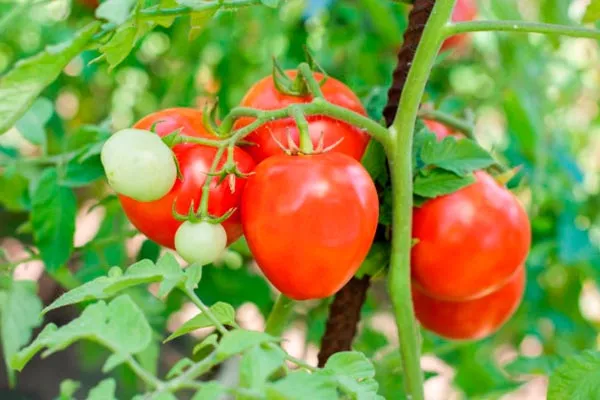
Distinguishing characteristics:
- The plants are low-growing – reaching 60-65 cm in height.
- The bush forms up to six inflorescences and has a straight and stable stem, which makes it suitable for both open ground and low greenhouses.
- The brushes are formed on the lateral branches, so topping (removal of inflorescences) is required.
- Tomatoes have a unique, elongated heart shape. When unripe, they take on a raspberry hue, and as they ripen, they turn bright red, both flesh and skin.
- The weight of tomatoes varies from 250 to 500 g. The pulp is juicy, contains 4-5 chambers, the skin is smooth.
- The taste qualities are highly rated – the fruits are sweet, rich, with a pleasant aroma.
These vegetables are versatile: they can be eaten fresh, added to salads, or canned whole if small. Large tomatoes retain their shape well when sliced and make a wonderful addition to vegetable dishes. Overripe tomatoes make thick juice, sauces, and purees.
Characteristics of the variety
Lentyayka has many positive qualities that make it an attractive cultivar. Even ripening of the fruit, excellent flavor, and marketability are just some of its advantages. Before planting, it's important to thoroughly study the variety's characteristics.
Productivity, ripening time
This is a mid-season variety. From germination to ripening of the first fruits, it takes only 95-100 days. The tomatoes ripen early and uniformly, with peak fruiting occurring in July and August, although the process can be slightly delayed.
The variety demonstrates high yields: when basic agricultural recommendations are followed, approximately 5.4 kg can be harvested per square meter. This is an excellent yield for low-growing plants.
Resistance to diseases and pests
Tomatoes of this variety have strong immunity to most common diseases. They are highly resistant to Alternaria, Fusarium wilt, Verticillium wilt, late blight, and macrosporiosis.
Pests that pose a threat to mature plants include mole crickets and slugs. Fungal infections are rare and primarily affect shrubs grown in greenhouses.
How and when to sow seeds for seedlings?
Lazy bean is planted as seedlings. Direct sowing is only possible in southern regions. However, even in warm climates, seeds are sown in advance and seedlings are grown indoors for an earlier harvest.
Soil for seedlings and seed preparation
Use ready-made commercial soil designed for nightshade crops or a lightweight, neutral-pH substrate. You can also prepare your own soil mix by mixing equal parts garden soil, humus, and sand. Disinfect the mixture by heat treatment before sowing.
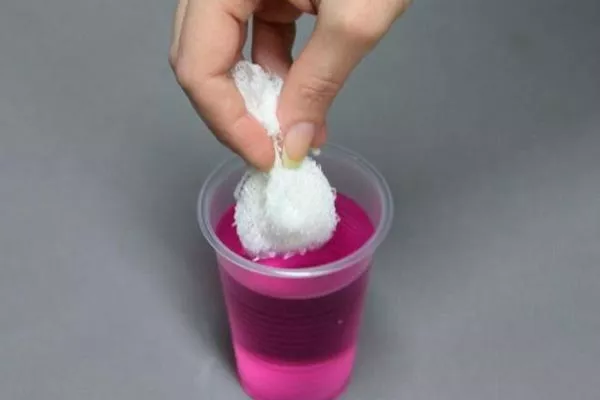
Prepare the seed. Follow these steps:
- To improve germination, cool the seeds by placing them in the refrigerator for 24-48 hours. Then, warm them on a radiator.
- Place the seeds in a biofungicide solution such as Fitosporin or Bion. This treatment helps kill pathogens and acts as a growth promoter.
Planting seeds
Prepare the containers—containers, boxes, seedling trays, peat pots, and other containers will do. Place drainage at the bottom and fill with moistened potting mix.
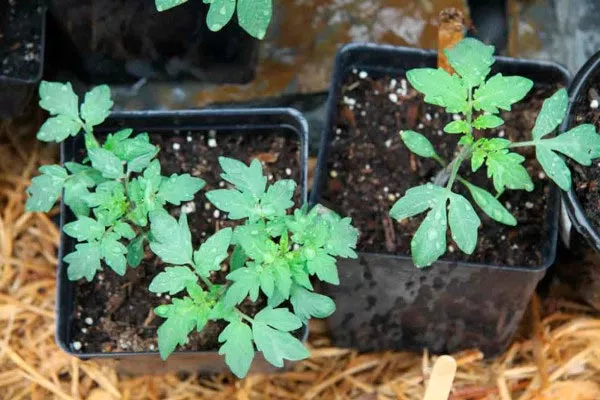
Start sowing:
- Spread the seeds on the soil surface at least 3 cm apart.
- Sprinkle with a layer of soil about 1.5 cm thick.
- Spray with warm water and cover the containers with film or glass.
If maintained at a temperature of 20…25°C, seedlings will emerge in 5–7 days. Once the first sprouts appear, remove the cover and move the containers to a well-lit area.
Create suitable conditions for seedlings:
- Keep the soil moist, do not allow it to dry out.
- In the second week, feed the seedlings with a weak solution of complex fertilizer for tomatoes.
- At the stage of 2-3 true leaves, transplant the seedlings into separate cups.
Transplantation into open ground
Choose a sunny, shade-free area in the garden bed. Avoid areas previously used for potatoes, bell peppers, and other nightshade crops. Till the soil in the fall. Mark out the planting areas in the prepared area, leaving 20-30 cm between plants and about 50 cm between rows.
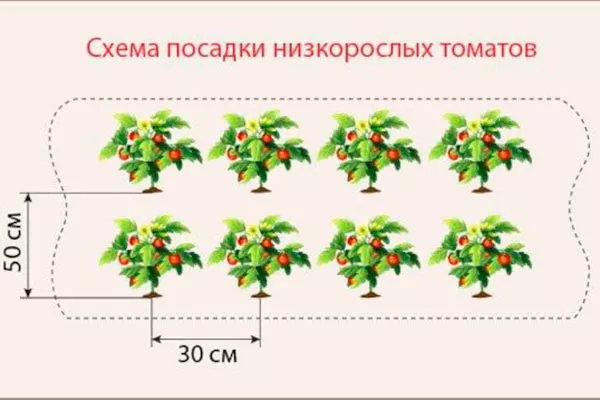
- ✓ Optimum soil temperature for planting seedlings: not lower than +15°C.
- ✓ The distance between plants when planting in open ground should be at least 30 cm to ensure sufficient space for growth.
Step-by-step algorithm:
- Dig planting holes and add a handful of compost mixed with ash to the bottom of each. Pour in warm water and let it soak in.
- Carefully remove the seedlings from the cups, leaving the soil ball, and place them in the prepared holes. Plant the elongated plants deeper than in the seedling pots.
- Fill the holes with soil and water the seedlings generously – 1 liter under each bush.
Mulch the area with chopped grass, sawdust, or straw. This will speed up the rooting process and help maintain soil moisture.
Care
Caring for the crop involves a number of important agricultural practices. It's important to monitor the soil and maintain optimal growing conditions to ensure large, tasty fruits.
Spraying and watering
Use drip systems or standard irrigation, avoiding water getting on the stems. The best method is to water through a circular furrow around the bushes.
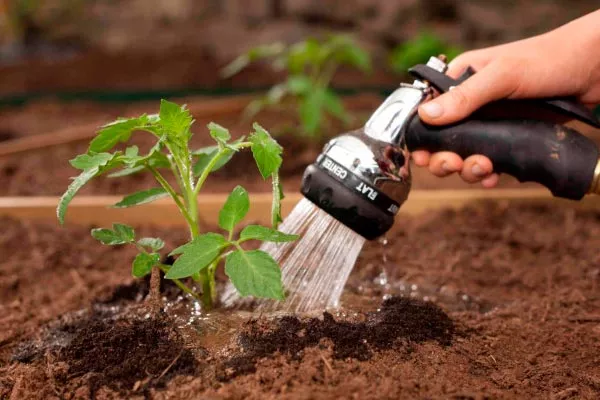
Follow the rules:
- The crop tolerates short-term soil drying well, but excess water is harmful to it.
- During normal rainy seasons, water the bushes no more than once a week. During hot weather and drought, increase the frequency to twice a week.
- In open beds, water more frequently than for greenhouse tomatoes, but reduce the frequency during the fruit filling period.
Once the tomatoes begin to ripen, stop watering completely. Use only warm, settled water.
Top dressing
The Lazy Tomato has difficulty absorbing nutrients from the soil, so it requires regular liquid fertilizer for normal growth. Without it, the fruits will become smaller, and new clusters will not form.
Apply up to three additional fertilizers per season. Use mineral fertilizers containing potassium and phosphorus at the beginning of the growing season; after fruit set, switch to humates and specialized tomato fertilizers (such as those with iodine, boric acid, or succinic acid), as well as ash solutions, herbal infusions, and micronutrients.
Recommended timeframe:
- 2-3 weeks after planting seedlings;
- during fruit setting;
- at the beginning of the coloring of tomatoes.
Lazy grass responds well to foliar feeding. Apply mineral and organic solutions diluted to twice the usual strength.
Shaping and pinching out side shoots, garter
One of the main advantages of the Lentyayka variety is that it requires no side shoots. On young plants, remove only the shoots below the first flower cluster, leaving the remaining side shoots to develop freely, as they will produce the main crop.
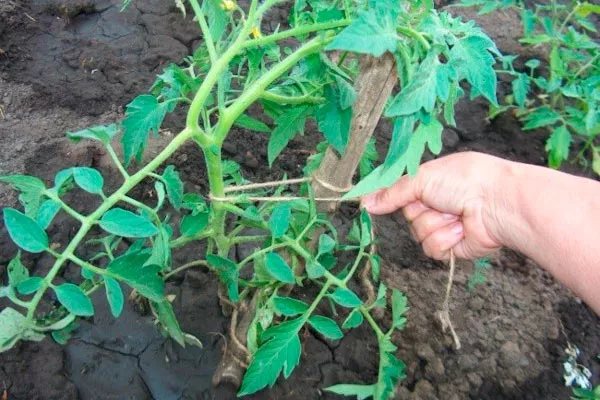
Helpful tips:
- To speed up the ripening process of tomatoes and stimulate lateral branching, pinch the top of the bush at a height of about 50 cm. This technique is especially useful in greenhouses, where tomatoes can grow taller than expected, sometimes reaching a height of 1.5 m without pinching.
- A standard bush does not require additional support, but if there is a bountiful harvest, especially of large clusters, tying will help preserve the harvest.
Without support, tomatoes can weigh down the stems, causing the lateral shoots to break. In this case, secure the central stem and tie up each tomato cluster.
Harvesting and storage
You can pick the fruits when they're technically ripe, as they ripen perfectly indoors on a windowsill. Harvest the tomatoes when they're fully ripe, turning bright red. Carefully remove the fruits from the bush to avoid damaging the branches and losing the harvest.
For storage, choose a cool, dry, well-ventilated place where the vegetables will retain their juiciness for several weeks. Canning and preserving tomatoes will help preserve them for a long time.
Pests and diseases
The Siberian variety "Lentyaika" is distinguished not only by its frost resistance but also by its excellent disease immunity. It is resistant to late blight and macrosporiosis, while fungal infections can only threaten the plants in greenhouse conditions.
Follow the rules:
- To prevent diseases in protected soil, regularly ventilate shelters (film and permanent), treat bushes with fungicides at the 7-leaf stage, and re-spray plants every 15 days.
- Use fungicides based on beneficial bacteria – they will not only prevent fungal diseases but also help fight pests and strengthen the immune system. One effective solution is Fitosporin-M Tomato.
To protect adult plants from slugs and mole crickets, set traps and use special baits.
Pros and cons
Before you begin growing seedlings, be sure to thoroughly research all the plant's characteristics. The Lentyayka variety has many advantages:
Among the disadvantages, gardeners note possible susceptibility to fungal diseases in the greenhouse, sensitivity to over-watering, and the need for frequent fertilizing.
Reviews
The Lentyayka tomato has deservedly earned recognition for its disease resistance and tolerance to temperature fluctuations. Its ease of care and good productivity make it an ideal variety for both beginners and experienced gardeners. It will delight you with its juicy, large tomatoes that complement any dish.