
The Legend Tarasenko tomato is a high-yielding variety known for its consistent productivity and disease resistance. It is drought- and mild-temperature-tolerant and tolerates temperature fluctuations well. With proper care and proper cultivation practices, the plants produce generous and consistent harvests.
History of creation
The cultivar was developed by Ukrainian physics teacher F. M. Tarasenko. The Legend variety appeared in 2015. Many gardeners across the country grow the crop in the central and southern regions, as well as the central belt.
Characteristics and description of the variety
Every gardener wants to grow high-yielding, sweet-fruited tomatoes in their garden. One such variety is Legenda Tarasenko.
Distinctive features of the plant and fruits
Bushes in open ground reach a height of 1.5 to 1.8 m, and in greenhouses they can grow up to 2 m. The plant has a powerful root system that expands to a width of 40 cm.
- ✓ High resistance to drought and slight cold snaps, which makes the variety suitable for growing in various climatic conditions.
- ✓ The ability to self-pollinate, which increases the chances of getting a harvest even in the absence of pollinating insects.
Other features:
- Stems – medium thickness, liana-like in shape, light brown in color and slightly pubescent.
- Leaves - simple, classic tomato shape, dark green, slightly pubescent and spirally arranged.
- Inflorescences – They form in small groups of 5 flowers of a yellowish hue.
- Flowers – Small and self-pollinating, the plant later produces 5-7 ovaries on each stem.
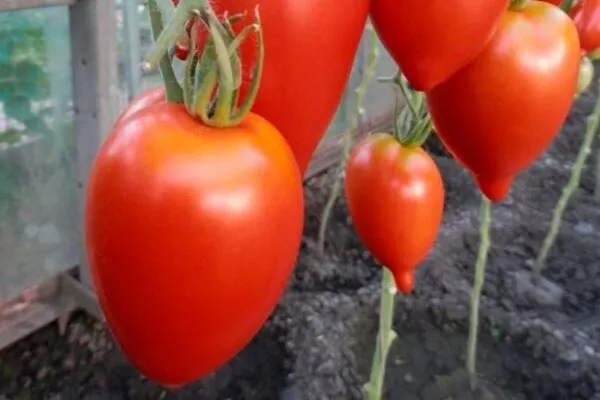
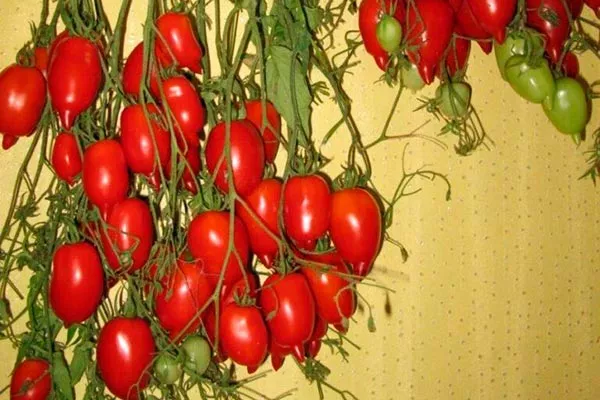
- Tomatoes - Bright red, sometimes with a yellow spot near the stem. A single fruit weighs 90-110 g, and a cluster weighs 2 kg, containing 20-25 fruits. The tomatoes are small, flat-round, with a pointed tip and thin but elastic skin.
Taste and uses of tomatoes
The flesh of the Legend Tarasenko is firm and dense, brightly colored, without white streaks or excess moisture. The fruit contains 4 to 5 seed chambers with a normal number of seeds.
Tomatoes have an exceptionally sweet flavor, with a barely noticeable tartness. They are ideal for eating fresh, adding to various dishes, pickling, and canning. These small tomatoes look especially beautiful in jars.
Ripening, fruiting and productivity
The Legend Tarasenko tomato is a mid-season variety that ripens in approximately 115 days. The harvest can be done from July to August, as it ripens unevenly, and fruiting is spread out over a long period.
How to grow seedlings?
Seed preparation for planting begins two months before planting the seedlings outdoors, usually in late February or early March. It's important to follow certain guidelines.
Seed preparation
To prepare the seeds, first soak them in a salt solution for 10 minutes to remove any empty seeds. Seeds that float to the surface are not suitable for planting.
Next, follow the recommendations:
- Disinfect the seeds in a weak solution of potassium permanganate for 20 minutes. Then rinse them under running water and dry.
- Heat treatment in hot water at 52°C for 25 minutes strengthens the seedlings, improving germination. Wrap the seeds in cheesecloth and treat, then rinse in cold water for 2 minutes.
During heat treatment, about 30% of the seeds may lose their germination capacity, but this is normal: only the non-viable ones die. To increase germination, place them in a growth stimulator for 12 hours. Once they have swollen slightly, begin sowing.
Container and soil
To prepare the soil, mix equal parts garden soil and compost. To improve looseness, add a little sawdust or peat, which makes the soil more airy and promotes good water drainage.
Place the prepared mixture into the seedling containers, filling them halfway, then add the remaining soil as the seedlings grow. This method provides the plants with the necessary nutrients.
For planting, you can use a shared wooden box or disposable containers, such as plastic or peat cups. In such containers, plant roots receive a sufficient amount of oxygen, thanks to the porosity of the material, which allows it to pass through well.
Sowing
Sow the seeds into prepared containers at a depth of 1.5-2 cm, then sprinkle them with peat moss and lightly moisten with a spray bottle. Cover the containers with plastic film to create a greenhouse effect.
- ✓ The optimal soil temperature for sowing seeds should not be below +24°C to ensure high germination.
- ✓ To prevent seedling diseases, it is necessary to provide at least 14 hours of daylight using phytolamps when there is insufficient natural light.
If the seeds are sown too shallowly, they may germinate with the seed coat still intact, resulting in slow growth. Place the sown containers in a bright, warm location at a temperature of at least 24°C. At a stable temperature, the first shoots will appear within 7 days.
Growing and caring for seedlings
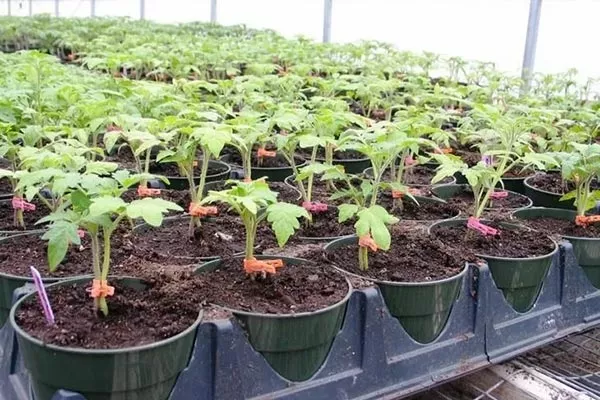
Once the first shoots emerge, remove the film and move the containers to a sunny windowsill. To avoid burning, avoid exposing the seedlings to direct sunlight. The daily light should be at least 14 hours. If natural light is insufficient, use phytolamps.
Helpful tips:
- Once all the seeds have sprouted, reduce the temperature in the room where the seedlings are kept to 15°C for 1 week. This will help harden off the young plants and strengthen their immunity. After 7 days, move the seedlings to a warmer location with a temperature of at least 20°C.
- Moisten with warm, settled water as the top layer of soil dries out. Use a shallow watering can or a tablespoon to water around the edge of the container to avoid overwatering and root rot.
Transfer
By mid-June, most seedlings will be ready for planting in the greenhouse. By this time, the first true leaves will have developed on the seedlings, and the root system will have become established.
Preparatory work
Two weeks before planting outdoors, begin hardening off the seedlings by placing them outside for 1 hour and gradually increasing the time spent outdoors to 13 hours. Reduce the nighttime temperature in the room containing the seedlings to 12°C.
After hardening off, begin preparing the soil. The plant prefers nutritious soil, so before planting, fertilize it with compost, humus, and mineral fertilizers. Apply 2-3 kg per square meter.
Landing
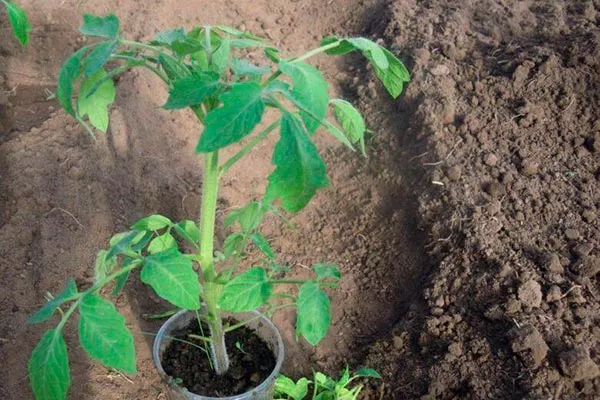
Prepare holes 10-15 cm deep, with a distance of 30-35 cm between them. Once all the necessary rows are made, plant the seedlings at right angles to the soil. Place a small support next to each plant to prevent them from breaking under the weight of the fruit.
Even a novice gardener can grow the Legenda Tarasenko tomato variety. All you need to do is learn how to properly sow the seeds for seedlings and plant the young seedlings in open ground.
Further care of the Legend Tarasenko
Caring for your crop is crucial for a healthy and abundant harvest. Regular agricultural practices help maintain healthy plants and stimulate growth. Productivity depends on these care measures.
Fertilizing and watering
Fertilize crops three times per season. Apply the first fertilizer two weeks after planting, using organic matter or a complex mineral fertilizer. Repeat the application when the first fruits appear on the plants, and then finish the treatment after 20 days.
Water the bushes once every two weeks, but increase the frequency in dry areas. Each plant should receive 7-10 liters of water. The day after watering, loosen the soil and remove weeds.
Shaping and garter
Remove side shoots when they reach 3-4 cm, trying not to touch the leaves, as there aren't many of them anyway, and there are more tomatoes. Pinch off the tops 45 days before the end of the season. In greenhouses, by this time, shoots typically reach 2.5-3 m, and each plant will have formed 5-6 clusters—they don't have time to fully ripen.
Pinch after three clusters have formed on each stem. Tie the shoots to a trellis, forming a palmette. This will ensure good ventilation and light, as well as sufficient space for the root system to thrive.
To create a palmette, follow these steps:
- Drive in 3m high stakes or pipes every 3-4m.
- Stretch 5-7 rows of wire.
- Tie up the shoots and bunches.
Features of cultivation and possible difficulties
Due to their tall growth and significant strain on the stem, tall tomatoes require staking. Stake not only the main stem but also the fruiting branches, as they cannot support the weight of ripe tomatoes and tend to droop toward the ground.
Constant contact with wet soil can cause fruit rot, so install a metal or wooden support near each bush to secure them. Regularly remove side shoots, leaving a few centimeters of growth to prevent new side shoots from appearing.
The nuances of cultivation in open ground and in a greenhouse
Tomatoes grown in greenhouses can reach 2.5 meters in height, so pinch the tops to limit their growth. Although the crop is intended for open ground in cold regions, it can also be successfully grown indoors, where yield and flavor remain high.
Ventilate greenhouses regularly to prevent the spread of fungal diseases. To reduce stress on the plants, trim the lower leaves to the third pair from the bottom, which improves air circulation and reduces the risk of disease.
Fruit harvesting and storage
The bushes form fan-shaped clusters that grow entirely, making harvesting easy. Fruiting lasts a long time, and in greenhouses, the vegetables continue to ripen until the first frost. Ripe tomatoes store well and withstand long-distance transportation well.
Small fruits are used for whole-fruit canning, while larger ones are used for pickling and marinating. For long-term storage, make preparations for the winter, such as juice, lecho, ketchup, and adjika.
Treatment and prevention of diseases and pests
The immunity of the Legend Tarasenko variety directly depends on proper agricultural practices. When important recommendations are followed, plants are disease-resistant. However, improper care poses a risk of infection by tobacco mosaic virus.
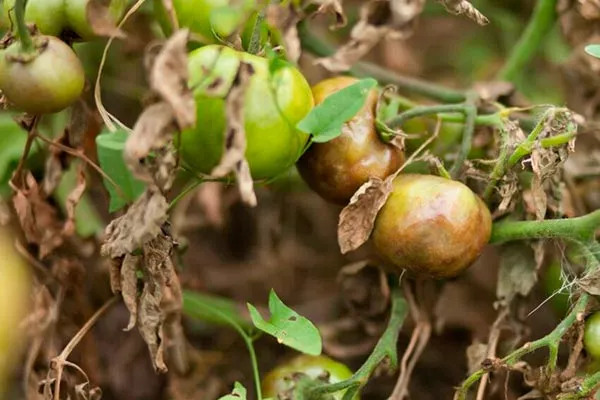
If peppers, eggplants, or potatoes are grown close to garden beds, there's an increased risk of late blight. This fungal disease is especially active during the ripening period and can quickly spread throughout the plant.
To prevent diseases in the spring, treat seedlings with copper sulfate. If diseases occur, use Hom or Bordeaux mixture. The plant may be attacked by pests. To combat them, treat with insecticides such as Actellic, Aktara, or Fitoverm.
Pros and cons
This crop has numerous advantages, making it a popular choice for gardeners across the country. To avoid potential problems, it's important to understand not only the variety's characteristics but also its potential drawbacks.
Disadvantages include a tendency to bake in the sun, uneven ripening of vegetables, weak resistance to pests, and the need for shaping, tying, and pinching.
Reviews
Legenda Tarasenko is an ideal choice for those who value good productivity and low maintenance. This variety is deservedly popular among gardeners due to its stability and versatility. Timely fertilizing and proper farming practices will ensure a bountiful harvest of delicious, marketable tomatoes.