
Lady Brown is an unusual variety with exotic-colored tomatoes and a rich flavor. It is characterized by good productivity, disease resistance, and versatility. Its firm flesh makes it ideal for salads, processing, and preserves. This variety is prized for its low maintenance and ability to grow in both greenhouses and open ground.
Description of the bush and fruits
This variety was developed by American breeders. The plants are medium-sized, growing no more than 150 cm. They have strong stems capable of supporting the significant weight of tomatoes.
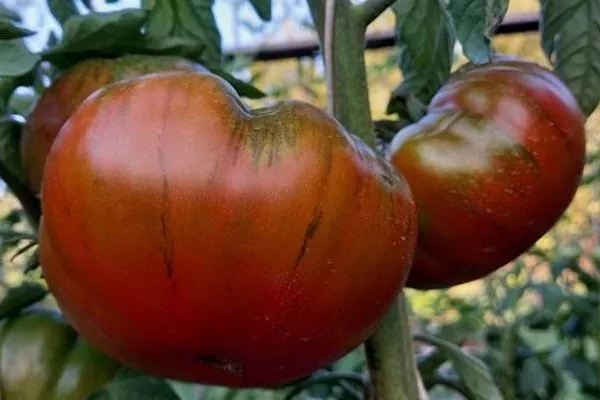
Ripe tomatoes are light brown or reddish-brown in color and weigh between 300 and 350 g. They have a rounded shape. The flesh is plump, juicy, and pleasantly flavored.
Main characteristics
Lady Brown is an excellent choice for gardeners seeking a bountiful and juicy harvest. This variety boasts numerous positive qualities that appeal to both novice gardeners and experienced agronomists.
Ripening and fruiting, productivity
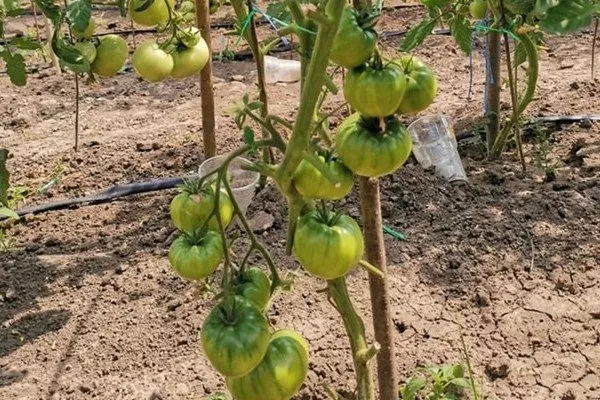
This variety has a relatively short ripening period. Tomatoes begin to ripen within 70-80 days of germination, allowing for the first harvest in early July.
Vegetable growers can harvest 5 to 8 kg of tomatoes from a single plant, and with proper care and feeding, over 10 kg. These consistent yields are achieved thanks to good self-pollination and vigorous fruit set. The fruits ripen evenly, making them easy to harvest.
How to use – recommendations for optimal storage and processing
Place fresh vegetables in containers and keep them at room temperature – this way they retain their aroma and flavor longer.
Follow the recommendations:
- If tomatoes over-ripen too quickly, refrigerate them, but this may change their texture slightly.
- Lady Brown tomatoes are perfect for salads, soups, sauces and hot dishes thanks to their sweet taste and dense flesh.
- For long-term storage, peel and seed tomatoes. This is easily done by rinsing them with boiling water and then plunging them into cold water – the skins come off easily. You can cut the tomatoes into pieces or puree them for freezing.
Resistance to diseases and pests
The crop is characterized by high resistance to late blight and viral infections, making it suitable for cultivation even in high-humidity conditions. These qualities are the result of selective breeding, which has given the variety genetic resistance to diseases.
Lady Brown has a strong immune system that allows it to successfully resist viruses and bacteria. The bushes are rarely attacked by pests such as aphids, mites, and moths, reducing the need for chemicals and helping to preserve the eco-friendliness of the harvest.
Planting and growing Lady Brown tomatoes
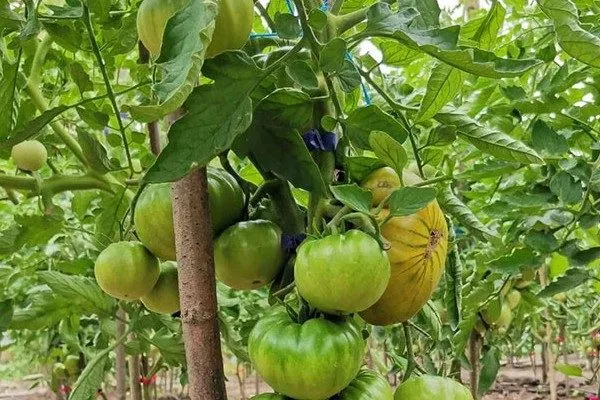
Sow seeds for seedlings 60-65 days before transplanting to the garden. Depending on the climate and growing conditions (greenhouse or open ground), sowing times may vary from late March to mid-April.
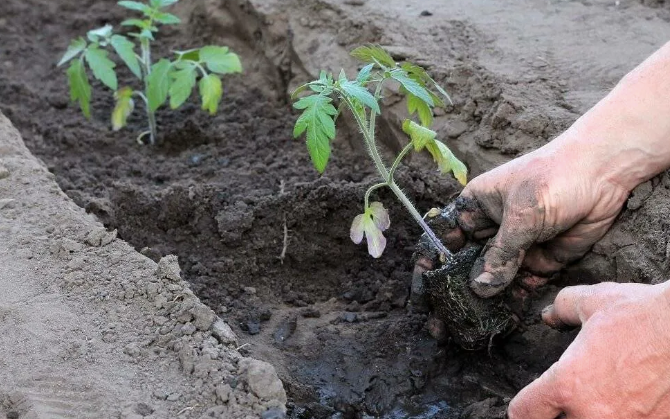
Plant the seedlings in their permanent location in late May or early June, using a spacing of 3-4 plants per square meter. Apply nitrogen-phosphorus fertilizers to the soil 1-2 weeks before transplanting, and potassium fertilizers afterwards.
- ✓ Optimum soil temperature for planting seedlings: not lower than +15°C.
- ✓ Distance between bushes when planting: at least 50 cm to ensure sufficient ventilation and lighting.
Provide the culture with complete care:
- Watering. In open ground, water the bushes 1-2 times a week with warm water (18-20°C), 5 liters at a time, applying the water directly to the roots. In a greenhouse, watering once every 5-7 days, 4 liters per square meter, is sufficient.
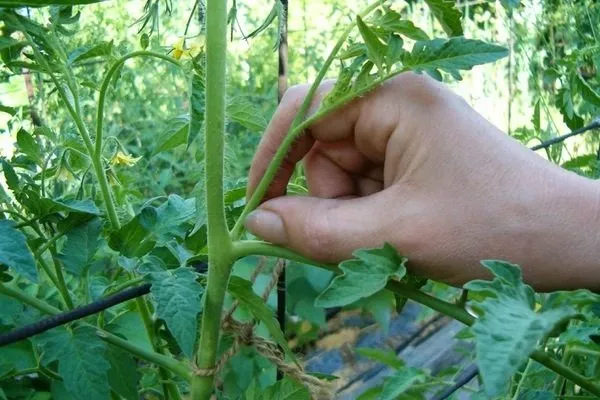
- Formation of a bush. Train the plant into 2-4 stems. Tomatoes grow larger when trained into two stems. Leave 1-3 strong side shoots under the first flower cluster, and remove the rest.
Cut back all shoots higher up the trunk until they reach a length of more than 5 cm. Be sure to tie the bushes to a support to prevent damage to the branches. - Top dressing. Nutrition plays a crucial role in healthy tomato growth and a high yield. Follow these nutritional guidelines throughout the season:
- two weeks after transplanting the seedlings into the ground – add organic fertilizers, such as mullein or bird droppings infusion, or ammonium nitrate to stimulate growth;
- at the stage of bud formation – use complex mineral compositions rich in phosphorus and potassium to improve flowering and fruit set in tomatoes;
- after the first fruits appear – use potassium substances or ash, which improve the quality of vegetables and increase their size;
- during the period of active filling of tomatoes – At this time, plants especially need additional nutrition to form large and dense specimens.
Pros and cons of the variety
Reviews
Lady Brown combines a distinctive appearance, excellent taste, and good productivity. Its ease of care and resistance to adverse conditions and diseases make this variety highly sought after. The fruits retain their marketable appearance during long-term storage. Growing this variety yields high-quality, plump tomatoes for a variety of dishes and preserves.