
Lakomka is an early-ripening, high-yielding variety ideal for both open ground and greenhouses. It boasts a sweet flavor, rare among early tomatoes, and is resistant to a variety of weather conditions. The bushes are compact and easy to care for, and the fruits are beautiful, vibrant in color, and have excellent flavor.
Origin and regionality
The variety was developed by breeders at the Aelita agricultural firm under the leadership of I. Yu. Kondratieva. In 2003, it was registered with the Federal Service for State Registration, Cadastre and Cartography (Rosreestr) and approved for cultivation in Russia. After successfully passing trials, it became popular and was widely distributed throughout the country.
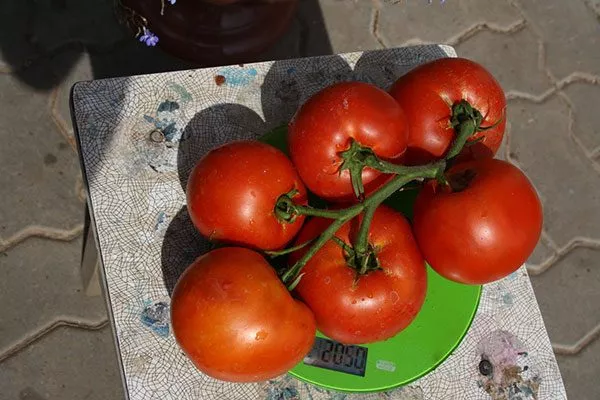
This variety is actively grown by gardeners, especially in the southern regions and Western Siberia. It is also successfully cultivated in Ukraine and Moldova. To obtain a good harvest, it is important to create suitable conditions—this could include plastic or heated greenhouses, or garden beds in the garden.
Description of the plant
The bush reaches a height of 45-60 cm and requires no staking or training. The first cluster forms above the 8th-9th leaf, which distinguishes it from most early-ripening varieties, which form their first cluster at the 5th-6th leaf. After the first cluster appears, subsequent clusters form more densely. The clusters are spaced every 1-2 leaves.
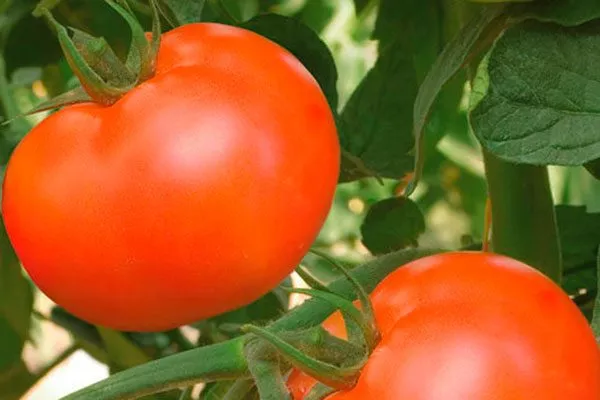
The plants are compact, allowing for frequent planting, which is convenient for growing in small spaces or home greenhouses. The bush has few leaves, so they don't need to be removed.
Fruits, their taste and purpose
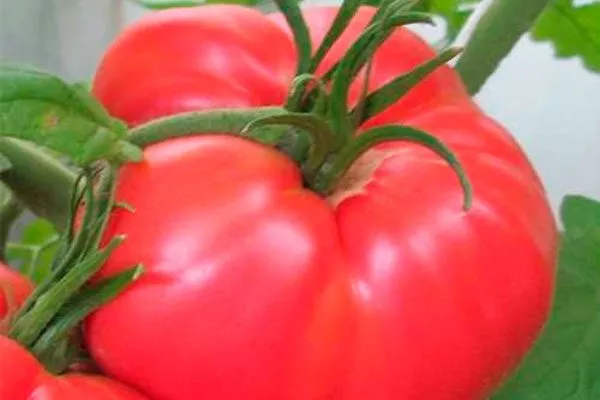
Tomatoes of the Lakomka variety have a round shape with a smooth surface.
Distinguishing characteristics:
- Ripe fruits are raspberry-colored, while unripe specimens have a dark green spot near the stalk, which disappears as they ripen.
- The vegetables reach a weight of 100-130 g. Their skin is thin but dense, and the flesh is sweet, juicy and fleshy.
- All the fruits on the bush are the same size, which makes them convenient for pickling, and they look great in a jar.
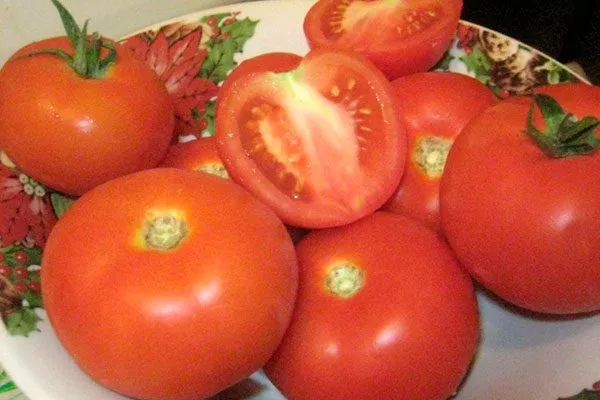
The pulp of Lakomka tomatoes is dense enough to be ideal for canning. They are used in salads, soups, main courses, and sauces. Thanks to their dense skin, which does not crack during cooking, they preserve well when boiled.
Ripening and yield
This cultivar is characterized by high and consistent productivity when simple farming practices are followed. The first fruits ripen as early as 80 days after germination. Ripening occurs evenly and uniformly.
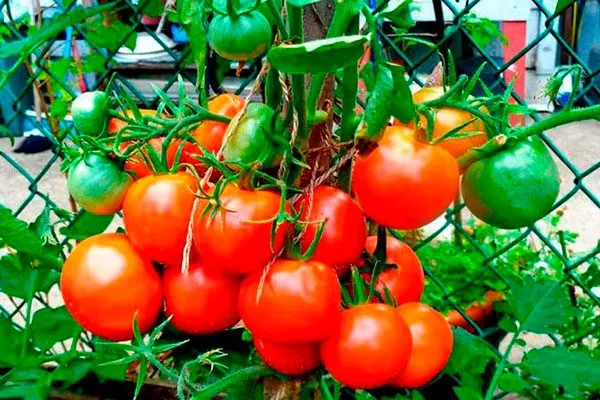
When sown in March, the first tomatoes appear as early as June. Even in unfavorable weather, Lakomka maintains a stable yield. Up to 7 kg of delicious vegetables can be harvested from one square meter. Fruiting continues until early autumn.
Resistance to adverse conditions, diseases and pests
Tomatoes don't require a lot of growing conditions. They easily tolerate prolonged heat and drought in summer, and are resilient to prolonged rainfall. They are also resistant to sudden temperature fluctuations.
The variety has strong immunity to major tomato infections and viruses. Late blight does not affect tomatoes due to their rapid ripening. The crop is genetically resistant to blossom-end rot. However, it exhibits weaker resistance to fungal diseases.
Landing features
The Lakomka tomato grows successfully both in open ground and in a greenhouse. However, before planting the plants in the garden, seedlings must be grown.
Optimal growing conditions
Start sowing seeds 55-60 days before you plan to transplant the seedlings into the garden. For greenhouses, this is early March, and for open ground, early April.
Helpful tips:
- If you bought the beans from a store, there is no need for additional processing or germination testing, as they have already been selected and prepared.
- If you collected your own seeds, soak them in a salt solution (1 teaspoon of salt per cup of water) for 10-15 minutes before planting. Remove any seeds that float to the surface, leaving those that settle to the bottom. These are suitable for sowing.
- Rinse the seeds and soak them in a weak solution of potassium permanganate to boost the immunity of the future plants. Instead of potassium permanganate, you can use other bactericidal agents, such as aloe or potato juice, a honey or ash solution, or mushroom decoction.
Aloe vera juice, in addition to disinfecting, will also enrich the seeds with nutrients, which will positively impact the harvest. To prepare it, crush the aloe leaves, cover them with water, and let them steep in the refrigerator for a week. After treatment, dry the planting material.
Sowing seeds for seedlings and care
Prepare the soil for growing seedlings in advance. Follow these rules:
- In autumn, mix sand, peat and soil in equal parts.
- Three weeks before sowing, heat the soil in the oven for 30 minutes, then cool.
- After cooling, fertilize the soil with a homemade solution: add 25 g of superphosphate and potassium sulfate, 10 g of urea to 10 liters of water.
To plant seeds, use wooden boxes or peat pots. The containers should be shallow. Plant the seeds at a depth of 1.5-2 cm, leaving 1 cm between them. Place two seeds in each hole in the pots.
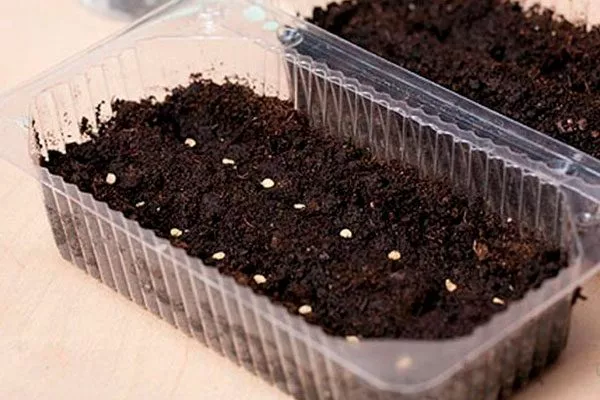
Next, follow these steps:
- After sowing, cover the box with plastic wrap and place it in a warm location where the temperature should be at least 20ºC. When the seedlings emerge, remove the plastic wrap and move the box to a bright location to ensure the sprouts receive adequate sunlight.
- With proper preparation, tomatoes should sprout within a week. As soon as the plants develop their first two leaves, pick them out and transplant them into individual pots. Fertilize the transplanting soil in the same way as before sowing the seeds.
Water the seedlings about once a week, checking the soil for dryness. Excessive moisture can cause the stem to grow too quickly while the root system is weak.
Planting in open ground or greenhouse
Transplant seedlings into the garden beds in late May or early June. If night frosts are possible, cover the planted plants with thick paper or newspaper.
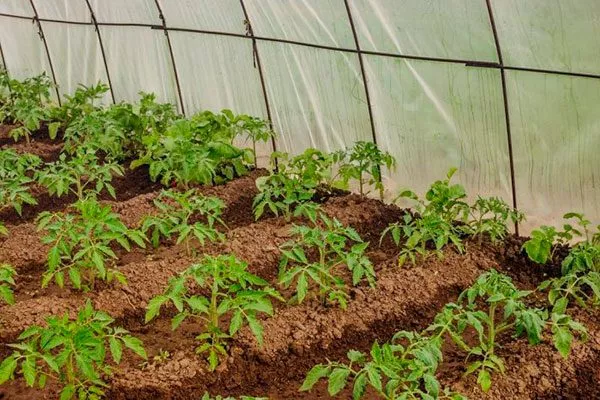
Don't neglect the rules:
- Transfer the seedlings to the greenhouse earlier, in early May, when the soil warms up to 10ºC. Fertilize the soil in the fall and dig it over three weeks before planting.
- Dig holes 50-60 cm apart. On average, plant 6-7 bushes per square meter.
- Add 2 handfuls of humus and ash to each hole, mixing them thoroughly with the soil. Cover the seedlings with soil up to the first leaf, but if the seedlings are too stretched, plant them deeper. After planting, water the tomatoes thoroughly.
It's recommended to plant seedlings in the evening to allow them to adapt more quickly and resume active growth. After two weeks, treat the seedlings with Bordeaux mixture (1% solution).
Further care in greenhouses and open ground
Caring for your crop plays a key role in ensuring healthy plant growth. Paying attention to your tomato's needs will help you harvest high-quality, tasty, and resilient tomatoes. Following simple agronomic practices is essential.
Moisturizing
Provide moderate watering, as the plant responds best to balanced irrigation, but short-term droughts will not kill the plants. Water the plants no more than once a week, but reduce the frequency by half during rainy seasons.
Watering needs are easily determined as soon as a dry crust forms on the soil surface. Apply water at the roots and into the trunk ring, being careful not to let any drips fall on the foliage, as this can promote the development of fungal diseases.
Top dressing
Lakomka requires regular fertilization, especially after picking and transplanting to a permanent location. Fertilize the bushes at least three times, at intervals of 2-3 weeks, until the fruits ripen green. This will increase yield and strengthen the plants.
Use mixtures containing phosphorus, which is essential for the normal development of tomatoes. Nitrogen fertilizers are not recommended for Lakomka, as they stimulate excessive foliage growth, which can negatively impact fruiting.
Instead of chemical fertilizers, use a 1:15 solution of chicken manure. It effectively provides plants with all the necessary nutrients.
Pinching out and tying up the bush
Staking shoots is an important agronomic measure necessary to prevent damage from the weight of tomatoes. Follow these recommendations:
- Secure the stems 2-3 weeks after transplanting the seedlings to their permanent location. To do this, install metal rods or wooden stakes about 1 m long at a distance of 10 cm from the trunk. Tie the bushes with twine, securing it in the center of the trunk, but do not overtighten it to avoid restricting plant growth.
- Begin pinching out side shoots, which removes unwanted shoots and improves the nutrition of the tomatoes, increasing their weight and flavor. Train the plants to form a single stem, but 2-3 stem structures are also acceptable. Remove all side shoots, especially those growing from the leaf axils, when they reach 4 cm in length.
- Trim the lower leaves and any that shade the vegetables. This accelerates their ripening and shortens the growing season by 7-10 days.
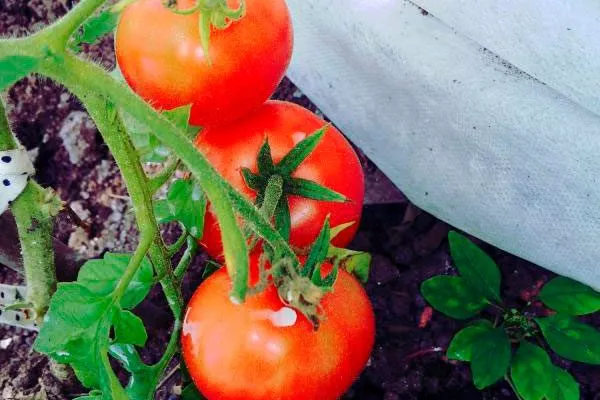
Carry out the procedures in the evening, when the microclimate is more favorable for plant recovery and the risk of the soil drying out is minimal.
Soil care
Soil management in tomato beds involves regular loosening, weeding, mulching, and hilling. Follow these steps:
- Remove weeds and loosen the soil no more than once a week, usually the day after watering. These procedures are necessary to oxygenate the soil and eliminate weeds.
The root system of tomatoes is located in the top layer of soil, so loosen the soil to a depth of no more than 5-7 cm, and the first time go deeper by 10-12 cm. - Two to three weeks after planting the seedlings, perform the first hilling, which helps create optimal soil conditions and prevent them from drying out. Hill the seedlings a second time after a month.
Use the moist soil between the rows, forming a small ring-shaped depression around each bush, which retains moisture when watering.
Prevention of diseases and pests
Lakomka is characterized by good resistance to many diseases. It is an early-ripening variety, which helps prevent the development of late blight, as the disease does not have time to affect the plants. Therefore, no disease treatment is necessary.
Harvesting and storage
Pick tomatoes from the vines as they ripen. To maximize your harvest, pick not only ripe tomatoes but also those that are just beginning to ripen, brown ones. Pick them in the morning, before the sun warms the tomatoes.
Additional recommendations:
- In the second half of August, when the weather is warm, the foliage begins to die back, followed by the bushes. By this time, harvest all the tomatoes, regardless of their ripeness. If the temperature drops to 5°C before this time, remove all the tomatoes and the bushes, as the vegetables will not have time to ripen.
- Fully ripened tomatoes should be consumed immediately, as they don't keep for long. Store unripe tomatoes (ranging from green to brown and orange) in wooden crates. Store them dry and clean, cover, and transfer to a cool, well-ventilated area, where they can be stored for up to 2 months.
To ripen tomatoes, bring them into a warm place for 2-3 days.
Pros and cons
Lakomka tomatoes are eaten fresh or used for processing. Since this variety is not a hybrid, its seeds can be collected for subsequent plantings.
These shortcomings are easily eliminated with proper care and compensated for by a larger harvest.
Similar varieties
The Lakomka tomato resembles some cultivars in its characteristics and description. Similar varieties:
- Handsome guy. A determinate variety, growing 60-80 cm tall in open ground and up to 1 m in a greenhouse. The growing season lasts 100-110 days. Large, crimson-colored tomatoes weigh 250-350 g with sweet flesh. In good years, a single bush can yield up to 3 kg. Characterized by good disease resistance.
- Demidov. A standard variety, not exceeding 50-60 cm in height. The fruits are pink-crimson, round, and lightly ribbed, weighing 130-180 g. They ripen in 105-110 days. Yields reach 9-11 kg per square meter when planted densely (up to 6 plants).
The crop tolerates temperature fluctuations well, but is prone to blossom-end rot and tomato cracking. - Super hen. A dwarf standard variety with a bush height of 30-40 cm. The fruits are pink, round, weighing 150-250 g, and ripen in 90-95 days. Close planting allows for yields of up to 10 kg per square meter. This variety has moderate resistance to nightshade diseases.
The Lakomka tomato is distinguished by its earlier ripening and high yield, suitable for various climatic conditions, including regions with risky farming.
Reviews
The Lakomka tomato is an excellent choice for gardeners who appreciate tasty, fast-ripening fruits. Its low maintenance and high disease resistance allow it to thrive in any climate. Its productivity is competitive, and the fruits delight with their excellent taste and appearance.