
Courtesan tomatoes are fleshy and juicy, used in a variety of dishes. Their compact size makes them ideal for whole-fruit canning, especially when paired with yellow vegetables. Their compact size makes them suitable for growing even in limited space, such as a greenhouse or a small garden.
Description and characteristics
Every year, new plant species emerge, including diverse varieties of vegetables and fruits, bred by crossing several cultivars. This is how the "Kurtizanka" tomato was created in 2021—a low-growing, determinate hybrid bred by V. I. Blokin-Mechtalin.
Main qualities:
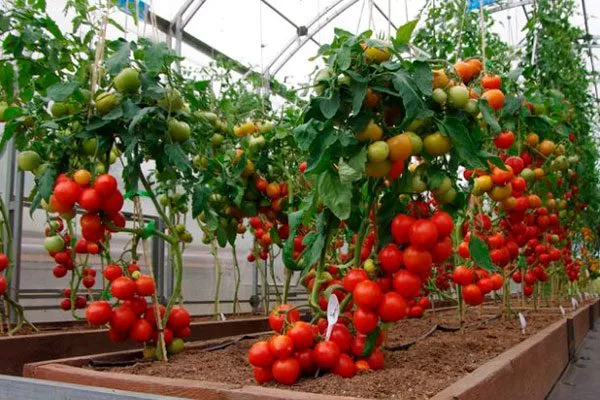
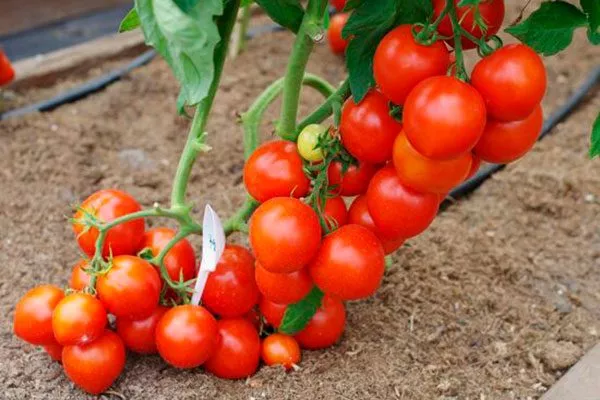
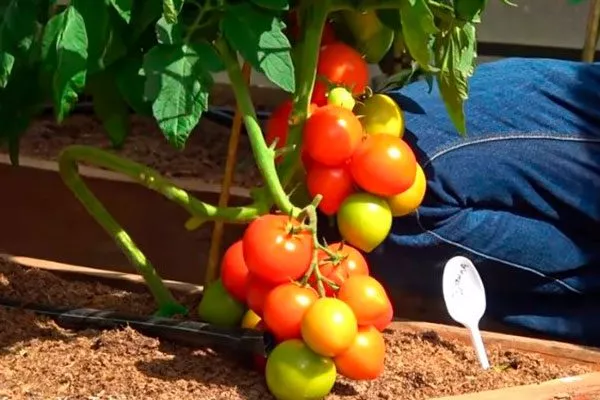
- The compact bushes reach 50-60 cm in height. Small tomatoes weighing 50-60 g grow on the shoots.
- The plants have sparse foliage, which promotes their healthy development.
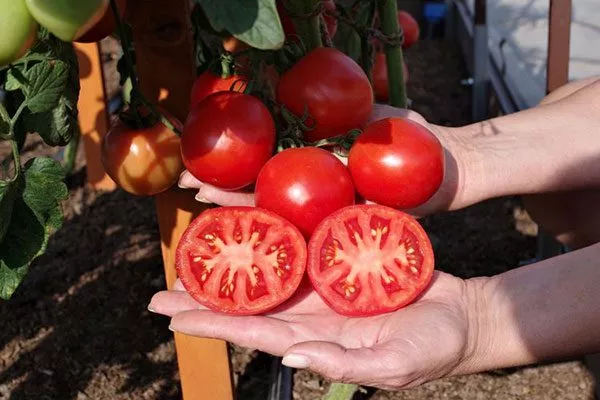
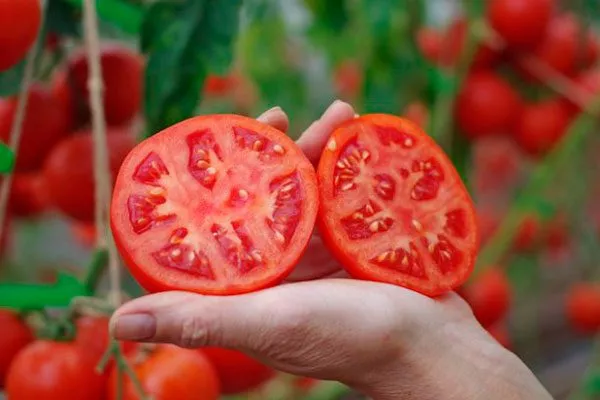
- The vegetables are round, with a slightly elongated top, covered in a dense, smooth, bright red skin. They are substantial, juicy, and have a classic tomato flavor with a slight tartness.
- Each fruit contains four seed chambers.
- This variety's primary use is fresh consumption. It's ideal for summer salads, which provide the body with a healthy dose of fresh vegetables.
- Courtesan is one of the most productive varieties with an ultra-early ripening period. The tomatoes form on compound clusters, each containing 8-12 tomatoes. The harvest can be completed in 2-3 picks.
The crop is resistant to late blight, but is susceptible to other diseases, requiring regular preventative treatment. One of the serious threats is the potato nematode.
Landing
To ensure a good harvest, it's important to adhere to certain requirements when growing Courtesan. Success depends on the selection of high-quality seeds, soil preparation, growing conditions, and plant care.
Before planting, soak the seeds in a solution of potassium permanganate or a biostimulant such as Epine or Zircon for 12-24 hours to disinfect and accelerate germination. Place the seeds on a damp cloth and leave at 22-25°C until sprouts appear.
Step-by-step algorithm for sowing seeds:
- Fill the containers with a nutrient mixture of humus, peat and garden soil (in a ratio of 2:1:1).
- Make furrows 1 cm deep, place the seeds at a distance of 2 cm from each other and sprinkle with a thin layer of soil.
- Moisten with warm water from a spray bottle.
- Cover the containers with plastic wrap or glass, creating a greenhouse effect. Keep at 25-27°C until seedlings appear (5-7 days).
- After the sprouts appear, remove the cover and move the containers to a bright place with a temperature of +18-20°C.
- When the plants have 2-3 true leaves, transplant them into separate cups.
Follow the recommendations:
- Before transplanting seedlings into the ground, harden them off 10-14 days in advance: place them outdoors for 1-2 hours at first, gradually increasing the time to a full day. Seedlings should have 6-8 true leaves and a strong stem 20-30 cm tall.
- Plant seedlings when the soil warms up to +12°C and the threat of frost has passed (usually in late May or early June).
- In the fall, dig the area, adding organic fertilizers (humus, compost). In the spring, add complex fertilizers (superphosphate, ash). Planting pattern: 40-50 cm between rows, 30-40 cm between bushes.
- Dig holes 20-30 cm deep. Water them with warm water. Place the seedlings in the hole at an angle, 2-3 cm below the first leaves to encourage additional root growth. Fill with soil and compact lightly.
Follow all recommendations to ensure you get high-quality tomatoes in large quantities in the future.
Further cultivation
Caring for Courtesan bushes requires attention to several important aspects to ensure high yields and strong immunity. Follow these simple agricultural practices:
- Watering. The plant requires regular watering. Use warm, settled water, avoiding contact with the leaves to protect the plants from diseases. Pour water at the roots.
- Top dressing. To ensure good growth and fruiting, fertilize plants 3-4 times per season. Use a complete fertilizer containing organic and mineral compounds. Apply the first fertilizing two weeks after planting, then repeat every two weeks during active growth and flowering.
Provide sufficient potassium and phosphorus to help plants produce strong vegetables. - Tying up. Even though the bushes are compact, the stems can break under the weight of the tomatoes. Therefore, install trellises or supports to carefully secure the shoots.
- Trimming. Regularly remove yellowed and damaged leaves to prevent disease and improve air circulation. This helps the plants focus their energy on developing tomatoes rather than maintaining a large amount of foliage.
If you're growing vegetables in a greenhouse, ventilate the room as often as possible to prevent moisture stagnation and reduce the risk of fungal diseases. Monitor the development of the vegetables and harvest them as they ripen.
The nuances of formation
Plant structure is an important part of crop care, as it directly impacts productivity. Tomatoes have a well-developed ability to produce extra shoots, which often negatively impacts the development of the vegetables. Plants may not have enough resources to fully ripen all the fruits.
Begin the process by pricking out the seedlings, which naturally shortens the roots, stimulating the development of new shoots. Proper plant formation involves several key steps:
- pinching out stepsons;
- topping;
- leaf pruning;
- normalization of ovaries;
- tying up plants.
These measures help ensure a high-quality and abundant harvest. When choosing a growing scheme, consider the growing conditions—whether you're growing in a greenhouse or in the open ground. In a greenhouse, pay attention to the light level and the size of the room; in the open ground, consider the type of plant and its tendency to produce side shoots.
Diseases and pests
One of the threats to this hybrid is the potato nematode. To avoid this problem, avoid planting tomatoes near potatoes. To prevent the spread of the disease, remove infected plants or use fungicides. The same rule applies to other diseases.
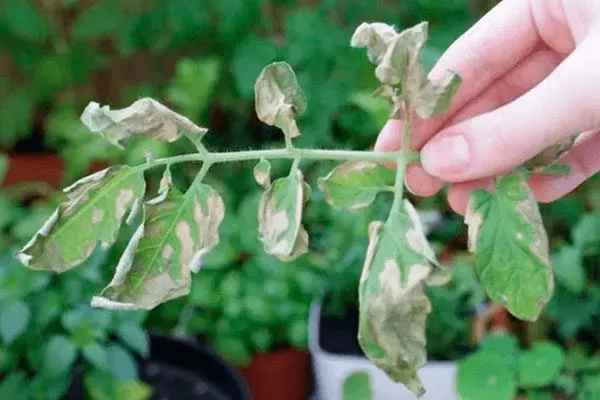
The courtesan is susceptible to attack by insect pests, such as aphids and spider mites. Aphids can be eliminated with a strong stream of water, while neem oil or garlic infusion are effective against the more persistent spider mites. Insecticidal soap is also effective against these pests.
Pros and cons
Before planting seedlings, carefully consider all potential aspects that may arise during cultivation. Courtesan has many advantages:
The variety has several disadvantages, including susceptibility to potato blight, the need for regular treatment with fungicides, weak resistance to pests, limited fruit weight, and the need for proper bush training to obtain maximum yield.
Reviews
The "Kurtizanka" tomato combines ultra-early ripening, high yield, and low maintenance. Compact bushes are densely covered with small tomatoes, each a vibrant red. This variety appeared relatively recently, but has quickly become popular among both novice and experienced gardeners.