
The Kurochka Ryaba tomato is an excellent choice for gardeners who value early and tasty harvests with minimal care. This variety performs well in any conditions, requires no complex farming techniques, and is ideal for a variety of dishes and preserves. With minimal farming, generous yields can be achieved.
Characteristics
Kurochka Ryaba is a unique tomato variety that has gained popularity among many vegetable growers in our country. Its numerous advantages have made it a popular choice in garden plots.
History of origin
The variety gets its name from its unusual appearance, reminiscent of the variegated coloring of chicken feathers. The original name immediately evokes associations with the multicolored pattern reflected in the vibrant fruits.
Description of the plant
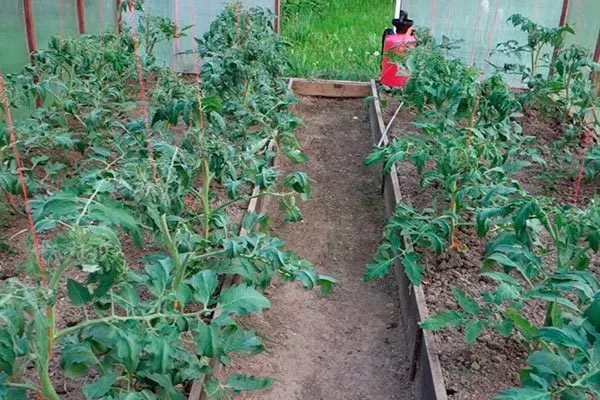
It belongs to the determinate varieties of the creeping type. The bushes are compact, ranging in height from 30 to 50 cm. The leaves are arranged in such a way that they reliably cover the fruit, protecting them from sunburn, especially in hot weather.
Main qualities of fruits
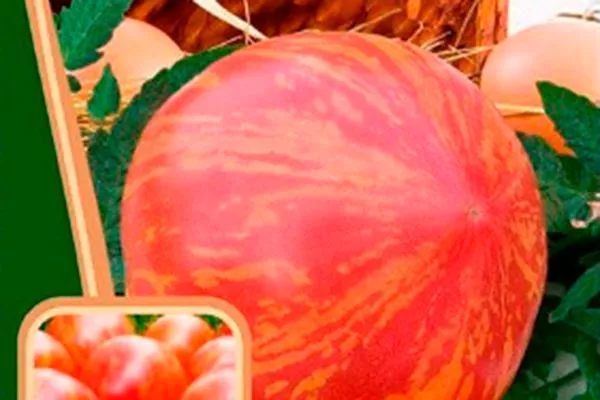
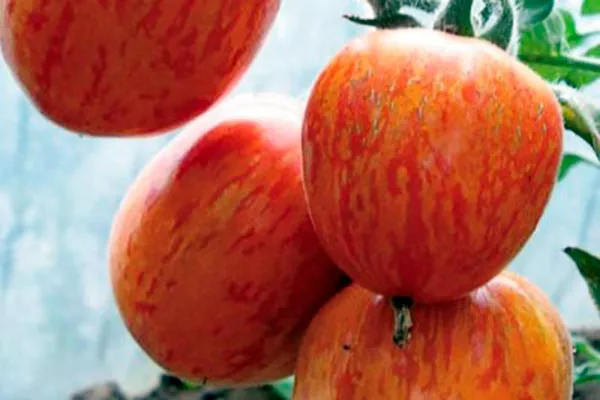
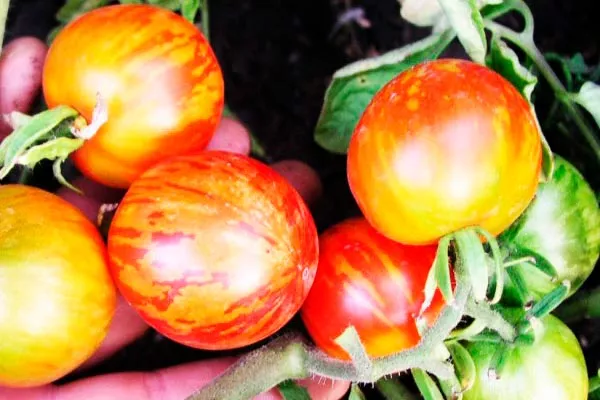
The fruits of the "Kurochka Ryaba" tomato are distinguished by their pinkish-red coloring, complemented by yellow stripes that give them a unique appearance. Each tomato averages 100-150 g.
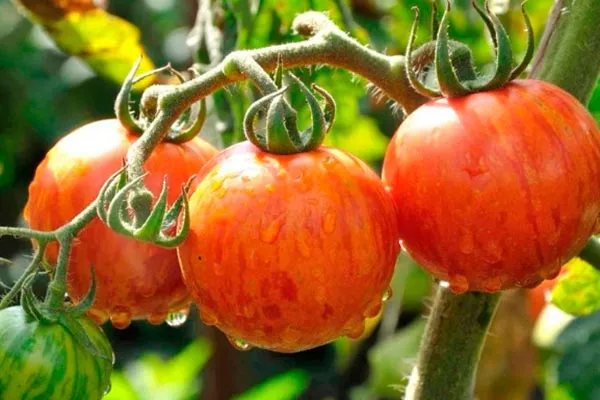
They have a rounded shape, but with a subtle elongation. This variety is characterized by good shelf life and transport stability, making it convenient for storage and transportation.
Taste characteristics
The tomatoes have excellent flavor. The fruits are sweet and slightly tart, with a distinct tomato aroma.
Culinary use
Ryaba chicken is ideal for fresh salads thanks to its firm flesh, which retains its shape when sliced. This is especially convenient for salads with diced tomatoes.
Tomatoes are used in hot dishes: they retain their shape and flavor when cooked, making them ideal for pizza, pasta, grilling, and casseroles. They are a great addition to sandwiches and burgers, adding juiciness and brightness.
Medicinal properties
The Kurochka Ryaba tomato is attractive not only for its striking appearance and excellent taste. It also contains a rich composition of beneficial nutrients that have a positive impact on health:
- Vitamin C – strengthens the immune system and protects the body from colds.
- Vitamin A – important for healthy vision.
- Vitamin K – promotes normal blood clotting.
- Phytochemicals (antioxidants and polyphenols) – help neutralize free radicals, reducing the risk of cardiovascular diseases and cancer.
- Lycopene and beta-carotene – strengthen the immune system, maintain healthy skin, and protect cells from damage, preventing the development of prostate, lung, and stomach cancer.
Thanks to their high fiber content, these vegetables improve digestion, help normalize cholesterol levels, and boost metabolism. Their low calorie content and rich vitamin content make them suitable for dietary use, helping curb appetite and maintain a healthy weight.
Ripening and fruiting
The Kurochka Ryaba tomato is an ultra-early variety, allowing for an early harvest. However, the exact ripening and harvest times are not specified in the descriptions, leaving gardeners to rely on general growing conditions and the climate in their area.
Productivity
The Ryaba Kurochka has high productivity rates. On average, gardeners can harvest around 5 kg per square meter, but only if they carefully follow agricultural practices. With maximum effort and proper care, larger yields can be expected.
Methods for growing the Ryaba Chicken tomato
This popular variety is known for its unique flavor and vibrant appearance. Several effective methods exist for successful cultivation and abundant harvests.
Through seedlings
The most common method of growing the crop is from seedlings. To do this, plant the seeds in special pots or containers with fertile soil and place them in a warm, well-lit area. Once the seedlings emerge, transplant them into larger pots or plant them outdoors.
In open ground
To grow the Kurochka Ryaba tomato outdoors, choose a sunny location with fertile soil. Plant the seeds 1-2 cm deep and water regularly. As the plants grow, thin them out, leaving enough space between them to ensure proper development.
Planting Ryaba the Hen
The future harvest depends on proper cultivation. To strengthen the plant's immunity and avoid problems, it's important to adhere to certain requirements.
Choosing a landing site
Tomatoes prefer sunny, warm locations, so when growing the Kurochka Ryaba variety, choose a site with good light, protection from strong winds, and access to water. It's important that the soil in the bed be fertile and have good drainage.
- ✓ Optimum soil temperature for sowing seeds: not lower than +15°C.
- ✓ The distance between plants when planting in open ground should be at least 40 cm to ensure sufficient space for growth.
Soil preparation
Before planting, thoroughly prepare the soil. It should be loose and fertile. Loosen the soil and remove weeds. If possible, conduct a soil analysis and apply mineral and organic fertilizers as needed.
Sowing Ryaba Hen
Sow seedlings in March. Even a slight delay can deprive you of the plant's early development. This variety is often grown without transplants. The seeds retain good germination for 5-6 years after purchase.
Follow these recommendations:
- Sow seeds to a depth of 1-2 cm.
- Space them in a pattern of 2-3 cm between plants to give them room to grow.
- After sowing, water with warm, settled water.
Keep the soil moist but not overwatered. If necessary, protect the crops from the cold with plastic or agrofibre. Once the plants grow and the first true leaves appear, thin them out, leaving 30-40 cm between seedlings to ensure proper development.
Requirements for planting tomato seedlings in a plot:
- A few weeks before planting, prepare the soil by adding fertilizer (such as compost or humus).
- Seven to 10 days before planting, begin hardening off the seedlings. Move them outside, gradually increasing the time spent outdoors. Check the seedlings for pests and diseases. Make sure the plants are strong and healthy, with well-developed roots and stems.
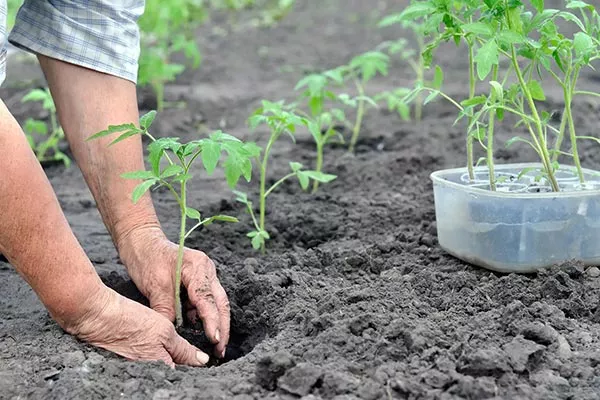
- Prepare planting holes, the depth of which should be about 10-15 cm. Leave a distance of about 40-50 cm between plants, and 60-70 cm between rows.
- Place the seedlings in the hole, cover the roots with soil and gently compact the soil around the stem.
Caring for the Speckled Hen
Caring for your crop involves several key steps to ensure healthy plants and a good harvest. Follow these simple agricultural practices:
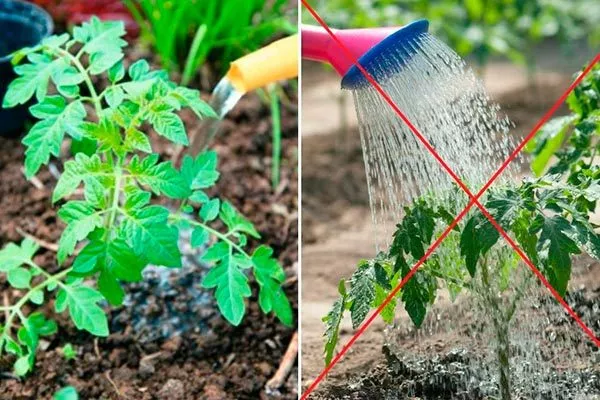
- Watering. The crop requires regular watering, especially during the period of active growth and fruit formation. Water the bushes at the roots using warm, settled water, avoiding contact with the leaves and tomatoes. Water in the morning or evening to avoid overheating the plants.
- Top dressing. To ensure good development and fruiting, fertilize tomatoes regularly. Use complex mineral fertilizers to stimulate growth, as well as organic fertilizers such as mullein or chicken manure infusion. Apply fertilizer for the first time 2-3 weeks after planting, then repeat every 2-3 weeks.
- Thinning and pinching out side shoots. Since Kurochka Ryaba is a determinate variety, side-shoot pruning should be done sparingly. Remove excess shoots to avoid crowding and ensure better air circulation.
- Mulching. Applying mulch to the soil around the bushes will help retain moisture and protect the roots from overheating. Use organic materials such as straw or compost.
- Protection from diseases and pests. Regularly check your plants for diseases such as late blight or powdery mildew. For prevention, use biological products or copper sulfate solutions.
If not cared for properly, bushes may be attacked by insects such as aphids or spider mites. If pests appear, use safe insecticides.
If necessary, trim off yellowed or damaged leaves to focus the bush's energy on fruit development.
Harvesting
Kurochka Ryaba tomatoes reach maturity 90-100 days after planting. Harvest the fruits when they are fully ripe and a rich orange hue. Carefully remove the tomatoes, stems included, to avoid damaging the plants.
- ✓ Resistance to short-term temperature drops down to +5°C.
- ✓ Ability to bear fruit even in low light conditions.
Pros and cons
This tomato variety has thrived in most gardens thanks to its numerous positive characteristics. The bushes grow compactly with low, trailing stems, so staking is virtually unnecessary. Pinching is minimal.
The fruits ripen quickly, which helps prevent fungal diseases and allows for an early harvest. The tomatoes have a pleasant flavor, making them ideal for both fresh eating and canning.
The only drawback is that the fruit may touch the ground. However, this problem can be easily solved by spreading straw or sawdust mulch under the bushes, which will help keep the harvest clean.
Reviews
The Kurochka Ryaba tomato attracts the attention of both novice and experienced gardeners due to its low maintenance, early fruiting, and excellent taste. Its compact growth habit and disease resistance make it an ideal choice for those seeking a bountiful harvest with minimal effort. It's important to learn the basic characteristics of this tomato.