
The Kumir tomato is a highly productive hybrid with unlimited growth, extremely popular among gardeners. The variety's name is no coincidence, as it is widely known and in demand, as its creators intended. Thanks to greenhouse cultivation, Kumir can be grown even in the most remote and cool regions.
Main characteristics
This variety has some resistance to common tomato diseases, but to prevent problems, it's recommended to use specialized chemicals. It's a suitable choice for beginning gardeners, as growing it doesn't require any complex skills.
Historical background
The variety was developed by researchers E. N. Andreeva, S. L. Nazina, M. I. Ushakova, and T. A. Oktyabrskaya, resulting in the formation of tall and productive bushes. It was included in the State Register of Approved Varieties in 2002, and its originator is Tomagros Breeding and Seed Company, LLC.
Information about its origins on the internet (and even at seed stores) is sometimes contradictory and cannot be fully confirmed. Some sources claim that Kumir was created by Dmitry Medvedev and is a cultivar, not a hybrid.
Description of the bush
Scientific research has led to the development of tall bushes, which can reach 170 cm in height if grown from side shoots. If trained upright, the plant can reach over 200 cm in length.
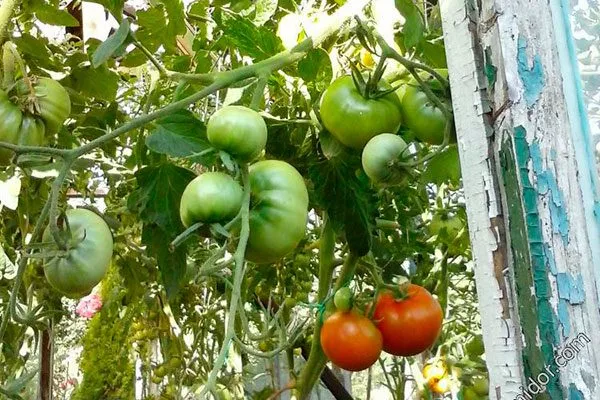
Other varietal characteristics and features:
- Despite its impressive size, the bush is not overgrown with foliage. Its moderate foliage allows for good ventilation and sunlight to reach the fruit. The medium-sized leaves are harmoniously colored in greenish tones.
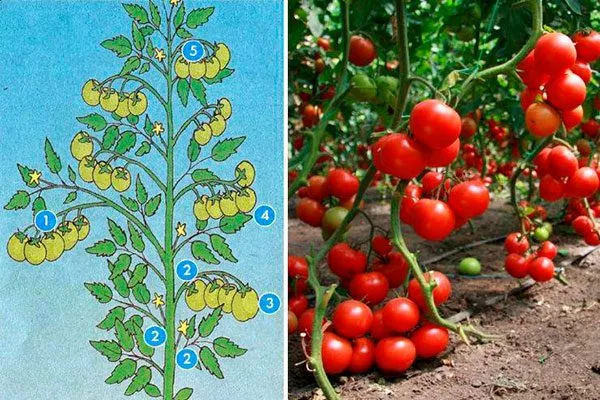
- The inflorescences are simple, yellow, and initially form above the ninth leaf, followed by an interval of three leaves. However, they can also form after one or two leaves, and they can be located next to each other.
- The bush has a strong structure. It's important to monitor its development and, if necessary, train it.
- The flowers are small, yellow, and typical of tomatoes. After pollination, fruit formation begins. It's important to note that the inflorescence ends at the top of the bush, so the plant stops growing after a certain number of clusters have formed, allowing the plants to concentrate on ripening the vegetables.
- The Kumir tomato's root system is powerful and penetrates deep into the soil, providing the plant with nutrients and water. The variety is relatively drought-resistant and can tolerate periods without watering.
But to achieve a high yield, regular watering is recommended, especially during the period of active growth and fruit formation.
Fruit characteristics
Idol is famous for its bright red fruits, which are round, moderately ribbed, and quite large – from 165 g, although under ideal conditions their weight can reach 400-450 g. Other characteristics:
- Each tomato contains 4 to 6 seed chambers in its center. The Idol contains only 5% dry matter, which gives the tomato flesh its exceptional softness. It's juicy and fleshy, with few seeds.
- Tomatoes of this variety have a smooth, shiny surface. When ripe, they acquire a bright red color, making them appetizing. The skin is firm but not tough, which contributes to its durability and ease of transportation.
- Vegetables retain their commercial qualities for a long time, without cracking or losing their appeal, which is a key aspect for those planning to transport or store the harvest.
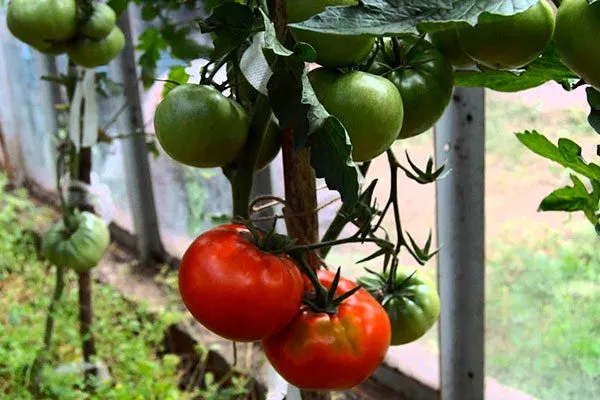
Ripening and fruiting, productivity
Kumir requires 3 to 3.5 months, or approximately 115 days, for it to reach full maturity. This mid-early variety is characterized by a long fruiting period. According to reviews, harvesting can continue until the first frost.
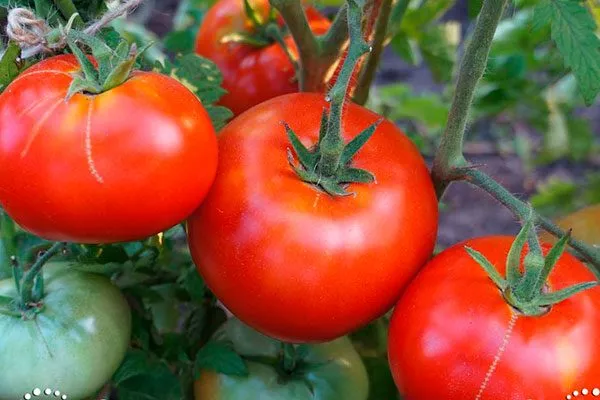
Kumir demonstrates high yields. The minimum yield is 14.2 kg per square meter, but it can reach 16 and even 18 kg.
Taste and uses
Kumir tomatoes are rich in vitamins and microelements—they contain plenty of vitamin C, vitamin A, potassium, magnesium, and other beneficial substances. Regular consumption strengthens the immune system, normalizes metabolism, and has a beneficial effect on cardiovascular health.
The flavor is characterized by sweetness with a slight tartness and a strong tomato aroma. These tomatoes are ideal for:
- eating raw, making salads;
- preparation of juices, pastes, ketchups, adjika;
- freezing and drying;
- canning and other processing methods (thanks to their dense skin and fleshy structure, they retain their shape well during heat treatment).
Due to their appealing flavor and marketable appearance, Kumir tomatoes are a popular choice for both home and commercial use. Their resistance to cracking and long shelf life make them ideal for market sales, providing a stable income.
Agricultural technology
Tomato Kumir is an early, indeterminate variety, which is characterized by a long fruiting period, continuing until the first frost.
It boasts consistent fruit quality throughout its growing season. In temperate climates, such as central Russia, greenhouse cultivation is recommended.
Sowing seeds
To obtain strong and healthy seedlings, it is recommended to use the seedling method. Seeds should be sown 50-60 days before the intended planting. If the seeds were purchased from a store, they are ready to sow and require no preparation. However, if you collected them yourself, it is best to take a few preparatory steps:
- Sorting: Removing unusable seeds from the bulk of the mass. To do this, pour them into a glass of salt water and wait until the empty seeds float to the surface.
- Disinfection: The grains are placed in a disinfectant solution to prevent fungal diseases.
- Biostimulation: To boost immunity, you can soak them in aloe juice.
Once the seeds are prepared, you can begin sowing them. The procedure is as follows:
- Take small plastic pots and fill them with soil.
- Place the seeds 1 cm deep, bury them and water them with a spray bottle.
- Cover the container with film and place it in a dark and warm place.
- After the sprouts appear, remove the covering.
Thus, by following these simple rules, you can get strong and healthy Kumir tomato seedlings that will grow well and bear fruit in the future.
How to care for seedlings?
The strongest and healthiest shoots are those that emerge alongside others. The first and last shoots rarely survive and can be removed. Of the total number, only 30% prove to be the most resilient.

Care tips:
- Once the first green leaves appear, ensure adequate light by placing the pots on a windowsill or other bright location. The daily light should be at least 16 hours.
- Don't let the soil dry out, and if the soil quickly loses moisture, mist the plants with a spray bottle. The faster the shoots grow, the more water they need. However, overwatering can cause the leaves to close and lose their elasticity.
- Fresh air also plays a key role in seedling development. If the weather permits, you can move the pots to the balcony.
- Seedlings will need fertilizer within 2-3 weeks after leaflets appear. Organic solutions such as manure or grass are ideal. Fertilizer should be applied weekly thereafter.
- The process of redistributing seedlings is carried out in several stages: first, the seedlings are transplanted into other common containers, and then, after about two to three weeks, they are transplanted into more spacious and individual pots.
- When the plant begins to form its first flower buds, the seedlings are transferred to a permanent location.
Selecting a site and preparing the soil
To successfully grow the Kumir tomato, as with any other variety, it's essential to carefully select a site and prepare the soil. These two key factors determine healthy plant development and a bountiful harvest. When choosing a site, consider factors such as light conditions, soil composition, moisture levels, and previous crops grown in the area.
Please pay attention to the following nuances:
- The crop requires plenty of light. To ensure optimal growth and fruiting, select a site that receives ample sunlight and is protected from strong winds and drafts. Low-lying areas, where cold air accumulates and moisture stagnates, are unsuitable.
The best option is a south or southeast-facing garden, which provides the maximum amount of sunlight throughout the day. In greenhouses, uniform lighting is essential for all plants. - This crop prefers loose, fertile soils with a neutral or slightly acidic pH (6-7). Soil preparation begins in the fall, with deep digging to the depth of a spade, along with the addition of organic fertilizers (rotted manure or compost).
This improves the structure of the soil, enriches it with nutrients and creates a favorable environment for the development of beneficial microflora. - In the spring, before transplanting seedlings, the soil must be loosened and mineral fertilizers containing nitrogen, phosphorus, and potassium must be added to provide the plants with the necessary nutrients during the initial stage of growth.
- Crop rotation is an important factor when growing Kumir tomatoes. It is not recommended to plant tomatoes after nightshades such as potatoes, peppers, and eggplants, as they can harbor common diseases and pests.
Good predecessors for tomatoes include cabbage, legumes, squash, and greens. Crop rotation helps prevent exhaustion and reduce the risk of disease.
When growing Kumir tomatoes in a greenhouse, special attention should be paid to preparing the beds. This includes creating optimal conditions for plant growth, including the correct light, temperature, and humidity, as well as providing the necessary nutrients and micronutrients.
Planting seedlings in the ground
Planting is a crucial step that will influence future development and yield. To achieve success, it's crucial to carefully time the planting, prepare the soil, and follow the proper planting method:
- Moment of landing. When exactly to transplant Kumir tomatoes into the ground depends on local climate conditions and the growing method (outdoors or greenhouses). In central Russia, greenhouse seedlings are planted between May 1 and 15, and in open ground after the last frost has passed.
This usually occurs between May 20 and June 10. By this time, the soil layer at a depth of 10 cm should warm up to +10-12°C. - Scheme. The optimal planting pattern for the Kumir tomato involves spacing 70-75 cm between rows and 50-55 cm between plants within a row. This ensures sufficient space for growth and prevents plants from becoming too dense, which improves ventilation and reduces the risk of disease.
- Disembarkation procedure. It is standard:
- Before planting, add a little compost or humus to the holes, which should be well mixed with the soil.
- Carefully remove the seedlings from the pots, being careful not to damage the roots.
- Place in the holes.
- Fill with substrate, compacting it lightly around the plants.
- After planting, water thoroughly.
Critical parameters for successful cultivation- ✓ Optimum soil temperature for planting seedlings: +10-12°C at a depth of 10 cm.
- ✓ Distance between plants: 50-55 cm in a row, between rows: 70-75 cm.
- Mulching. After planting, it's recommended to protect the soil around the plants with a layer of straw, peat, or other organic material. This will help retain moisture, prevent weed growth, and create favorable conditions for the root system.
- Frost protection. If there's a risk of frost after planting outdoors, protect the plants with agrotextile or film. This will prevent damage to young tomatoes due to low temperatures.
Plant care
Caring for the Kumir hybrid requires careful attention and includes a number of important steps aimed at creating favorable conditions for growth and fruiting. These include regular watering, fertilizing, bush training, and disease prevention:
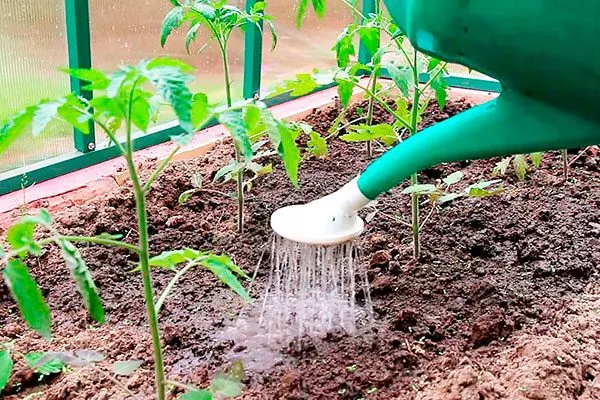
- Irrigation. Kumir tomatoes require regular, but not excessive, watering. Mist the root system, avoiding contact with the leaves. Watering frequency depends on weather conditions: increase watering during hot and dry weather, and decrease it during cool and rainy weather.

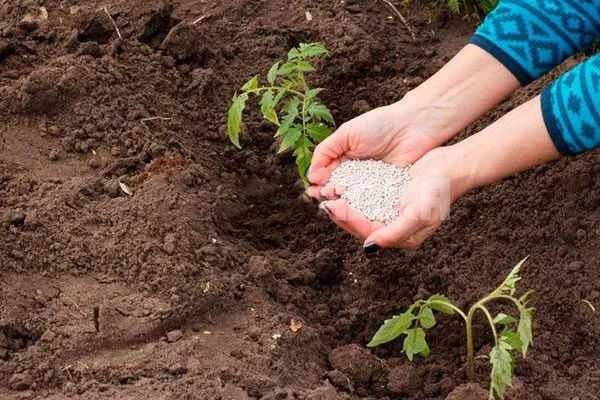
Optimal soil moisture is critical to preventing fruit top rot. - Fertilizers. To achieve excellent results when growing Kumir tomatoes, they need to be fertilized periodically. The first application of fertilizer should be 2-3 weeks after transplanting the seedlings, using a complex mineral or organic fertilizer. During the fruiting period, nutrients are applied every 2-3 weeks, increasing the potassium content.
- Formation of a bush. To achieve larger fruit sizes, it's recommended to leave 1-2 stems on the bush. Pruning side shoots helps direct nutrients to the main stem and fruit production. Also, remove lower leaves promptly to improve airflow and reduce the risk of disease.
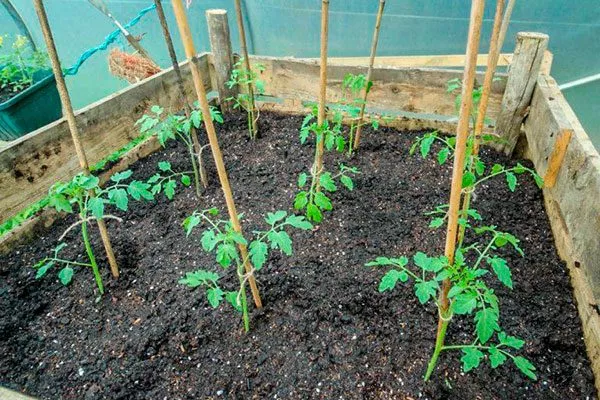
- Bush support. To prevent stem damage under the weight of the fruit, secure tall bushes to a supporting structure. Wooden stakes, trellises, or netting can be used for support.
- Harvesting. Kumir tomatoes should be harvested as they ripen. Ripe tomatoes are bright red and have a distinctive aroma. The optimal time for harvesting is when new fruit emerges.
The nuances of growing in open ground and greenhouses
When choosing a location for cultivation, it is necessary to take into account that this will affect the future care of the plants:
- Greenhouse temperatures are higher than those in open fields, requiring regular ventilation and careful monitoring of soil moisture levels. When using chemicals to treat tomatoes in a greenhouse, be especially careful to avoid exposure to harmful gases.
- When removing side shoots from tomatoes, be careful in a warm room, as intensive removal of leaves and shoots can lead to overheating and subsequent drying out of the plant. Despite these nuances, for northern regions, a greenhouse remains the only possible place to grow tomatoes, where they receive the necessary warmth.
- Keep in mind that even in southern regions, bushes grown outdoors are not protected from inclement weather and cold. This may simplify watering, but on the other hand, excess moisture can promote the development of pathogenic fungi.
- In greenhouses, it's recommended to remove lower-growing leaves, leaving no more than two or three. However, for tomatoes grown outdoors, this practice is impractical, as the foliage protects the fruit from direct sunlight.
Pests and diseases
One of the most common tomato diseases is late blight, which causes brown leaves, black stems, and dark spots on the fruit. Fungicides are used to control this disease.
Another threat to tomatoes is the Colorado potato beetle:
- This pest overwinters in the soil and emerges in the spring to attack plants.
- To reduce the risk, it's important to thoroughly prepare the soil before planting, which can be achieved by loosening the soil. You can also plant garlic or calendula near the tomatoes, as they emit a strong aroma that repels beetles.
- If pests appear on plants, it is recommended to remove them manually, as chemicals are effective but can be harmful to the environment and human health.
To protect tomatoes from disease, it's essential to regularly ventilate greenhouses, follow crop rotation rules, and treat plants with specialized products against late blight and other fungal diseases. It's also crucial to closely monitor the condition of the plants and take timely measures against pests.
Pros and cons
The Kumir hybrid boasts a number of advantages, making it a leader among vegetable cultivators. Key benefits include:
The disadvantages of the variety include:
Kumir is ideal for gardening enthusiasts. It produces a bountiful harvest, doesn't require complex growing conditions, and allows for long-lasting harvests, making it one of the most sought-after tomato varieties among vegetable growers.
Reviews
Kumir is known for its abundant harvest, ease of cultivation, and long harvest time, making it one of the most popular varieties among gardening enthusiasts. Kumir tomato care doesn't require any complicated procedures. Basic cultivation techniques include watering, fertilizing, loosening the soil, and removing side shoots.