
The Kulema tomato is successfully cultivated throughout the country due to its excellent varietal characteristics. This variety has gained popularity due to its productivity, excellent taste, strong immunity, and other positive qualities. Even beginners can easily grow it, as the plants are low-maintenance, but yield depends on proper cultivation techniques.
History of selection, regions
The improved variety was introduced in 2022. It was developed a year earlier by Siberian breeders. The originator is the Semena Altaya agricultural firm.
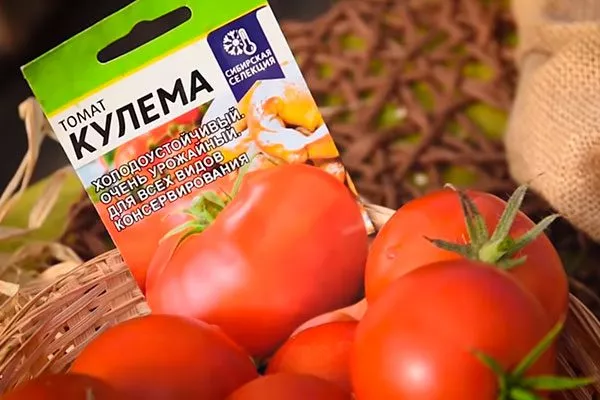
The crop is successfully grown both in garden beds and greenhouses. Due to its high adaptability to various climatic conditions, tomatoes are suitable for cultivation in the southern, central, and northern regions.
Description of the appearance of plants and fruits
This is a determinate variety. The bushes are compact and low-growing, growing up to 65 cm in garden beds and 95-100 cm in greenhouses. Distinguishing characteristics:
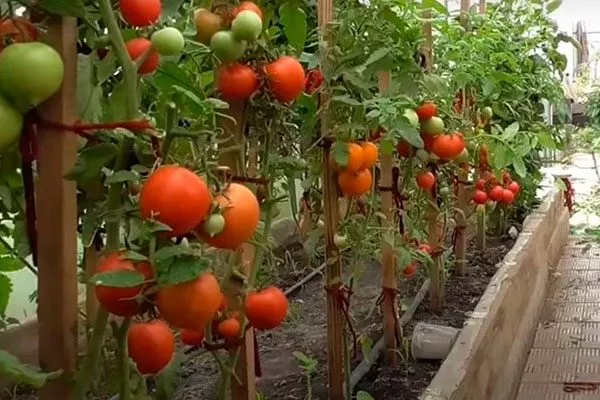
- The plants are abundantly covered with large, smooth leaves, colored dark green.
- The crop has complex inflorescences arranged in pairs, separated by 1-2 leaves, ensuring uniform and simultaneous ripening of tomatoes. A single cluster produces 5-8 tomatoes.
- The tomatoes are flat-round in shape and slightly ribbed. They are smooth and bright red. Their weight ranges from 170 to 250 g.
- The taste is sweet and sour, with fleshy, juicy pulp and a distinct aroma.
- Tomatoes have small seed chambers – 2-4 of them – that contain small seeds.
- ✓ Resistance to temperature fluctuations, which makes the variety suitable for growing in various climatic zones.
- ✓ Self-pollination ability, which increases yields even in conditions of limited access to pollinating insects.
The vegetables have a thick skin that prevents them from cracking. When fully ripe, the fruits may fall off.
Taste properties, subtleties of use
Beneath the thin skin lies tender, fleshy, moderately dense, and juicy pulp with a rich flavor—a harmonious blend of intense sweetness and subtle tartness that becomes more pronounced when fully ripe. Sugar content is rated at 3-4 points, and acidity does not exceed 2 points.
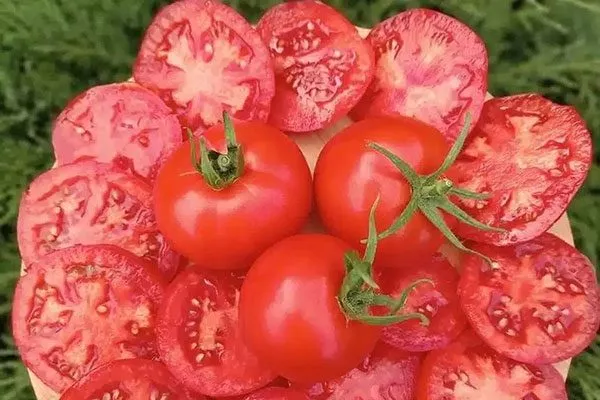
The flavor is complemented by a rich aroma with spicy, refreshing notes. The Kulema variety is versatile: it's used in fresh salads, canning, pickling, and for processing into ketchup, sauces, and dressings.
Ripening time, productivity
This variety is considered a mid-season variety. The growing season lasts 110-120 days. Fruiting continues for a long time, allowing for harvesting in several stages. The first ripe tomatoes appear in mid-July, and overall ripening continues until early autumn.
The peak harvest occurs in the first half of August. Despite their tough and elastic skin, tomatoes do not fare well in long-distance transport, but they keep well. The yield is high: 2-3 kg per bush, and 8-11 kg per square meter.
Features of cultivation
Tomatoes are most often grown using seedlings. To ensure healthy and strong seedlings, it's important to follow several important guidelines.
- ✓ The optimal soil temperature for seed germination should not be below +25°C.
- ✓ Using growth stimulants for seeds before sowing increases germination by 20-30%.
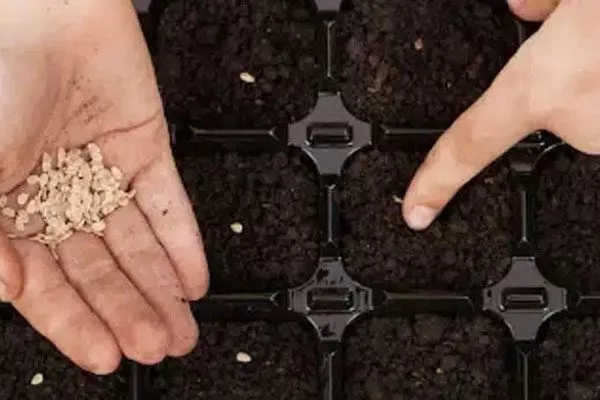
Sowing rules and timing
The optimal time for growing seedlings is late April to early May, depending on the region. Wait until the risk of frost has passed. In greenhouses and in southern regions, it is recommended to begin sowing in early to mid-April, while in northern regions, postpone the process until early May.
Before planting the seedlings, thoroughly prepare the site: dig, remove weeds and stones, and loosen the soil. To improve fertility and neutralize soil acidity, add rotted manure and dolomite flour when digging.
Follow these recommendations:
- Dig holes 10-15 cm deep and up to 20 cm wide.
- Place mineral fertilizers on the bottom, mixing them with the soil to avoid burning the roots.
- Space seedlings 20 cm apart. Maintain a distance of 60 cm between rows.
- Moisten the seedlings, carefully remove them from the pots along with the root ball and place them in the holes.
- Bend the stems slightly, water them and cover them with soil, leaving no empty spaces.
- Compact the tree trunk circle.
Plants experience stress after planting, so water them only after 10 days. To conserve moisture, mulch the surrounding soil with sawdust or dry leaves.
Conditions for growing seedlings
To grow healthy and strong seedlings, it's important to create an optimal environment. Maintain a temperature of 25-27°C until seedlings emerge. Afterward, keep the temperature at 20-22°C during the day and 16-18°C at night.
Suitable conditions for growing seedlings:
- For full development, seedlings require 12-14 hours of light per day. On cloudy days or when daylight hours are short, use phytolamps.
- Water the plants moderately, using warm, settled water (22-24°C). The soil should be slightly moist, but not excessively so as to prevent disease.
- The optimal humidity level is 60-70%. Avoid excess moisture and ventilate the room regularly.
- Use a light, loose, and fertile soil mixture with a neutral pH. Prepare a mixture of humus, garden soil, and peat in equal proportions, adding a little sand to improve drainage.
- Pick out the seedlings after 2-3 true leaves appear, transplanting the plants into separate containers with a capacity of 0.5-1 liter.
- Apply the first fertilizer 7-10 days after transplanting, using a weak solution of complex fertilizer. Then, continue feeding every 10-14 days.
Two weeks before transplanting to their permanent location, begin hardening off the seedlings. First, take the plants out onto the balcony for a few hours or open the windows, avoiding direct sunlight and drafts. Gradually increase the time spent outdoors.
Transplanting seedlings
Transplant the seedlings into the garden bed in May, when the plants have developed 6-8 leaves and the first flower cluster. Choose a site with loose, fertile, moisture-retentive, and breathable soil with a slightly acidic pH.
Recommendations for bush care
The Kulema tomato doesn't require complex care, but it does have certain growing conditions. For optimal growth, it requires consistent light and regular ventilation, especially in greenhouses.
Watering and fertilizing
Provide the bushes with regular moisture, as they love moisture but do not tolerate waterlogged soil. Follow these recommendations:
- Be moderate in watering to avoid overwatering, which can lead to the shedding of flowers and ovaries, and in the worst case, the death of the plant.
- After planting, water the seedlings 1.5 weeks later, using about 1 liter of water per plant. Repeat this process once a week. When the tomatoes begin to ripen, increase the amount to once every five days, pouring about 5 liters of water under each plant.
- Do not allow the soil to dry out, as lack of moisture can cause diseases.

Kulema responds well to nitrogen fertilizers, which promote lush plant growth. Be careful with the dosage, as too much nitrogen can lead to excessive foliage and a meager harvest.
At the fruit ripening stage, apply fertilizers containing phosphorus, which promotes the formation of juicy and sweet tomatoes.
Forming, hilling, loosening
The bushes form naturally, without human intervention, with one or two central stems and virtually no side shoots. No side shoots are required. The only necessary maintenance is periodic removal of dried leaves from the lower part of the bush.
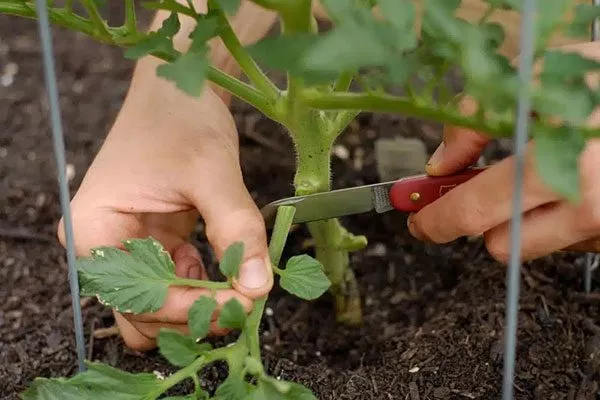
Loosen the soil every 10-12 days. Breaking up the soil crust improves air circulation and ensures proper nutrient delivery to the root system.
Harvesting and storage of crops
Harvest the tomatoes as they ripen, ideally in 2-3 stages. If cold weather sets in or there are prolonged rains, harvest the tomatoes unripe. At temperatures between 18°C and 26°C, the tomatoes ripen in 12 days, while the brown tomatoes ripen in a week.
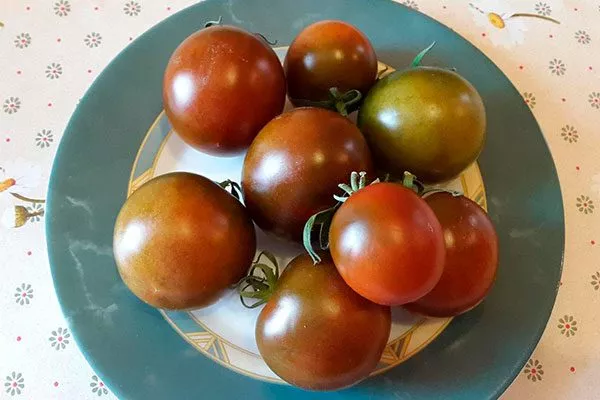
Kulema tomatoes have a short shelf life. If you have a large harvest, you can preserve them whole, make tomato juice, or use them for other winter preparations.
Protection from diseases and pests
The crop rarely suffers from diseases and has increased resistance to late blight. However, diseases can occur during prolonged rainfall or a deficiency of phosphorus, potassium, and magnesium in the soil.
Helpful tips:
- To improve plant health and prevent magnesium deficiency, feed them with magnesium sulfate – 40 g per 10 liters of warm water. Consumption per plant is 2.5 liters.
- To prevent fungal diseases, after each rain, spray the plantings with a weak solution of potassium permanganate and sprinkle the spaces between the rows with ash.
Pests rarely attack the crop, but mole crickets may appear in areas with a high organic content. To combat the pest, use specialized products strictly according to the instructions. If there are only a few mole crickets, bury pine branches between the rows to discourage them.
Pros and cons
Each variety has its own advantages and disadvantages, which are important to consider when planning your planting. Kulyoma tomatoes have the following advantages:
This variety has significantly fewer drawbacks. Beginners may find it challenging to properly shape, prune, and tie the plants to supports. Furthermore, ripe fruits do not fare well in long-distance transport.
Reviews
The Kulema tomato is a sought-after variety, attracting attention for its excellent productivity and low maintenance. It boasts excellent flavor, good shelf life, and disease resistance, making it versatile for growing in a variety of climates. With proper care, it yields generous harvests.