
The Bloody Mary tomato is a greenhouse variety. It's the best choice for gardeners seeking large, tasty fruits. These red tomatoes have juicy, sweet flesh, making them ideal for fresh eating, salads, and canning. With proper care and minimal attention, they yield bountiful harvests.
Originators, appearance of the bush and fruits
The variety with the popular name was developed by domestic breeders and added to the State Register in 2015. The plant is vigorous, reaching 183 to 200 cm in height.
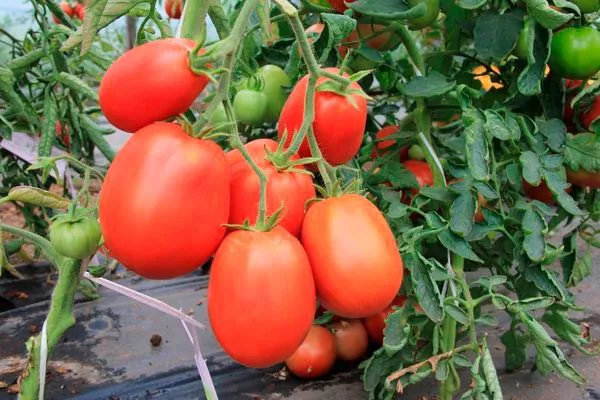
Distinguishing qualities:
- The strong shoots are covered with large leaves of various shades of green, their length is 43 cm.
- The inflorescences are predominantly simple, but intermediate ones are also present. Up to 20 tomatoes form on elongated racemes with peduncles.
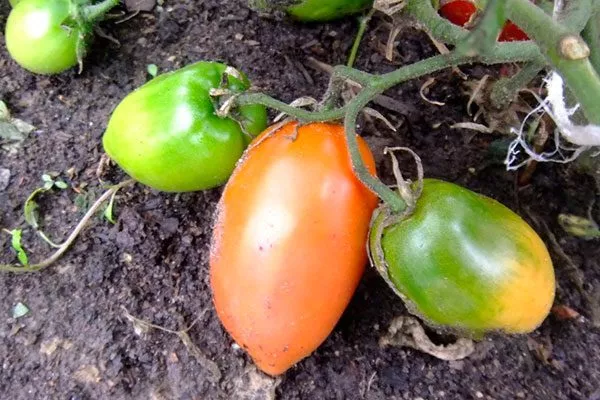
- When unripe, tomatoes have a pale green hue, which turns deep red as they ripen.
- The vegetables are quite large, weighing between 260 and 300 grams. They have an unusual cubic shape, reminiscent of a plum or a barrel. Pronounced ribs are often visible at the base of the stalk.
Under the smooth, shiny skin lies medium-dense, sugary flesh.
Main characteristics
The Bloody Mary hybrid provides vegetable growers with a stable harvest of high-quality tomatoes with a distinctive shape and a pleasant flavor. For successful cultivation, the plants require staking and structuring.
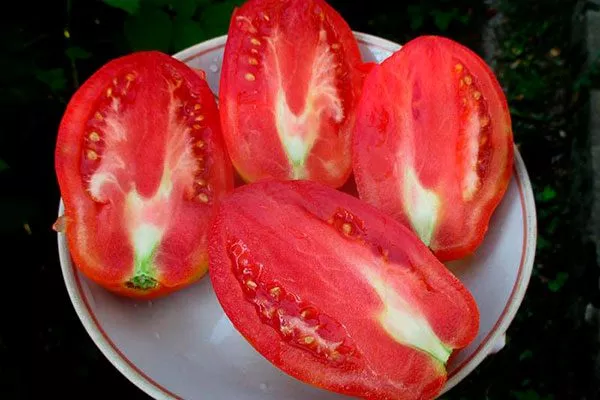
Features of the culture:
- Ripening and fruiting, productivity. It boasts high yields, reaching 10-12 kg per square meter. It's a late-ripening tomato, ripening 120-130 days after germination. With proper care, you can harvest vegetables until late autumn, right up until the first frost.
- Scope of application. Tomatoes are used in salads, sauces, juices, and canning. Their dense flesh allows them to retain their shape and texture during cooking, making them versatile in cooking.
In addition to its attractive appearance, the variety is characterized by a sweet taste and rich aroma.
Growing Bloody Mary Tomatoes
Growing tomatoes is a simple process, but it does require attention and proper agricultural practices. This task is easily accomplished by both experienced gardeners and novice gardeners.
Soil preparation and planting
Successful cultivation of the crop begins with preliminary cultivation of the beds and proper planting of seedlings.
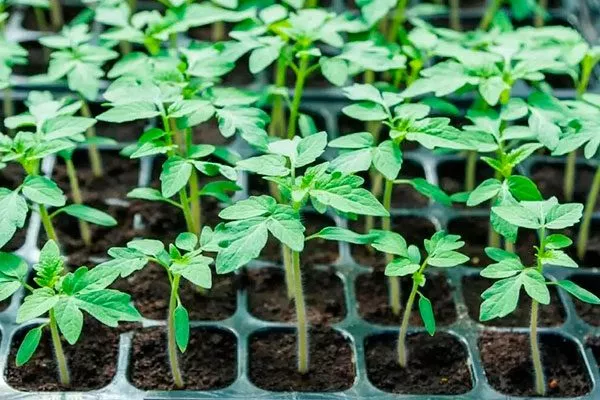
- ✓ The optimal soil temperature for planting seedlings should be at least 15°C.
- ✓ The distance between rows should be at least 70 cm to ensure sufficient aeration.
To get a bountiful harvest, follow these helpful tips:
- The soil should be fertile, loose, and fresh. Before planting, irrigate it with a copper sulfate solution to protect the plants from diseases.
- Loosen the soil, remove weeds and stones. Add organic fertilizer to improve soil structure and nourish the seedlings.
- Plant the seedlings in the area at intervals of about 40 cm, deepening them so that the lower leaves are at the soil surface.
- After planting, water the plants well and cover them with film for adaptation.
- After 10-14 days, remove the cover for a few hours a day to allow the seedlings to get used to sunlight.
Following these rules will allow you to grow strong and healthy bushes that will delight you with delicious fruits throughout the season.
Plant care
Caring for Bloody Mary tomatoes promotes vigorous growth, abundant fruiting, and protection from potential diseases. Follow basic gardening practices to ensure healthy plants throughout the season:
- Trim excess shoots and leaves to create a structured, compact plant and increase yields. This will allow the plants to focus their energy on developing and ripening tomatoes.
- Mulching, loosening, and weeding are essential maintenance procedures for successful tomato growing. Mulch helps retain soil moisture, prevents weeds, and retains heat. Fluffing improves root aeration and promotes rapid absorption of water and nutrients.
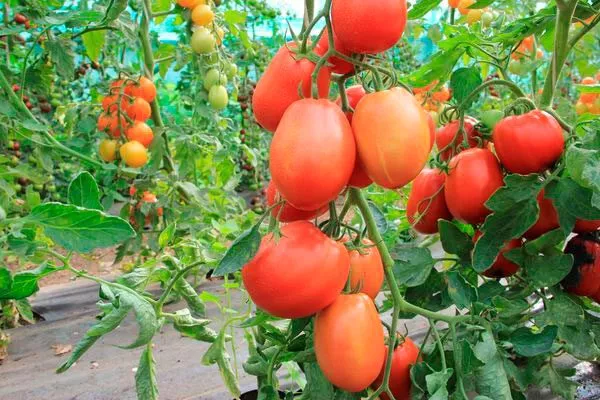
Features of watering and fertilizing
The plant needs sufficient moisture to actively form fruits, but excessive watering can cause root rot and disease.
Helpful tips:
- The optimal watering schedule is once every 5-7 days, especially during hot periods. Apply water in the morning or evening, avoiding dripping onto the leaves to reduce the risk of fungal infections.
- Fertilizing plays a key role in caring for Bloody Mary tomatoes. The most important periods for fertilization are during active growth and fruit set. Use both organic and mineral fertilizers containing nitrogen, phosphorus, and potassium to nourish tomatoes.
Maintain a balanced nutrient supply and adjust fertilizers according to the plant's development stage. The optimal frequency is every 10-14 days.
Pest and disease control
When cultivating this variety, consider the risk of various problems. Failure to follow proper cultivation practices, excessive moisture, or nutritional deficiencies can weaken tomatoes and make them vulnerable to infections and insect pests.
Bloody Mary may suffer from the following diseases and parasites:
- Late blight. It appears as dark spots on leaves, stems, and fruits. It is caused by high humidity and sudden temperature changes. To prevent the disease, spray your plants with copper-containing products such as Hom or Topaz.
- Mosaic. A viral disease that causes leaf deformation and the appearance of light-colored marks. Remove infected plants, and treat seeds with potassium permanganate before planting.
- Gray rot. A fungal infection that affects trunks and foliage. It develops with overwatering. Control it with fungicides such as Fundazol or Rovral, and regulate the watering regime.
- Verticillium wilt. It causes yellowing of the lower leaves and gradual wilting of the bushes. Treatment won't help, so practice crop rotation.
- Aphid. It feeds on the sap of young shoots, weakening the plant. Garlic and tobacco infusions, or the insecticide Aktara, are effective.
- Spider mite. It sucks out cell sap, leaving a fine web on the leaves. Acaricides, such as Oberon, will help.
- Whitefly. A small insect that lays its eggs on the undersides of leaves. They weaken bushes by sucking their life force and sucking their sap. Sticky traps and the biological product Actellic are effective.
- Colorado beetle. It damages stems and foliage but does not affect tomatoes. Remove pests by hand, apply insecticides, and plant repellent plants, such as calendula, nearby.
Diseases and pests can significantly reduce the productivity and quality of vegetables. Timely preventative measures, proper growing conditions, and regular inspection will help prevent the spread of infections and insects, ensuring a stable and abundant harvest.
Pros and cons
Culture has many advantages, but also some disadvantages.
- ✓ High resistance to temperature fluctuations.
- ✓ Long shelf life of fruits after harvesting.
Despite the need for extra care, Bloody Mary is a promising choice for those willing to provide comfortable growing conditions.
Reviews
Bloody Mary is an ideal choice for gardeners seeking a tomato with excellent flavor and consistent productivity. Although this variety requires careful care and comfortable greenhouse conditions, the resulting large, sweet, and bruise-resistant fruits are worth the effort.