
Kremlin tomatoes are popular for their attractive appearance—they're often described as "one-for-one." Their round shape, rich red hue, and compact size make them ideal for winter preserves. The compact bushes are densely packed with vegetables, yet they don't take up much space in the garden and are easy to care for.
Description and characteristics
Kremlevskiy is a hybrid variety developed by breeders K. G. Kachainik, V. V. Chernaya, and A. V. Kandoba at Agrofirma Aelita LLC. The variety was officially registered in 2007.
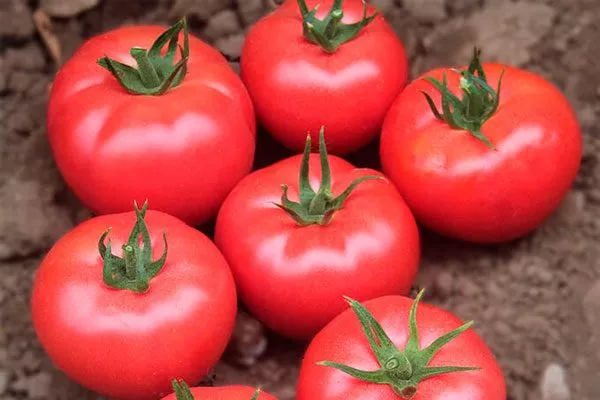
Distinctive features:
- The plant is a determinate variety. It has a compact growth habit and reaches 50-60 cm in height.
- The leaves are medium-sized, colored a rich dark green.
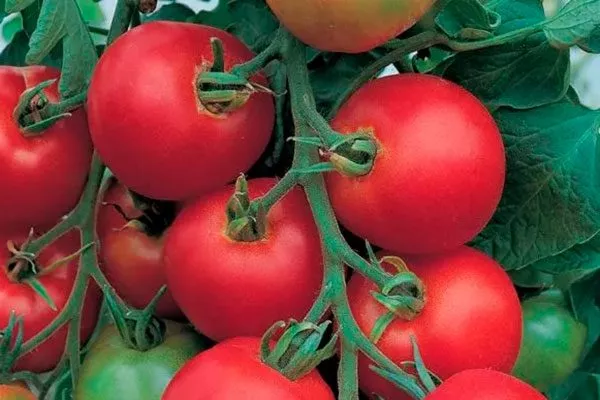
- When unripe, tomatoes are light green, turning bright red as they ripen. They are round, smooth-skinned, and small in size, weighing approximately 96-100 g.
- Despite their compact size, these tomatoes boast excellent flavor and juicy flesh. Each fruit contains 3-4 seed chambers, and a single cluster produces up to 7 tomatoes.
- This variety is ideal for fresh-picked consumption. Its rich flavor makes the Kremlin tomato an excellent choice for salads, appetizers, and other dishes.
- One of the main advantages of this variety is its very early ripening period. Tomatoes are fully ripe in just 85 days after planting the seedlings in open ground, which is significantly faster than most other varieties.
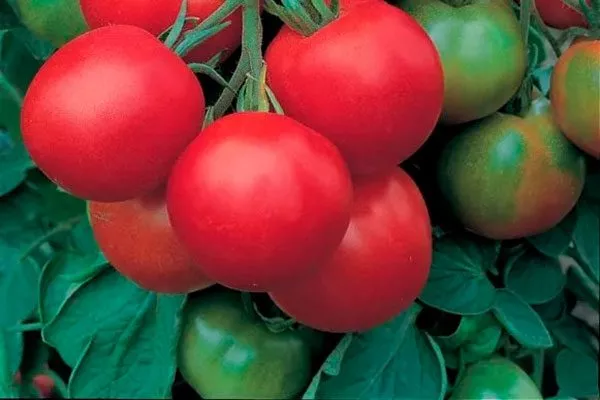
The Kremlin tomato is resistant to verticillium wilt, tobacco mosaic virus (TMV), and fusarium wilt, making it a reliable option for growing even in areas with unfavorable agricultural conditions.
Landing
The bushes produce fruit well in sunny, well-lit areas. For successful cultivation of the hybrid, fertile, loose, and well-drained soil is recommended. Before planting, enrich the soil with organic fertilizer to provide the plants with the necessary nutrition.
Terms and conditions
Choose sunny sites with fertile, loose, and well-drained soil. The air temperature for planting seedlings outdoors should be stable and not fall below 15°C, and the soil should warm to 10-12°C.
- ✓ The optimal soil temperature for planting seedlings should not be below +12°C, which is critical for preventing stress in plants.
- ✓ The distance between plants should be at least 50 cm to ensure sufficient air flow and reduce the risk of diseases.
In central Russia, such conditions usually arrive in late May or early June. In greenhouses, planting can begin in late April or early May.
How to plant correctly?
Before the event, dig up the area, remove weeds, and add organic fertilizers such as humus or compost. To increase the nutritional value, add ash or complex minerals.
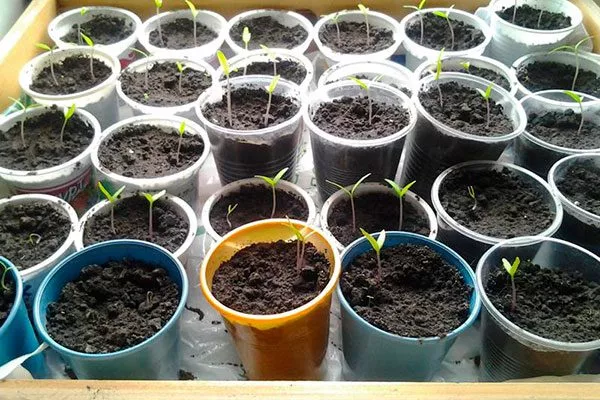
Follow these recommendations:
- Sow seeds 50-60 days before you plan to plant the seedlings in your garden. Use individual containers or peat cups. Plant the seeds about 1 cm deep. Once the seedlings emerge, keep them at a temperature of 20-22°C (68-72°F) with adequate light.
- Dig planting holes 40-50 cm apart, leaving 60-70 cm between rows. The depth should allow the plant roots to grow freely without bending them. Add a small amount of compost or a complete fertilizer to each hole.
- Plant the seedlings vertically, deepening them to the first true leaves. After planting, moisten the seedlings with warm, settled water and mulch the soil surface to retain moisture.
By following these recommendations, you will create optimal growing conditions for your Kremlin tomato variety and be able to harvest a high yield of tasty, juicy fruit.
Further cultivation
Provide proper care for your bushes to ensure healthy growth and abundant harvests. Key care steps include:
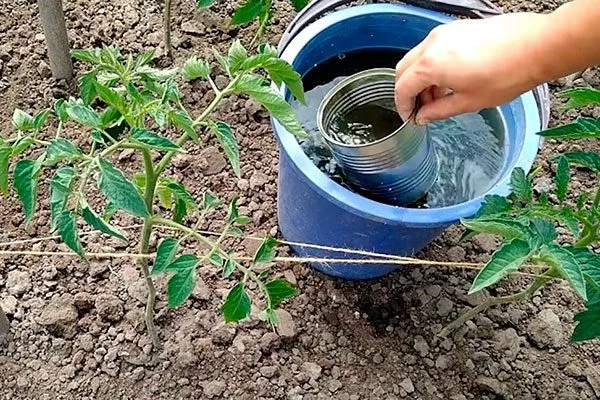
- Watering. Water the tomatoes every 3-4 days, directing the water at the roots. Ensure adequate moisture during fruit formation, but avoid overwatering to prevent root rot.

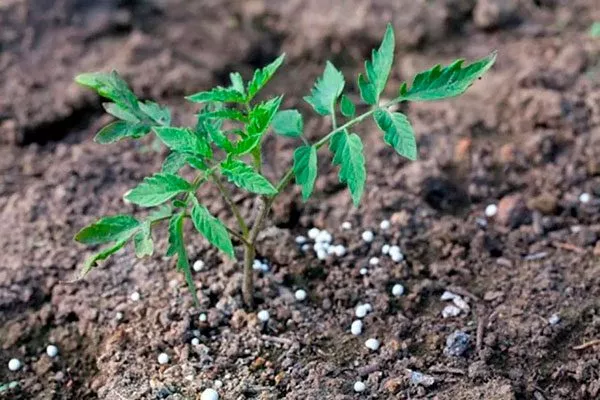
- Top dressing. Apply a micronutrient-rich fertilizer every 10-14 days. Both complex mineral mixtures and organic matter are suitable.
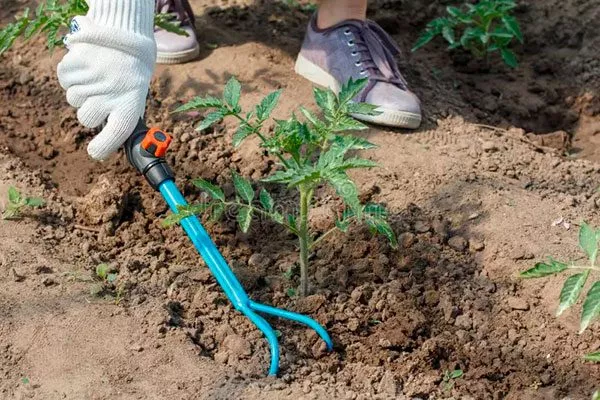
- Weeding and loosening. Regularly remove weeds and loosen the soil around the bushes to improve oxygen access to the roots and eliminate competition for nutrients.
Diseases and pests
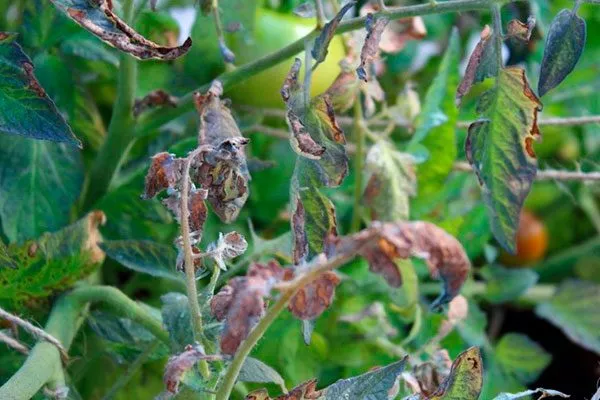
Like other varieties, the Kremlin lily is susceptible to various diseases and insect attacks. However, by understanding basic prevention and treatment methods, you can overcome these problems.
Common diseases and pests:
- Late blight. The disease is caused by a fungus that can kill the crop. Avoid overwatering the soil and regularly carry out preventative treatments using specialized products.
- Mosaic. The disease manifests itself as yellow and green spots on leaves and stems. To prevent the disease, regularly inspect your plantings and remove infected plants.
- Aphid. One of the main crop pests. The insect sucks the plant's sap, leaving a sticky substance on the leaves and stems. To combat this pest, regularly inspect the bushes and use products designed for aphid control.
- Mole cricket. This can be a problem because it eats the plant's roots, impairing its growth and development. As a preventative measure, treat the soil and use soil-based pest control products.
The Kremlin tomato requires careful care and timely spraying to prevent diseases and protect against pests. Regular preventative maintenance and proper care will help keep the plants healthy and ensure a bountiful harvest.
Pros and cons
Before growing a variety, it's important to carefully study its advantages and disadvantages. Kremlin has many advantages:
Among the disadvantages, gardeners note the need for regular watering, especially during the fruit formation period, the need for frequent fertilizing to achieve optimal growth and development, and limited resistance to serious diseases if preventative measures are insufficient.
Reviews
The Kremlin tomato is a reliable choice for gardeners and homesteaders seeking an early and bountiful harvest. Its disease resistance, compact size, and excellent flavor make it an excellent choice for a variety of climates. This variety will meet the expectations of even the most demanding gardeners.