
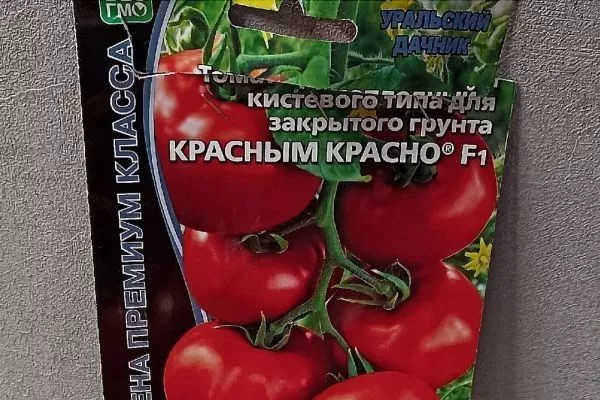
The Krasnym Krasno tomato variety is a hybrid that has gained popularity due to its excellent characteristics. It combines good productivity, vibrant fruit color, and resistance to major diseases. It is successfully grown both in open ground and greenhouses. With proper care, you can produce large, fleshy tomatoes with a rich, sweet flavor.
Breeding history
It was developed by five specialists from Heterosis Selection LLC, located in Miass, Chelyabinsk Oblast. This young company has already developed a collection of its own agricultural crop varieties.
Krasnym Krasno is not registered in the State Register, but since 2020, it has become widely popular among private farms. The hybrid's creators recommend growing it in greenhouses, noting its high yield.
Features of the variety
The Red Red tomato is a tall, vigorous hybrid with a high yield. It is also successfully grown outdoors in southern regions. Read about other popular varieties. Here.
Characteristics of the plant's appearance
This is a striking and promising indeterminate hybrid. The bushes reach a height of 1.8-2 m. Despite the small number of branches, the plant is distinguished by an abundance of rich green leaves. They are medium in length.
Fruit quality
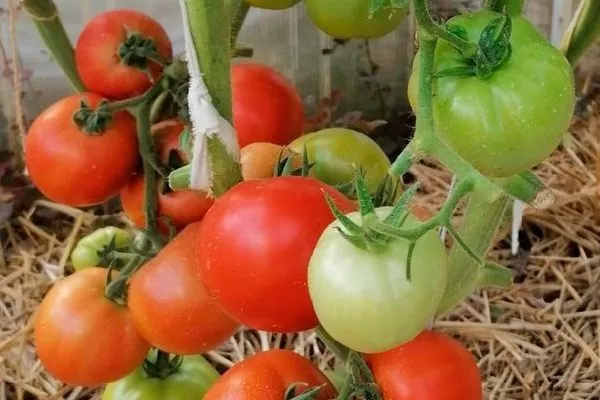
Like most tomatoes, the Red Red hybrid's ripening fruits are initially green, turning a rich red as they mature. These tomatoes are large, with an average fruit weight of approximately 350 g.
Characteristic features of the variety:
- articulated peduncle;
- fruits are formed in simple inflorescences;
- high shelf life, which makes them convenient for transportation and storage.
The tomatoes are round in shape with subtle ribbing. Each cluster produces 5-7 tomatoes.
Application and taste
The flesh is moderately dense and has a sugary texture, reminiscent of a watermelon when sliced. The thin yet firm, smooth rind allows for a pleasant, enjoyable experience.
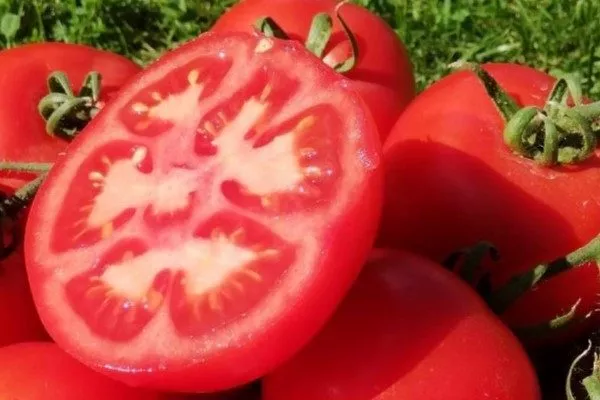
The hybrid boasts high nutritional value, rich in vitamins and microelements. Thanks to its versatility, these tomatoes are suitable for a variety of culinary purposes: they can be eaten fresh, preserved, or used in juices and other dishes.
Beneficial properties
The Red Tomato possesses numerous healing properties, making it a valuable dietary staple. Beneficial characteristics:
- High vitamin content. Vitamin C strengthens the immune system and helps fight inflammation. Vitamin A supports healthy skin, vision, and the immune system. B vitamins promote normal nervous system function.
- Antioxidants. Lycopene, which gives tomatoes their red color, protects the body's cells from damage and reduces the risk of cardiovascular disease and some types of cancer.
- Microelements. Potassium normalizes heart function and fluid balance. Magnesium and iron improve blood formation and maintain energy levels.
- Low calorie content. Tomatoes are suitable for dietary nutrition, as they contain few calories, but saturate the body with nutrients.
- Dietary fiber. They improve digestion, stimulate intestinal peristalsis and help remove toxins.
Fresh or processed tomatoes retain a significant portion of their beneficial properties, making them indispensable in the diet.
Ripening and fruiting
This is an early-ripening variety. Under favorable conditions, the first harvest can be collected as early as late June. This period continues until the first autumn frosts, weather permitting. Throughout the fruiting season, tomatoes retain their valuable nutritional qualities.
Productivity
This variety is characterized by high yields—with proper care, up to 6.2 kg of tomatoes can be harvested per square meter. Harvested tomatoes remain fresh for 34 weeks when stored in a cool place.
Timing of planting seedlings and transplanting into the ground
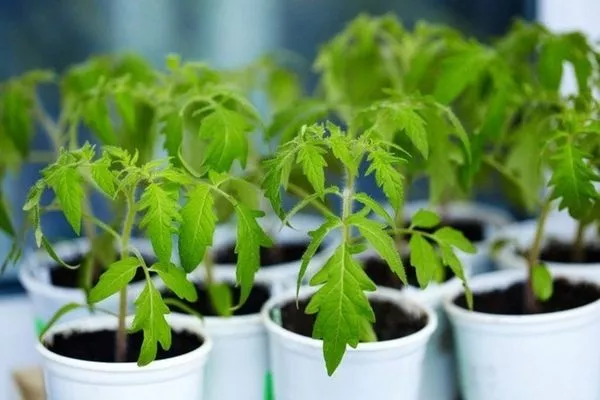
Sow seeds in containers at the end of March. If you plan to grow in greenhouses under plastic, sow earlier. The soil in the greenhouses should be prepared in advance, and plant the seedlings when the soil warms to 14-15°C. Seedlings are usually ready for transplanting after 45-60 days of development.
Resistance to adverse weather conditions
The Red Red tomato continues to bear fruit even during prolonged inclement weather and low temperatures. The plants tolerate temperature fluctuations and temporary moisture deficits well, successfully forming fruit even in cool summers.
Growing regions
This variety is successfully cultivated in most regions, with the exception of the northern ones. In the north, the hybrid ripens more slowly, and its yield is significantly lower.
Planting operations
Cultivating a crop can be simple and successful if you follow basic agricultural practices. With proper preparation and care, the growing process becomes not only simple but also productive.
- ✓ The optimal soil pH should be between 6.0-6.8 for maximum nutrient absorption.
- ✓ The soil must be well-drained to avoid waterlogging and root rot.
What kind of soil is required?
To get a good harvest, tomatoes need to grow in high-quality soil. It should be loose, provide adequate airflow to the seedlings, and be rich in beneficial micronutrients.
You can purchase soil from a specialty store or prepare it yourself: mix equal parts of topsoil, humus, peat, and washed river sand.
Selection of seed material
Seeds harvested two years ago have a higher germination rate. Commercial hybrid seeds are usually disinfected, so treating them with a growth stimulant is sufficient. Experienced gardeners recommend briefly soaking them in a weak solution of potassium permanganate before sowing.
Seed preparation
This procedure helps speed up seed germination by removing the outer shell and promoting swelling. Follow these recommendations:
- Soak in a salt solution. This helps remove the air film from the seeds, preparing them for germination. The procedure takes 15-20 minutes.
- Dip it in potassium permanganate. This is necessary for disinfecting planting material to prevent infection. Duration: 30-40 minutes.
- Treat with growth stimulants. Epin is effective.
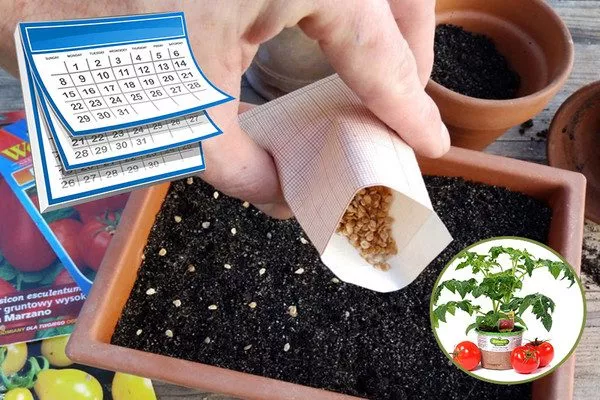
Soak the seeds in warm water for 24 hours, changing the water regularly every 3-4 hours. Then, dry the grains.
Sowing seeds
Use medium-sized containers for growing seedlings. To obtain high-quality hybrid seedlings, prepare a nutritious soil consisting of sod soil mixed with humus.
Gardeners recommend using garden soil from areas where nettles grow. To make the soil lighter and more airy, add a little sand, and to increase the nutrients, add wood ash.
After you've filled the boxes with soil, moisten them thoroughly. Sow the seeds the following day:
- Place the seeds 1.5-2 cm deep and cover the container with film.
- For rapid germination, maintain a room temperature of around +25°C.
- As soon as the first sprouts appear, move the boxes to the windowsill to improve lighting.
- Use fluorescent lamps if necessary.
Caring for seedlings
Provide moderate watering as the top layer of soil dries out. Follow these recommendations:
- Moisturize carefully to avoid washing out the roots and avoid over-watering.
- Place the containers in a well-lit area, providing 12-15 hours of daylight.
- Maintain the temperature at +20…+24°C during the day and +16…+18°C at night.
- 10-14 days after germination, apply a weak solution of complex fertilizer. Repeat this application every 2-3 weeks.
- If the seedlings are under film or glass, remove the cover regularly for ventilation.
If the seeds were sown too densely, remove weak sprouts, leaving 2-3 cm between seedlings.
Picking and hardening
When the seedlings develop two true leaves in addition to the cotyledons, transplant them into separate containers. This will help strengthen the shoots and develop a full root system.
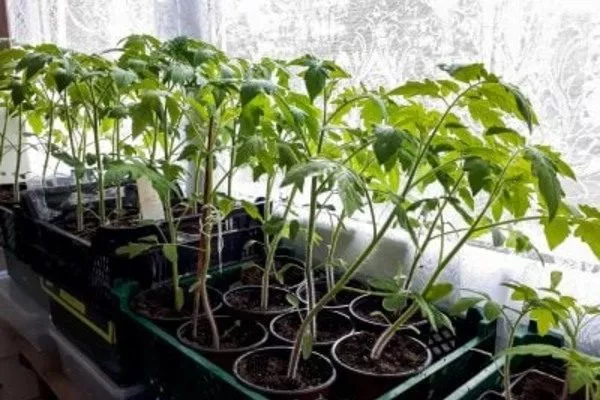
In early May, begin hardening off the seedlings to acclimate them to outdoor conditions. To do this, first leave the plants with an open window for 10-15 minutes, then gradually increase the ventilation time to one hour. After a week, take the seedlings outside for a few hours, then return them to a warm room at night.
Preparing a plot in the garden
This is an important stage, determining the future harvest. To ensure optimal growing conditions for your plants, follow these key steps:
- A few weeks before planting the seedlings, dig the soil in the beds to a depth of 20-25 cm. This will improve air access to the plant roots and improve the soil structure.
- To ensure fertile soil, add organic and mineral fertilizers while digging. These include humus, compost, wood ash, or complex mineral fertilizers containing nitrogen, phosphorus, and potassium. These nutrients will help provide plants with everything they need for normal growth.
- Create beds 90-100 cm wide to ensure good lighting and air circulation between the bushes.
- Monitor soil moisture levels. Tomatoes dislike standing water, so the site should have good drainage. If the soil is heavy, add sand to improve drainage. In dry weather, moisten the soil beforehand.
If necessary, additionally enrich the soil with microelements (magnesium, boron and iron) to avoid deficiency of these substances and improve the quality of the crop.
Planting seedlings in beds
Before planting seedlings outdoors, follow a few recommendations to ensure healthy growth and disease protection. Follow these steps:
- Carry out a fall and spring tillage to remove old plant debris and rid the area of overwintering insects that can carry diseases.
- Do not plant tomatoes in the same place where other nightshade crops (tomatoes, potatoes, eggplants) grew last year to avoid the accumulation of pathogens and pests.
- Plant no more than 3 bushes per square meter, as this variety tends to grow vigorously. In greenhouses, 4 plants per square meter is acceptable. This will help prevent overcrowding, which can negatively impact plant growth.
- To protect seedlings from frost, adhere to planting timings. Planting outdoors too early can result in damage from spring frosts. The optimal time for planting is late May or early June, on cloudy days.
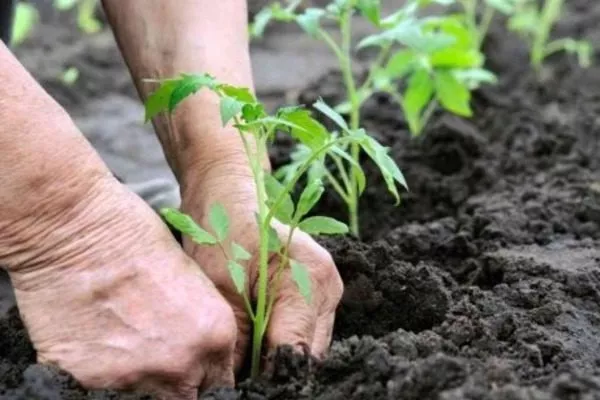
Use a square-nest planting method with a distance of no more than 70 cm between plants and no more than 1 m between rows. This will provide the seedlings with ample space to grow and good air circulation. Planting depth: 3-4 cm for seedlings and 25 cm for holes.
Direct sowing of seeds into the ground – features
Heat-loving tomatoes are most often grown from seedlings, which allows for an earlier and more consistent harvest. However, in warmer climates, sowing seeds directly into open ground, avoiding transplanting, is acceptable.
Sow seeds as soon as the soil warms to 18-20°C. Prepare the soil and maintain it as usual: dig, fertilize, and water regularly.
Care technology
After transplantation, the hybrid seedlings begin to grow actively. During this period, it is important to follow standard agricultural practices.
Organization of irrigation, mulching
Moisten the plantings with settled water. Afterward, loosen the soil to improve its aeration. Weed the beds regularly to prevent weed growth. Use drip irrigation in greenhouses.
Mulching the soil with straw or peat helps retain moisture and prevents drying out.
Fertilization
To ensure abundant harvests, apply three fertilizing cycles. Apply them during the following growth stages:
- budding;
- bloom;
- fruit ripening.
Experienced gardeners use two main methods of fertilizing:
- Under the root – Add nutrients to the soil at the base of the plant.
- By the leaves - Spray the fertilizer in the form of a solution onto the above-ground part.
Alternate these methods.
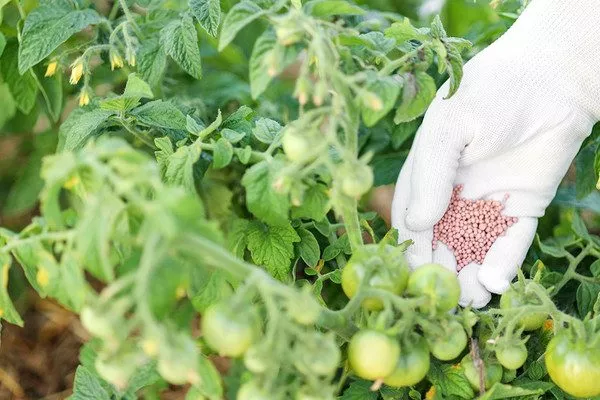
A popular fertilizer that can increase yields by 15-20% is a homemade solution:
- Dissolve 10 g of boric acid in 1 liter of hot water (temperature about 60°C).
- Add 1 liter of wood ash and 10-12 drops of iodine alcohol tincture.
- Add 9 liters of water.
The average consumption rate is 500 ml per plant. Apply the fertilizer after watering the soil with plain water.
Formation of bushes
As they grow, seedlings require proper shaping to ensure the best results. Follow these guidelines:
- Leave only one main stem for more efficient bush growth.
- Remove shoots that develop above the third brush.
- Pruning small flowers stimulates the formation of new ovaries.
- Pinching the growing point helps prevent excessive stem growth.
The need for a garter
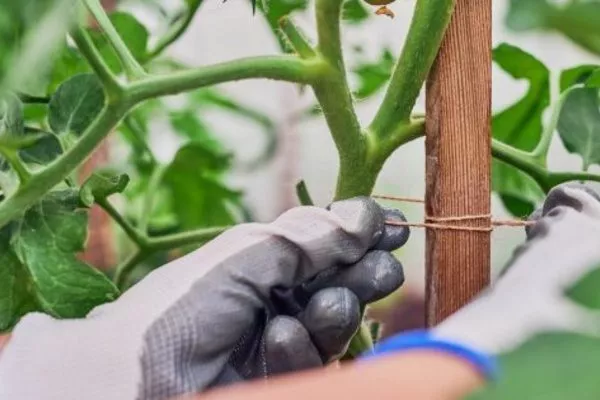
A few days after planting the seedlings in the garden bed, tie up the bushes. Repeat this process every 10 days. Use twine, tying it at the base and draping it over the trellis. The growing stems will wrap around the twine, supporting the plants and promoting their normal development.
Weed control and pinching
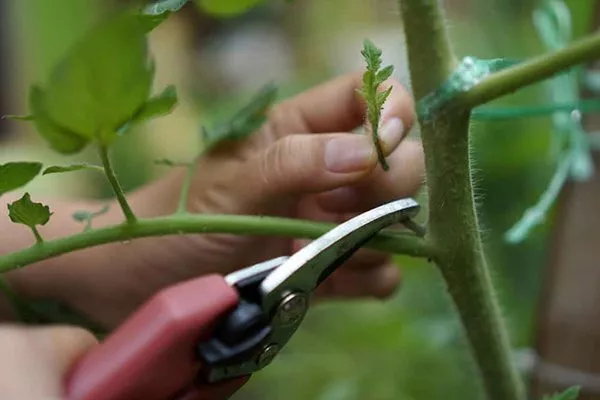
The Red Red tomato has dense foliage, which leads to the formation of numerous side shoots. Excessive side shoots can reduce both yield and the size of the plants, so remove them. When forming a bush, leave only one side shoot and remove the others, leaving a small stump about 1 cm long.
Weeds are a common problem for gardeners. Most of them take up nutrients from the soil and interfere with normal plant growth. Mulching is an effective method of controlling them. For example, covering the soil with humus helps suppress growth, and a layer of dry straw is effective for protection against late blight.
How and when to pinch the top of a tomato?
At the end of the season, around the beginning of August, Red Red tomato plants are pinched to speed up the ripening of the developed fruits before the onset of cold weather. To do this, use sharp tools, such as a knife or scissors, to carefully trim the top of the plant. It's important to leave at least 2-3 leaves above the last developed cluster to preserve nutrition for the fruits and stimulate their final ripening.
Measures to increase crop yields
To improve productivity, it's important to pay attention to root development. During the growing season, regularly hill the bushes and mulch the soil around the trunks, which helps maintain soil structure and suppress weed growth.
Apply foliar feeding with boric acid during the flowering period. To do this, dissolve 10 g of boric acid in 10 liters of water and apply twice, two weeks apart. This treatment will increase yield by 20%.
Growing tall tomatoes requires extra effort and time, but the result will be a bountiful harvest of large, juicy tomatoes that are ideal for a variety of culinary uses.
Fruit picking
Pick tomatoes regularly as they ripen. This speeds up the ripening process for the remaining tomatoes. You can even harvest green tomatoes, as they ripen easily indoors.
Regular harvesting stimulates the formation of new ovaries, which prolongs the fruiting period. The harvest period can last until September, ensuring a steady supply of fresh fruit.
Disease and pest control, prevention
The Red Red tomato is highly resistant to spotting, various types of rot, and fusarium. However, to increase your tomato's resistance, follow these preventative measures:
- Do not plant seedlings in beds where potatoes or eggplants were previously grown.
- Good predecessors are carrots, legumes and dill.
- Before planting, treat the soil with copper sulfate.
- If signs of disease appear on plants, immediately remove the affected parts and treat the plants with copper-containing preparations.
The following methods are useful for pest control:
- Regular weeding of the beds.
- Mulching the soil.
- Manual collection of pests.
- Treating bushes with ammonia helps fight slugs.
Of all pests, tomatoes suffer most often from aphids. To repel these pests, use garlic sprays. To do this, soak 200 g of garlic in 4-5 liters of water for 3 hours. Spray in dry, cloudy weather.
Pros and cons
Before growing a crop in your garden, it's important to carefully consider its advantages and disadvantages. The Krasnym Krasno hybrid has many advantages:
Cons:
Reviews
The Red Red tomato is an excellent choice for both beginner and experienced gardeners. It has many positive characteristics, including excellent productivity and a strong immune system. Timely care, proper plant training, and disease prevention will help ensure healthy plant growth and a bountiful harvest.