
Red Riding Hood is a popular tomato variety characterized by its low maintenance, good productivity, and disease resistance. It's an excellent choice for both beginner and experienced gardeners. It attracts attention with its vibrant red fruit, compact bushes, and ease of care. It's important to understand the characteristics of this tomato and provide it with proper care.
Historical background
Developed by specialists of the Poisk agricultural firm, Klimenko N. N., Sergeev V. V. and Maksimov S. V. Officially approved for use in 2011.
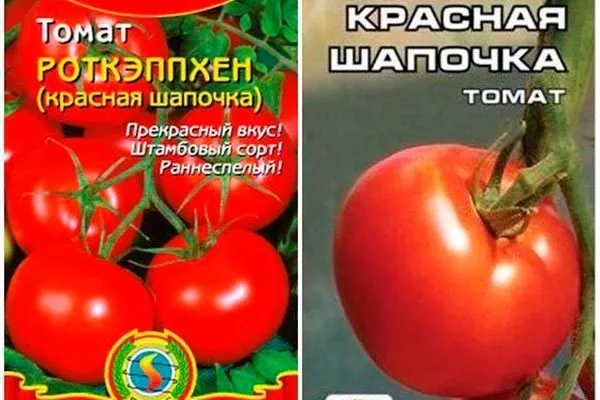
The variety's name derives from its distinctive feature: the fruits form primarily in the central or upper portion of the bush. When the tomatoes are ripening, the plant looks as if it's wearing a little red cap.
Appearance of the bush
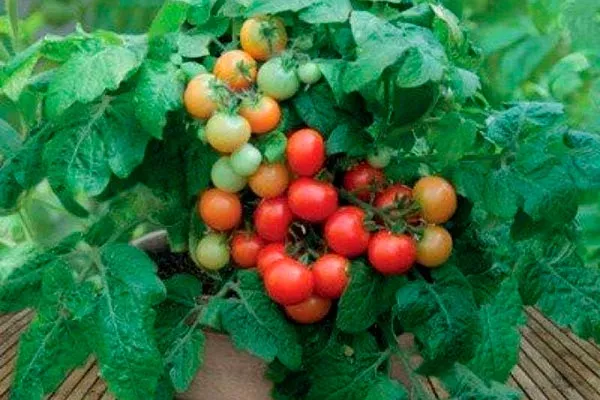
The plants are characterized by a compact size. The stems are strong and thick. The bushes reach a height of 30-40 cm. The leaves are small and richly green. Their surface is slightly wrinkled, and the edges are pointed, giving them a neat and attractive appearance.
Fruits and their taste qualities
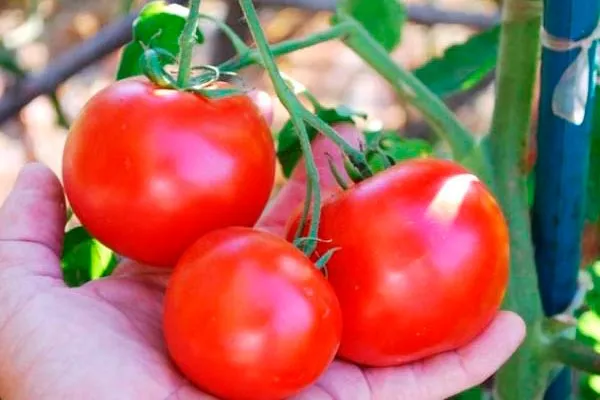
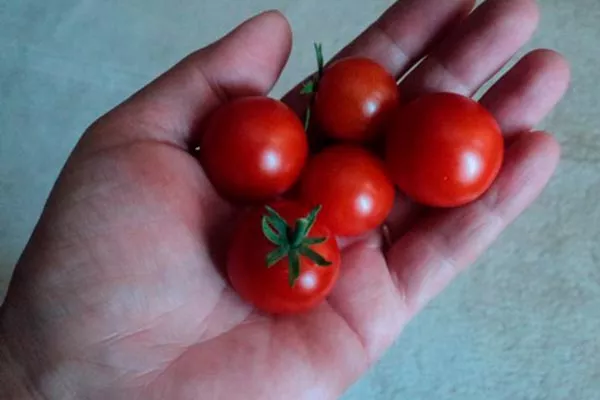
The tomatoes are round and small in size. They weigh between 15 and 20 grams. When unripe, they are green, with a characteristic dark spot near the stem. As they ripen, the fruits turn red, and the spot disappears.
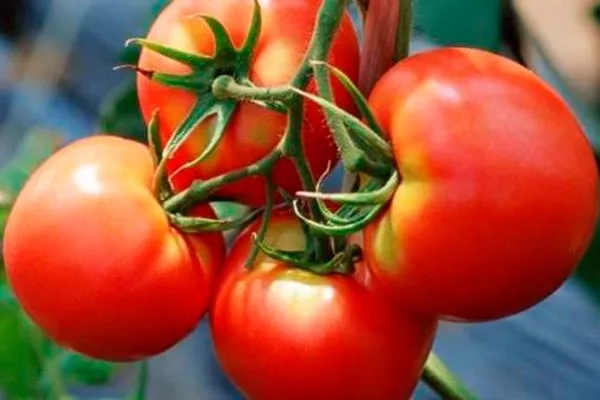
The vegetables have a sweet, juicy flavor and fleshy flesh. They are virtually seedless, and their thick skin makes them an excellent choice for canning.
Ripening period and yield
It's an early variety, with an average ripening period of about 90 days. Harvesting begins in late July or early August.
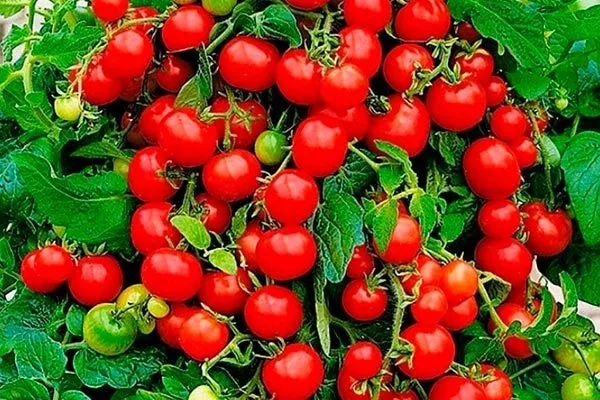
With proper cultivation practices, a single bush can yield up to 1.5 kg of fruit. Experienced gardeners note that this variety produces consistently, even in adverse weather conditions.
Scope of use
The early fruits of this variety are considered salad fruits, so they are often used in fresh slices, salads, stews, soups, and vegetable dressings. Many housewives use them to make juices, homemade ketchups, adjika, and sauces.
Green tomatoes are suitable for canning, as confirmed by reviews from home-canning enthusiasts. However, ripe tomatoes are prone to cracking during heat treatment, making them unappealing when preserved.
What regions are best for growing?
The Red Riding Hood tomato is recommended for cultivation in the Northern, Northwestern, Central, Volga-Vyatka, and North Caucasus regions. It is successfully cultivated in the Middle Volga, Lower Volga, Ural, West Siberian, East Siberian, and Far Eastern regions of our country.
Cultivation of seedlings
For growing this variety, it is recommended to use seedlings. Seeds are sown in late March, and if transplanting the seedlings to a greenhouse is planned, it is best to sow them in the last days of February.
Seed preparation
It is optimal to use planting material aged 2-3 years. Prepare the seeds in advance:
- Soak them for several hours in a growth stimulant solution. Suitable options include Ecosil, Acrobat MC, or Emistim.
- Treat the seeds with a weak solution of potassium permanganate or fresh aloe juice. These methods help strengthen the protective functions of future plants.
- An effective folk method: wrap the seeds in gauze or a wide bandage and leave them in warm water for a day.
- ✓ Optimum temperature for seed germination: +22…+25°C.
- ✓ Required soil moisture for seedlings: 70-75%.
After treatment with potassium permanganate solution, rinse the grains thoroughly with clean water and dry.
Selecting a container and soil
Tomato seedlings can be grown in shared containers, individual trays, cups, or peat pellets. The soil should be light and fertile. To improve the structure, mix it with sand and peat. You can also use a ready-made substrate purchased at a specialty store.
Let's move on to sowing
In the prepared soil, make holes about 1.5 cm deep, spaced 3 cm apart. Place one seed in each hole, then cover it with soil and gently moisten it. Cover the containers with plastic wrap and place them in a warm place.
At temperatures above 18°C, the first shoots appear within 5 days. Once they have reached a large size, remove the film and move the container to a windowsill.
Peculiarities of growing seedlings
Proper care for tomato seedlings consists of several important steps. Let's take a closer look at them.
Picking
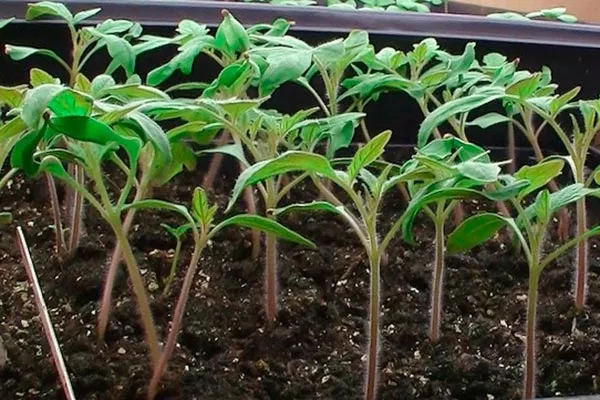
Once the seedlings have successfully begun to form their first 2-4 leaves, transplant them into individual pots if they are growing in shared containers. Follow these recommendations:
- Before transplanting, water the root ball thoroughly to ensure easy removal of the seedlings. Don't delay this process, as 20-day-old seedlings are ready to be transplanted to their permanent location. Keep in mind that the extensive root system can be severely damaged during transplantation.
- If you're using peat pellets, there's no need to transplant. This method is considered simpler and more convenient, as the seedlings are easily removed by pressing on the bottom of the cup or cutting one side.
Plant tomato seedlings in polycarbonate greenhouses at the age of 45 days.
Watering
Provide seedlings with frequent but moderate watering. Make sure the soil has time to dry out, as excess moisture can negatively affect the plant's root system.
Top dressing
Two weeks after transplanting, tomato stems require additional fertilization. For this, use a solution of 20 grams of nitrophoska (nitrophosphate) and 1 liter of water. This is enough to feed approximately 40 plants. Suitable fertilizers for tomatoes include wood ash, yeast, manure, urea, and peat.
Subsequent fertilizing should be carried out every 14 days, depending on the condition of the plants:
- For elongated and poorly developed shoots, use superphosphate fertilizers.
- Stems with yellowed leaves need nitrogen-containing substances.
- Pale plants require iron.
- If a purple tint appears on the veins of the leaves, add phosphorus.
At low temperatures, tomatoes may show symptoms similar to nitrogen deficiency: leaves become smaller and turn yellow. Water healthy stems with an Effekton solution or apply foliar fertilizer.
Hardening
To prepare grown seedlings for transplanting to harsher conditions, ventilate them. On sunny, warm days, open a window for a few hours during the day to allow fresh air in. This helps strengthen the tomatoes and activate their immune system.
Transfer
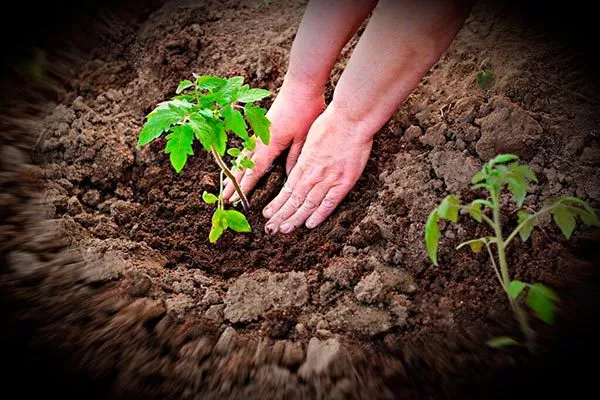
First, prepare the bed properly. To do this, dig the soil to a depth of 20-25 cm and add humus at a rate of 5 kg per square meter.
Follow the recommendations:
- Make furrows and form holes about 20 cm deep. Pour a little warm water into each hole to moisten the soil.
- Carefully place the seedlings in the holes, cover with soil and compact lightly.
- Water the plants again the next day.
After planting, the seedlings must acclimatize and take root, so during this period they require regular and high-quality watering.
Aftercare
Experienced gardeners shared helpful tips on how to speed up fruit ripening and protect plants from the long recovery period after disease and pest attacks.
Watering and weeding the soil
To ensure proper fruit set and juicy tomatoes, the soil should always be adequately moist. However, be careful with watering—excessive water can harm the plants.
Follow these recommendations:
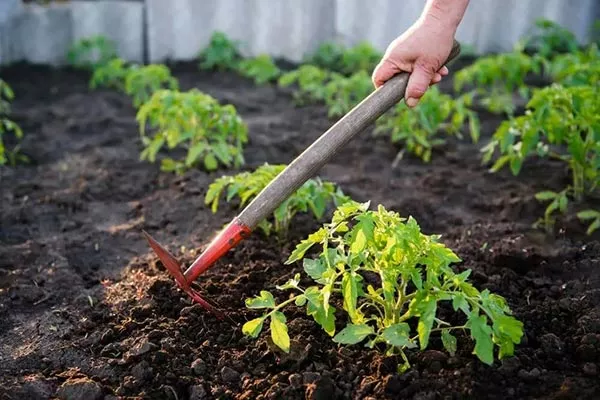
- Make shallow holes around each stem and pour about 3 liters of water into them. When using the trench method for planting seedlings, similar holes can be made between rows.
- Water tomatoes only in the evening. This will allow the plants to absorb moisture overnight and help them survive the daytime heat.
- Watering frequency depends on weather conditions. No watering is required on rainy or damp days. During hot periods, water every evening for the first two weeks after transplanting.
After each watering, loosen the soil to prevent a dense soil crust from forming, which can impede moisture evaporation. Remove weeds promptly, as they create a favorable environment for pests, diseases, and fungi.
Fertilizing tomato bushes
Fertilize the crop every 20 days. At the beginning of the growing season, nitrogen is especially important for plants, as it promotes vigorous growth and biomass buildup. To do this, dissolve 500 ml of liquid mullein or chicken manure infusion in 10 liters of water and add 20 ml of nitrophoska.
To prevent the fruits from turning into nitrate bombs, provide the plants with phosphorus-potassium fertilizers. Use wood ash instead of potassium chloride, as chlorine is detrimental to nightshade crops. Prepare a solution of the following ingredients:
- 500 ml of chicken manure infusion;
- 20 g Superphosphate;
- 5 g potassium sulfate.
Pay special attention to boron and magnesium during budding. To prevent flower heads from falling off, spray them twice with a boric acid solution at a ratio of 1 g per 1 liter of water.
The role of mulch
After watering and loosening the soil, mulch the bed to retain moisture. Use buckwheat hulls, sawdust, straw, and dry grass as mulch. Hay is considered the best option. It has a beneficial effect on the soil's physical properties: it softens and loosens the substrate, and nourishes it as it decomposes.
Mulching tomatoes with grass clippings provides the soil with an extra dose of nitrogen and other nutrients, promoting healthy plant growth.
What to look for?
The Red Riding Hood tomato variety is easy to grow, so caring for it won't require much effort:
- Plants need to be watered generously, but don't overdo it. The frequency of watering depends on the soil and air moisture levels. It's best to wait until the top layer of soil has dried out slightly.
- Apply water directly to the roots to avoid overwatering the leaves. Reduce watering intensity when the first flowers appear, otherwise you may end up with watery and tasteless fruits.
- The plant prefers oxygen-rich soil, so regular loosening promotes healthy growth. Loosen the soil gently and superficially to avoid damaging the plant's root system.
Pest and disease control
Tomato plants are highly resistant to diseases and pests, but in some cases they may encounter certain problems. Let's look at the main ones:
| Disease/Pest | Description/Symptoms | Treatment |
| Late blight | It manifests as brown spots on leaves, most often along the edges and between the veins. Wet spots may appear on stems and fruits, and leaves may begin to fall and wilt. Fruit may also develop rot, especially around the roots, causing them to soften and decompose. | Remove diseased leaves. Treat the bushes with copper-containing products, such as copper sulfate. |
| Spider mite | A small spider, green to brownish-brown in color, it hides on the undersides of leaves. It feeds on plant sap, leaving dry areas covered in webbing. | Use folk remedies such as garlic infusion or a soap solution: 20-30 g of soap per 1 liter of water will help kill insects when sprayed on all parts of the plant.
Use special acaricides, such as Akarin or Fitoverm, but carry out chemical treatments before the fruit sets to avoid any residue getting on them. |
| Thrips | Small, elongated bugs, black, gray, or brown in color, ranging in size from 0.5 mm to 1.5 cm. They dehydrate leaves, flowers, and fruits, contaminating them with their secretions. | Crush a few cloves of garlic, pour 1 liter of water over them, and let steep for 12 hours. Treat your plants with this solution. Garlic has an unpleasant odor and helps repel insects. Effective products include Actellic, Fitoverm, and Decis. |
| Whitefly | A small butterfly that damages plants by sucking plant sap from tissues and larvae. | There are several effective methods, both folk and chemical. Use a soap solution: dissolve 20-30 g of laundry soap in 1 liter of water and spray all parts of the plant, especially the undersides of the leaves, where whiteflies most often congregate.
A garlic or onion infusion will help: crush a few garlic cloves or an onion and steep them in water (approximately 1 liter of water per 5 garlic cloves or 1 onion) for 12 hours. Treat your plants with this solution to repel insects. If folk remedies fail, use insecticides such as Actellic, Fitoverm, or Intavir. |
| Aphid | A parasite that feeds on plant sap, causing it to dry out and die. | One of the most popular methods is a soap solution: to prepare it, dissolve 20-30 g of laundry soap in 1 liter of water and spray all parts of the plant, especially the leaves and stems where insects accumulate.
Solutions based on garlic, onion, or celandine peptide infusion are effective. If folk remedies are ineffective or the infestation is severe, try chemical insecticides such as Actellic, Karbofos, Intavir, or other insecticides. |
Growing tomatoes in an open garden and a greenhouse – the nuances
The Red Riding Hood tomato variety is easy to grow and thrives equally well in both greenhouses and open ground. However, there are a few features and nuances to consider when growing them.
The timing of replanting depends on the location where the bushes will grow:
- Greenhouse – Plant seedlings starting from mid-May.
- Open ground – transplant at the beginning of June.
For optimal yield, plant tomato plants near the following crops:
- parsley;
- zucchini;
- cauliflower;
- dill;
- cucumbers;
- carrot.
Avoid planting near potatoes, eggplants, and bell peppers, as this can lead to diseases and pests. Greenhouse plants are more susceptible to insect attacks, so be especially mindful of preventative measures.
The Red Riding Hood variety is successfully grown not only in greenhouses and vegetable gardens, but also indoors on balconies or windowsills. Thanks to its compact size and low maintenance, the bushes easily adapt to various conditions and will delight you with a harvest even in unfavorable conditions.
Harvesting and use of the crop
Tomatoes produce their first harvest within 95-100 days of planting. They are small but smooth and neat, with a rounded shape and a rich, bright red hue that can sometimes have an orange tint when fully ripe. Their skin is delicate and thin, making them difficult to transport.
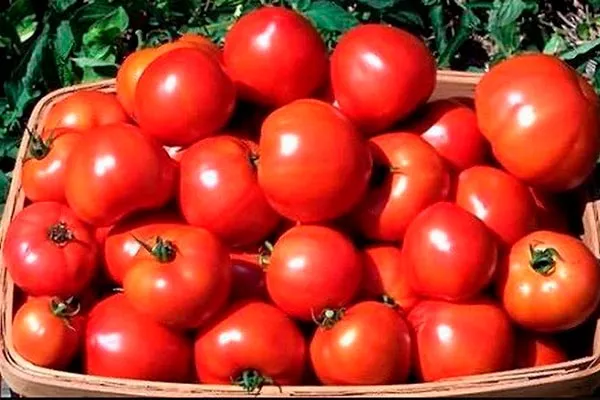
Tomatoes are most often eaten fresh. They're considered an excellent choice for salads, but they're also suitable for soups, sauces, purees, tomato juice, and canning. Thanks to their versatility, they find use in a variety of culinary recipes and homemade preserves.
Pros and cons
Before planting seedlings in your garden, it's important to carefully study the variety's advantages, disadvantages, and characteristics. This will help avoid potential difficulties in the future.
Advantages:
- resistance to temperature changes;
- compactness: plants do not require a lot of space;
- resistance to the main diseases typical for tomatoes;
- no need to pinch out bushes;
- excellent taste of fruits;
- grow well both in open ground and in greenhouses;
- early ripening;
- minimal maintenance and good response to feeding.
Some gardeners note several disadvantages of this variety: tomatoes do not transport well and cannot be stored for long periods.
Reviews
The Red Riding Hood tomato is an excellent choice for those who value a reliable harvest and minimal maintenance. Its disease resistance, excellent flavor, and versatility allow it to be used for both canning and cooking. With proper farming practices, abundant harvests of high-quality vegetables are guaranteed.