
The Red Guard tomato thrives both outdoors and in greenhouses. A hybrid, it boasts determinate growth and excellent yields. The plant is tolerant of low temperatures, and the fruit ripens even in low sunlight.
Selection features
The Red Guard variety was developed by breeders at the Chelyabinsk Seed Station, who tested it in the Urals and Siberia, where summers are short and the weather can change suddenly.
The team of hybrid authors:
- T. V. Steinert;
- A. V. Aliluyev;
- L. M. Avdeenko;
- V. Yu. Poldnikova.
This hybrid variety was created by Ural breeders in 2012, but it was only registered and approved for agricultural use in 2020. The variety was obtained by crossing the IK: 40 and S-17 varieties.
Characteristics
This early-ripening tomato variety is ideal for both greenhouse and outdoor cultivation. The plant can grow up to 80 cm in height and will require support.
Description of the bush
The hybrid is tolerant of low light and low temperatures, allowing it to ripen successfully even in cool, short summer days. It is resistant to many diseases and pests. The Red Guard tomato is a determinate plant, the height of which varies depending on the growing location:
- in greenhouses it reaches 100-130 cm;
- outdoors – 70-80 cm.
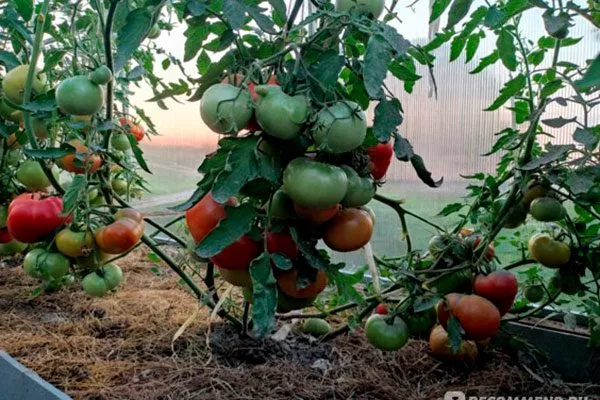
In addition, the bush has the following characteristics:
- a strong stem that still needs support;
- medium sized leaves with rich green color;
- leaves with a corrugated surface;
- simple type of inflorescence;
- a root system located horizontally and close to the surface of the earth.
Fruit characteristics
The Red Guard tomato is a dense, rounded vegetable with a slight compaction in the center and ribbing along the edges, with the mark near the stem remaining even when fully ripe.
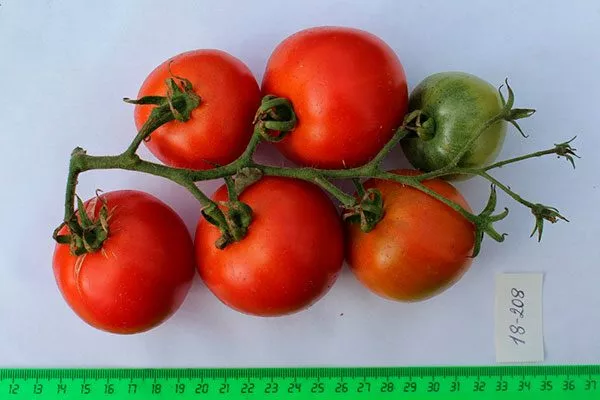
Other varietal characteristics:
- the weight of each tomato ranges from 150-250 g;
- the number of seed chambers reaches six units;
- the peduncles are of the articulated type;
- fully ripened tomatoes with deep red skin;
- When cut, the fleshy pulp with a small number of seeds is visible, which has a sweet and typical tomato taste.
Ripening and fruiting, productivity
Red Guard is an early variety—the harvest is ready 80-85 days after the first seedlings emerge. Harvesting begins on June 25th or early July, and the fruiting period continues for quite a long time.
The Red Guard's yield is consistently high. One square meter of soil can yield 5.5-6.5 kg of ripe tomatoes. With strict adherence to cultivation guidelines, these figures can be even higher.
Scope of application
The flesh of these tomatoes is rich and meaty, appealing to even the most discerning connoisseurs and lovers of refined flavors. It has a medium firmness, a characteristic trait of most varieties.
The hybrid is distinguished by its versatility due to its taste qualities:
- medium-sized fruits are ideal for pickling due to their strong skin and dense pulp, which allow them to retain their shape even after heat treatment;
- the fleshy texture of the fruits makes them excellent raw material for making juices, pastes, ketchups and sauces;
- When cutting into slices and wedges, vegetables do not leak juice and do not form wilted remains.
Weather resistance, regions
Red Guard adapts well to various adverse conditions, even when grown in the shade. It is characterized by its tolerance to low temperatures, as confirmed by the official description. However, additional support is always welcome when growing vegetable crops.
The developers claim this variety is suitable for cultivation in various regions of Russia. They claim it can be grown in:
- in the Far East;
- in the vicinity of Moscow;
- in the Leningrad and Novgorod regions;
- in Karelia;
- in Sverdlovsk, Kurgan and other regions of the Urals;
- throughout the entire length of Western and Eastern Siberia;
- in the center and south of the European part of Russia;
- in the North Caucasus.
Resistance to diseases and pests
Tomatoes have a high resistance to disease, demonstrating excellent protection against viral and fungal infections. Their early ripening also provides protection against late blight.
The Red Guard is not afraid of such problems:
- Alternaria - the appearance of spots on stems and leaves;
- black leg - root rot;
- bacteriosis – decrease in yield due to wilting;
- Cladosporiosis – drying of leaves and the appearance of dark spots;
- fusarium – fungal wilt of fruits and root rot.
| Disease | Variety resistance | Recommended preventive measures |
|---|---|---|
| Alternaria | High | Regular ventilation of the greenhouse |
| Phytophthora | Average | Treatment with copper-containing preparations before fruiting begins |
Tomatoes aren't susceptible to nematode infestations. However, gardeners say they're often susceptible to whitefly attacks, so it's important to begin preventative measures early—before the pests appear in the garden—to increase the chances of preserving the harvest.
How to grow seedlings?
Growing hybrid tomatoes doesn't require much effort, but certain conditions must be met to achieve the expected yield. The following agricultural companies supply Red Guard tomato seeds: Uralskiy Dachnik and Uralskaya Usadba.
Container, soil and sowing
Seeds for seedlings should be sown 55-65 days before transplanting to their permanent location. To disinfect the seedlings, soak them in a solution of Fitosporin one hour before sowing. If the seed coating is brightly colored, disinfection is not required.
Before sowing, it's advisable to treat the seeds with a growth stimulant. One of the most accessible and cost-effective options is Epin. The procedure is as follows:
- Dissolve 6 drops of the preparation in 1 liter of hot water.
- Place the seeds in the solution for an hour.
- Extract them.
- Dry near a heat source.
Disinfection with a weak solution of potassium permanganate will protect tomato seedlings from fungi and help prevent diseases in adult plants. To do this, dissolve 5 g of the solution in 3 liters of water and soak the seeds in the mixture for 20-25 minutes.
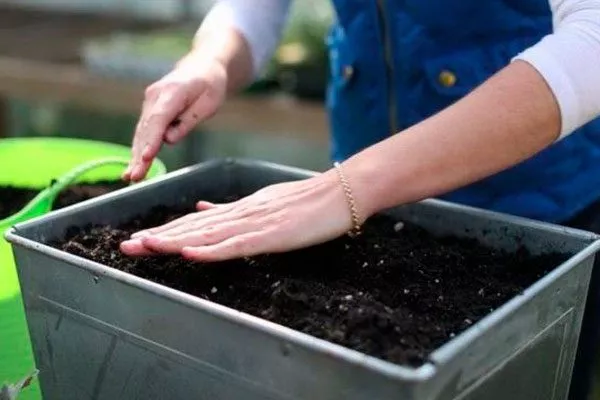
The seeds are planted in seedling boxes filled with a soil mixture consisting of equal parts garden soil and compost, with the depth of the boxes not exceeding 15 cm. A special substrate for tomatoes can be used.
If you choose to prepare your own soil mixture, you should either preheat it in the oven at 180°C to kill pathogens, or freeze it for several days in the freezer.
Nuances when sowing:
- the soil is placed in small but wide enough containers;
- the seeds are planted in grooves or holes at a shallow depth - about 1 cm, after which they are covered with a thin layer of soil;
- To speed up seed germination, containers with seedlings are placed in a dark place at a comfortable temperature of +25°C.
Growing seedlings and transplanting
To ensure stable seedling growth, provide 12 hours of light and mist regularly with water. The time to transplant seedlings is when they develop two true leaves. Water the plants daily before transplanting. Fertilize with a general-purpose fertilizer if needed.
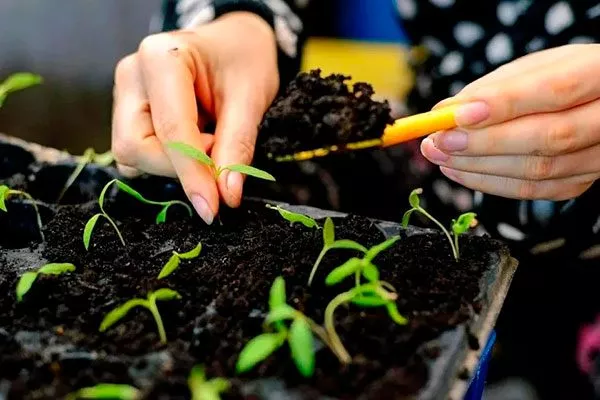
In early May, when the soil has warmed up well and the danger of night frosts has passed, you can begin transplanting the seeds into a greenhouse or outdoor garden. By this time, the tomato seedling should have a well-developed root system and at least four pairs of leaves.
Peculiarities:
- Selection of territory. Red Guard requires light, nutritious soil to grow. Its growing location should be well-drained and protected from strong winds.
The best predecessors for tomatoes are legumes, cucumbers, cabbage, turnips, and onions. Avoid growing tomatoes in the same spot more than once every three years. - Preparatory activities. A month before transplanting, thoroughly dig the bed and enrich it with 8 kg of compost per square meter. Dig holes 20-25 cm deep to ensure sufficient space for the root system. Thoroughly moisten the soil around the planted plants.
When transplanting seedlings into open ground, it is recommended to plant 4 plants per 1 square meter, and in a greenhouse - no more than 2-3 bushes per the same area. - Preparing plants. Two weeks before planting, begin acclimatization. This means placing young plants outdoors for short periods of time, avoiding exposure to cold winds.
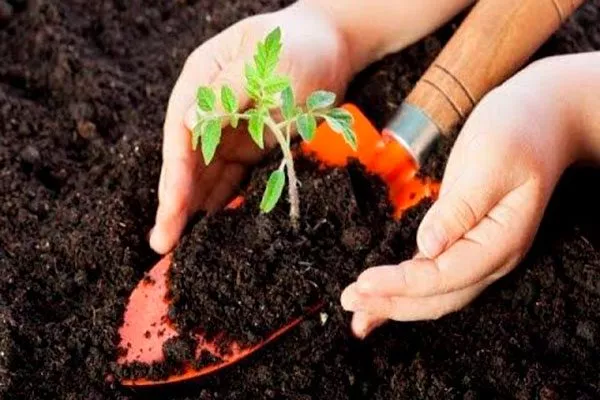
The transplant process is as follows:
- Mark out the area: there should be 50-55 cm between each hole, and 70-75 cm between rows.
- Pour 250-350 g of humus into the bottom of each hole and fill with water to absorb the fertilizer.
- When the humus and water are completely absorbed into the soil, plant the seedlings.
- Cover the base of the plant with soil.
- Pour 1 liter of warm water under each bush.
- ✓ The optimal soil temperature for planting seedlings should be at least +15°C.
- ✓ The distance between plants when planting should be 50-55 cm, between rows - 70-75 cm to ensure sufficient ventilation and lighting.
Further care
Care procedures are the same as for other tomato varieties, but it is important to take into account some varietal preferences.
Subtleties of irrigation
Red Guard tomatoes require regular, but not excessive, watering. During drought conditions, it is recommended to water every three days, using approximately 4 liters of water per plant. The soil moisture level should be at least 85%, and during the flowering period, the amount is increased to at least 6 liters per plant.
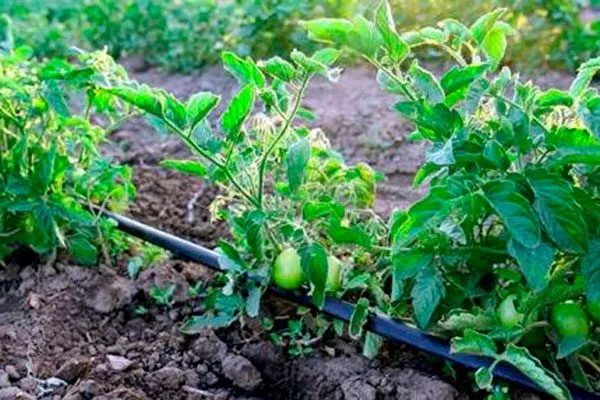
Once the fruit has formed, water the plants twice a week, being careful not to overwater to prevent cracking. As ripening approaches, reduce the frequency to once a week.
Weeding and loosening
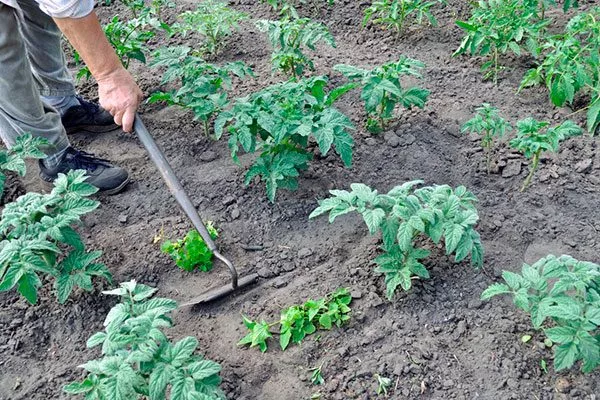
Weeds must be constantly removed to prevent them from robbing tomatoes of essential nutrients. The soil around the tomatoes should be frequently loosened to prevent crusting.
Pinching, garter and shaping
Caring for the Red Guard variety includes an important step: partial removal of side shoots. All shoots growing below the first flower bud should be pruned, while shoots above it are left to form the main crop. Failure to follow this rule may delay fruit ripening.
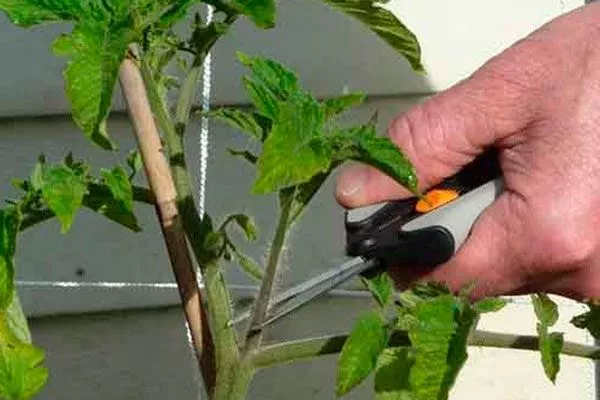
The bushes are compact and require no special training. Because the hybrid produces vigorous flower stems with more than seven fruits, staking is critical. To support the bushes, a support is installed near each one, after which the stems are carefully secured to the support, working upwards.
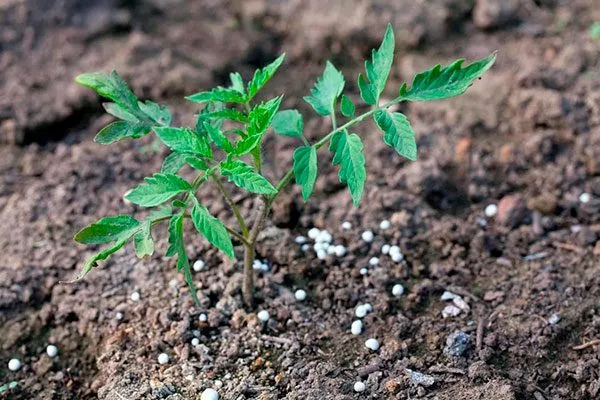
Top dressing
Red Guard tomatoes require several feedings per season, using a variety of fertilizers:
- The first feeding occurs two weeks after replanting and involves adding a urea solution. It's important to follow the dosage, as excess nitrogen can negatively impact fruiting.
- A week after the nitrogen fertilization, a solution of potassium and phosphorus should be added, which can be replaced with ash added to the soil. Yeast fertilizer, which helps combat pathogens and stimulates the growth of beneficial bacteria, is also suitable for the second fertilization.
- During the ripening period, tomatoes can be fed by spraying the leaves with a solution of 5 liters of water and 1 teaspoon of superphosphate.
Features of cultivation and possible difficulties
When transplanting seedlings to a permanent location, it is important to remember that this variety is highly cold-resistant, so storing overgrown seedlings at home until warm weather arrives is pointless.
Please note some nuances:
- Avoid overcrowding when planting. Bushes that are too densely spaced will develop slowly, bloom poorly, and frequently lose fruit.
- When securing plants to supports, it's crucial to avoid excessive tension. This can be challenging due to the relative weight of the trusses. Incorrect securing can also lead to constriction and, in the worst case, stem damage.
To prevent this, when attaching, you need to wrap the twine around the stem, not the stem.
The nuances of growing in open ground and in a greenhouse
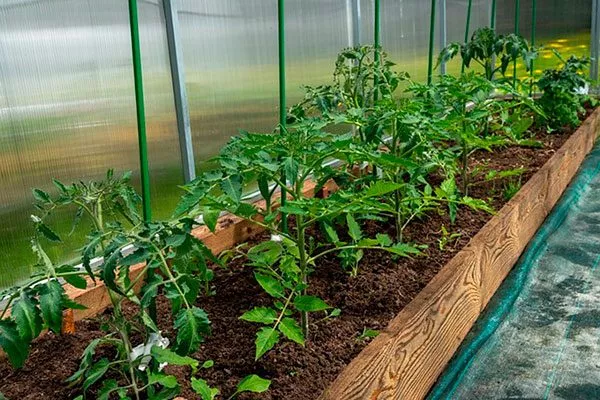
Red Guard is a tomato hybrid that is particularly demanding of soil moisture, but the air must be dry. In a greenhouse, the ideal balance can be achieved with regular ventilation.
Other subtleties:
- You shouldn't mix tomato and cucumber plantings in the same room, as these crops require completely different conditions for their growth.
- When watering tomatoes outdoors, it's important to avoid getting water on the leaves to prevent sunburn. Watering should be limited to the root area.
Prevention of pests and diseases
If seedlings are grown with due care, they will be disease-resistant, and pest control can be managed safely. The use of chemicals such as Actellic, Aktara, Regent, and Confidor should be limited and used only when absolutely necessary.
To deal with whitefly, which poses a danger to the hybrid, you can resort to the following methods:
- Garlic solution:
- chop 300 g of garlic;
- pour 2 liters of water into this mass;
- to increase the concentration, you can add soap shavings;
- let it brew for 5-6 days;
- Strain and use for spraying every 5 days.
- Copper sulfate:
- dissolve 150 g of the substance in 5 liters of water;
- mix thoroughly and leave for several hours;
- Use this solution for spraying every month; it creates a protective layer on plants that repels insects.
Powdery mildew and brown spot can be controlled using 400 g of soap, grated and poured with 3 liters of warm water.
Pros and cons
The Red Guard tomato is popular with gardeners and farmers due to its impeccable disease resistance. This variety is rarely susceptible to fusarium or cladosporiosis. It can tolerate low temperatures and low light without any problems.
Reviews
The Red Guard tomato has earned recognition for its ease of cultivation, increased resistance to low temperatures and diseases, and impressive productivity. These qualities make it the undisputed leader among hybrid varieties. Its flavor and versatility are highly valued by both experienced farmers and novice gardeners.