
Krasavets tomatoes are attractive for their small size, vibrant color, and thick skin, making them suitable for long-distance transportation and long-term storage. This high-yielding variety is resistant to a number of diseases and grows successfully in open beds and under plastic covers. These tomatoes have a rich flavor and are versatile.
Description of the bush and fruits
The variety was developed by breeders V. I. Kozak, A. V. Meshkov, S. V. Pustovalova, V. I. Terekhova and M. A. Myagkova. It has been approved for cultivation since 2010. It is characterized by a determinate growth type.

Distinctive features:
- The plant reaches 2 m in height and has medium-sized leaves, colored dark green.
- The tomatoes have a cylindrical shape and their weight varies from 40 to 50 g.
- Tomatoes have two seed chambers (called nests) and a jointed stalk. When unripe, they are light green, but when ripe, they turn bright orange or red.
Main characteristics
This mid-early variety ripens 100-105 days after germination. The harvest is in July-August. It is renowned for its high productivity—up to 4.4 kg per square meter—making it attractive for commercial cultivation.
This handsome variety demonstrates high resistance to a number of diseases, including tobacco mosaic virus and fusarium wilt. Thanks to its thick skin, these tomatoes withstand transportation and long-term storage well, maintaining their appearance and flavor.
Growing
Before sowing, treat the seedlings to improve germination and protect against diseases. Follow these steps:
- Soak in a 1% solution of potassium permanganate for 20 minutes, then rinse with clean water.
- To stimulate growth, soak in Epin or potassium humate for 10-12 hours.
- Temper by leaving it in a damp cloth for 1-2 days in the refrigerator at a temperature of +2…+4°C.
- ✓ Optimum soil temperature for planting seedlings: +14…+16°C.
- ✓ The need to use growth stimulants for seeds: Epin or potassium humate.
The best substrate is loose, nutritious, and breathable. You can use a mixture of:
- garden soil (1 part), humus (1 part) and sand (0.5 parts);
- add ash (200 g per 10 l) and superphosphate (20 g per 10 kg of composition).
Before sowing, heat the soil in the oven (20 minutes at +100°C) or pour boiling water with potassium permanganate over it.
Next, follow the requirements:
- Sow seeds in containers or boxes in late February to early March.
- Planting depth is 1-1.5 cm, distance between seeds is 2 cm.
- Moisten the soil, cover with plastic wrap, and keep at a temperature of 23 to 25°C. Once seedlings emerge, remove the cover and reduce the temperature to 18 to 20°C.
- At the stage of 2 true leaves, transplant the seedlings into separate containers with a volume of 200-300 ml.
- Provide the seedlings with 12-14 hours of light per day and moderate watering. Harden them off 10-14 days before planting: move them outside, gradually increasing the time spent outdoors.
Helpful tips:
- Plant seedlings in the beds in mid-May (or in June for northern regions), when the soil warms up to +14…+16°C.
- The distance between bushes is 40-50 cm, between rows – 50-60 cm.
- Water the holes with warm water, after adding a handful of ash.
- Plant the plants deep enough to reach the first true leaves.
Following these recommendations will allow seedlings to adapt more quickly to new conditions and develop better.
Care
Caring for the crop requires little attention and minimal effort, but yields depend on it. Follow standard agricultural practices:
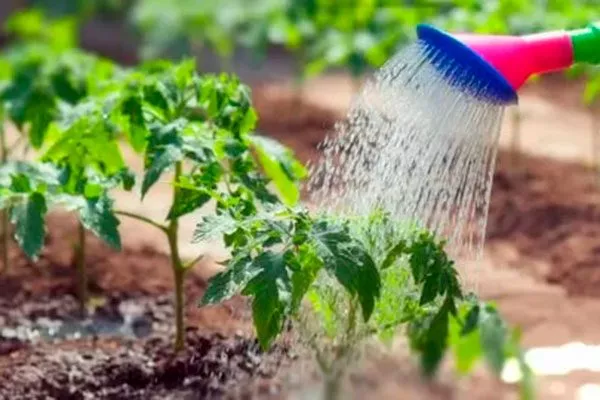
- Watering. For the first 7-10 days after planting, do not water the bushes to allow them to establish roots. Thereafter, water 1-2 times a week with warm, settled water (22…25°C), applying it directly to the roots, avoiding wetting the leaves. During flowering and fruiting, increase the watering to 5-7 liters per bush.
- Fertilizers. Fertilize the crop 3-4 times per season. Follow this schedule:
- 2 weeks after landing – infusion of mullein (1:10) or chicken manure (1:20), 0.5 l per bush;
- during flowering – Superphosphate (20 g) and potassium sulfate (15 g) per 10 liters of water;
- when setting tomatoes - ash infusion (200 g of ash per 10 l of liquid);
- during mass fruiting – potassium humate or yeast dressing (10 g yeast, 20 g sugar per 10 l of water).
- Loosening and mulching. After each watering, loosen the soil to a depth of 4-5 cm to improve oxygen access to the roots. Cover the beds with straw, peat, or sawdust—this reduces moisture evaporation and suppresses weed growth.
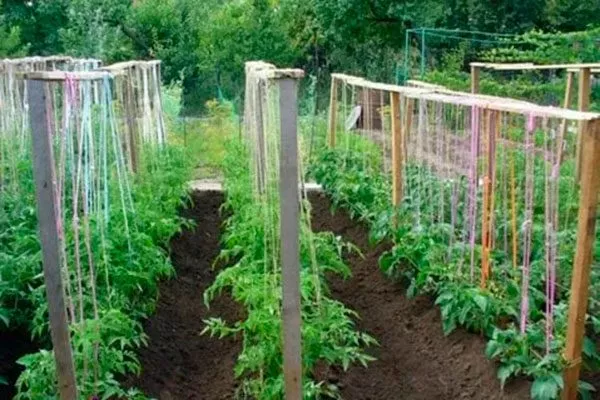
- Shaping and garter. The bushes are tall and need to be secured to a trellis or stakes. Train them into 1-2 stems: Leave the main stem, but regularly remove side shoots (up to 5 cm). If you train them into two stems, leave the side shoots under the first flower cluster.
- Protection from diseases and pests. For prevention, spray the plants with Fitosporin every 10-14 days. A garlic infusion (200 g per 10 liters of water) will help against aphids and whiteflies. Bordeaux mixture (1%) or whey (1:10 with water) will protect against late blight.
Pros and cons
Every tomato variety has its own characteristics, and Krasavets is no exception. Knowing its strengths and weaknesses will help you make an informed decision and achieve a high yield.
This variety is an excellent choice for those willing to provide proper care. With proper cultivation, it will delight you with generous harvests, rich flavor, and high-quality tomatoes.
Reviews
Krasavets is a versatile tomato variety that combines good productivity, excellent flavor, and a strong immune system. These tomatoes are suitable for salads, preserves, and storage. The bushes require training and care, but with proper cultivation practices, they yield a consistent harvest. This is an ideal solution not only for experienced gardeners but also for novice gardeners.