
The Kotya tomato variety is a product of the innovative efforts of the Partner agricultural firm, instantly attracting attention with its voluminous clusters of bright yellow fruits. These bushes are striking in their decorative appearance and are gaining popularity among agricultural specialists.
History of creation and zoning
The Kotya variety, with its appealing name, is the result of the meticulous work of Russian breeders (Blokin-Mechtalin and Kiramov). N. P. Fursov also contributed to the hybrid's development, and "Partner" acted as the original producer.
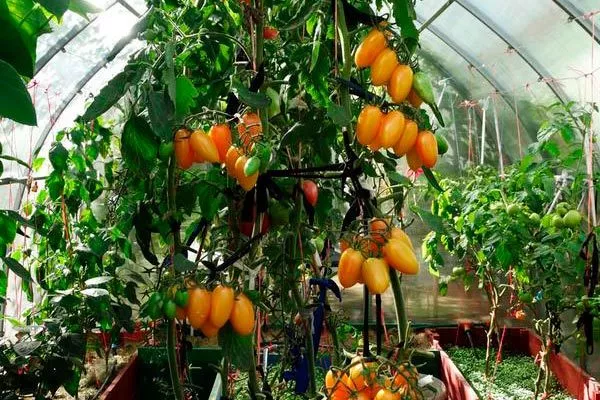
This hybrid was developed in 2016 and registered in the State Register of Breeding Achievements of the Russian Federation, receiving permission for cultivation in 2018.
This variety is highly stress-resistant. It can withstand temperature fluctuations without loss, tolerates low temperatures, thrives in hot conditions, and is not affected by drought. The only adverse effects this variety may experience are strong, cool winds.
Kotya can grow and bear fruit in a variety of climates, from northern to southern regions. Besides Russia, this variety is actively cultivated in Ukraine.
Description of the bush and fruits
The Kota tomato stands at 200 cm tall and is an indeterminate plant, meaning it grows continuously throughout the season. It impresses with its strong stem structure, moderate abundance of dark green foliage, developed root system, and simple flower bud type.
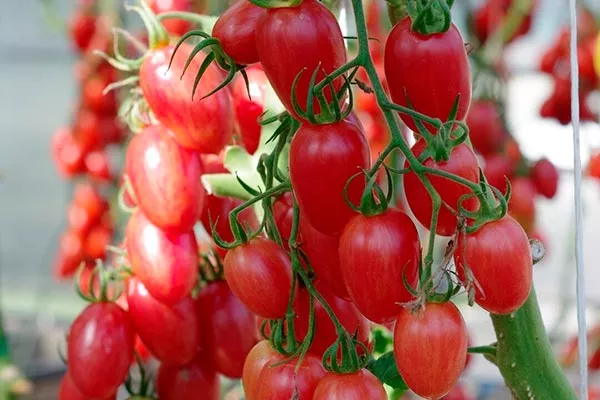
Other varietal characteristics:
- The inflorescence appears above the sixth or seventh pair of leaves, and subsequent ones are formed at intervals of one or two internodes.
- Tomatoes form in the form of long clusters, each of which can contain up to 10-16 fruits, which gives the bushes a special appeal.
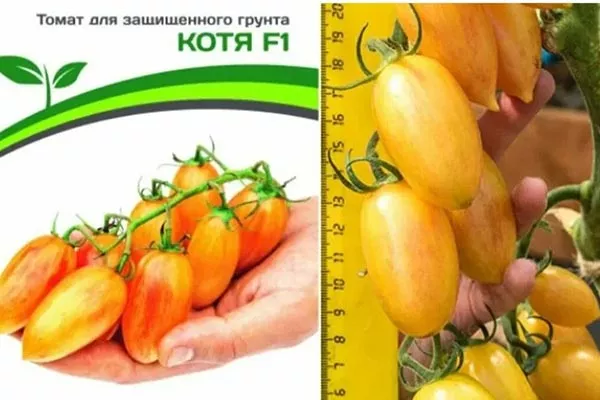
- This variety is characterized by its distinctive color—the fruits are covered with a yellowish tint with distinct orange highlights. At the beginning of ripening, the fruits have a light green hue.
- These tomatoes are cylindrical in shape with subtle grooves on the surface and a feature resembling a spout.
- The tomatoes are small in size – the average weight of each is 35-45 g.
- The skin is perfectly smooth, medium thick, and elastic, making them resistant to cracking and easy to transport. These tomatoes have a fairly good shelf life when stored properly.
Experts recommend maintaining the bushes as a double-stemmed structure, systematically removing new shoots, and ensuring reliable support on a sturdy support. Otherwise, stem deformation and damage cannot be ruled out.
Key characteristics of the variety
The hybrid has excellent transportability and shelf life, allowing vegetables to be stored for up to a month. However, there are other characteristics that gardeners should be aware of in advance.
Taste and uses of tomatoes
Tomatoes are distinguished by a vibrant sweetness, completely devoid of acidity. The flesh of cocktail tomatoes is rich, juicy, and high in sugar, yet contains a small number of seeds. The aroma of the fruit delights with fruity notes.
The Kotya variety is versatile and can be eaten fresh, canned, or used in juices, pastes, ketchups, and dressings. These tomatoes are especially prized for whole-fruit pickling. This hybrid is ideal for salads and fresh vegetable appetizers.
Ripening, fruiting and productivity
Kotya is one of the earliest hybrid tomato varieties. It takes just 95 days from the moment the seeds fully germinate until the first tomatoes become ripe. These tomatoes ripen evenly, allowing them to be harvested whole from the vine—you can prune the vine in the garden and pick the fruits back home.
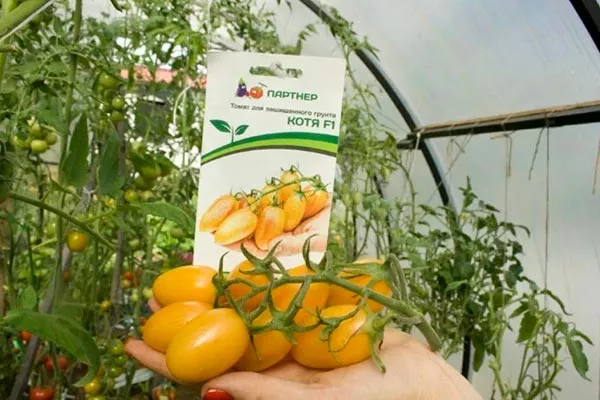
Fruiting lasts for quite a long time, but the main harvest occurs in the summer, from July to September. If seeds are sown in late March, the first berries can be harvested as early as July. Tomatoes can be harvested even before they are fully ripe, as they ripen beautifully indoors.
Productivity is very high. If you carefully follow expert advice and basic agricultural principles, you can harvest up to 8-9 kg of tomatoes per square meter of land per season.
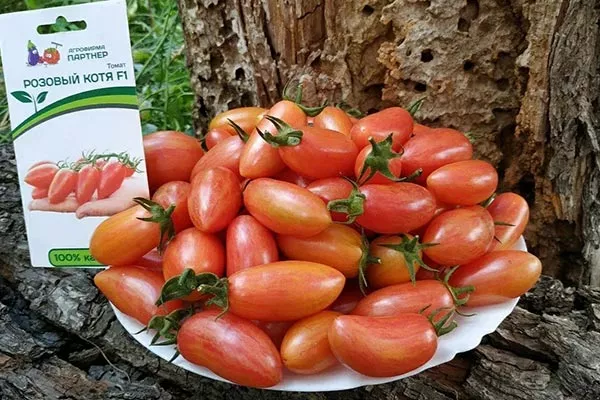
Fruiting characteristics:
- The yield level is determined by the cultivation conditions:
- The bushes reach their maximum growth when grown in a greenhouse on nutritious and moist soil;
- In open ground conditions the parameters are reduced.
- Productivity declines for several reasons:
- due to sudden temperature fluctuations;
- drought or excess moisture;
- depleted soil;
- if you do not carry out bush formation.
It's recommended to grow tomatoes in double stems, promptly removing side shoots. This will allow the plants to manage their resources more efficiently for abundant fruiting, and will also provide better light and ventilation.
Growing
Tomatoes love sunlight, so windowsills and south- or southeast-facing areas are best for growing them. Remember to provide the plants with adequate water and fertilizer.
Recommended timeframes
These tomatoes are grown using seedlings. The timing for planting seeds depends on the geographic location:
- for the southern regions the optimal period is the end of April, maximum the beginning of May;
- for central regions – from March 15 to March 30;
- for northern regions – from April 1 to April 15.
The seedlings are transplanted to their permanent location when the soil temperature at a depth of 15 cm reaches 16°C (61°F). By this point, the plants should be 50 to 60 days old. When grown in a greenhouse, sowing should be done two weeks earlier.
Preparing and sowing seeds
The process of preparing planting material includes three key steps:
- Germination assessment. The seeds are soaked for 30 minutes in a solution of 200 ml of water and 1 teaspoon of salt. Those that float to the surface are discarded, and those that sink to the bottom are rinsed and prepared for planting.
- Etching. The material is placed in a light pink solution of potassium permanganate for 20 minutes, in a hydrogen peroxide solution for 15 minutes, or in a soda solution for 12 hours. Then, they are thoroughly rinsed.
- Assistance in development. Nutrient solutions are used to stimulate growth. Epin is often used as a commercial product. A homemade nutrient solution can also be made by mixing equal parts aloe leaf juice and water.
Choosing the right soil for seedlings is important. The substrate should be light and rich. For those who prefer to prepare the soil themselves, it is recommended to evenly mix sand, black soil, and humus.
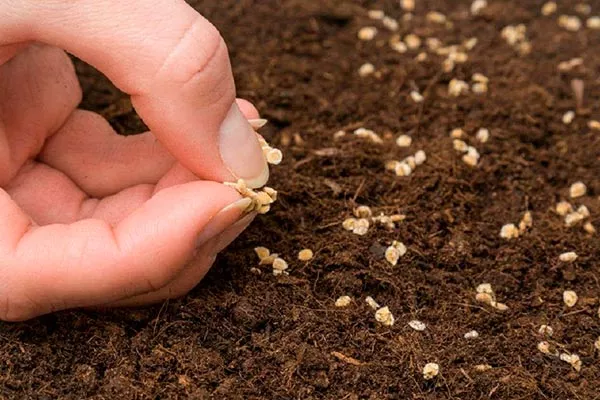
Before you begin growing tomatoes, you need to disinfect the soil and containers with a solution of potassium permanganate, colored dark pink.
The sowing process is standard:
- Pour the substrate into the containers.
- Form grooves to a depth of 1 cm.
- Place the seeds at 2cm intervals between them.
- Compact the surface and water with soft, not cold water using a spray bottle.
The boxes with seedlings are protected from the cold by covering them with a glass cap or film and placing them in a warm place.
Caring for seedlings
Experienced gardeners know that growing tomato seedlings is not difficult if you carefully monitor their condition:
- Maintain the soil's moisture level by gently watering it with warm, settled water. Avoid dripping onto tomato leaves to prevent rot, blackleg, and mold from developing on the soil surface.
Avoid both drying out and over-wetting, as both conditions can lead to root diseases. - As soon as the first shoots appear, remove the plastic film. Move the seedlings to a bright location where they can fully grow. To prevent stem elongation, use fluorescent lamps.
- Pay special attention to ensuring that young tomatoes are not exposed to cool winds, which can cause them to become diseased and die.
- Prick out the plants when they develop a couple of their first true leaves. Place a layer of drainage material in the replanting containers beforehand. Avoid cutting the plant's main root, as this can slow its growth.
- Two weeks after transplanting, fertilize the tomatoes for the first time. Then, apply fertilizer at two-week intervals, using phosphorus-containing compounds.
- Fifteen days before final planting in the open ground or greenhouse, tomatoes need to acclimate to the new conditions. This process, called hardening off, involves moving the plants outdoors daily, gradually increasing the amount of time spent outdoors.
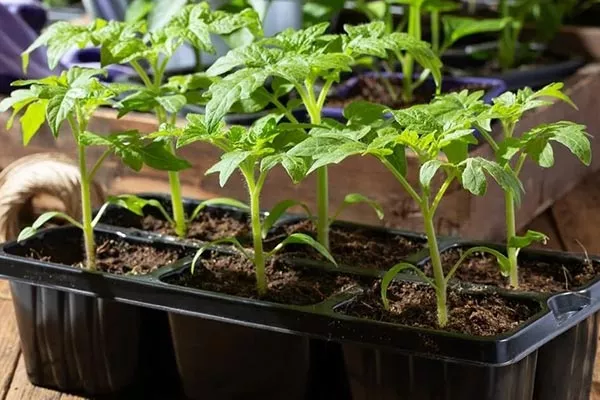
Transplanting tomatoes into open ground
Preparing tomato beds begins well in advance. In the pre-winter period, the beds are tilled, weeds and crop residues are removed. Then, 5-7 kg of compost is added per square meter of soil. The soil is thoroughly mixed with fertilizer.
Helpful tip:
- In autumn, rye seeds are scattered on the beds.
- In the spring, when the rye sprouts, its shoots are carefully dug up so that all the greenery is immersed in the ground.
- Then the beds are watered with a Baikal solution, the proportions of which should be observed in accordance with the instructions, and covered with a plastic sheet.
- In two weeks the rye will have completely rotted, enriching the soil.
Site selection is key. Avoid areas where nightshades were previously grown, as they are undesirable precursors for tomatoes. A location with adequate light is best.
In the spring, the area should be leveled with a rake and young weeds should be removed. The soil should then be sprayed with a copper sulfate solution.
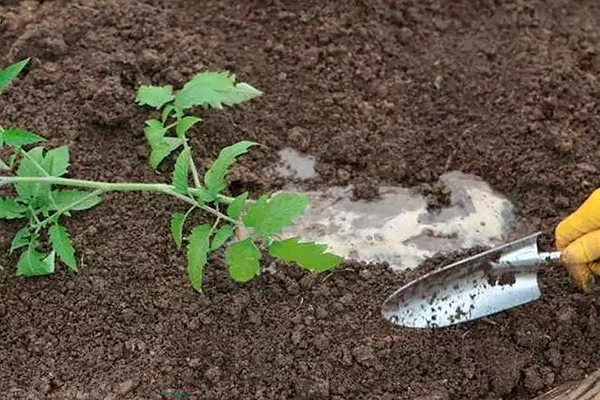
The transplant process is as follows:
- Form holes the depth of which corresponds to the size of the plant's root system.
- Add 10-15 g of Superphosphate to each hole.
- Carefully place the tomato seedling in the center and fill it with soil up to the level of the lower leaves, but do not compact the soil too tightly.
- After replanting, moisten the plant with plenty of water.
- After ten days, to prevent the development of late blight, water the plantings with a weak solution of potassium permanganate.
- ✓ The optimal soil temperature for transplanting seedlings should be at least 16°C at a depth of 15 cm.
- ✓ To prevent the development of late blight after transplantation, it is recommended to water the plantings with a weak solution of potassium permanganate after ten days.
For replanting, dig holes in a checkerboard pattern, using a 70 x 40 cm spacing. It is recommended to plant up to four plants per square meter of soil.
Rules for caring for adult plants
Koti's productivity is largely determined by the quality and consistency of their care. Below are key recommendations and guidelines from gardening professionals:
- Tomatoes can be trained into either single or double stems. Single stem training will ensure earlier ripening, while double stem training will increase overall yield.
- Tomatoes are watered when the soil begins to lose moisture. This should be done when the sun is not too strong, using warm, settled water.
It's important to avoid getting water on the above-ground portion of the plant to avoid leaf burn. The frequency of watering depends on the current air temperature. In a greenhouse, the soil should be moistened once a week. - After watering, loosen the soil around the tomatoes to remove any crust that has formed and improve root gas exchange. Don't forget to clear the beds of weeds.
- During the flowering period, it's recommended to shake tomatoes periodically to promote more complete pollination. This is especially important for plants grown in greenhouses.
- Carefully tie up tomato bushes, providing them with support, including for long and heavy brushes.
- To feed Kotya tomatoes, 2-4 fertilizers are used per season, combining mineral and organic mixtures.
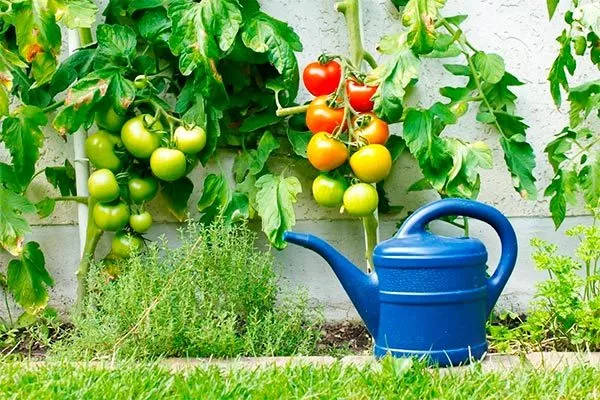
Alternatively, you can pre-fill the tomato planting holes with ash, eggshells, double superphosphate, and compost, then add a light pink solution of potassium permanganate and mix well. In this case, additional fertilizing will only be necessary once per season, using an infusion of nettle, ash, and chicken manure.
Prevention of diseases and pests
The Kotya tomato variety boasts good resistance to many diseases, such as late blight, bacterial spot, and viral mosaic. However, the main risk for these plants is rot, which can develop under conditions of excessive moisture, which is especially common in greenhouse crops.
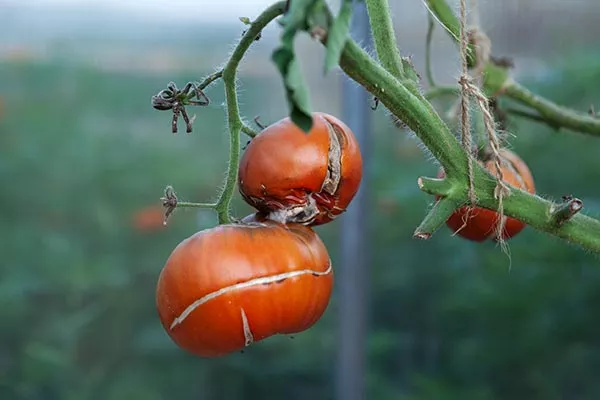
Pests that can damage tomatoes include aphids and whiteflies. During drought conditions, the plant is at risk of spider mites, and during periods of prolonged rainfall, slugs may appear on the lower leaves. To protect tomatoes from pests, it is necessary to use traps, follow proper growing practices, and remove weeds promptly.
To minimize all risks, it is necessary to carefully follow preventive measures:
- Disinfection. Before sowing, it is necessary to treat the soil, containers, seeds, greenhouse walls and garden tools with special disinfectants.
- Weed removal. Unwanted plants can become a source of pests and carriers of diseases, including the remains of last year's crops.
- Crop rotation strategy. It's not recommended to plant tomatoes in areas where other nightshades were grown last year, as this increases the risk of infestation. Potatoes, which can attract pests, should also be avoided.
- Proper irrigation. Excessively dry soil and stagnant water create favorable conditions for the development of viral and fungal pathogens.
Helpful tips:
- A mixture of soap and water or a decoction made from wormwood is used as a protective agent against many insects.
- Colorado potato beetles and slugs are caught by hand.
- Prevention of late blight in greenhouse conditions is achieved by using an open bottle of iodine.
- In open ground, to prevent infection, plants are sprayed with a solution of copper or light pink potassium permanganate.
Pros and cons
Although the Koti hybrid is a recent addition, it has already gained popularity among gardening enthusiasts. Advantages:
The disadvantages include the need for pinching and supporting the bushes.
Reviews
The Kotya tomato is a sweet hybrid that is resistant to infections and viruses, and insect pests. It grows and produces fruit well in fertile soil. It is recommended to harvest the fruits before they are fully ripe. They are best planted indoors, where it is advisable to tie the tall bushes to vertical supports.