
The Royal tomato attracts attention with its generous yields, resistance to disease and stress, and pleasant flavor and aroma. This variety is ideal for both open-field and greenhouse cultivation, making it a versatile choice for many regions. It will delight you with its excellent productivity, but only with proper care.
Historical background
Developed by Yu. I. Avdeev, L. M. Ivanova, and A. Yu. Avdeev at Agrovnedrenie Research and Production Enterprise, LLC, it has been registered and recommended for use since 2001.
It belongs to the determinate varieties, characterized by compact sizes that can be grown without support.
- ✓ The variety has a high resistance to blossom-end rot, which is rare among tomatoes.
- ✓ The leaves have a specific matte shade, which helps in identifying the variety.
Distinctive features of the plant
The bushes grow to 60-80 cm in height, with medium-sized green leaves. The inflorescences are simple: the first forms above the 6th-7th leaf, and subsequent ones are spaced 1-2 times (up to a maximum of three). The peduncle of the Royal tomato is not articulated.
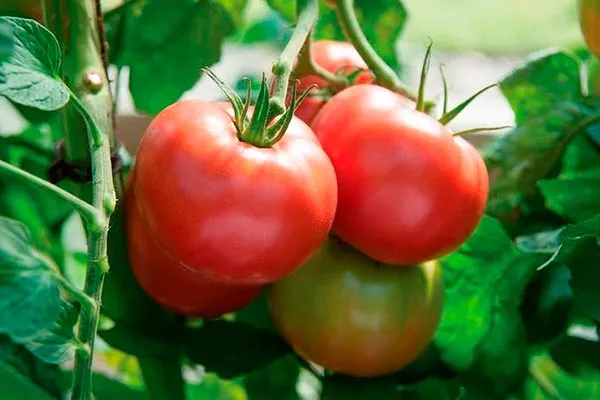
The main advantage of this variety is its excellent flavor. The taste varies depending on the stage of ripeness—the vegetables are tastier when fully ripe. They are round in shape and weigh around 150 g, with some specimens reaching 300 g.
Unripe fruits are light green in color, and when ripe they turn red with a pinkish tint.
Key characteristics of the variety
The Royal tomato is a favorite among many gardeners across the country. It boasts numerous unique and positive qualities, making it an increasingly popular choice in open gardens and greenhouses.
Scope of application
Tomatoes are versatile. Their balanced flavor and juicy flesh make them suitable for fresh consumption and a variety of culinary applications. They are excellent in salads, sauces, and juices.
Their large size and fleshy flesh make them ideal for hot dishes and casseroles. They are often canned and serve well in preserves, such as pasta, lecho, or pickled slices.
Ripening, fruiting and productivity
The Royal variety is a mid-season variety. It takes approximately 119 days from planting to full maturity, allowing you to harvest your first fruits just four months after planting the seedlings in open ground.
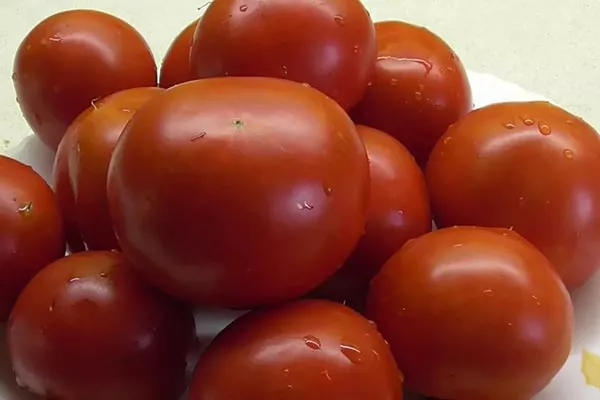
With proper agricultural practices, this variety can produce high yields. 5-6 kg of vegetables can be harvested per square meter.
What conditions and regions are best for growing?
According to the State Register, tomato plants are suitable for cultivation in open beds, under plastic covers, and in greenhouses. The plants adapt well to the varied climatic conditions of most regions of Russia.
The Royal variety shows good results in the following regions:
- Central;
- South;
- Volga-Vyatka;
- Volga region;
- North-West.
In Siberia and the Urals, it is better to grow the crop in greenhouses or under film to protect it from frost.
Features of planting and growing
Korolevskiy has proven itself to be a reliable and productive variety, suitable for cultivation in a variety of conditions. To achieve maximum results, it's important to carefully approach seed preparation, sowing, seedling care, and transplanting.
Preparing seeds and soil
The first stage is sorting the beans. Preparation includes the following steps:
- Select large and undamaged specimens.
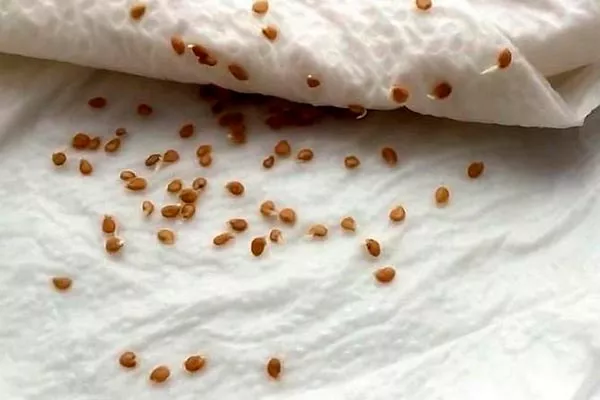
- To improve germination and disease resistance, soak the planting material in a potassium permanganate solution (1 g per 1 liter of water) for 20-30 minutes, then rinse with clean water. Alternatively, use growth stimulants such as Epin or Zircon.
- ✓ The optimal soil acidity for Royal tomatoes should be within the pH range of 6.0-6.8.
- ✓ The soil must contain at least 3% organic matter to provide the necessary nutrition for the seedlings.
The soil for seedlings should be light, nutritious, and moisture-retentive. The optimal composition is equal parts garden soil, humus, and peat, with a little wood ash added (200 g per 10 kg of mixture). Disinfect the soil by steaming it in a water bath or by soaking it in a weak solution of potassium permanganate.
Timing and sowing for seedlings
To ensure high-quality, healthy seedlings, sow the seedlings 55-60 days before transplanting. For most regions of Russia, this is mid-March, but in southern regions, you can start sowing as early as the beginning of the month.
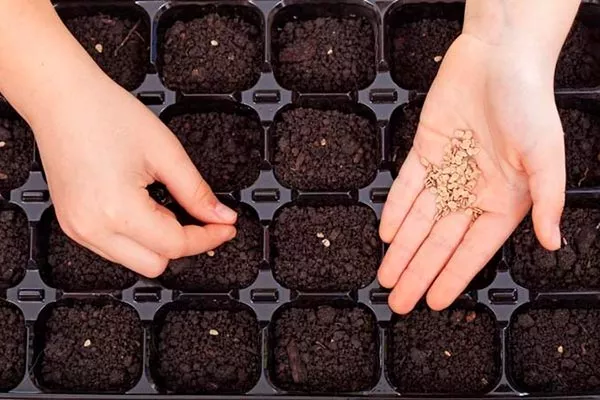
Follow the instructions:
- Place the seeds in prepared containers or cassettes to a depth of 1-1.5 cm, sprinkle with a light layer of soil.
- Moisten the plantings with warm water.
- Cover the containers with film or glass to create a greenhouse effect and place them in a warm place with a temperature of +22…+25°C.
The seedlings will appear in 5-7 days, after which remove the cover and reduce the temperature to +18…+20°C.
Growing conditions, picking, hardening
For good seedling growth, adequate light is essential. The optimal daylight period is 12-14 hours, so supplemental lighting with phytolamps will be necessary on cloudy days.
Provide the seedlings with proper care:
- When the plants have 2-3 true leaves, transplant them. Carefully transplant the seedlings into individual 500 ml containers, planting them deep down to the cotyledons. This promotes the development of a strong root system.
- Ten to fourteen days before planting outdoors or in a greenhouse, begin hardening off the seedlings. Place them outside or open the windows, gradually increasing the time spent outdoors from 1-2 hours to a full day. The temperature should not drop below 12°C.
By following these recommendations, you'll grow healthy, strong Royal tomato seedlings that will quickly establish themselves in their new location and provide a bountiful harvest.
Planting in the ground
To grow this crop, choose the right site. It should be well-drained and protected from cold winds. The variety prefers loose, fertile soil; loamy or sandy loam soils enriched with organic matter and complex mineral fertilizers are ideal.

Before transplanting the seedlings into the soil, prepare holes spaced 40 cm apart. Add 20 g of superphosphate and a small handful of wood ash to the bottom of each hole, then cover them with a layer of garden soil.
Carefully place the seedlings in the hole, spreading the roots along the bottom. Then fill with soil, compact it lightly, and water thoroughly. After the water has absorbed, mulch the soil around the plants with grass clippings or peat to retain moisture.
Care instructions
Caring for the crop isn't difficult, even for novice gardeners, but it does require following a few rules to ensure bountiful harvests. Follow simple agricultural practices to increase productivity.
Watering and fertilizing
Water the Royal tomato plants 1-2 times a week. Increase the frequency in dry and hot weather, and decrease it in rainy weather.
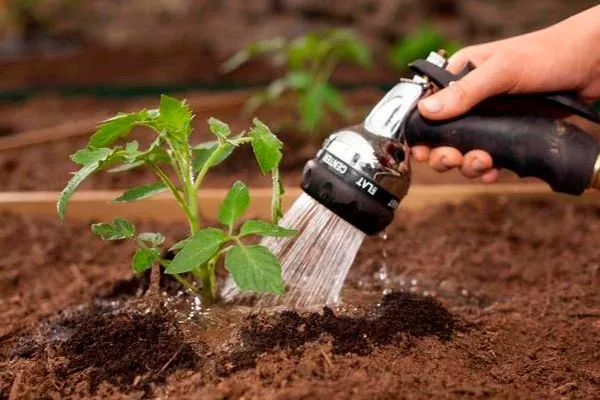
Apply the first fertilizer two weeks after transplanting, using nitrogen-containing fertilizers. During flowering and fruit set, feed the plants with superphosphate, and during the period of active fruit ripening, use a complex fertilizer rich in phosphorus and potassium.
Other works
It's important to follow proper agronomic practices to successfully grow the crop. The Royal variety requires careful care:
- Loosening. Loosening the soil around the bushes improves air exchange in the root system, prevents surface crust formation, and helps retain moisture. This is especially important during periods of active plant growth and fruit formation.
Loosen the soil carefully, without damaging the roots, to a depth of 5-7 cm. - Weeding. Regular weeding helps prevent future weeds. Weeds compete with tomatoes for nutrients and moisture. Furthermore, weeds can be a source of disease, so it's important to remove them promptly, especially during the early stages of plant growth.
Weed by hand or with a flat hoe to avoid damaging the tomato roots. - Mulching. It helps retain moisture in the soil, improves its structure, and prevents weed growth. After watering or rain, cover the soil around the bushes with a layer of organic material. The best options are grass clippings, straw, or peat.
Mulch reliably protects roots from overheating in hot weather and from freezing in cold weather. - Pinching out stepsons. This procedure involves removing lateral shoots (side shoots) that appear in the leaf axils. This allows the plant to focus all its energy on growing the main stems and producing tomatoes, improving ventilation and preventing disease.
Regularly prune the bushes, starting from the moment the shoots become visible and continuing until the end of the growing season.
This variety doesn't require staking, but if necessary, you can secure the stems to keep them upright, especially during periods of active growth and fruiting. This prevents the plants from lodging, makes care easier, and promotes uniform light distribution throughout.
Use various staking methods, such as trellises, stakes, or nets. Stake the plant from the very beginning of growth, securing the stem to the support with soft material to prevent damage to the trunk.
Treatment and prevention of diseases and pests
Like other varieties, the Royal variety can be susceptible to various diseases and insect attacks. By following proper agricultural practices and regular preventative measures, the risks can be significantly reduced.
Improper care can lead to various problems:
- Late blight (phytophthora). A common disease caused by a fungus. It appears as dark spots on leaves, stems, and fruits. It is especially dangerous in conditions of high humidity and temperature fluctuations.
To prevent and combat late blight, use copper sulfate-based products, such as Oxyhom or Topaz. - Powdery mildew. A fungal disease that manifests as a white coating on the upper surface of leaves. The leaves turn yellow and then dry out. To control powdery mildew, use fungicides. Skor or Topsin-M are effective.
- Blackleg. A harmful fungal infection that can affect the roots and stems of seedlings. Signs include wilting and yellowing of foliage. To prevent the disease, maintain a regular watering schedule and avoid overwatering the soil. The fungicide Fundazol can help solve the problem.
- Brown spot. This is a fungal disease that causes brown spots with a yellow border to appear on the leaves. For prevention and treatment, spray with copper-based products, such as Bordeaux mixture.
- Root rot. It's caused by fungi that attack plant roots, especially when the soil is overwatered. To prevent this, maintain a proper watering schedule and use drainage. In case of infection, treating the roots and soil with fungicides, such as Trichodermin, helps.
- Tomato moth. The insect damages leaves and fruits, leaving characteristic spots. To control the pest, use insecticides such as Confidor or Actellic.
- Aphid. This is one of the most common tomato pests. It feeds on plant sap, weakening it and promoting the spread of viral diseases. To control aphids, use insecticides or folk remedies, such as garlic infusion.
- Colorado beetle. Although this insect most often attacks potatoes, it can also attack tomatoes. It eats the leaves, reducing photosynthesis and development. Treat the plants with insecticides such as Presto or Nikofan.
- Spider mite. These are small pests that form webs on plants and suck the sap from the leaves. To control them, use acaricides such as Fitoverm or Nisoran.
Tomatoes, especially in greenhouses, require good ventilation to prevent fungal diseases. Avoid planting seedlings in the same location several years in a row to prevent the accumulation of pathogens in the soil.
Apply preventative fungicide and insecticide treatments to the crop at 7-10 day intervals, especially during periods of high humidity and pest activity. Regularly remove affected leaves, stems, and fruit. Destroy them to prevent the spread of infection.
Harvesting and storage
Begin harvesting tomatoes when they reach full ripeness and acquire their characteristic red color with a pink tint. Harvest them in the morning, during dry weather, carefully to avoid damaging the plant.
Wooden boxes or baskets are ideal for storage, as they prevent the tomatoes from squashing against each other. Store tomatoes in a cool, well-ventilated area with a temperature of approximately 10-15°C. Under the right conditions, they will stay fresh for up to 1-2 weeks.
If you want to preserve your harvest for a long time, use canning, pickling, or freezing methods. Avoid over-chilling, as this can lead to loss of flavor. If vegetables are not ripe, leave them at room temperature to ripen naturally.
Pros and cons
Before planting seedlings in your garden, it's important to carefully study the crop's characteristics and weigh the pros and cons. This will help avoid unpleasant situations in the future.
Among the disadvantages, some gardeners note the need to form bushes into several stems to achieve optimal results.
Reviews
The Royal tomato is an excellent choice for those who value not only delicious but also productive varieties. Its strong immunity, ability to withstand adverse weather conditions, and long fruiting period make it ideal for both gardening and commercial cultivation.