
The Korolevich tomato is easy to care for, but to ensure a bountiful harvest, careful attention to growing instructions is essential. This variety thrives both in open fields and greenhouses. It has a perfectly even, heart-shaped form.
History of the variety and regions
The tomato variety was created thanks to the efforts of breeders from various Russian organizations, including the Central Siberian Botanical Garden of the Siberian Branch of the Russian Academy of Sciences, Agro LLC, and Sergei Nikolaevich Kondakov’s peasant farm, located in Altai.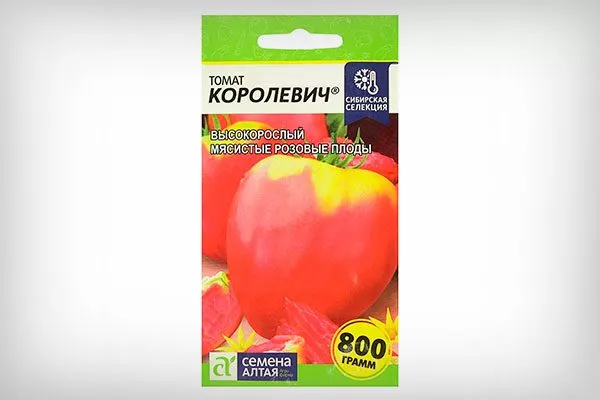
Development began at the beginning of the 21st century, followed by numerous test cultivation periods. It was only in 2008 that the Korolevich variety was registered in the State Register of Russia. The project was led by a team of experts, including Altunina, Kudryavtseva, Kondakov, and others.
Regional features:
- Tomatoes are ideal for growing in outdoor garden plots, especially in mild climates. In colder regions, it is recommended to plant them in greenhouses or under protective film.
- This variety can be successfully grown throughout Russia, with the exception of the Far North and other areas with similar climates. In the northern regions, it requires special attention and care.
- This variety will appeal to residents of regions such as the Moscow region, Siberia, the North Caucasus, the Far East, the Black Earth region, the Volga region, the Urals, and the northern regions of the European part of Russia.
Description of the bush
The Korolevich tomato is an indeterminate variety and can reach a height of 150-180 cm in favorable conditions. This variety is distinguished not only by its tall stature but also by:
- with spreading flexible branches;
- powerful main stem;
- dense, dark green foliage with slight wrinkling and a simple flower inflorescence.

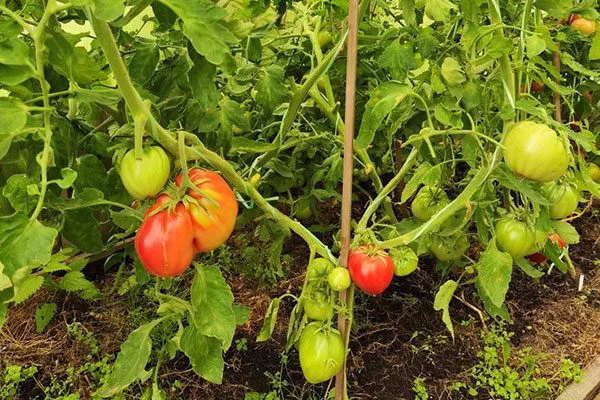
This variety has a robust root system. The first fruit cluster appears above the 6th or 7th leaf. A mature bush typically produces 4-5 fruit clusters, each producing 3 to 5 ripening fruits.
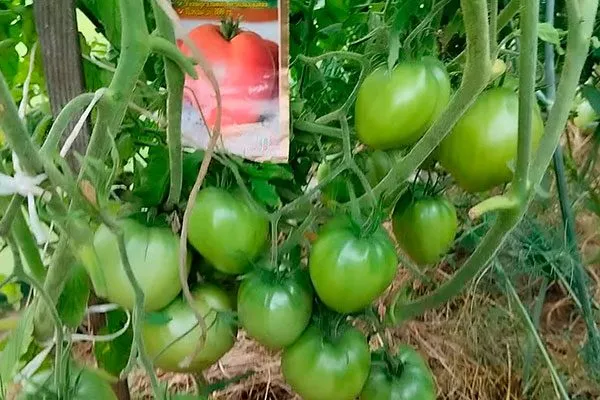
Description of fruits
Korolevich is a tomato variety with large fruits, weighing from 200 to 250 g. With proper feeding and care, larger tomatoes can be achieved – up to 300-500 g, while the number of tomatoes per branch will decrease.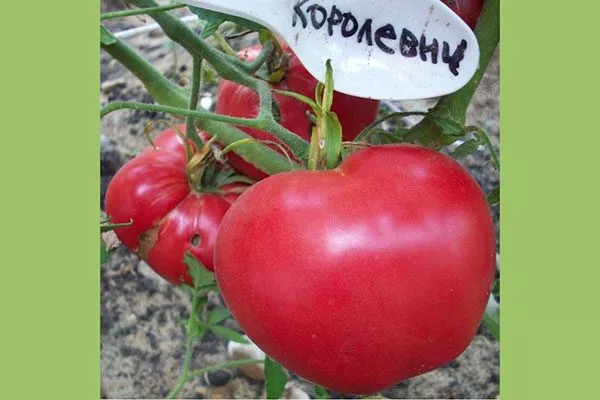
Other varietal characteristics:
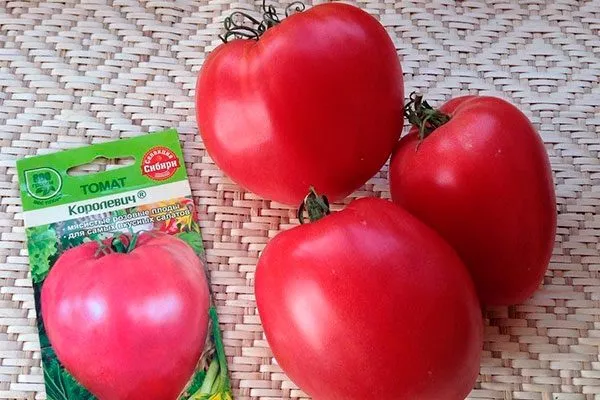
- The tomatoes have a harmonious heart shape, with smooth, shiny skin and barely noticeable ribs.
- At the beginning of ripening, they are light green, and when ripe, they turn an exquisite bright pink. The stalk lacks a dark spot.
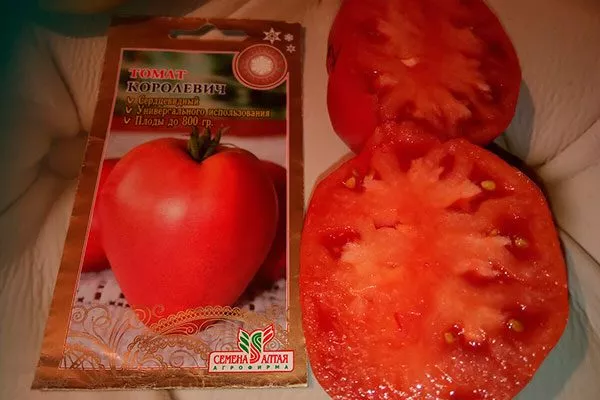
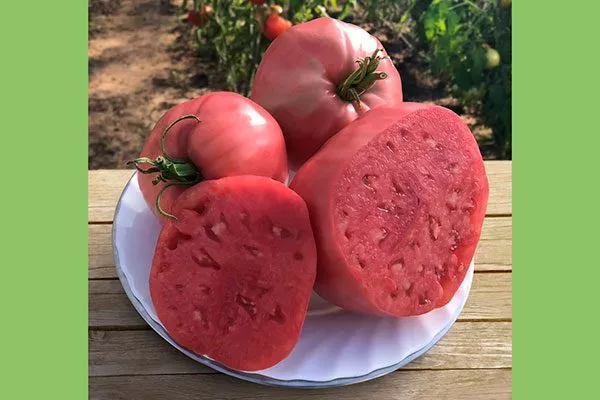
- The light pink flesh is loose and moderately firm, with a high juice content. It is surrounded by a thin skin and contains numerous small seed chambers.
- The taste is amazing, with a predominance of sweetness, which is harmoniously combined with light acidic shades and a fresh aroma.
- These tomatoes are used in many culinary recipes: they are served raw, used to make sauces, juices and dressings, added to various dishes - both cold and hot, and also salted and pickled.
Characteristics
Korolevich is not a hybrid, so you can collect seeds for future sowing, as the varietal characteristics will be preserved. Each season, it is recommended to grow this nightshade variety either from your own seedlings or purchase ready-made saplings for planting.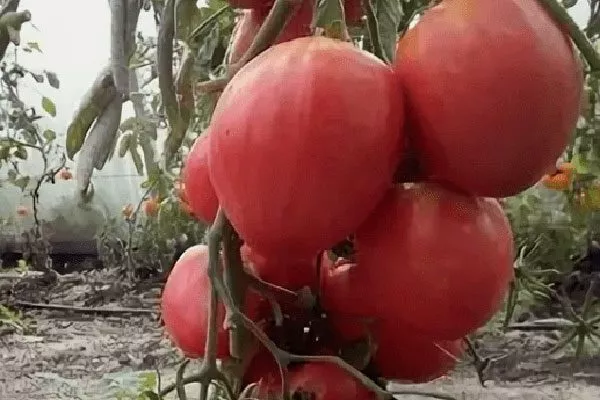
For successful tomato growth, you can choose the following conditions:
- open areas of land;
- greenhouses;
- shelters under the film.
To maintain tall bushes at a level, it's important to prevent them from spreading along the ground, which can lead to reduced yields and the risk of fungal diseases. It's recommended to secure stems and clusters to supporting structures.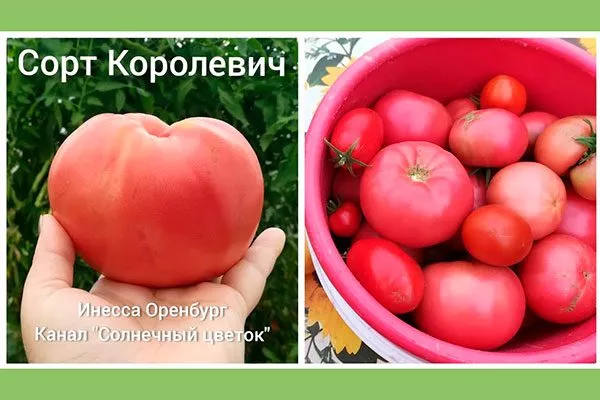
Characteristic features:
- The ripening period ranges from 115 to 120 days, classifying it as mid-season. Ripe fruits are typically harvested beginning in the second half of August and continuing until early September.
- Korolevich tomatoes don't produce much—approximately 1.9-2.2 kg of fruit per square meter. However, productivity can be increased with proper plant care.
- The variety has good resistance to stress and adverse weather conditions, including temperature fluctuations. It can survive dry periods without loss.
- Despite resistance to most diseases, including fusarium wilt and rot, as well as tobacco mosaic virus, preventative treatments are still recommended.
- Insects rarely attack tomato plantings, but they should be avoided near potatoes and eggplants.
Growing seedlings
This variety, like other tomato plants, prefers to grow from seeds grown indoors for the best harvest. The key to success is obtaining healthy seedlings.
Planting seeds
Before sowing seeds, they must be disinfected and fertile soil prepared. Seedlings can be sown as early as March, and if spring arrives early, work can begin as early as February.
Special rules for planting seeds:
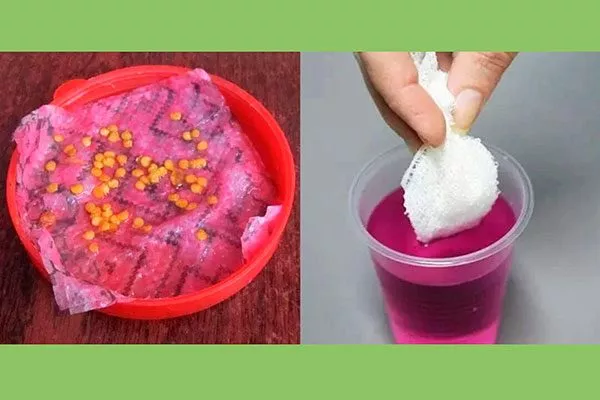
- To soak the planting material, use a weakly concentrated solution of potassium permanganate (light pinkish color).
- To ensure that the soil is sufficiently dense, it needs to be compacted slightly and covered with a layer of peat to retain moisture.
- Use a strainer to ensure even watering.
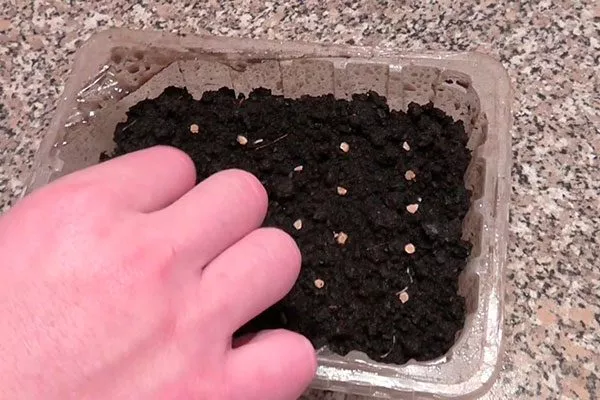
- The most convenient way to distribute the seeds along the furrows is with tweezers.
- After sowing the seeds, cover the container with film or clear glass.
- Place the seed trays in a warm location, where the temperature stays around 25 degrees Celsius. Expect the seedlings to emerge within two weeks.
Caring for sprouts
For the first five to seven days after the green shoots appear, the room temperature should be around 15-16 degrees, after which it can be increased to 20-22 degrees.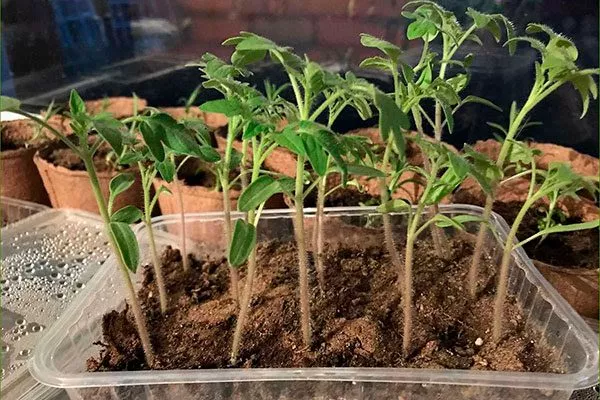
To ensure that seedlings grow well, it is important to do the following:
- maintain optimal air humidity in the room;
- regularly water young plants;
- remove weak and unproductive shoots.
Once the plant has two true leaves, it's time to transplant. For this procedure, use plastic cups, each containing one plant. For better growth, the seedlings can be fertilized. here.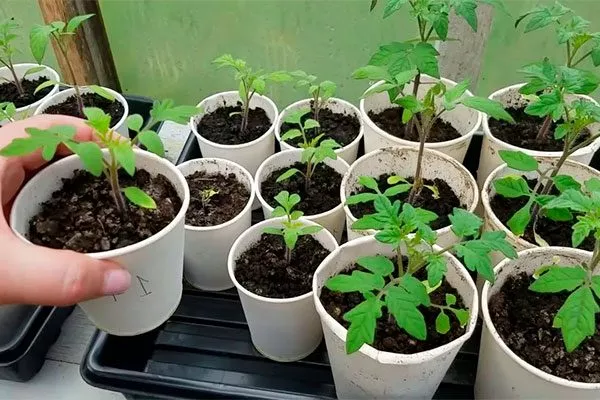
Transplanting
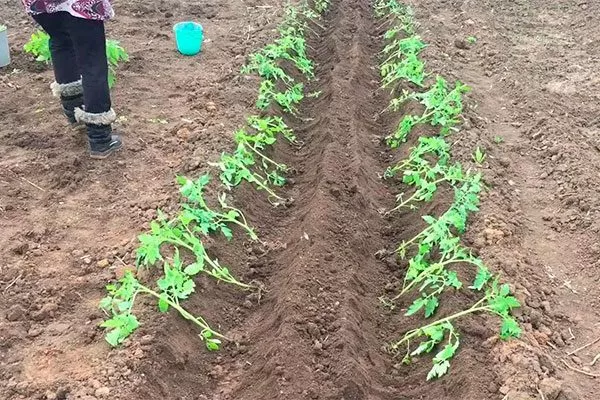
Between 60 and 65 days after sowing, when the seedlings have about six to seven true leaves and the first inflorescences, they should be transplanted into open ground or a greenhouse. Follow these guidelines:
- The distance between plants should be at least 50-55 cm, and the width between rows should be at least 70-75 cm, which will ensure the best growing conditions. These values are minimum, so they can be increased if necessary.
- To provide a nutritional base for tomatoes, add up to 1.8-2 kg of compost/humus to each hole.
- As tomatoes ripen, they gain weight, requiring support. Therefore, after transplanting the seedlings, it's important to provide supports to support the plants so they don't break under the weight of the harvest.
Care instructions
Grooming procedures for Korolevich are standard, but there are some nuances that should not be forgotten.
Fertilizer
For harmonious tomato growth, it's important to remember to fertilize regularly. Insufficient fertilizer can lead to negative consequences, including crop failure, wilting plants, and disease. To ensure a bountiful harvest, it's recommended to use fertilizers with a combination of nutrients.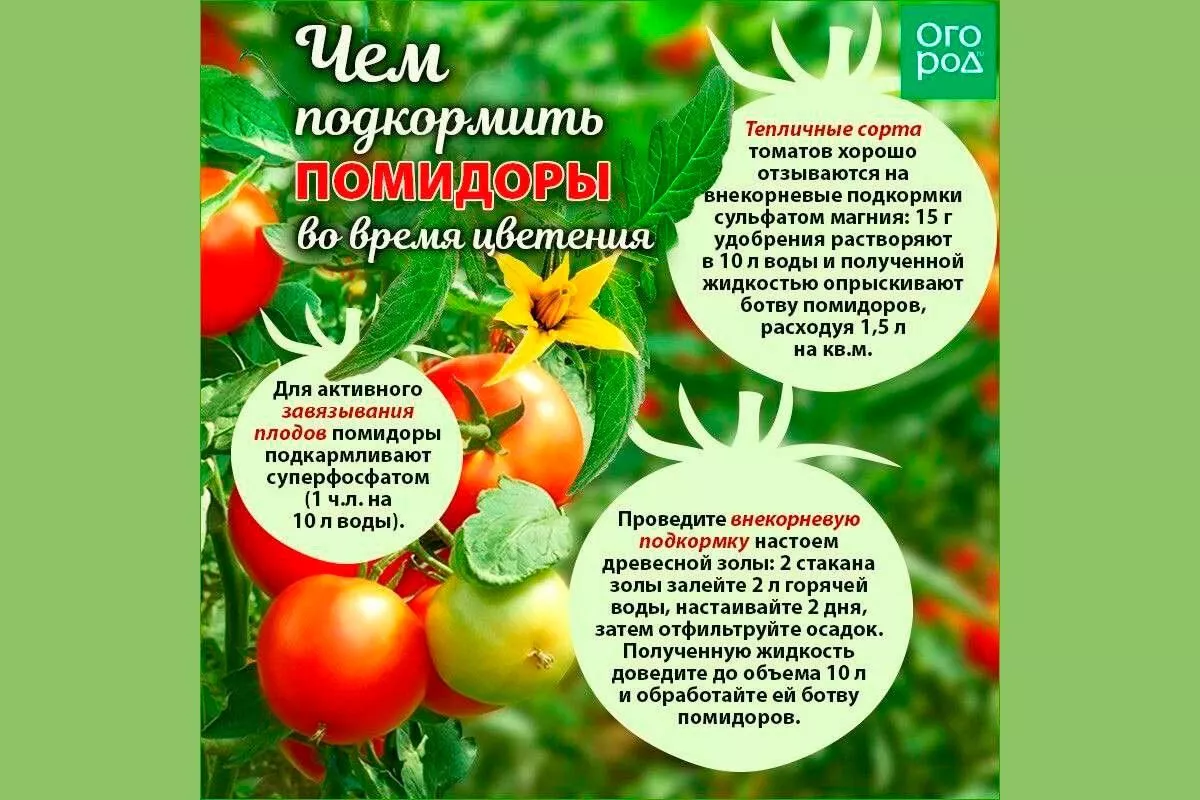
In addition to mineral supplements, it's advisable to use organic components. These could include wood ash or herbal infusions.
Watering
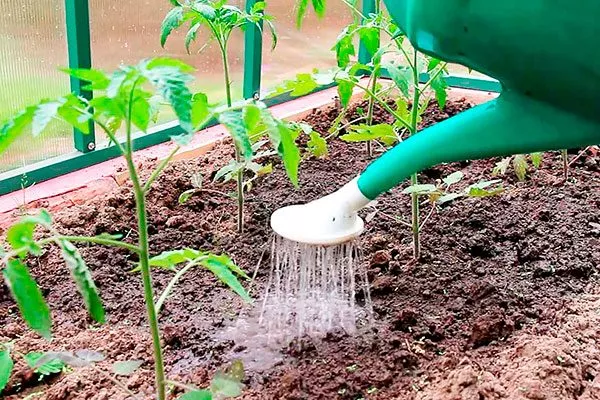
Korolevich is renowned for its good tolerance to growing conditions. Despite this, it's important to maintain optimal soil moisture around the trunk. Features:
- during the period before buds begin to form, it is recommended to water the plants every 6-8 days;
- with the beginning of flowering, you should switch to more intensive watering - every 2-3 days;
- In hot and dry weather conditions, procedures may be even more frequent.
Additional activities
What else needs to be done:
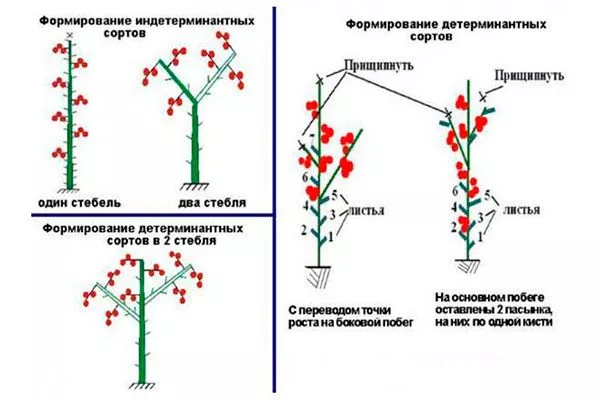
- To increase the yield of tall bushes of the Korolevich variety, train them into one or two main stems.
- Secure the grown shoots to reliable supports so that they do not break under the weight of ripe large fruits.
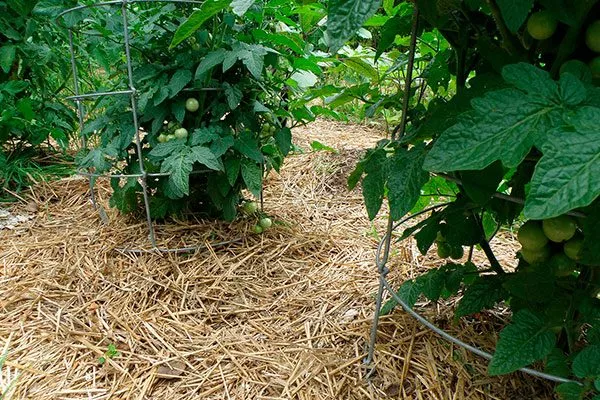
- To retain soil moisture and protect it from weeds, use mulch. The mulch layer should be at least 5 cm thick to be effective. This technique also helps keep the fruit intact and clean as it falls.
Prevention of diseases and pests
Korolevich is characterized by resistance to widespread diseases such as late blight, blackleg, gray mold, and fusarium wilt. However, without preventative measures, these diseases can develop.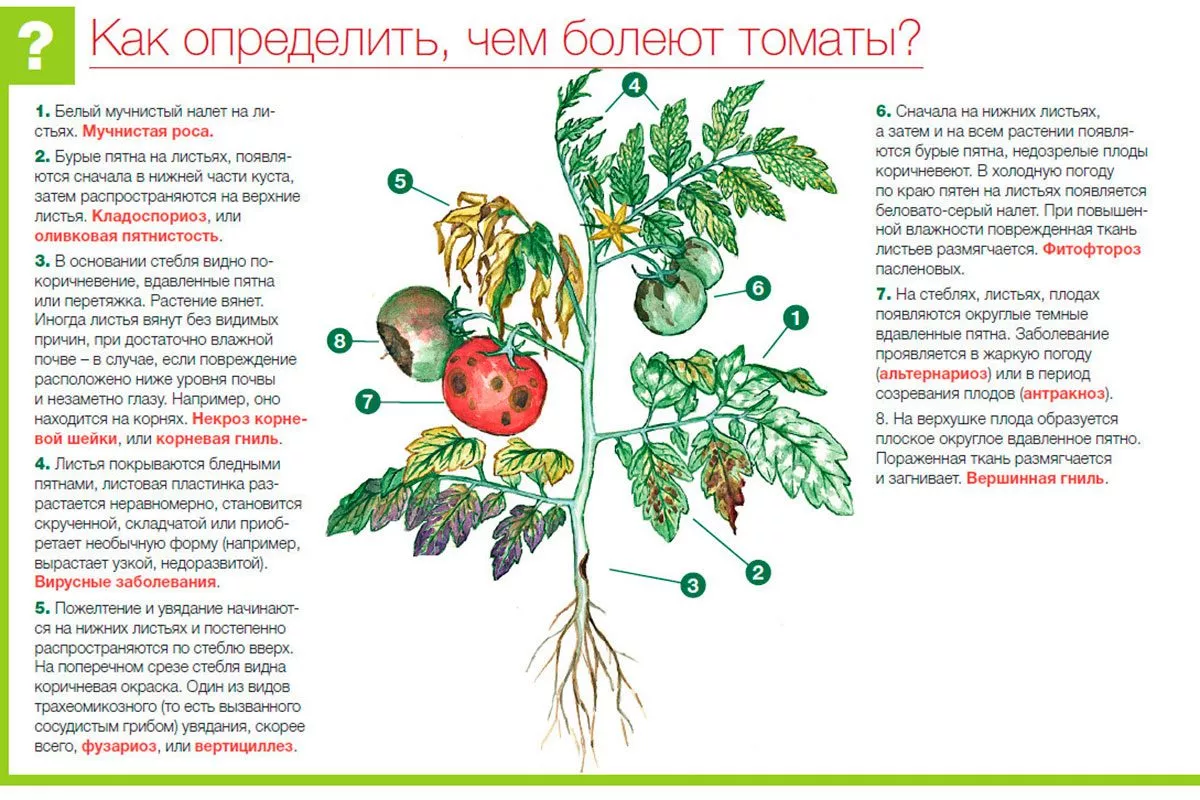
To prevent them, it is necessary to treat plants with preparations such as Fitosporin-M or Bordeaux mixture.
Pest prevention involves strictly following proper agricultural practices when growing tomatoes. If pests are detected, immediately spray with insecticides such as Akthar, Confidor, or Karbofos.
Pros and cons
Pink heart-shaped tomatoes are not only attractive due to their unusual shape, but also possess a number of unique characteristics that are of interest to agricultural and gardening professionals:
However, the variety also has its own characteristics.
Reviews
Korolevich is ideal for growing in open beds due to its disease resistance and adaptability to a variety of growing conditions. This variety is characterized by good yields, an indeterminate growth habit, and beautiful, uniform fruits.