
King of Siberia is a mid-season tomato variety suitable for cultivation in open beds or plastic greenhouses. It is characterized by high bush productivity and disease resistance. Its hallmark is the unusual combination of large, vibrant yellow fruits and a heart-shaped harvest.
Features of the variety, description of the bush and fruits
Plants of this cultivar are indeterminate. They are characterized by unlimited growth of the main stem. A description of their appearance includes the following characteristics:
- height - 1.2 m in open ground, 1.8 m in greenhouse conditions;
- strong stems;
- low degree of foliage;
- foliage: green, typical tomato shape;
- brushes consisting of 3-5 inflorescences.
- ✓ The height of the bush in greenhouse conditions reaches 1.8 m.
- ✓ Fruits can reach a weight of up to 1000 g.
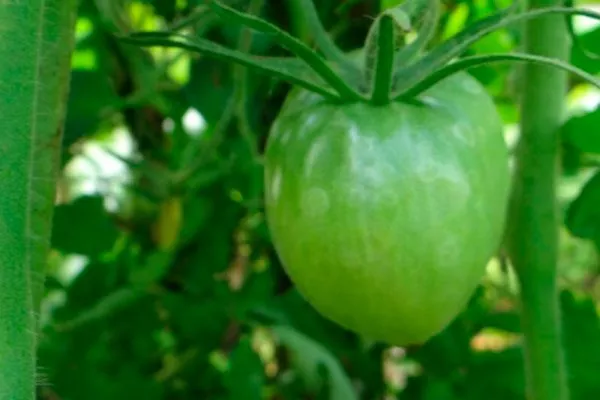
King of Siberia bushes require support from stakes or trellises. They also require training. Gardeners train them into 1-2 trunks. In addition to the main stem, they often leave a single branch growing under the first node. For optimal productivity, the plants also require pinching.
Tomatoes have the following characteristics:
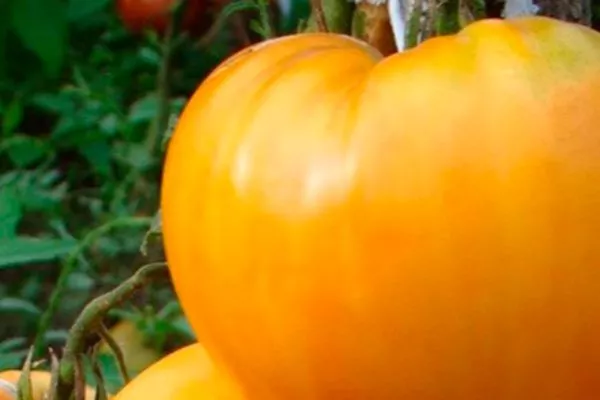
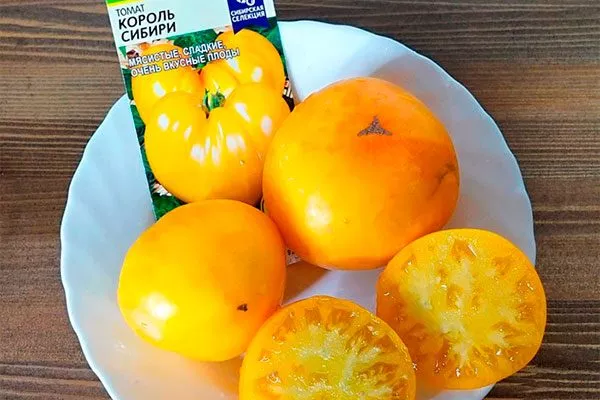
- weight - 350-500 g (giant-sized fruits often grow on the bushes, weighing up to 900-1000 g);
- beautiful heart shape;
- rich yellow-orange color;
- fairly strong glossy skin;
- dense, fleshy pulp, juicy, aromatic, containing a lot of dry matter, carotene and vitamins;
- a small number of seeds.
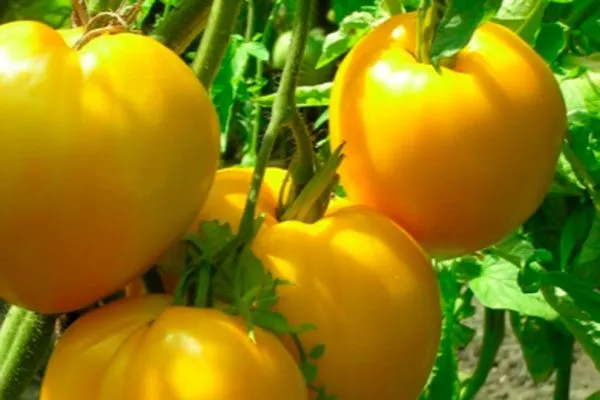
These giant, heart-shaped tomatoes have remarkable tasting qualities. Their flesh delights the eater with its rich, sweet flavor, almost completely devoid of the tartness typical of red tomatoes. They are delicious, juicy, and fragrant.
Main characteristics and history
A large-fruited, sunny-colored tomato variety was developed in 2016 thanks to the efforts of Russian breeders. It was developed by researchers at the Semena Altaya agricultural firm. It is not yet listed in the Russian Federation State Register.
Ripening and fruiting, productivity
The Siberian tomato is a mid-season, high-yielding vegetable variety and hybrid. Its key technical characteristics are as follows:
- fruit ripening period - 115-130 days after germination;
- harvest time - July;
- productivity - 5 kg from 1 bush or 16 kg from 1 sq. m of tomato bed.
How to use?
The harvest of the King of Siberia is versatile. The fruits are primarily used fresh and added to salads. They delight the eater with their dessert-like taste, dominated by a pleasant sweetness. They are also distinguished by their high beta-carotene content, which gives them a beautiful orange color.
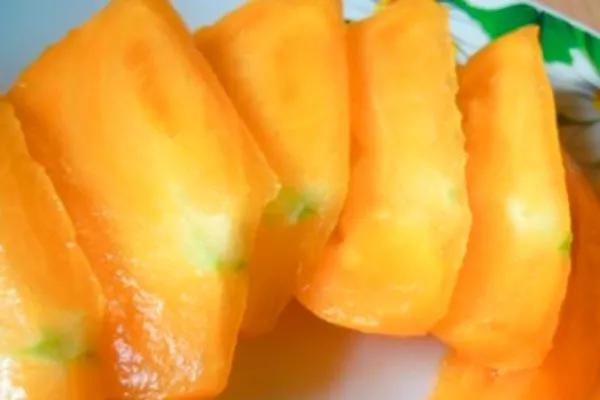
Bright yellow tomatoes are also suitable for processing, preparing various dishes, and canning. They produce a thick juice with a unique color and flavor, as well as tomato paste. They are also excellent for making winter preserves such as lecho or adjika.
Housewives use large fleshy fruits in the following ways:
- they are stewed, grilled;
- combine freshly sliced meats with soft cheese and herbs;
- they make ketchup and sauces from them;
- used as an ingredient in the preparation of sandwiches, pizza, quiches, and casseroles.
These giant, fleshy yellow tomatoes hold their shape well when sliced. Their dense flesh prevents them from falling apart during cooking and maintains their texture.
Eat yellow tomatoes fresh for maximum health benefits. They are rich in vitamins (A, C, and B vitamins), minerals, antioxidants, fiber, and lycopene. They strengthen the heart, lower cholesterol, improve vision and skin condition, and are hypoallergenic.
Resistance to diseases and pests
This cultivar is considered disease-resistant. With proper care and favorable growing conditions, its bushes are resistant to infections such as:
- late blight;
- tobacco mosaic, etc.
Despite its relatively strong immunity, the King of Siberia requires preventative treatments against fungal diseases and insect pests. The latter plague sweet yellow tomato crops no less than other varieties.
How to grow seedlings?
Grow this yellow-fruited variety using seedlings. Sow seeds in March. After 60-65 days, transplant the seedlings to the garden.
Plant tomatoes in an open bed in early June and in a plastic greenhouse in mid-May. It's also possible to grow the variety in a heated shelter (plant in April).
Seed preparation
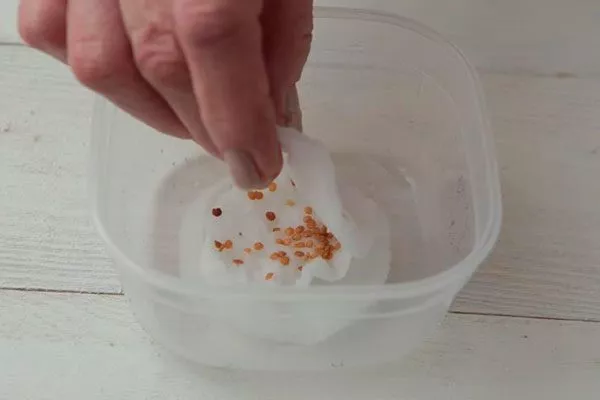
For sowing, use high-quality seedlings purchased from a reputable seller. They should not be expired. If you purchased pelleted seeds, there is no need to treat them before planting. Regular seeds, especially hand-picked ones, require the following preparatory steps:
- etching (potassium permanganate solution or fungicide);
- germination in a warm place on a saucer with damp gauze.
Container and soil
To grow seedlings, use a general-purpose potting soil purchased at a flower shop or a homemade soil mix. Young tomatoes thrive best in soil with the following characteristics:
- light;
- loose;
- warm and moderately humid;
- air- and water-permeable;
- rich in nutrients;
- not sour.
If you prefer homemade soil, use ingredients such as garden soil, sand, peat, humus, and mineral supplements. Avoid using loams and black soils in their pure form, as they are dense and heavy.
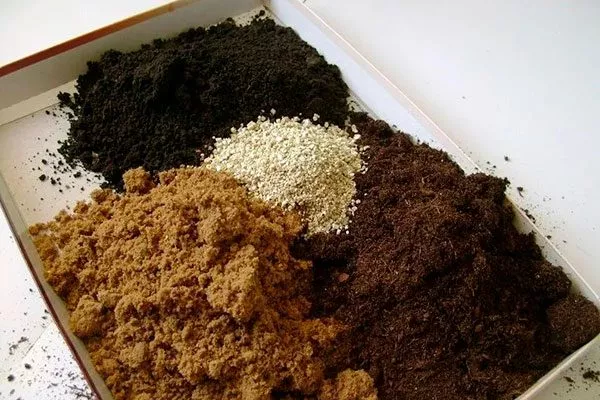
The soil used for growing tomato seedlings must be clean (free of pathogens, parasites, and their larvae). Store-bought soil meets this requirement. Homemade soil will need to be disinfected using one of the following methods:
- water it with a solution of fungicide or potassium permanganate;
- steam;
- heat in a frying pan or in the oven;
- Freeze.
Prepare containers for growing tomatoes at home: disposable or reusable. If you want to avoid transplanting seedlings, buy pots or peat pellets. These can only be used once. For growing tomatoes and transplanting them at the stage of 1-2 true leaves, use the following containers:
- spacious boxes made of wood or plastic (their sides are at least 10 cm high);
- plastic cups (their volume is 300-500 ml);
- homemade containers such as cut-off juice, milk, or yogurt cartons, plastic bottles, etc.
Reusable containers must have drainage holes in the bottom. Before use, wash them and disinfect all interior surfaces with a strong solution of potassium permanganate or alcohol.
Tomatoes are a vegetable crop that tolerates transplanting well. If purchasing peat pots is out of your budget, feel free to sow the King of Siberia seeds in a suitable container. Once grown, the seedlings will easily survive transplanting into any individual containers you prepare.
Sowing
Begin planting in March. Sow Siberian tomato seeds in containers filled with moistened nutrient-rich soil, planting them 0.7-1 cm deep. You can also spread the seeds on the soil surface and sprinkle them with peat (1 cm thick). Water the seeds and cover with plastic wrap. Leave them in the following conditions:
- room temperature — +22-25°С;
- no drafts;
- Lighting at this stage of tomato cultivation is not important (it is only desirable that direct sunlight does not fall on the plantings).
Experienced gardeners, when growing seedlings in peat pots (without transplanting), don't immediately fill them to the top with soil. They sow the seeds in containers filled two-thirds full with soil. After the first true leaves appear, they add soil up to the cotyledons. This technique promotes better root development.
Growing and care
When the seedlings emerge from the seed tray, remove the covering material. Reduce the room temperature to 15-16°C. Move the seedlings to a well-lit windowsill. After 5-7 days, increase the room temperature again to 20-22°C.
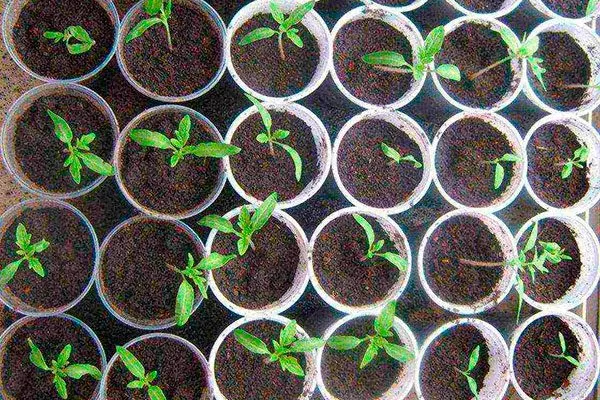
Carefully care for your tomato seedlings to ensure they're strong, healthy, and have good immunity when they're transplanted to their permanent location. Follow these steps:
- watering (water the soil in the box with seedlings with lukewarm, settled water moderately, preventing it from drying out or becoming waterlogged);
- loosening (gently fluff the substrate to improve air access to the roots);
- picking (after the tomatoes have formed 2 true leaves, plant them in individual containers);
- top dressing (use special liquid mineral complexes to fertilize tomato seedlings);
- hardening (By creating stressful conditions for plants by taking them out into the fresh air every day, you will be able to strengthen their immunity and help them adapt more easily to the growing environment in an open bed).
Experienced gardeners not only harden off young tomato plants before transplanting them into the garden, but also reduce watering, causing water stress. They stop watering 13-15 hours before transplanting. Irrigation is resumed once the seedlings are in the garden bed.
Transfer
King of Siberia seedlings will be ready for transplanting to their permanent growing site after 60 days. Signs of plants ready for transplanting include:
- "height" - 0.25-0.3 m;
- number of true leaves - 7-8 pcs.;
- the presence of at least 1 flower brush.
Set aside a plot of your garden for planting yellow-fruited tomatoes that has the following characteristics:
- abundantly flooded with sun;
- having protection from gusts of wind and drafts;
- not flooded by groundwater;
- with light, loose soil, well drained, with an acidity of 6.2 to 6.8, rich in humus and minerals (phosphorus, potassium, calcium, magnesium);
- used last season for growing carrots, cabbage, legumes, onions, and cucumbers.
If the soil in your garden is clayey, you'll need to loosen it and make it lighter by adding sand, peat, and ash. Acidic soil should be neutralized by adding lime, chalk, and dolomite.
Begin preparing your garden for vegetable growing a few weeks before planting. Follow these steps:
- plowing the soil to a depth of 60 cm;
- removal of weeds and their roots, plant residues;
- application of fertilizers (cow manure, mineral complexes);
- solarization (the procedure involves covering the treated soil with thick black polyethylene, which ensures its heating to +18-21°C and prevents weed growth).
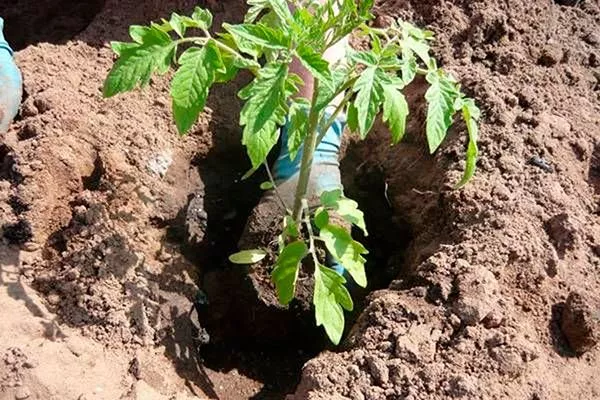
Plant tomato seedlings in the garden bed, transferring them into the holes along with the root ball. Space no more than four plants per square meter. Provide support for tall plants right away.
Care
To maximize the yield from your yellow-fruited variety, ensure proper care. Regardless of where you grow it (in an open garden bed or a greenhouse), it will reward you with robust health and abundant fruiting only if you strictly adhere to proper agricultural practices.
Correct watering regime
For Siberian tomato bushes grown in protected soil (greenhouses, hotbeds), irrigate according to the following rules:
- moisten the soil under yellow tomatoes in the morning;
- water them with warm, settled water;
- Pour it under the roots, avoiding splashes on the green parts of the plants;
- perform the procedure once every 7 days;
- Observe water consumption standards: 1 liter per 1 young seedling bush, 5-10 liters per adult;
- 14-20 days before the ovaries appear, reduce watering and decrease the liquid consumption to 1 liter per 1 plant to speed up the fruiting process;
- After the fruits appear on the bushes, increase the amount of water used again (do not over-water the plants during this period to prevent the ripening tomatoes from cracking).
Water King of Siberia tomatoes grown in open beds according to the same rules as for greenhouse plants. Adjust the frequency of watering based on natural precipitation. During periods of heavy rain, avoid watering until the soil is completely dry, and increase the frequency during hot weather.
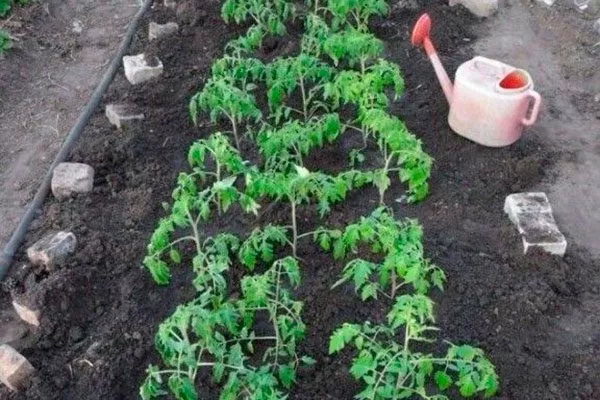
When and how to feed tomatoes?
Proper application of fertilizers is essential for achieving maximum tomato productivity. Apply fertilizers every 30 days, combining them with watering. Apply fertilizers for the first time in early spring, 7-14 days before transplanting the seedlings into the garden.
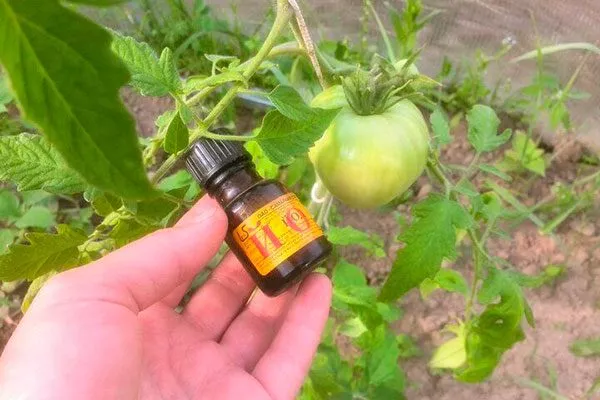
To fertilize Siberian yellow-fruited bushes, use organic and commercial fertilizers. This vegetable crop responds best to the following fertilizers:
- Superphosphate;
- potassium sulfate;
- solution of cow manure or bird droppings;
- wood ash in dry powder form or in liquid form (infusion).
If you want to use mullein as a fertilizer for tomatoes, apply it at the initial stage of vegetable growth. First, dilute the organic matter with clean water (10 g per 1 liter). Let it steep for 24 hours. Before applying, add another 5 liters of liquid to the resulting concentrate.
Collection and storage
You'll be able to taste the first ripe fruits in July. Harvesting continues throughout August. Pick each tomato individually from the vine. It's acceptable to pick the tomatoes unripe; they'll continue to ripen indoors. Ripening them at home won't negatively affect their flavor or nutritional value.
Maintain a temperature of at least 30°C in the room where you leave the tomatoes to ripen. To speed up ripening, keep ripe fruits that produce ethylene (apples and bananas) nearby. If you want to slow down this process, lower the room temperature to 12°C.
Sort the harvested Siberian King. For storage, set aside whole fruits that are free of damage, disease, and not overripe. Place them in a clean container, wrapping each one in a napkin. Create favorable conditions for them to ensure good storage:
- the optimal temperature in a vegetable storage facility is +7-14°C;
- air humidity level - no more than 80%;
- ventilation.
Overripe tomatoes won't keep for long, even in the refrigerator. Eat or process them within a few days of picking them. Keep them in a cool, dry place. The sooner you eat them, the better their flavor will be.
Features of cultivation and possible difficulties
Before planting a yellow-fruited variety of the crop in your garden, familiarize yourself with the nuances related to its cultivation:
- The King of Siberia requires staking due to its tall growth. Large, heavy tomatoes bend its stems to the ground, threatening to break them. They should also be secured to supports with intact clusters. Begin securing the vines to stakes or trellises one week after planting the seedlings in their permanent location.
- Plants of this cultivar require shaping. Train them into 1-2 trunks, removing side branches.
- In colder regions of the country, grow the King of Siberia tomato only in greenhouse conditions. In warmer climates, it performs best when grown in an open garden bed.
- Plant yellow tomatoes in a sunny area, as they thrive and produce fruit only in full sun. Planting a tomato bed in shade or partial shade will reduce the plants' ability to absorb nutrients, which will reduce the quality of the harvest and reduce productivity.
- Be sure to fertilize tomatoes during the fruiting period. Use superphosphate to fertilize tomatoes, increasing the usual concentration by 1.5 times.
- Spray the King of Siberia plantings with a biostimulant several times during the season. This will increase the plant's productivity by 25%.
- Carry out preventative treatments of plantings to prevent them from becoming infected with diseases and pests.
When growing indeterminate giant tomato varieties, some inexperienced gardeners encounter complications, including:
- Damage to plantings by fungal infectionsThe problem arises from improper watering. It often occurs during damp and rainy summers. It can also be triggered by watering tomato plants with cold water.
- Pest infestation of yellow tomato plantsAs a preventative measure, treat the plants in the garden bed with Bordeaux mixture or Fitosporin-M. Allow 10-14 days between treatments. No more than four sprays per season.
- Sunburn on leavesWhen watering, avoid getting moisture on the stems and foliage of the bushes. If the sun comes out immediately after watering the soil, quickly remove any drips from the foliage.
- Obtaining smaller fruits than stated by the seed manufacturerAdhere to the fertilizing schedule and application rates to ensure a large harvest. To produce larger tomatoes, regulate the number of flowers per cluster. Leave 2-3 buds per cluster.
The nuances of growing in open ground and in a greenhouse
The King of Siberia tomato was originally intended for greenhouse cultivation throughout the country. Over time, it became clear that the variety performs well in open beds in the southern climate. It grows and produces fruit well outdoors thanks to its strong immunity and low maintenance.
- ✓ Optimum soil temperature for transplanting seedlings: +14-15°С.
- ✓ The need to mulch the soil to retain moisture and protect the roots.
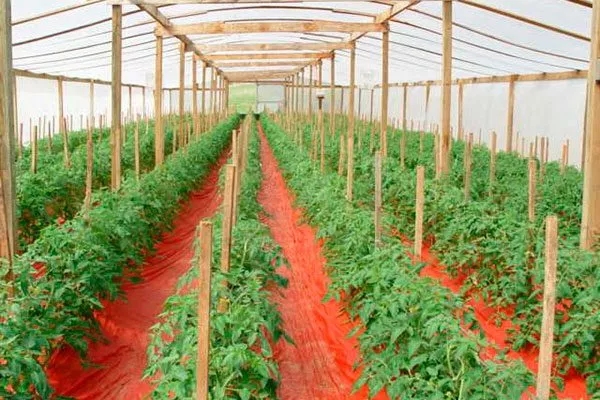
Growing yellow-fruited tomatoes in different environments has its own nuances that gardeners should consider:
- In the middle zone, transplant seedlings into a greenhouse in early May, in the south - in April, in Siberia - at the end of May.
- The soil in the shelter should be well warmed (14-15°C). To retain heat, cover the beds with black plastic film.
- Monitor the air temperature inside the greenhouse. This is especially important in summer. Avoid overheating the air inside the shelter. Open it regularly for ventilation.
- Avoid growing this crop in protected soil next to peppers. This can cause late blight in tomatoes.
- Transplant seedlings to an outdoor garden plot once the soil has warmed to 15°C. The threat of frost should have passed.
- Cover the King of Siberia seedlings transplanted to the garden with transparent film until mid-May. Once the weather becomes consistently warm, they can be harvested.
- Mulch the soil in your open tomato bed with a layer of sawdust or bark. This organic material will retain moisture, protect the tomato roots from the sun and cold, and suppress weed growth.
Pest and disease control
The King of Siberia has a fairly strong immune system. Its bushes rarely get sick. They are only attacked by infections and pests under unfavorable growing conditions and improper care.
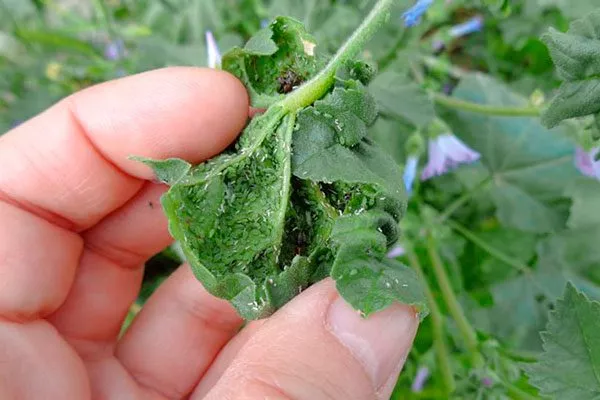
The most dangerous disease for yellow-fruited crops is brown spot. Greenhouse plants, which thrive in high-humidity conditions, are particularly susceptible. If signs of infection appear, apply Zaslon and Barrier. Take preventative measures:
- maintain good lighting, optimal temperature and humidity in the film shelter;
- ventilate;
- do not over-water the soil in the garden bed when watering;
- disinfect greenhouses before transferring tomato seedlings into them;
- pinch off the bushes, remove the lower tier of foliage;
- treat tomato plantings with garlic broth and iodine solution;
- disinfect the soil with antifungal preparations;
- Observe crop rotation standards.
The King of Siberia is relatively resistant to late blight. However, preventative measures to avoid fungal infections shouldn't be neglected. In addition to strictly following agricultural practices, gardeners should treat their tomato plants with copper-containing preparations three times during the season.
Among harmful insects, giant orange tomatoes are most bothered by such dangerous enemies of garden crops as:
- spider mite;
- greenhouse whitefly.
To protect your tomato plants from spider mite attacks, use a simple soap solution. If you spot whiteflies, use a commercial insecticide. Confidor has proven particularly effective. Spray the plants with a solution (1 ml per 1 liter of water) to solve the problem.
Pros and cons
The King of Siberia tomato has become a favorite among domestic gardeners from many corners of the country due to its many undeniable advantages:
This variety does have some minor drawbacks. Its bushes require staking, shaping, and pinching. The harvest is not suitable for whole-fruit canning. Its flavor and size depend on weather conditions and the use of fertilizers.
Reviews
The King of Siberia is a miracle of domestic breeding, quickly winning the hearts of gardeners. They are drawn to the excellent marketability and taste of its fruits, as well as the high productivity of its bushes. This is an excellent choice for those who love sweet, giant yellow tomatoes, ideal for fresh consumption, processing, and canning.