
The King of Early tomatoes are a favorite of both novice and experienced gardeners because they form compact bushes that fit comfortably in the garden without taking up much space. The beautiful, round tomatoes are a deep red, perfect for fresh eating and other uses. With proper care, they produce a good harvest of high-quality vegetables.
Appearance of bushes
This determinate plant reaches a height of 70 cm and has a sturdy, standard trunk. It has the following characteristics:
- bright green foliage;
- small, light yellow flowers of a simple type;
- standard internode length;
- inflorescences of normal shape.
Description of the fruits of the King of Early variety
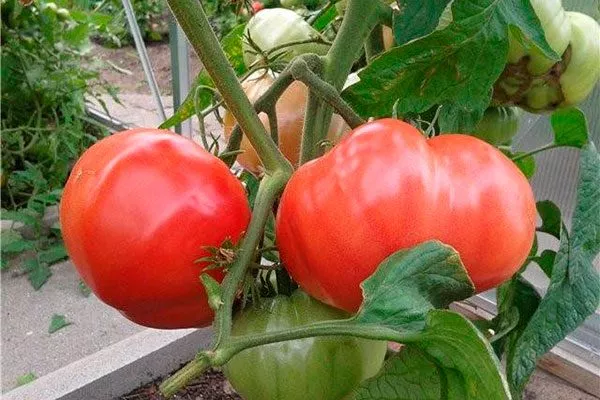
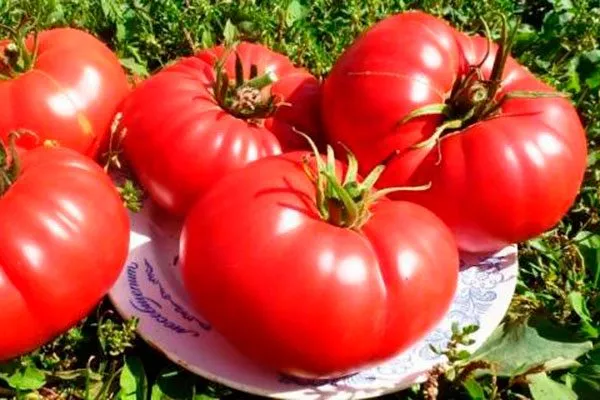
When fully ripe, tomatoes acquire a rich red color. Key features:
- The tomatoes have a classic round shape. The skin is glossy with slight ribbing near the stem. The diameter is 5-6 cm or more.
- When cut, seven seed chambers are visible, each filled with numerous seeds. The flesh is meaty and juicy, containing approximately 6% dry matter, and has a pleasant, slightly sweet flavor.
- The dense skin extends shelf life and allows the harvest to be transported without loss of quality.
- The average weight is around 200 g. The first vegetables can reach 500 g, but the weight decreases over time. The lower ones are significantly larger than the upper ones, weighing up to 700-800 g.
Main characteristics and history
The King of the Early Fruits has earned popularity not only in Russia but also abroad. This determinate variety is distinguished by its versatility: thanks to its attractive appearance, it is suitable for whole-fruit canning and complements salads and lecho.
Origin, regionality, climate
The crop was developed by the Semena Altaya agricultural company and was initially grown in test plots in southwestern Siberia. It is not included in the State Register, and gardeners in other regions conduct their own testing. Many gardeners value the Korol Ranevny variety as a proven and reliable variety with a high yield.
This variety is drought-resistant, but care should be taken when planting seedlings outdoors in spring, as young plants do not tolerate frost well. It's best to wait until the soil is completely warm.
This variety is zoned for the Urals and Siberia, but it is successfully cultivated in regions with cooler climates, including Karelia and the Leningrad Region. In the Moscow region, seedlings are planted in garden beds, and in southern regions, directly into the soil after the last frost. This tomato is not suitable for the Far North.
Ripening and fruiting, productivity
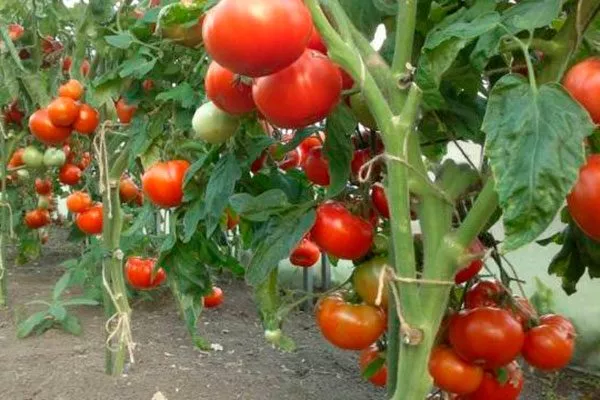
The first fruits ripen 85-90 days after sowing and emergence. This variety is characterized by high yields:
- one bush can yield up to 5 kg;
- from 1 sq. m (when planting 3 plants) – up to 15 kg.
Ripening times depend on growing conditions:
- in the greenhouse – about 85 days;
- in open ground – 90-95 days.
Adherence to agricultural practices directly impacts productivity. Without adequate care, high results will be unattainable.
How to use?
This variety produces a versatile crop suitable for a variety of culinary purposes. Thanks to its pleasant flavor, the tomatoes are eaten fresh and processed into juice and paste.
Due to their high dry matter content, vegetables can be frozen, used to make ketchup, pastes, and dried snacks. They can also be sliced for sandwiches and added to other dishes.
Resistance to diseases and pests
The crop is not particularly resistant to diseases, and care errors can significantly weaken the plants. Any violation of agricultural practices increases the risk of infection, so it is important to carry out timely preventative measures to protect against infections.
Bushes are often attacked by insects, the most dangerous of which are slugs, mole crickets, spider mites, Colorado potato beetles, and whiteflies.
How to grow seedlings?
To obtain high-quality seedlings, seeds are sown two months before transplanting. Since the tomato is a varietal, you can harvest the planting material yourself—it will retain all the parental characteristics in subsequent generations.
Seed preparation
Before sowing, carefully inspect the seeds for damage, laying them out one by one. Then, follow these guidelines:
- Check the seeds for hollowness using a salt solution (20 g of salt per 200 ml of water). Remove any that float to the surface, as they are unsuitable for planting.
- Disinfection of seeds is especially important if they were collected independently. This helps strengthen the plant's immunity and identify vulnerable specimens. To disinfect, soak the seeds in a weak solution of potassium permanganate for 20 minutes, then rinse thoroughly and dry.
To improve germination, soak the seedlings in melted water or a growth stimulant for 12 hours. Once the seeds have swollen, you can sow them immediately.
Container and soil
To grow the crop, prepare nutritious and fertile soil: mix garden soil with humus and peat, and add washed river sand to improve the structure.
Next, follow these steps:
- Disinfect the prepared mixture by pouring a hot solution of potassium permanganate over it—this helps kill harmful microorganisms. Disinfected soil promotes healthy seedling growth.
- Use planting containers with drainage holes. Fine pebbles or sawdust are suitable for drainage, as are a shared wooden box or individual containers such as plastic cups or paper honeycomb.
The most convenient option is peat pots, which allow you to transplant seedlings into the ground without removing them, as they gradually decompose, providing the roots with additional nutrition.
Sowing
Sow the seeds 1.5 cm deep, leaving 2-3 cm between them. Cover the seeds with soil, lightly moisten with warm, settled water using a spray bottle, and cover the container with plastic wrap or glass to create a greenhouse effect.
Until seedlings emerge, keep the containers in a heated, bright room at a temperature of at least 25°C. Remove the covering regularly to allow the soil to ventilate.
Growing and care
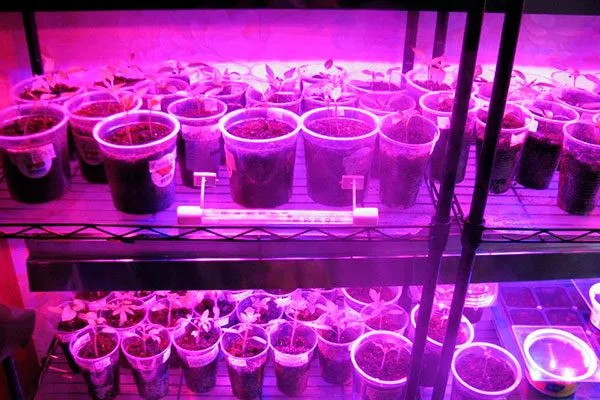
Once the seedlings emerge, move them to a well-lit area, such as a windowsill. Insufficient light can cause the stems to stretch and the plants to weaken.
Follow these recommendations:
- Seedlings should receive 15-16 hours of daylight. Use grow lights if necessary. Arrange supplemental lighting in advance to ensure the seedlings receive sufficient light from the start.
- Water the seedlings as the top layer of soil dries out. Don't overwater the seedlings; apply warm water carefully around the edges of the seedling bed. Use a shallow watering can.
- After watering, loosen the soil so as not to damage the young roots.
- Apply liquid fertilizer for tomatoes twice during the entire period – it promotes the full development of plants.
- As soon as the seedlings develop 2-3 true leaves, transplant them into separate containers. If they remain in the same container, increase the distance between them to 10-15 cm. Transplanting into separate containers is convenient for further transportation to the dacha.
Two weeks before planting, begin hardening off the seedlings. To do this, take them outside for 40-60 minutes, gradually increasing the time spent outdoors to 13 hours. Simultaneously with daytime hardening, reduce the room temperature to 13°C at night.
Transfer
After two months, the seedlings are ready to be transplanted. Plant them in greenhouses two weeks earlier than in open beds. Ensure adequate conditions:
- The optimal soil temperature for transplanting is 15-17°C. If the soil hasn't yet warmed up to this temperature, postpone the process, as the seedlings may not take root in cold soil, and their root system will be damaged.
- Planting pattern: space plants 50-70 cm apart, rows 70-90 cm apart. Place 3-4 tomato plants per square meter. Because tomato plants grow, they need ample space. Planting them more densely will require additional care.
- ✓ Optimum soil temperature for planting seedlings: +15-17°C.
- ✓ Distance between bushes: 50-70 cm, between rows: 70-90 cm.
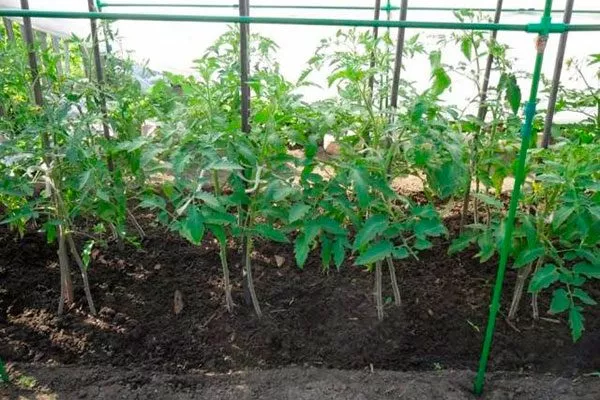
When transplanting into prepared holes 15-20 cm deep, add wood ash and a small amount of mineral fertilizer to the bottom. After planting, gently compact the holes, water with warm, settled water, and allow the plants to acclimate for 7-9 days. Do not water or fertilize them during this period.
Care
This variety requires careful care and cannot grow unchecked, like grass growing by a fence. This "King of the Early" requires adherence to important agricultural practices to ensure a good harvest.
Watering, fertilizing and soil care
Provide ample but infrequent watering. Before flowering, water the bushes once a week; after the flowers have formed, increase the frequency to 2-3 times every 7 days. Use settled, room-temperature water. It's best to water the bushes at the roots in the evening.
Intensive tomato growth requires regular fertilization, at least once every 10 days. Apply the first fertilizer two weeks after transplanting the seedlings, using an infusion of mullein or bird droppings. Then, alternate between organic and mineral fertilizers. Nitrophoska (60 g per 10 liters of water) is most commonly used.
Ten days after planting, begin removing weeds and loosening the soil. Weed at least three times during the growing season. Mulch the beds to prevent the soil from drying out, retain moisture, and reduce weed growth.
Bush formation
The King of the Early is a determinate variety, so it requires structuring. Without pinching, they won't produce a large harvest, and the fruit won't be large. As the first clusters form, partially remove the lower leaves. If development is poor, thin out the ovaries by removing excess flowers.
To avoid common mistakes, follow these guidelines:
- the correct distance between holes when planting – too dense a placement promotes the appearance of pests and creates a favorable environment for fungi;
- watering mode – Incorrectly organized irrigation can cause cracking of fruits and yellowing of leaves;
- lack of uniform color of tomatoes (spots and green areas) – indicates a potassium deficiency in the soil;
- excess of nitrogen fertilizers – leads to active growth of tops and poor formation of ovaries.
Although this variety is considered low-growing, the branches may bend or break under the weight of the tomatoes. Therefore, support the branches from the very beginning of fruiting.
Collection, storage
Begin harvesting as soon as the vegetables ripen, turning a bright red color. Harvest tomatoes in stages to avoid overripening. Store the harvest in a cool, dry, well-ventilated area, such as a basement or dark pantry.
If you want to preserve tomatoes for a long time, you can freeze them or process them into paste, juice, or sauce. Avoid mechanical damage to the fruits during picking and storage. Store the vegetables in flat containers, laying them out in a single layer. Check them periodically for signs of rot.
Tomatoes store well and can be picked at the technical ripeness stage and ripened further. However, don't delay harvesting them—overripe tomatoes will split on the vine and become unsuitable for canning, but they are suitable for salads and juices.
Features of cultivation and possible difficulties
Determinate bushes require regular side shoot pruning due to their numerous lateral shoots. Excess shoots not only shade the plants and disrupt air circulation, but also rob them of nutrients. Sometimes, too many ovaries form on fruiting branches, and if they are not removed, the tomatoes will not ripen properly.
Despite their sturdy stems, the plants require staking to prevent branches from breaking under the weight of the fruit. Furthermore, these clusters tend to touch the ground, increasing the risk of rot and promoting the spread of fungal diseases.
The nuances of growing in open ground and in a greenhouse
Avoid planting tomatoes too close together, as this will make maintenance difficult. To avoid complications, follow these guidelines:
- Regularly remove lower leaves and side shoots to ensure plants receive enough light and nutrients.
- If planting densely, apply fertilizer more frequently—about every 10 days. Alternate mineral elements with organic mixtures, such as mullein or bird droppings.
- Greenhouse bushes grow a little taller than outdoor ones, but pinching the tops is not required, as they top themselves.
Underwatering and overripening of the fruit can lead to cracking. However, overwatering is no less dangerous, as it promotes the development of fungal diseases. The optimal solution is drip irrigation and mulching of the beds, which helps maintain the appropriate moisture level.
Pest and disease control
If the King of Early tomatoes aren't properly cared for, they can be susceptible to various problems. However, with proper preventative measures, most of these can be avoided.
Common diseases and insects:
- Blackleg. Characterized by blackening of the stem at the base and spots on the green foliage. The disease develops due to overwatering of the soil. To prevent it, maintain a regular watering schedule and spray the bushes with a potassium permanganate solution.
- Late blight. It manifests itself as brown spots on the fruit and a white coating on the undersides of the leaves. For prevention, apply Zaslon three weeks after planting the seedlings, and Barrier seven days later. Use Oxychom throughout the season. A folk remedy is garlic infusion.
- Fusarium. It causes the lower leaves to wilt, and then the rest of the leaves, with a bright pink coating forming on the root collar. To prevent the disease, use Barrier and Hom.
- Slugs. They damage leaves and tomatoes, causing them to rot. To combat this, loosen the soil after watering. Home remedies such as ash, lime solution, or ground black pepper are effective.
- Mole cricket. It makes burrows near the roots and can destroy plants. Spray the plants with Grom or pepper tincture.
- Spider mite. It sucks the sap from leaves and shoots, leaving a web behind. Use Malathion to control it.
To prevent fungal diseases, such as late blight and rot, use Profit Gold, Bordeaux mixture, Abiga-Peak, and Fitoverm. Be sure to remove weeds that create favorable conditions for pests and diseases.
Pros and cons
Before you begin growing tomatoes, carefully study all their characteristics to avoid potential difficulties. The King of Early variety has many advantages:
Among the negative qualities, gardeners note the need for regular pinching and tying, the importance of fertilizing, and average resistance to diseases.
Reviews
The King of Early Tomatoes is a variety that will delight gardeners with its consistent yields and excellent taste. It doesn't require any special growing conditions, but careful care will ensure maximum results. Its culinary versatility and long shelf life make this tomato a well-deserved favorite in many gardens.