
The Kornabel tomato is a popular hybrid characterized by consistent productivity, attractive appearance, and excellent flavor. This variety is suitable for both fresh consumption and winter preservation. With proper and timely care, you can enjoy generous harvests and high-quality tomatoes throughout the season.
Description of the hybrid
This variety was created by French breeders at Vilmorin. It's an indeterminate cultivar, and its bushes can reach over 2 meters in height. In greenhouses, pinching back plants at 180-190 cm is recommended to prevent them from growing further and wasting energy.
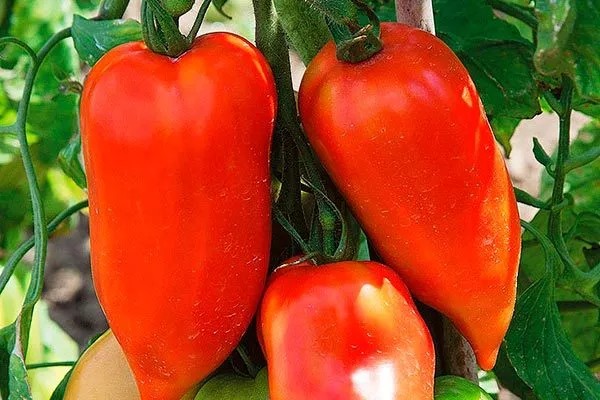
The root system is strong and well-branched. Despite the abundance of large green leaves, the bushes are open, ensuring good ventilation. Vigorous plants produce 4-6 clusters, each producing 6-7 fruits.
Distinctive features
This variety is unique not only for its shape but also for its indeterminate nature. This means the plants continue to grow throughout the season. Due to their tall growth, the bushes require shaping and support.
Fruit characteristics
The Cornabelle tomato is a new French selection. This large-fruited variety boasts unique appearance and flavor. It boasts abundant fruit production, resilience, and excellent quality.
Peculiarities
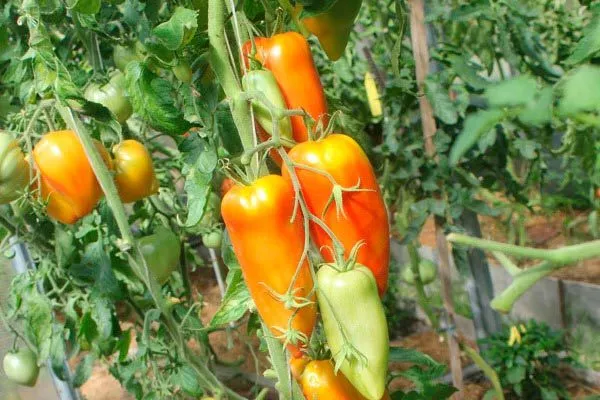
Large red tomatoes weigh on average about 240 g. With proper care, some specimens can reach 400-500 g in mid-season, and by the end of fruiting, smaller tomatoes weighing 80-100 g are formed, which are ideal for whole-fruit canning.
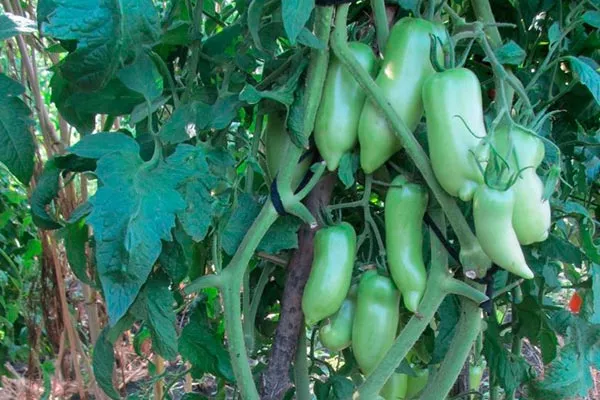
- ✓ The shape of the fruit is elongated and cylindrical with a pronounced “nose”, which makes them similar to bell peppers.
- ✓ The pulp of the fruit has a characteristic watermelon graininess when broken.
The vegetables have an elongated cylindrical shape with light ribs and a distinct "nose," making them very similar to bell peppers. They can reach 15 cm in length.
Taste qualities of fruits
This variety belongs to the "sugar" tomato category. The flesh has a characteristic watermelon-like graininess when broken, and the flavor is highly sweet, delicate, and rich.
How are Kornabel tomatoes used in cooking?
These versatile tomatoes have a pleasant taste and are often used in salads, slices, and for preparing various dishes and preserves:
- sauces;
- tomato juice;
- lecho.
The Kornabel tomato's primary purpose is fresh consumption. However, thanks to its dense flesh and high yield, the hybrid is also suitable for drying and curing.
Is it possible to collect and plant your own seeds from the Kornabel tomato?
Typically, seeds from F1 hybrid tomatoes are not harvested for planting, as they can grow into "hybrids of hybrids," and it's unknown what genes they will inherit from their ancestors. However, some gardeners who have experimented with planting Kornabel seeds note that there is no obvious splitting between F1 and F2 varieties.
Origin of the variety
This variety was recently added to the State Register of the Russian Federation in 2021. It originates from France. Breeders presented this variety as a unique horned tomato with a high yield while maintaining its traditional flavor.
Landing region
The crop is successfully grown in various regions of Russia, especially in greenhouses, where it thrives. It is suitable for the central part of Russia, the Volga region, the Krasnodar region, and southern regions with favorable climates.
In the northern and central regions of Russia, the variety is grown in greenhouses to obtain a stable harvest.
Yield and fruiting of the Kornabel tomato
This French hybrid is characterized by good productivity. Maximum yield can be achieved through the following agricultural practices:
- Increasing planting density per unit area and forming a single-stemmed plant promotes an increase in the number and size of fruits per bush.
- Horizontal plantings allow each shoot to develop as a separate plant with its own root system.
- The use of biostimulants that help grow healthy bushes that produce more tomatoes.
With proper care and adherence to agricultural requirements, each bush can produce 5 kg of tomatoes or more.
Optimal growing conditions
The Kornabel tomato is quite resilient and can be successfully grown in various regions of Russia, but in northern areas, it can only be grown in greenhouses or under cover. This hybrid requires warmth for normal growth. The optimal soil temperature should be no lower than 21°C during the day and 18°C at night.
Planting dates
Plan to sow tomato seeds for seedlings in late February or early March, depending on your region's climate. It's important that the seedlings have time to establish themselves and develop a strong root system by the time they're transplanted to their permanent location. This requires at least 60 days.
Don't allow seedlings to overgrow. They should be transplanted into open ground before flowering begins, otherwise they may not establish well or develop stunted.
When growing Kornabel in a greenhouse, the sowing time depends on the type of shelter:
- In heated greenhouses – at the end of April.
- In rooms with an additional covering layer of polyethylene - in the first half of May.
The same timeframe applies to polycarbonate greenhouses. If the greenhouse does not have additional cover or heating, plant the seedlings after the 20th of May. It is equally important to consider the soil condition and the air temperature in the greenhouse. The ideal temperature for the substrate is 15°C, and for the air, 20°C.
How to grow seedlings?
This variety is successfully grown both in open ground and in greenhouses. Seedlings of this variety are grown similarly to seedlings of other tomato varieties.
Seed preparation
Since Kornabel is a first-generation hybrid variety, purchase planting material from specialized stores. Follow these recommendations:
- Before sowing, soak the seeds in water for 20 minutes. Remove any that float to the surface and use the remaining seeds for planting.
- Disinfect the grains by soaking them in a weak solution of potassium permanganate.
Before planting, let the seeds germinate slightly. To do this, place damp gauze or cotton wool on a plate, spread it evenly in a thin layer, and cover. Once they begin to sprout, begin planting.
Container and soil
Ready-to-plant seeds can be planted either in suitable containers or directly into the ground. Shallow plastic containers or wooden boxes are suitable for planting. Use pre-prepared soil fertilized with organic matter. Add saltpeter and a little superphosphate to improve plant nutrition.
Sowing
Spread the sprouted seeds on the cheesecloth into the soil at a depth of 2 cm and cover with a thin layer of moist soil. Cover the containers with the planted seeds with plastic wrap and store in a warm, bright place. Once the seeds germinate and the first shoots appear, remove the covering.
Growing and care
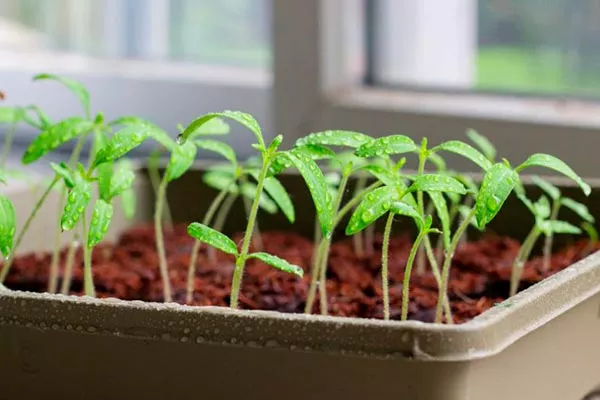
After two true leaves appear, transplant the seedlings into pots of at least 0.5 liters. Keeping the seedlings separate allows them to grow larger and stronger. The seedlings should only remain in their pots until they begin to bloom.
Before transplanting outdoors, harden off the seedlings. To do this, take them out onto the balcony or place them in front of an open window for a few hours, then leave them outside overnight before planting. Transplant the seedlings into open ground when the soil temperature at a depth of 10 cm reaches 15°C, which usually occurs in May.
Transfer
In the prepared area, make holes 14-15 cm deep and water them thoroughly. Leave about 50 cm between adjacent plants and 60-100 cm between rows.
Follow these recommendations:
- Given the hybrid's tendency to grow indefinitely, plant the seedlings in rows. This will simplify care and ensure better ventilation of the root zone. Plant no more than two plants per square meter; more is undesirable.
- Place the peat pots with seedlings in the prepared moist holes and cover with fresh soil. Over time, the potting material will dissolve, releasing its nutrients to the tomato roots.
- Acidic soil is absolutely contraindicated for this plant. To neutralize acidity, add dolomite flour, lime, cement dust, or old plaster to the soil in the fall (150-300 g per square meter).
- ✓ Soil pH should be between 6.0-6.8 for optimal nutrient absorption.
- ✓ The soil must be well-drained to avoid waterlogging and root rot.
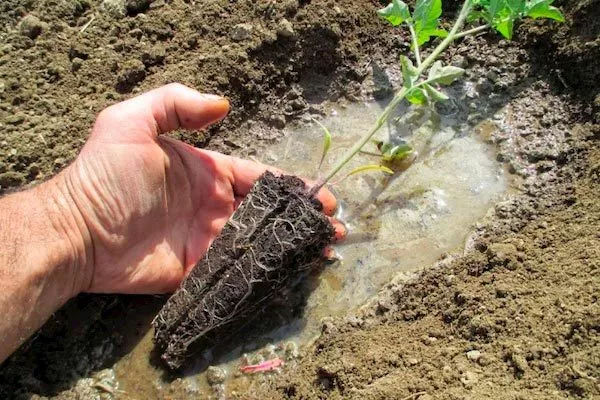
If the seeds were grown in tablets, carefully remove them from the containers, making sure that the soil completely covers the root collar of the plant.
Care
Kornabel requires the same conditions as other tomato varieties for full growth. With optimal watering, temperature, nutritious soil, and good ventilation, the first ripe fruits can be expected 60-75 days after transplanting the seedlings into the open ground.
Watering
Constantly wet soil can lead to the development of fusarium and other fungal diseases on tomatoes, while excessively dry soil will slow down plant growth and may lead to their death.
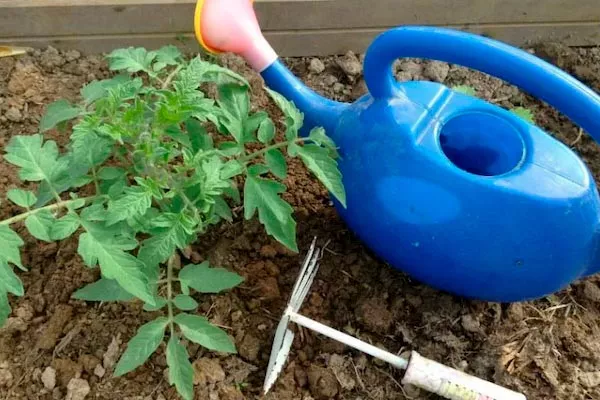
To avoid these problems, water moderately 2-3 times a week. During the initial stages of growth, pour 500 ml of water under each bush, and double the amount as the plant grows.
For watering, use only settled, room-temperature water. Water in the morning to minimize moisture evaporation and avoid leaf burn.
Top dressing
This is an important agricultural practice for successfully growing the Kornabel tomato variety. Use mineral fertilizers containing nitrogen, potassium, and phosphorus. Fertilize if you notice signs such as leaf discoloration and slower plant growth.
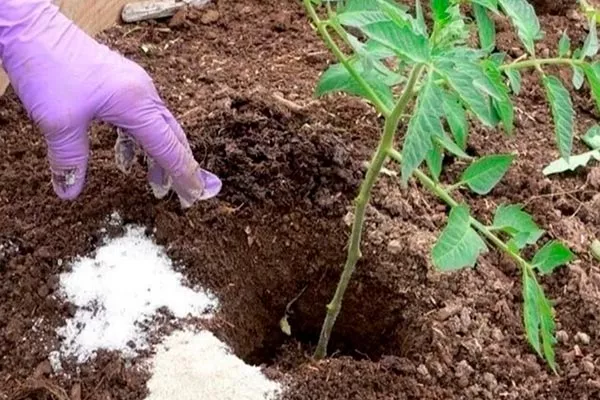
Apply nutrients carefully, adhering to the recommended dosages. Excessive potassium can cause fruit to ripen too quickly, which will negatively impact plant health. Excess nitrogen, in turn, can cause excessive foliage growth, which can also harm the plants.
Weeding and loosening
High tomato yields are only possible with fertile and loose soil, so regular weed control is an important aspect of crop care. Weeds compete with the crop for mineral and organic matter, which can lead to nutrient deficiencies.
Overgrown areas attract pests and create conditions for the development of fungi and diseases. Therefore, weed regularly. Loosen the soil after each watering to prevent a hard crust from forming. Loose soil improves oxygen circulation, promoting better root development.
The best predecessors for tomatoes are cabbage, beans, peas, onions, garlic, and cucumbers. Carry out the first weeding two days after transplanting the seedlings into the open ground. Hill the seedlings 14 days after planting.
Pinching out and tying up
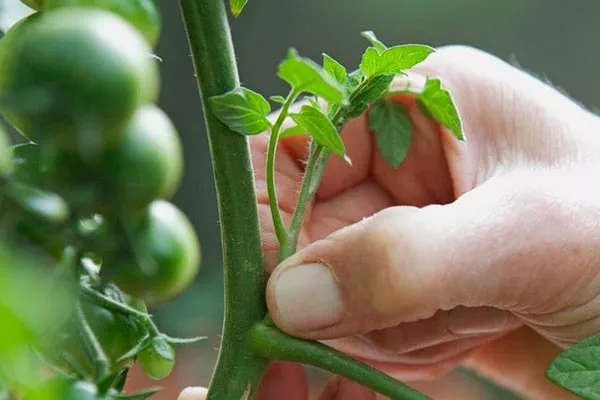
This variety requires regular pinching of excess side shoots, as weak shoots not only fail to produce large fruits but also draw nutrients from the main plant, weakening it. Monitor the growth of side shoots and adjust their number promptly.
Formation
Train the bushes with 1-2 stems. Sometimes, due to the large number of fruits set, growth may slow. In this case, to improve foliage growth, water the soil more frequently but with smaller amounts of water. When training the bushes with 2-3 stems, leave side shoots to increase overall mass.
Features of cultivation and possible difficulties
Grow Kornabel in open ground from seedlings. Before warm weather arrives, cover the seedlings at night to protect them from the cold. Otherwise, the cultivation process for this hybrid is not much different from caring for regular tomato varieties.
Diseases and pests
This variety is highly resistant to most common nightshade diseases. However, if cultivation practices are not followed, it may be susceptible to the following diseases:
- Late blight - occurs due to insufficient ventilation of the root zone and high humidity levels in hot weather.
- Gray rot - develops due to soil fungi that become active at temperatures around +20°C and air humidity above 68%.
- Black leg - infection caused by high humidity.
- Tomato Mosaic – The carrier is aphids, especially during the picking period.
- Bacterial cancer - a disease that affects plants completely.
To prevent infection, monitor moisture levels, regularly loosen the soil, and control weeds. Monitor the condition of the stems and foliage color. At the first sign of disease, remove and burn the affected parts of the bushes, and treat the remaining parts with fungicides.
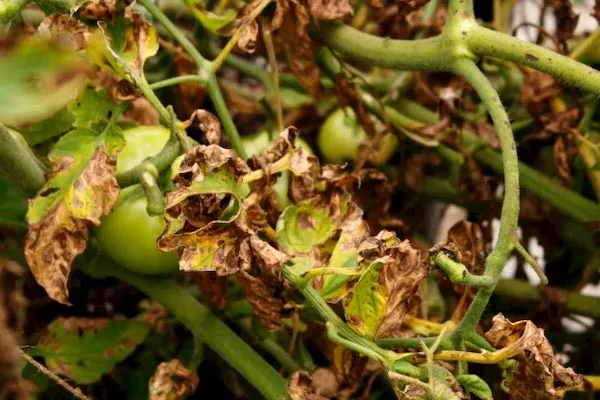
To combat diseases, use the following products: Skor, Hom, Maxim, Fundazol, Izabion, Prestige, and Barrier. In case of serious diseases, treat the area with hot water or dig deep, then water with a weak solution of potassium permanganate.
If you don't weed regularly, pests may appear:
- scoops;
- spider mites;
- whiteflies;
- aphid;
- caterpillars;
- root-knot nematodes;
- Colorado potato beetles.
Insecticides effective against insects: Aktara, Actellik, Bi 58 - New.
The nuances of growing in open ground and in a greenhouse
For greenhouse cultivation, prepare seedlings 1.5 months earlier than for open ground. If the greenhouse is heated, plant the seedlings as early as April. If using polyethylene film for covering, plant no earlier than early May. The same timeframe applies to polycarbonate greenhouses.
Without heating or covering, planting is only possible in late May. However, despite greenhouse conditions, the Kornabel hybrid thrives in open ground.
Harvesting and storage
The bushes will delight you with ripe vegetables just two months after planting the seedlings. This is a high-yielding hybrid with a long fruiting period. Harvest the tomatoes as they ripen.
Cornabelle tomatoes withstand long-distance transportation well and keep fresh in the refrigerator for up to 1 month. They are ideal for making juices, sauces, salads, and other dishes.
Advantages and disadvantages of the variety
Before growing seedlings and planting them in your garden, carefully study the positive and negative qualities of the crop.
The Kornabel hybrid has many advantages:
Some gardeners cite the difficulties of shaping the bush and regularly staking it, as well as the impossibility of growing plants similar to the mother plant from seed, as disadvantages. Therefore, expensive planting material must be purchased each season.
Analogues
The Cornabelle tomato is often compared to varieties such as Posano F1, Des Andes (ANDINE CORNUE), Safaya, and Howard Geman, which have similar characteristics. A brief description of these similar varieties is presented in the table below:
| Name of the variety | Plant type | Fruit | Ripening period | Origin |
| ANDINE CORNUE (rare variety) | Indeterminate. | Pepper-shaped, red, up to 18 cm long, weighing 200-300 g. The pulp is almost juiceless and seedless, pasty, sweet. | 120-130 days. | South America. |
| Howard German (rare variety) | Determinant. | Pepper-shaped, red, weighing 170-210 g. The flesh is dense, sweet, with a small number of seeds. | 100-110 days. | Germany. |
| Safaya F1 (hybrid) | Indeterminate. | Bright pink, pepper-shaped, sweet, weighing 120-150 g. | 61-65 days. | Japan. |
| Posano F1 (hybrid) | Indeterminate. | Red, pepper-shaped, up to 10 cm long, weighing about 180 g. The seed chambers are small, there are few seeds, the pulp is not very juicy, with a balanced, rich taste. | 105-115 days. | Holland. |
Farmers' reviews
The Kornabel tomato is an excellent choice for those looking for a high-yielding, tasty, and resilient variety. It not only allows you to enjoy delicious fruits during the summer but also makes excellent preserves for the winter. Despite some care considerations, this hybrid will reward all efforts, delivering a bountiful harvest.