
Korean Long-fruited is a popular variety with a unique tomato shape. This tomato combines optimal size, strong immunity, and resistance to cracking. The vegetables have a rich, sweet flavor with a slight, barely perceptible tartness. They are suitable for fresh consumption and whole-fruit canning, but are not suitable for juice.
Description of the bush and fruits
Characterized by tall growth, reaching 2 m in greenhouse conditions. Distinguishing features:
- shoots – powerful;
- foliage – It is formed in moderate quantities, has a standard size and classic configuration, and is colored light green.
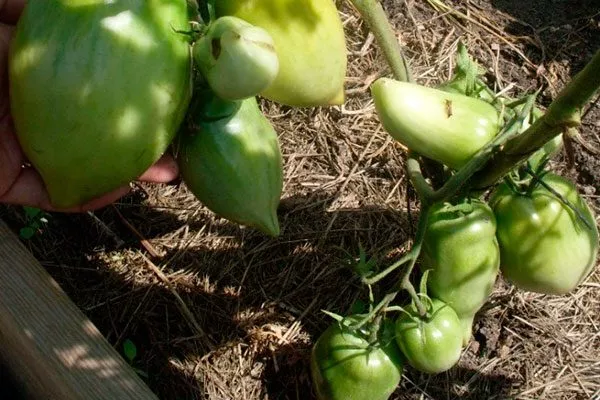
- tomatoes - elongated, sometimes with heart-shaped outlines and a characteristic curved “nose”.
- weight - varies from 100 to 300 g;
- skin – dense, resistant to cracking, which ensures good shelf life and transportability;
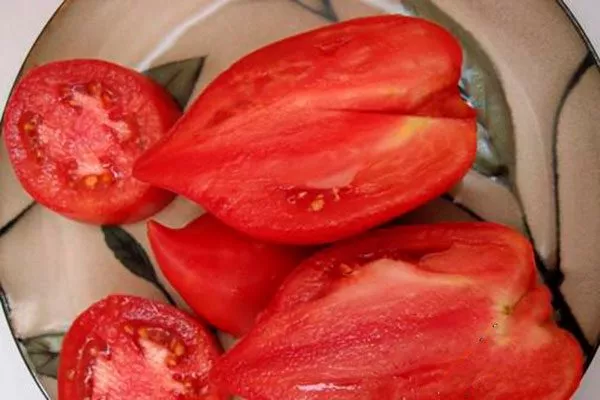
- pulp – fleshy and juicy, the color matches the peel;
- seminal chambers – barely noticeable.
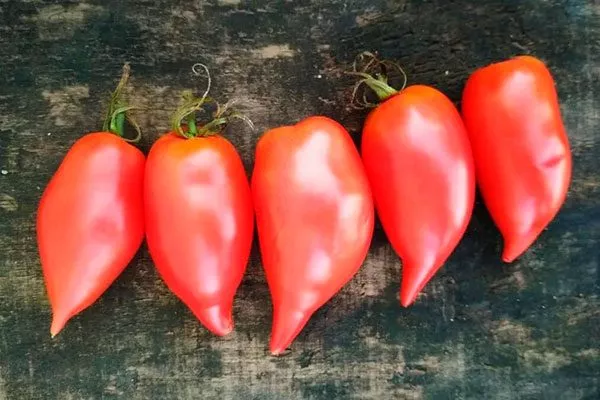
Large fruits resemble peppers, while smaller ones resemble bananas. Tomatoes picked unripe ripen within two weeks. They are a crimson-red color. When unripe, they are light green with a spot near the stem. When grown outdoors, small green patches may remain on the surface.
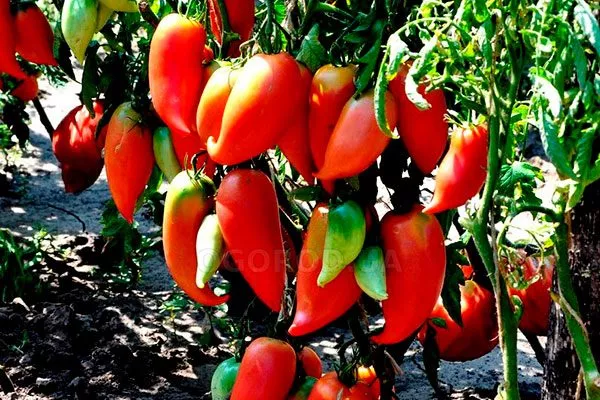
The flavor is very sweet with minimal acidity, making them widely used in cooking. They're perfect for salads, sliced vegetables, sandwiches, soups, and sauces, but they don't color liquids, so they're not suitable for borscht. Tomatoes are often canned whole.
Main characteristics
This mid-season variety ripens in 110-120 days. Fruiting is prolonged, allowing for harvesting throughout the season, right up until the first frost. In open ground, yields range from 7-10 kg per square meter, while greenhouse yields are higher.
Korean long-fruited grapes are rarely affected by diseases. However, if cultivation practices are improper, blossom-end rot and certain fungal infections may occur. To prevent these infections, preventative plant treatments are recommended.
Required climate and regions
The plant is sensitive to weather conditions and requires protection from drafts, strong winds, and low temperatures. Choose a well-lit site for planting.
This variety is suitable for greenhouse cultivation, allowing it to be grown anywhere. However, when growing it in open beds, consider its heat-loving nature and vulnerability to adverse weather conditions.
Growing and care
This tomato variety is not suitable for growing in weekend gardens. This doesn't mean it's overly fussy, but its thin and weak shoots require careful support. The bushes require regular cultivation to maintain maximum yield.
Sowing seeds and growing seedlings
To obtain seedlings, sow Korean long-fruited pepper seeds 60-65 days before transplanting to a permanent location. Consider the climate of your region.
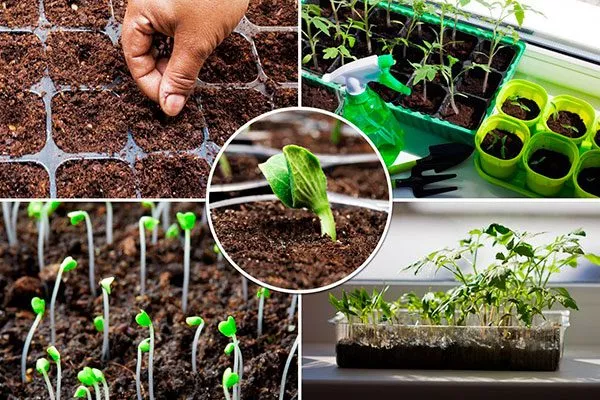
By the time of landing, the conditions must be suitable:
- the threat of recurrent frosts has passed;
- The soil in the greenhouses warmed up to 10°C, and in the open area – up to 15°C.
- ✓ Optimum soil temperature for planting seedlings: not lower than 10°C in greenhouses and 15°C in open areas.
- ✓ Required distance between bushes: 3-4 plants per 1 sq. m to ensure sufficient space and ventilation.
Roast the seeds, treat them with a seed dressing, and, if necessary, treat them with a growth stimulant. Then proceed with the procedure:
- Place the seeds in furrows at a depth of 5-8 mm, as planting them deeper will hinder germination, increase energy consumption, and may reduce germination. Weak sprouts are a characteristic of this variety, and improper planting will make them even weaker.
- Spray the substrate in the seedling container with warm water and cover with a transparent lid, glass, or film. The temperature should be between 20-28°C.
Ventilate the seedlings daily. Once the seedlings emerge, remove the covering immediately and begin hardening them off. Necessary conditions:
- daytime temperature – +14-16°C;
- night indicators – +10-12°C;
- illumination – bright and open 24 hours a day.
After 5-7 days, reduce the illumination to 12-14 hours, reduce the temperature to +20-24°C.
Provide the seedlings with proper care. Follow these guidelines:
- The soil should always be slightly moist. Avoid short-term overwatering or overdrying.
- After watering, loosen the space between the rows every other day. This is necessary to prevent a crust from forming on the surface.
- Provide uniform lighting from all sides to avoid seedlings from stretching.
- Prick out the seedlings when they have 1-3 true leaves. Transfer them to individual cups, not to seedling trays.
Landing at a permanent location
Plant 3-4 Korean long-fruited vines per square meter, planning your staking system in advance. A trellis is ideal, as the plant should be supported by at least two trunks. Attach the thin, flexible vines individually, securing them in several places.
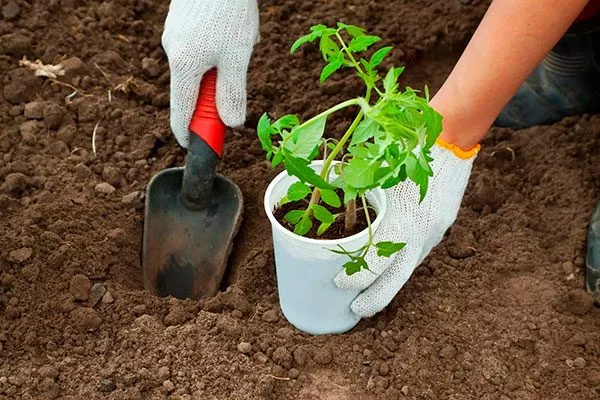
After transplanting the seedlings to the site, water them thoroughly. Water again no sooner than a week later; even in hot weather, the soil should remain moist. Mulch the beds or just the root zone to retain moisture and protect from overheating.
How to care?
Carefully monitor the watering regime, otherwise the fruit may begin to crack. Irrigation should be uniform, and the choice between deep but infrequent watering or frequent but shallow watering depends on site conditions.
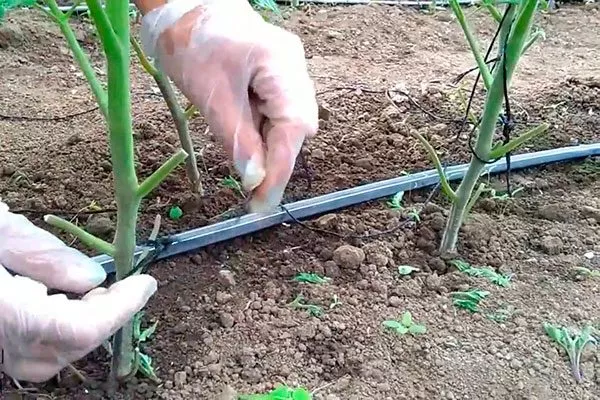
Clear the soil between tomato plants of weeds to ensure good water and air flow. To do this, follow these steps:
- Loosen the soil regularly;
- mulch the beds.
If you're using a special nightshade fertilizer, follow the package instructions. If you're using other fertilizers, apply at least three times:
- 2 weeks after planting;
- during the mass formation of secondary flower stalks;
- when ovaries appear on the first brushes.
Pay special attention to the shaping of Korean long-fruited bushes. Follow these guidelines:
- Train the plants to form 2-3 trunks. To produce medium-sized tomatoes suitable for whole-fruit canning, leave more shoots. Pinch out any remaining side shoots when they reach 2-4 cm in length, as they should not be allowed to outgrow the plants, as they are already quite fragile.
- Remove 2-3 leaves per week under the clusters with ovaries. Topping should be done 1.5 months before the end of the season.
The tying should be done carefully: secure each shoot separately. If you secure the shoots in two or three places, kinks may form. It's convenient to use one long piece of twine, wrapping it around the trunk at each internode and hanging it from a horizontal trellis.
Possible problems
One of the drawbacks of the Korean Long-Fruited variety is that ripening tomatoes can easily break off the stem if the bush is handled carelessly. This should be taken into account when planting:
- in greenhouses – plant away from aisles;
- in the garden – at such a distance that it would be convenient to care for the plants and harvest.
Despite the crop's resistance to cracking, cracks can still occur. Tomatoes do indeed crack less frequently than other varieties, but if cultivation practices are improper (for example, irregular watering or abrupt removal of foliage), defects are inevitable.
The variety is prone to blossom-end rot, a non-infectious disease caused by calcium deficiency. This element is typically present in soil and water, but in a form difficult for tomatoes to access. To avoid this problem, follow these guidelines:
- Maintain a balance of calcium and potassium. The preferred ratio is 7:10.
- Calcium must be in a form accessible to plants. Use lime, eggshells, or slaked acid (such as vinegar).
- Apply the first fungicide treatment 2 weeks after planting.
- The second treatment is during mass flowering.
- The third treatment is when the first ovaries appear.
The plant doesn't have any special defenses against pests. Bushes are rarely affected by infections, but problems can arise. To avoid infestations, carry out preventative treatments with fungicides and insecticides.
Similar varieties
There are several varieties that bear a physical resemblance to the Korean long-fruited tomato. The following are considered analogs:
| Name | Description and characteristics |
| Scarlet Mustang | An indeterminate variety suitable for growing outdoors and indoors, as well as in plastic greenhouses, Scarlet Mustang forms robust bushes 150-180 cm tall and is distinguished by its single inflorescence.
These tomatoes have a pleasant flavor and are suitable for both fresh eating and canning. When ripe, they take on a raspberry hue and weigh about 95 g. The flesh is firm and the flavor is rich. This mid-early variety yields 391 centners per hectare. |
| Cornabel | The bush attracts attention with its harmonious and symmetrical form. The leaves are large and abundant, and the root system is robust, ensuring stability and good fertility even in low-moisture conditions.
Cylindrical, pointed tomatoes, bright red in color, resemble sweet peppers. They have excellent commercial qualities: they store well, are easy to transport, and have thin but strong skin that resists cracking. They are large, up to 15 cm long and weighing 200-240 g, and are virtually seedless. The flesh is juicy and firm. This is a late-ripening variety—the vegetables ripen 60 days after planting. Fruiting is long and productivity is good—up to 19.2 kg can be obtained from 1 square meter. |
| Retort | A medium-sized variety with a bush height of approximately 1 m. The leaves are large and green. The tomatoes are round, reaching 7-8 cm in diameter. The weight of a single fruit ranges from 100 to 150 g.
Tomatoes have a long shelf life, making this variety an excellent choice for canning. |
| Mother-in-law's tongue | A Ukrainian-bred variety. It is indeterminate and characterized by numerous beneficial properties and excellent fruit flavor.
The tomatoes are pepper-shaped with a long, curved tip. Mature specimens are a rich red color. They are 12-15 cm long and weigh between 150 and 200 g. The flesh is dense, juicy, and meaty. Ripening period: 112-115 days. |
Pros and cons
Before growing a crop, it's important to familiarize yourself with its advantages and disadvantages to avoid potential difficulties in the future. Key benefits include:
Among the negative qualities, gardeners note the need to tie up and shape the bushes, which requires additional care.
Reviews
The Korean long-fruited thyme lives up to its popularity thanks to its tolerance of various weather conditions and resistance to damage. It requires careful shaping and support, but this doesn't prevent it from remaining one of the best varieties for various purposes, including fresh eating and canning. Even beginners can grow it.