
The Konservny variety is an ideal choice for those seeking a bountiful harvest of juicy, fresh tomatoes. This plant variety requires no specialized knowledge to cultivate and thrives equally well in both open and closed areas. Konservny is often referred to as "non-side-sonning" or "Barnaul," for good reason.
Description of the plant and fruits
It's generally accepted that the Canning tomato originated in Barnaul, which is why many growers add the word "Barnaulsky" to it. It's called "non-side-sonning" because it doesn't require side-sonning.
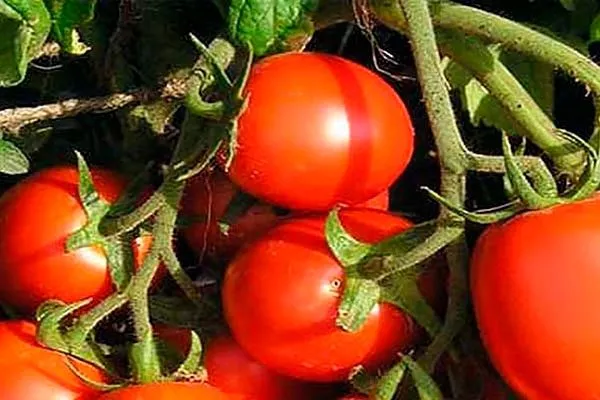
This variety is compact, reaching only 50 cm in height, which makes it an ideal option for novice gardeners, since the bushes do not need to be tied up.
Other varietal characteristics:
- The bush is characterized by dense foliage with a dark green hue.
- Each plant produces 4 to 6 fruiting clusters with 12-15 ovaries.
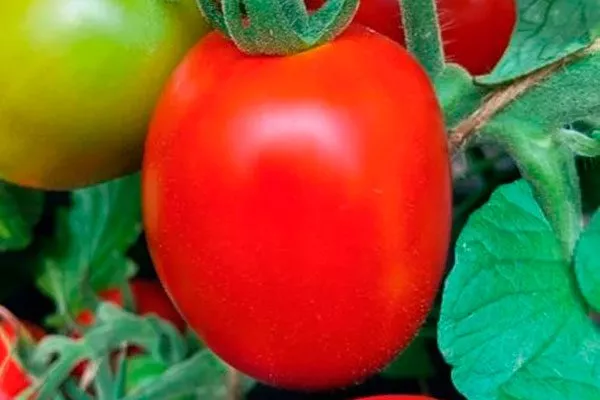
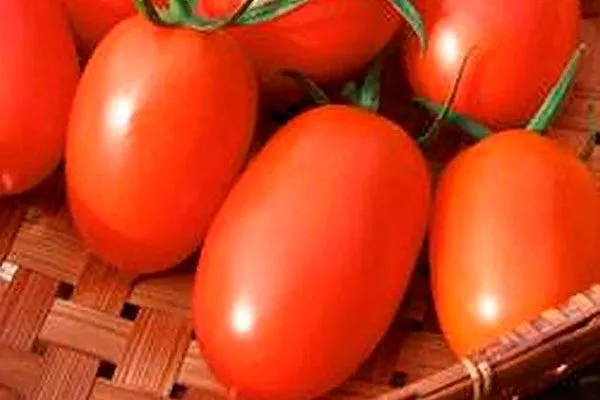
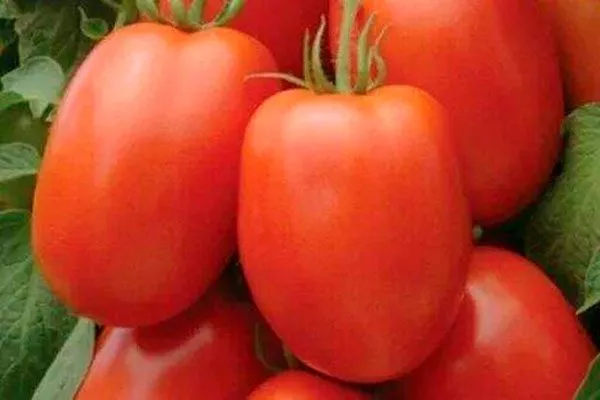
- When ripe, the fruits are ovoid in shape and have a rich red colour without any green tint.
- Tomatoes weigh 50-90 g and are characterized by increased density and a smooth surface.
- The pulp is juicy and dense, with a small number of seed chambers and seeds.
- The main purpose is canning (both whole and in pieces), since the vegetables have a shape that is convenient for filling cans.
- Small tomatoes are suitable for drying, curing, and freezing.
- Many people use it for consumption in its freshly picked form.
- These tomatoes are great for stuffing, adding to salads and slicing.
- A variety with excellent flavor—their flesh is rich and sweet. The aroma adds a unique character to every dish.
Characteristics of the variety
This variety was developed over many years to create tomatoes that could withstand the harsh climatic conditions of Siberia.
Canned Tomato has the following features:
- During heat treatment, the skin does not tear or burst.
- From 1 square meter you can get up to 8-10 kg of finished products.
- It copes well with temperature fluctuations during the summer period, continuing to bear fruit even in conditions of drought and prolonged rainfall.
- It's considered early, meaning the first ripe fruits appear between July 12th and 15th, 90-105 days after shoot formation. Full ripening occurs a few days later. This allows for the majority of tomatoes of the same size and ripeness to be harvested at the same time, which is especially important for canning.
- Tomatoes are resistant to various diseases. They are not susceptible to the macrosporiosis mosaic virus, and the crop ripens before late blight sets in. Even during the coolest periods with high rainfall, these plants are rarely affected by diseases.
Growing and care
To ensure productivity meets gardeners' expectations, it's crucial to follow proper growing practices. In Russia, the most suitable method is to use seedlings for cultivation. The quality of the seedlings often determines the final result.
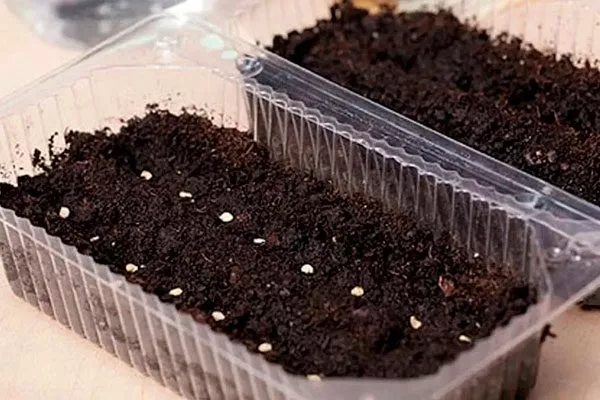
- ✓ The optimal soil temperature for sowing seeds should not be below +15°C.
- ✓ The distance between plants when planting in the ground should be 40-50 cm to ensure sufficient ventilation and lighting.
Requirements and rules:
- Sow two months before the expected planting in open ground or in a greenhouse.
- Seedlings of compact varieties tend to stretch, so it's recommended to transplant them into individual pots. Pricking out is done after the first or second true leaf appears. As the plants grow and the leaves close, space the seedlings further apart.
- If the seedlings have become elongated, they are transplanted to a permanent location using horizontal placement. To do this, dig a trench about 20 cm deep along the bed and carefully place the seedlings in it, pointing their tops north. Fill the trench with soil, leaving only the top 15-20 cm of the plants above the surface.
Direct sowing into open ground without pre-planting is sometimes used, which is essential in hot southern climates. In this case, it is necessary to provide protection from wind and cold using a plastic cover on the prepared site.
Good predecessors for this type of crop include:
- carrot;
- cabbage;
- garden greens.
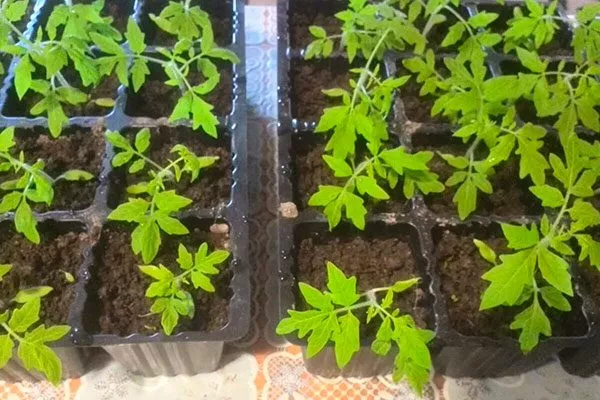
Caring for young plants involves several steps:
- Regular watering. Water when the top 2-3 cm of soil dries out.
- It is recommended to remove the first ovary, as it can inhibit the development of other fruits.
- This type of crop does not require tying or shaping the bush.
- A balance of micronutrients is essential for the development of every plant. Mineral and organic fertilizers are applied, as well as traditional remedies, including iodine, yeast, bird droppings, and eggshells.
The key point is to adhere to the dosage and timing of application of fertilizers, which is relevant for both home remedies and organic fertilizers.
Protection from diseases and pests
Greenhouse tomato cultivation often poses problems with diseases caused by temperature imbalances and excessive humidity. Among the most common ailments are fungal infections such as cladosporiosis and rot.
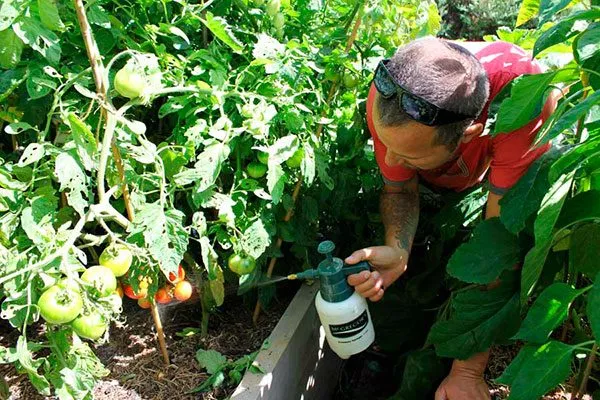
Protecting tomatoes from diseases and pests outdoors can be more challenging. This is because plants in the nightshade family are susceptible to attacks from a variety of pathogens and parasitic insects.
Pros and cons
The advantages of this culture include:
The disadvantages include the need for careful fertilizing.
Reviews
The Konservny variety, bred in Barnaul, is perfectly adapted to the climate of Western Siberia and the Urals, making it suitable for cultivation throughout Russia. The fruit's peel is resistant to cracking and retains its shape during canning, a definite advantage.