
The Comet tomato is prized by gardeners for its abundant yield and disease resistance, making it an excellent choice for gardening. Its compact, vibrantly colored, sweet-flavored fruits are suitable for both fresh eating and canning. With minimal care, it produces abundant, juicy tomatoes.
Morphological features of the bush and fruits
Comet is a hybrid tomato with unlimited growth, capable of vigorous development throughout the season. Due to its indeterminate nature, the plant continues to grow and produce fruit until frost.
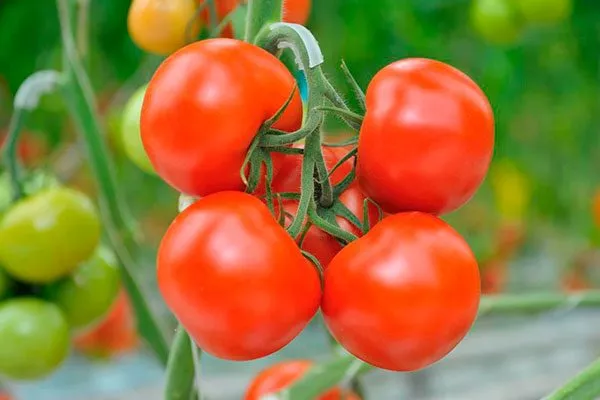
Distinguishing characteristics:
- bush – reaches about 120-130 cm in height;
- leaves - They are medium in size and have a rich dark green color, which helps them effectively absorb sunlight for photosynthesis and fruit formation;
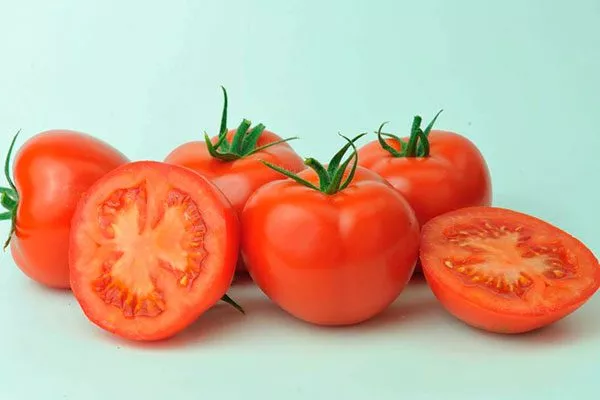
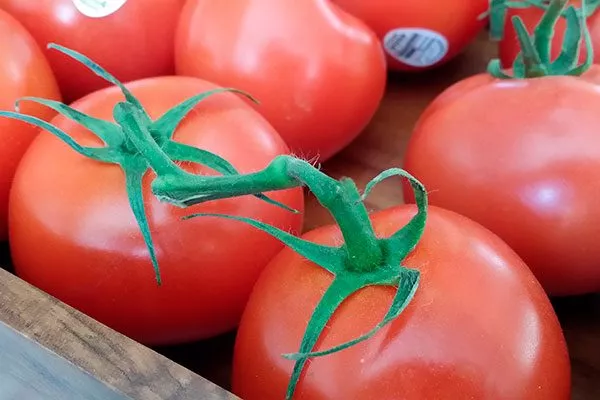
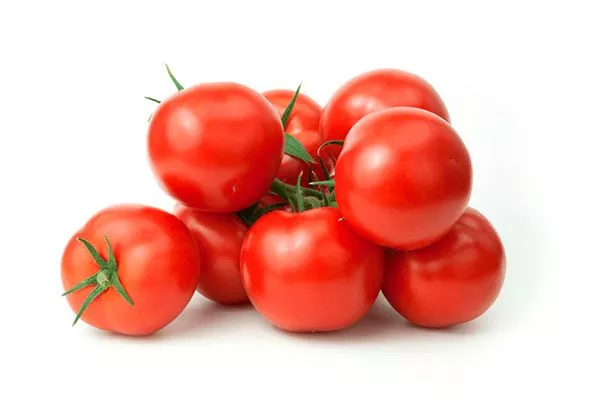
- tomatoes - have a beautiful rounded configuration and are painted in a bright red hue;

- weight - varies from 150 to 200 g;
- pulp – Sweet, juicy and firm, making the vegetable ideal for salads, pastas, sauces or fresh tomato juices.
Description and characteristics of the Comet variety
The first tomatoes begin to ripen approximately 90-95 days after germination. This hybrid is characterized by a long fruiting period, allowing for harvesting throughout the season.
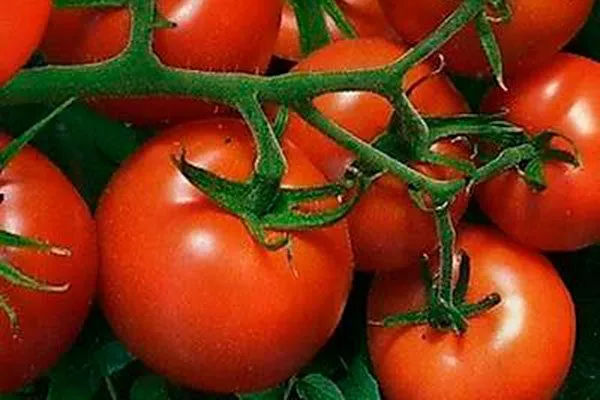
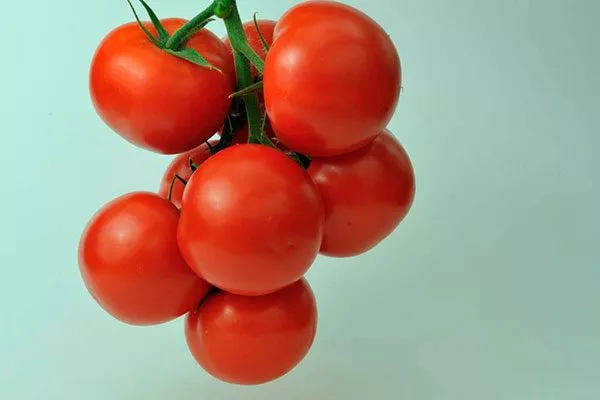
The variety is very productive: one brush can produce up to 7-8 fruits, and one bush can produce an average of 5-6 kg of tomatoes.
Growing Comet Tomatoes
Growing tomatoes is not difficult, but only if basic agricultural requirements are met. - The culture will delight you with a generous and tasty harvest.
Selecting a site and preparing the soil
When choosing a planting site, choose a well-lit, wind-protected spot. Tomatoes grow best in beds previously planted with beans, onions, carrots, or cabbage. Avoid planting them after potatoes, peppers, and other nightshades.
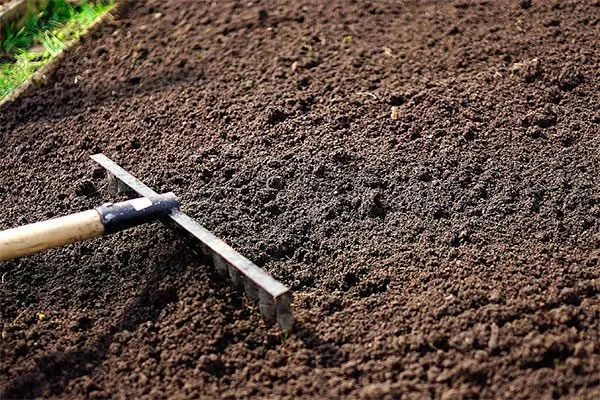
Start preparing the soil in the fall or 2-3 weeks before planting:
- Dig up the soil to the depth of a shovel blade, removing weed roots;
- add organic matter – rotted manure or compost (4-5 kg per 1 sq. m);
- add mineral fertilizers: Superphosphate (30 g) and potassium sulfate (20 g per 1 sq. m);
- if the soil is acidic, add dolomite flour or ash (up to 300 g per 1 sq. m);
- In the spring, loosen the soil again and form the ridges.
These measures help create favorable conditions for the development of strong and productive Comet tomato seedlings.
Sowing seeds and care
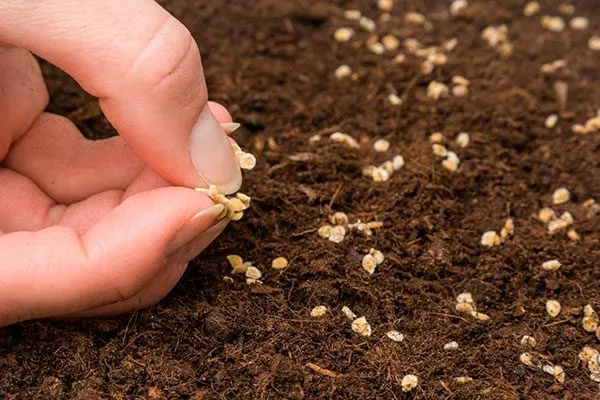
Select large, healthy seeds and, if desired, soak them in warm water for 8-12 hours to speed up germination. Then, follow these basic guidelines:
- prepare light nutritious soil and containers for sowing;
- Sow the seeds to a depth of 1-2 cm;
- Gently moisten the soil with a spray bottle and cover with film or glass to create a greenhouse effect.
Seedling care includes:
- regular watering, avoiding over-watering;
- maintaining a temperature of +22-25°C until seedlings appear, then reducing to +18-20°C;
- providing bright light for at least 12-14 hours a day to prevent plants from stretching;
- transplanting into separate containers when the first true leaves appear;
- Regular ventilation and removal of weak or diseased seedlings to maintain the health of the seedlings.
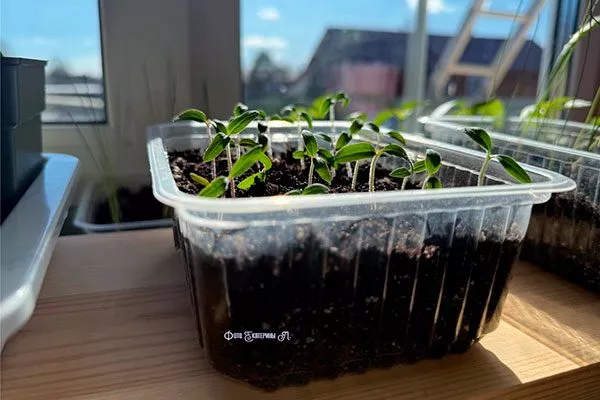
This approach will help grow strong and healthy tomato seedlings for the future harvest.
Choosing the Comet tomato variety
Before planting a crop, it's important to carefully consider its pros and cons. Pay attention to several key characteristics:
- Productivity. Comet shows excellent results – with good care, one bush can yield about 6 kg of fruit.
- Taste. The tomatoes are sweet, juicy and aromatic, with a taste reminiscent of cherry tomatoes, making them especially attractive for eating fresh.
- Disease resistance. The variety is resistant to common diseases such as late blight and powdery mildew.
- Shape and size of fruits. The tomatoes are round, about 3-5 cm in diameter, and are suitable for making salads and snacks.
- Keeping quality. Tomatoes store well without losing their flavor or freshness, making them ideal for winter preparations.
This hybrid is ideal for those who value good productivity, excellent taste, and strong immunity.
Transplanting and caring for the Comet tomato
Before planting, carry out a series of preparatory measures to ensure optimal conditions for growth and fruiting. Follow these recommendations:
- Planting seedlings. Dig holes 10-15 cm deep and carefully place the seedlings, slightly burying the root system. Cover with soil, compact lightly, and moisten with warm water.
- Watering. Water regularly, never allowing the soil to dry out. Avoid standing water, as tomatoes don't like being overwatered.
- Caring for bushes. Remove dry and damaged leaves, side shoots, and old shoots—this will help plants maintain strength and reduce the risk of disease.
- Top dressing. Apply complex mineral fertilizers containing macro- and microelements. Apply fertilizer regularly according to the instructions, starting 2-3 weeks after planting.
- Garter. Be sure to secure the bushes to a support or trellis to prevent the stem from breaking under the weight of the fruit.
- Plant structuring. Prune regularly – remove lower leaves, excess side shoots and side shoots to maintain a compact shape and improve ventilation.
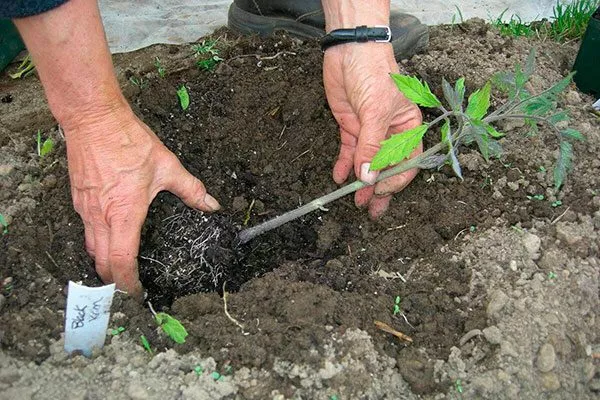
By following these rules, you will ensure proper care for the crop and receive a rich, tasty harvest.
Diseases and pests
The Comet tomato is characterized by strong immunity, but under unfavorable conditions or improper care, it can be susceptible to certain infections and insects. To maintain plant health, it's important to promptly identify problems and take protective measures.
The most common threats and methods of combating them:
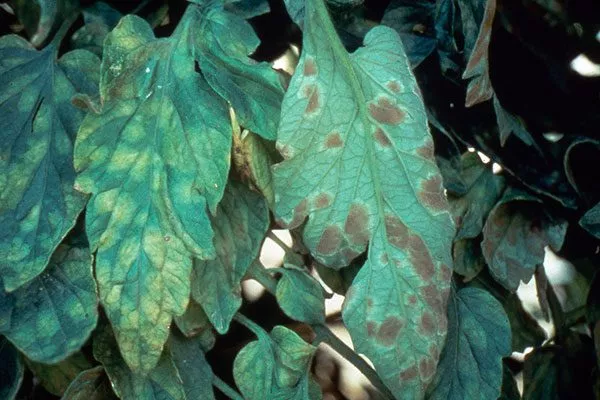
- Late blight - It manifests itself as dark spots on leaves and fruits. To prevent the disease, use copper-containing preparations (such as Bordeaux mixture), avoid dense plantings, and water only at the roots.
- Powdery mildew - White coating on the leaves. Remove affected parts of the plant and spray the bushes with fungicides (Topaz, Skor).
- Cladosporiosis - Brown spots on leaves. Use HOM or Oxyhom, and maintain adequate ventilation in the greenhouse.
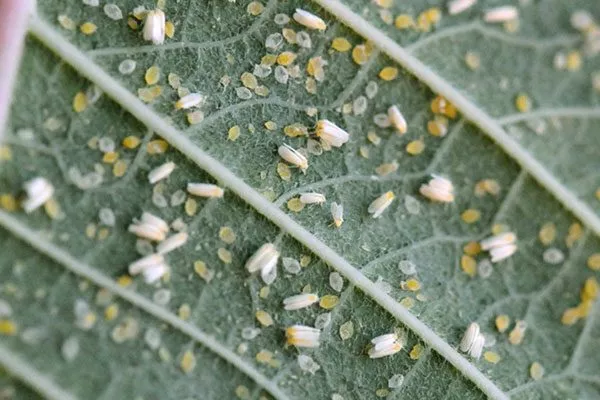
- Aphids and whiteflies – Small sap-sucking insects. Treat plants with a soap solution or insecticides (Fitoverm, Actellic).
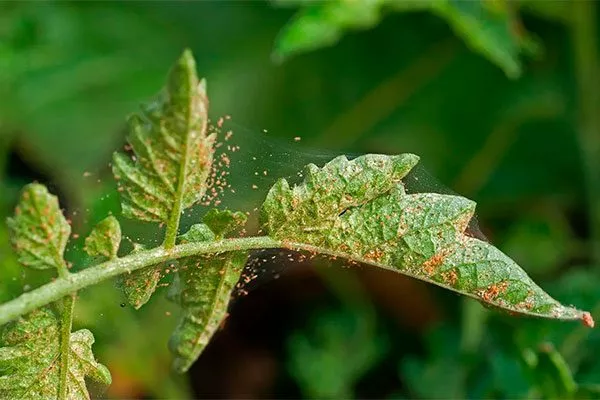
- Spider mite – Leaves a web and causes leaves to dry out. Acaricides (for example, Akarin) are effective.
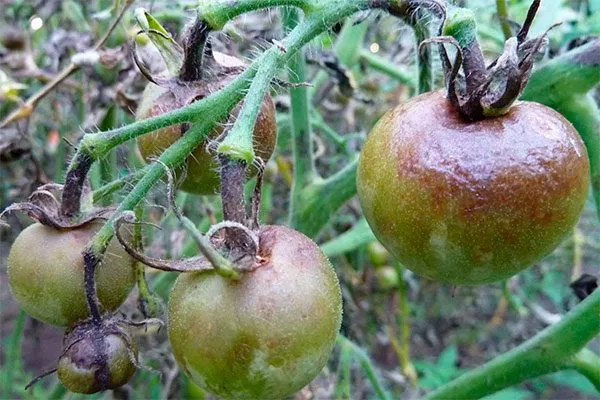
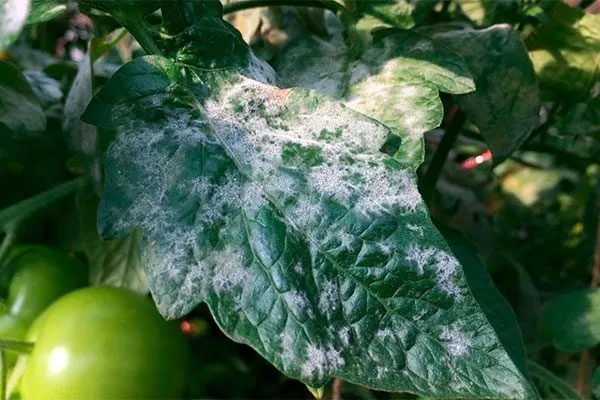
Regular inspection of bushes, proper watering and ventilation will help prevent diseases and pest infestations in time.
Pros and cons
Reviews
Comet combines excellent taste, good productivity, and a strong immune system. This tomato variety attracts even novice growers, as it requires no special skills or knowledge. The hybrid thrives in virtually all regions of our country, and with timely agricultural practices, it delivers generous harvests.