
The Kolkhozny tomato is a reliable variety for gardeners who value a stable harvest and low maintenance. Despite some shortcomings, it deservedly remains popular due to its excellent characteristics. With proper care and adherence to all agricultural practices, this crop is an excellent choice for planting in the garden.
History of origin
The variety was developed at the Crimean Experimental Station by domestic breeders. The Ukrainian company "Nasha Gryadka" produces tomato seeds that have adapted well to the conditions of Moldova, Russia, and Ukraine.
Description of the bush and fruits
The Kolkhozny variety is popular with gardeners for its compact bush size and attractive fruit characteristics. Plants grow from 50 to 100 cm and tolerate drought and short-term cold spells well. The bushes are semi-spreading, branched, and abundantly covered with medium-sized, richly green leaves.
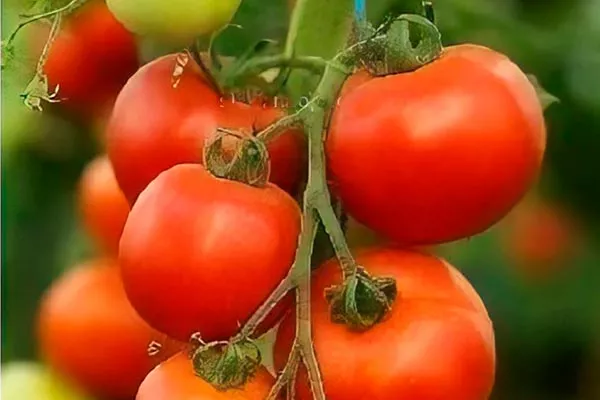
The tomatoes are round and smooth, weighing between 95 and 115 grams. The flesh is firm and the skin is thick, making the fruit durable. When fully ripe, the skin turns bright red.
Key characteristics of the variety
Kolkhozny is a prime example of domestic varieties. Its low maintenance, robust immunity, and adaptability to various weather conditions make it ideal for beginning gardeners.
Taste and uses of tomatoes
Tomatoes are renowned for their rich, sweet flavor and light, pleasant tartness. They are versatile, suitable for both fresh consumption and preserves. They are used in salads, vegetable stews, and entrees; their thick skin is usually removed.
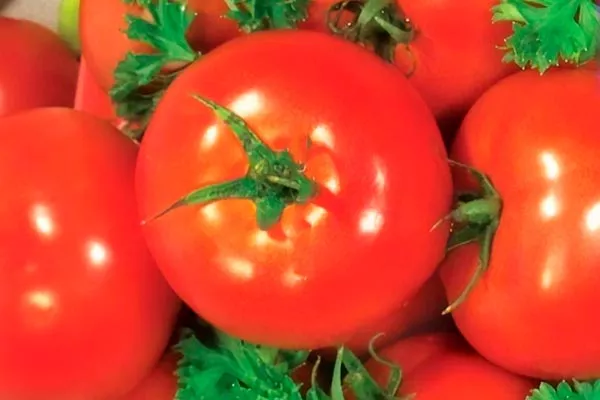
When canning whole fruits, their tough skins become an advantage – the vegetables don't crack during cooking, preserving their flavor and texture. They're also ideal for processing: they make aromatic juices, pastes, adjika, and ketchup, all retaining their characteristic tartness.
Ripening, fruiting and productivity
The Kolkhozny tomato is a mid-season variety. It takes 100-105 days from germination to the first harvest. The fruits are harvested from July to September, sometimes longer depending on the region.
The crop has gained popularity due to its high productivity. Gardeners harvest 4 kg or more of fruit from a single bush.
Resistance to diseases and pests
This variety has good resistance to late blight and blossom-end rot, but crop rotation problems and adverse weather conditions can affect the plant's immunity. This can lead to the development of diseases such as white spot, mosaic, and macrosporiosis.
In addition, tomato plants can suffer from pest attacks such as the Colorado potato beetle, nematodes, and whiteflies.
Growing regions and climate
The crop is well adapted for cultivation in various regions with temperate and warm climates. The variety has gained particular popularity in Ukraine, Moldova, and the southern and central regions of Russia, where it demonstrates consistent yields.
In colder regions, this variety is successfully grown in greenhouses or hotbeds, where the plants are reliably protected from sudden frosts and extreme temperature fluctuations. The bushes are resistant to short-term cold spells and drought, making Kolkhozny suitable for regions with variable weather conditions.
How to grow seedlings?
Seeds for seedlings are sown two months before transplanting them to the ground. It's important to follow all steps correctly to achieve maximum results.
- ✓ The optimal soil temperature for sowing seeds should not be below +15°C.
- ✓ To prevent diseases, it is necessary to observe crop rotation, not planting tomatoes after potatoes, peppers and other nightshades.
Seed preparation
To grow high-quality seedlings, prepare the seeds. This process consists of several steps:
- Selection of seeds. To select high-quality planting material, place the seeds in a glass jar with a solution of table salt. Remove any that float to the surface, and rinse those that sink to the bottom thoroughly under running water.
- Disinfection. To prevent disease, soak the seeds for 15 minutes in a 1% potassium permanganate solution or for 10 minutes in a 2% hydrogen peroxide solution. Then, treat them with a growth stimulant.
- Soak. Wrap the seeds in a cloth napkin, place them in a glass container, and add enough water to cover them halfway. Continue this process for 10 hours, changing the water three times during this time to allow the seeds to air out.
- Germination. To speed up germination and increase yield, germinate the seeds. Place them on a damp cloth and leave them until sprouts appear, maintaining constant humidity at a temperature of at least 20°C.
To increase resistance to temperature fluctuations, perform the final step of hardening the grains. After sprouting, place them in the refrigerator (at 2°C) for 14 hours, then warm them at 22°C for the same amount of time.
Container and soil
To prepare the soil, use a mixture of garden soil, river sand, and peat in equal proportions. Add 200 g of wood ash to balance the soil's acidity. If the soil is neutral, the ash will provide an additional source of nutrients.
Please follow these guidelines:
- To destroy pathogenic microorganisms, disinfect the soil by pouring a hot dark solution of potassium permanganate or by baking it in the oven at a temperature of 60°C for 10 minutes.
- After cooling, spread the potting mix into planting containers, pre-fitted with drainage holes to remove excess moisture. Place a drainage layer, such as pebbles or sawdust, on the bottom.
- Fill the containers halfway with potting soil, gradually adding more soil as the seedlings grow. This ensures they receive sufficient nutrients.
You can sow seeds in a shared wooden box or individual containers. Planting in individual containers eliminates the need for transplanting and simplifies seedling care.
Sowing
Plant the seeds 1 cm deep in the soil, spacing them 3-4 cm apart. Fill the furrows with soil, smooth them out, and lightly moisten them with warm, settled water using a spray bottle. Then cover the containers with plastic film to create a greenhouse effect.
Place the containers in a warm, dark place at a temperature of at least +25°C until seedlings appear.
Caring for seedlings
When the first shoots appear, remove the film and move the containers to the windowsill. Follow these care instructions:
- Gently water the seedlings around the edges of the seedling bed with warm, settled water using a tablespoon. Avoid overwatering to avoid overwatering, which can damage the roots.
- As soon as the seedlings develop two true leaves, transplant them into individual containers. If you sowed the seeds in peat pots, skip this step. When transplanting, trim the main root by one-third to encourage active lateral root growth and strengthen the stem.
- After planting the seedlings, leave the stronger specimens for further growth and remove the weaker ones.
- Apply the first fertilizer after replanting using organic fertilizer, such as mullein infusion or chicken manure, at a ratio of 1:15. The seedlings respond actively to the fertilizer and begin to develop more quickly. Repeat the procedure after two weeks.
Since the plants do not have a standard form and their stems are weak, additional feeding is necessary to strengthen them.
A week before transplanting, begin hardening off the seedlings by placing the containers outside for 2 hours, gradually increasing the time spent outdoors to 15 hours. At the same time, reduce the nighttime indoor temperature to 12°C.
What to do with the bushes next?
After two months, the seedlings can be transplanted into the ground. By this time, the plants should have 5-7 true leaves and well-developed roots.
Choosing a transfer location
To successfully grow the Kolkhozny tomato variety, select a suitable site. An open, sunny location protected from drafts is best.
Tomatoes have specific preferences when it comes to planting next to them, which affects their growth and yield. Choosing the right precursor plants will help protect your plants from diseases and pests. Plant your seedlings next to the following crops:
- cabbage;
- carrot;
- basil;
- garlic;
- onion.
Do not plant seedlings after potatoes, fennel, peppers, dill and celery.
Soil preparation and replanting
Before planting the Kolkhozny tomato variety, prepare the soil, making it loose and fertile by adding compost or humus. Follow these recommendations:
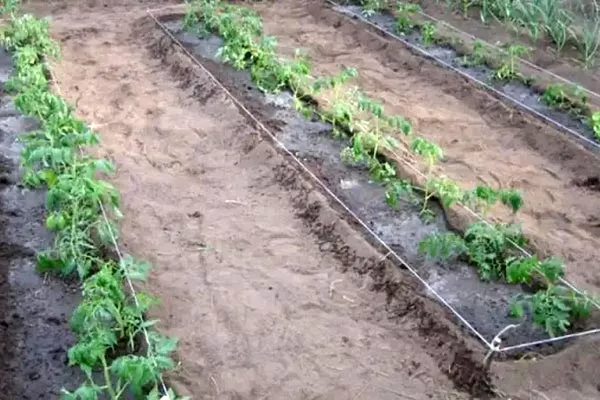
- Dig holes with a distance of 50 cm between plants and plant the seedlings, deepening them a few centimeters.
- Plant during the warm season, when the weather is stable and the risk of frost is minimal.
- Water the bushes generously and provide them with support, for example, using sticks or special structures.
Caring for the Kolkhozny variety
Once planted in the ground, tomatoes of this variety require careful care. Follow these simple care steps:
- Water as the soil dries, avoiding both over-watering and over-watering, as this can lead to root rot. Moisten the plants with warm, settled water in the morning or evening.
- For best growth, train the bushes with 1-2 stems, removing side shoots. Remove lower foliage at a height of up to 20 cm to ensure good air circulation.
- Fertilize the plant three times per season. Two weeks after replanting, apply mineral fertilizers; during flowering, apply phosphorus- and potassium-containing fertilizers; and during fruit ripening, apply potassium-rich fertilizers such as wood ash or superphosphate.
- After watering, loosen the soil and remove weeds by the roots. Weeds are a source of infection and can harbor pathogens and pests, so be sure to remove them from the garden beds.
- ✓ The bushes require mandatory garters due to the weak stems, despite their compact size.
- ✓ The fruits have high transportability due to their dense skin.
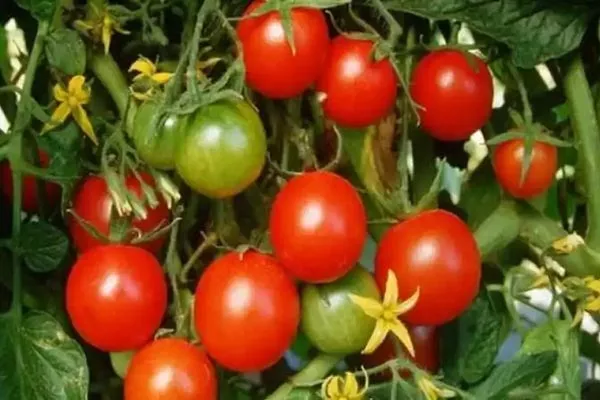
To retain moisture, cover the soil with peat or straw. Mulching also serves a protective function, preventing insect pests from reaching the plant roots.
Features of cultivation and possible difficulties
Despite their compact size, tomatoes require support with wooden or metal stakes. Place these near the plants immediately upon transplanting.
Helpful tips:
- An unattached, weak stem will not support the weight of the fruit, so secure it immediately after transplanting into open ground.
- As the branches grow and form, tie them up to avoid damaging the tomatoes.
- In addition to vertical supports, use horizontal trellises. To do this, place metal stakes on both sides of the bed, stretching wire between them. Secure the stems and branches to the wire with soft fabric straps.
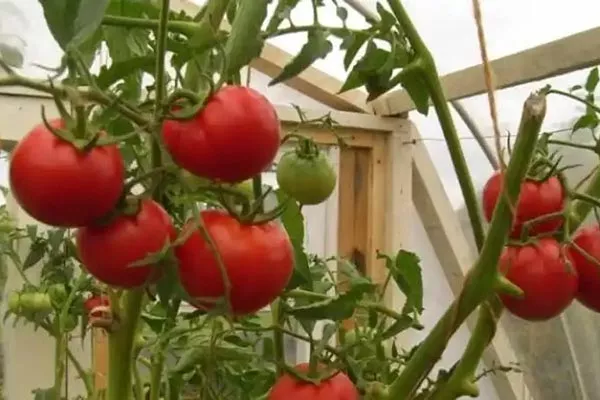
Experienced vegetable growers recommend training the plants into single or double stems. This helps improve productivity. Trim the lower leaves to keep them off the ground, preventing light penetration and creating excess moisture.
The nuances of cultivation in open ground and in a greenhouse
The crop is grown not only from seedlings but also by direct sowing. With direct sowing, the fruits ripen later, but this is an ideal solution for planting in southern regions. This allows for a prolonged harvest, right up until the first frost.
Important points:
- Many gardeners sow seeds directly into open ground or under film, which does not affect the quality and quantity of vegetables.
- Greenhouse plants can significantly exceed the height stated by the manufacturer, sometimes reaching 1 m. To prevent excessive growth of unnecessary branches and direct the plant's energy toward fruiting, pinch the top of the plant, securing the growing point.
Closed greenhouses require daily ventilation. Fresh air is essential for the normal development of seedlings and helps kill pests by disrupting their natural habitat.
Treatment and prevention of diseases and pests
The Kolkhozny tomato has good immunity against many diseases, including late blight. However, experienced gardeners use preventative measures to further strengthen the plant's health.
The main preventive measures include:
- moderate watering;
- regular loosening of the soil;
- weed removal;
- ensuring good ventilation in greenhouses;
- soil treatment with copper sulfate.
These measures will help protect plants from pests. However, sometimes, even with preventative measures, pests may still appear in your garden beds. To combat the Colorado potato beetle, use Prestige, applying it to all parts of the plants.
If potatoes are growing next to tomatoes, spray them first, as this crop is often a carrier of diseases and pests.
To further protect your plants from pests, plant herbs with a strong scent around them to repel pests. To combat whiteflies, install pheromone traps that attract them but are safe for other insects.
Collection and storage
Kolkhozny tomatoes ripen 100-110 days after planting. Ripening takes 14 to 21 days. The fruits are considered ripe when they turn a deep red.
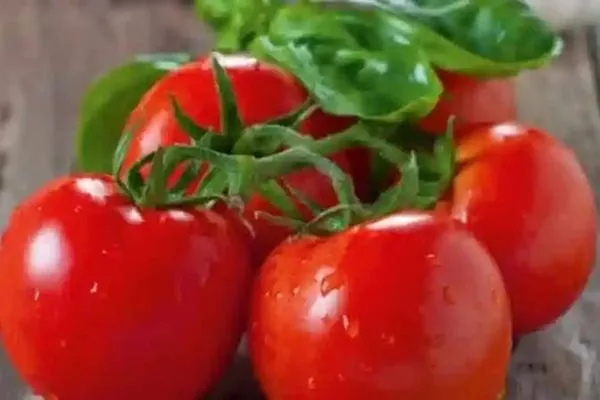
Harvest regularly to avoid overloading the plant. The crop has a long shelf life, so store at a temperature of 10-15 degrees Celsius. The vegetables are excellent for long-distance transportation.
Pros and cons
To achieve generous harvests and avoid potential difficulties in the future, it's important to carefully study the advantages and disadvantages of the crop. The Kolkhozny variety has many advantages:
Among the disadvantages of this variety, some vegetable growers note the need to form a bush, the need for pinching, and the tough skin of the fruit.
Reviews
The Kolkhozny tomato has deservedly gained popularity for its excellent varietal qualities. It combines good productivity, excellent flavor, and versatility. Gardeners appreciate this variety for its ease of cultivation, low maintenance, and minimal requirements for producing delicious tomatoes throughout the season.