
The Kolkhoznaya Koroleva tomato is a popular variety, appealing to gardeners for its low maintenance and high yields. It is characterized by large fruits, resistance to adverse weather conditions, and a wide variety of uses. It is the best choice for both open-field and greenhouse cultivation.
History of creation
Developed by Russian breeders, it's often confused with the Kolkhozny tomato, but the two varieties differ in growth habit and fruit color. This is a popular red-fruited variety, and its seeds are readily available from major agricultural companies.
Characteristics and description of the variety
Large fruits, early ripening, and excellent flavor make Kolkhoznaya Koroleva a popular variety for gardening. Thanks to these characteristics, it is widely grown in open ground in southern Russia. In more northern regions, it is cultivated in greenhouses and hotbeds.
Distinctive features of the plant and fruits
This cultivar is an indeterminate species. The tall bush reaches 2 meters in height. Its narrow crown requires training with 1-2 stems.
Distinctive features:
- Foliage - Weak, compound leaves with long internodes. Leaf blades are dark green, with a corrugated surface, wavy edges, and small serrations.
- Root system – superficial, highly branched, with a trunk circle of about 1.5 cm in diameter.
- Inflorescences – Simple, with yellow buds. The first inflorescence appears at the level of the ninth leaf, with subsequent ones forming 1-2 leaves later.
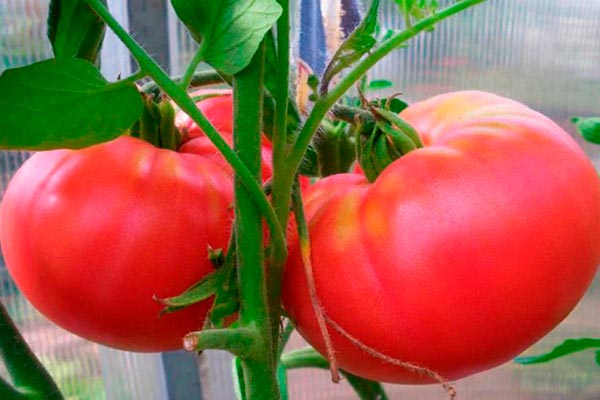
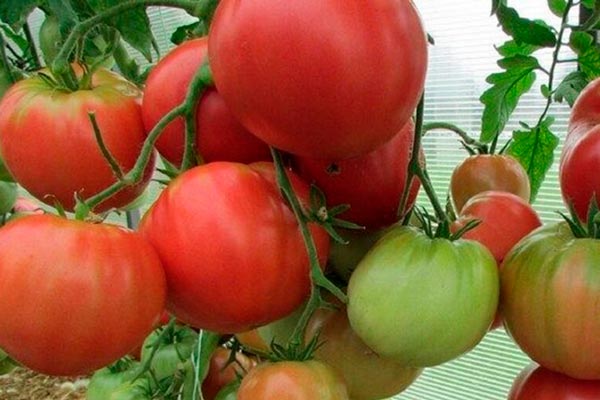
- Fruits – Crimson-colored, flat-round, large. Weight varies from 200 to 500 g.
- Peel - dense and elastic, almost not felt when used.
- fleshy, juicy, but not watery
Inside the pulp there are small yellow grains, there are not many of them.
Taste and uses of tomatoes
The Kolkhoznaya Koroleva tomatoes have a classic sweet and sour flavor. This variety is versatile, but is primarily used as a salad tomato. Due to its limited shelf life, these tomatoes are most often used in fresh salads, vegetable slices, and as a garnish for hot dishes.
Thanks to their balanced juiciness and fleshiness, tomatoes are suitable for processing into juices, sauces, and ketchups. Small tomatoes can be canned whole. They are not suitable for drying or deep freezing.
Ripening, fruiting and productivity
Kolkhoznaya Koroleva is a mid-early variety, with fruit ripening beginning 110-115 days after germination. Distinguishing qualities:
- Most of the crop ripens by mid-August.
- Start harvesting vegetables when the tomatoes reach optimal size, although they ripen well during storage.
- In open ground, vegetable growers harvest 12-14 kg per square meter, even in unfavorable weather conditions. In greenhouses, yields reach 5-6.5 kg per plant.
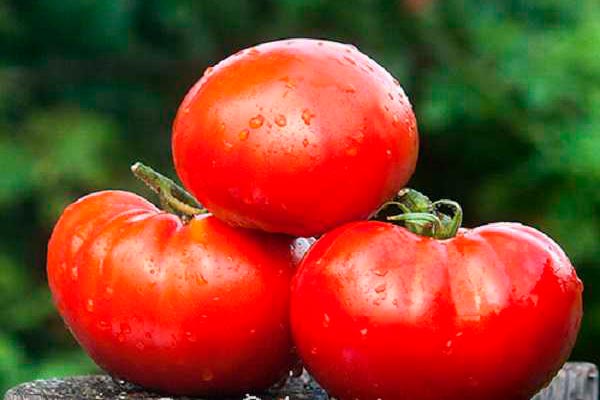
Regular harvesting stimulates the ripening of remaining tomatoes. When cold weather sets in, remove the entire crop from the bushes, as freezing temperatures impair ripening. Leave only those tomatoes on the plant that will be used for seed harvesting.
Required climatic conditions and regions
Tomatoes are successfully grown in northwestern Russia, the Urals, and Siberia, where they are primarily grown in greenhouses. In warm and temperate climates, tomatoes thrive in open ground.
Kolkhoznaya Koroleva performs well in open soils of the Stavropol Krai, Crimea, and Kuban. In temperate climates, greenhouse cultivation is required to achieve high productivity. In regions with risky farming (the Urals and Siberia), the variety demonstrates excellent yields in closed conditions.
How to grow seedlings?
Growing high-quality seedlings is a crucial step in achieving a bountiful and high-quality harvest. Healthy seedlings ensure a successful start for plants, which is especially important for crops that require a long growing season.
Sowing and growing conditions
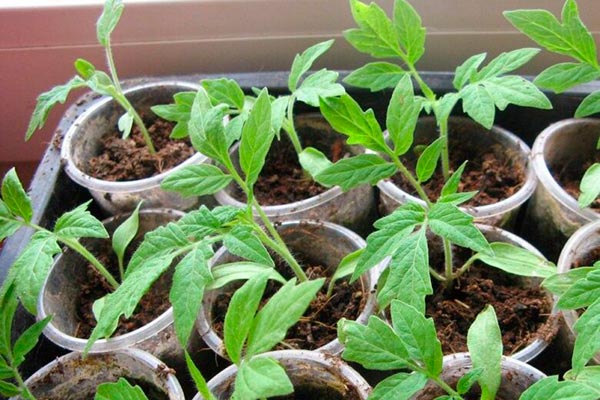
To sow seeds, use a light, nutritious soil enriched with organic and mineral nutrients. Before planting, treat the seedlings with growth stimulants or disinfect them with a potassium permanganate solution. Sow the seeds in moistened soil to a depth of 1-2 cm, leaving 3-4 seconds between each seed.
Optimal conditions for germination:
- Temperature - +22-25°C.
- Humidity - 70-90%.
Once seedlings emerge, reduce the temperature to 18-20°C, providing the plants with good light for at least 12-14 hours per day. Water moderately, avoiding both over-watering and over-drying the soil.
Transplantation to a permanent location
Once the seedlings have developed 3-5 true leaves, you can move them outdoors. Before doing so, harden them off by gradually reducing the temperature and placing them outside for several hours a day.
- ✓ Optimum soil temperature for transplanting seedlings: not lower than +15°C.
- ✓ Distance between bushes when planting: at least 50 cm to ensure good ventilation.
Follow these recommendations:
- Transfer the seedlings to prepared soil enriched with fertilizers.
- Do not plant the stems too deep to avoid rotting.
- After transplanting, moisten the seedlings with warm water and protect them from direct sun or strong wind during the first few days.
Following all stages of seedling cultivation allows you to grow strong and healthy plants ready for active growth and fruiting.
Care Features
After planting tomato seedlings in the ground, it is important to ensure proper agricultural practices to ensure the seedlings can successfully grow and bear fruit.
Follow standard care procedures:
- Watering. Water the bushes regularly but sparingly. The soil should always be slightly moist, but not stagnant, to prevent root rot. Use warm, settled water.
- Top dressing. After 10-14 days, fertilize the bushes with organic or mineral fertilizers—mullein infusion or complex mixtures. These stimulate growth and development.
- Garter. To support the plants, be sure to tie the shoots to vertical supports or trellises. This will ensure good air circulation and protect them from damage from wind or the weight of the fruit.
- Thinning and pruning. Remove excess shoots and side shoots to prevent the plant from wasting energy on excess foliage and to focus on developing tomatoes. Trim the lower leaves to prevent them from coming into contact with the ground.
Covering the soil with mulch will help retain moisture, prevent weed growth, and improve soil structure. Mulching also protects roots from overheating.
Pest and disease control
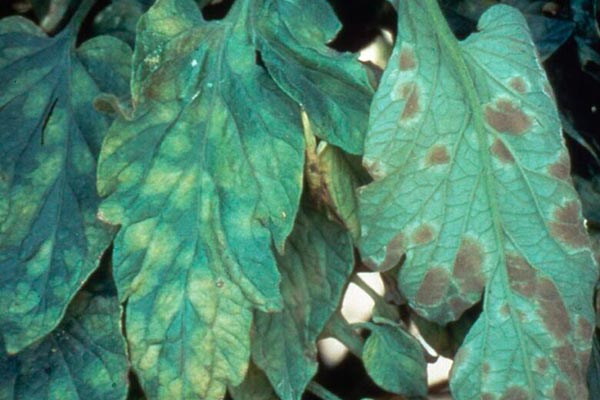
The Kolkhoznaya Koroleva tomato is renowned for its excellent immunity, resistance to mosaic, septoria, blossom-end rot, leaf curl, and Alternaria. However, if not properly cared for, it can be susceptible to late blight and cladosporiosis.
Helpful tips:
- Diseases often occur due to high humidity and poor ventilation in a greenhouse or hotbed. Remove all affected leaves promptly to prevent the spread of infection.
- Spores in the soil or on gardening tools can be an additional source of fungal diseases. They can remain viable for 6 to 10 years. Disinfect materials before and after use, and treat the potting mix.
- For prevention, use Fitosporin, copper sulfate or Hom.
Whiteflies and aphids pose the greatest threat to this variety of pests. Insecticides are effective in controlling them.
Pros and cons
The Kolkhoznaya Koroleva tomato is grown by both novice and experienced gardeners, who have already studied its characteristics and drawbacks. The variety has many advantages:
- ✓ Tendency to fruit cracking with sudden changes in soil moisture.
- ✓ The need for additional potassium fertilization during the fruiting period to improve the taste of the fruit.
Among the disadvantages, gardeners note low resistance to cladosporiosis, the need to trim leaves when grown in greenhouses, a tendency to crack in open ground, the possibility of transporting only an unripe form, and poor shelf life.
Reviews
Kolkhoznaya Koroleva is a reliable and productive variety for those who value a stable harvest and versatility. Despite some shortcomings, this variety is ideal for a variety of culinary and preservative purposes. A bountiful and high-quality harvest can be achieved by following important agricultural practices.