
The Kohava tomato is characterized by early ripening, resistance to cracking during transportation, and a long shelf life. It has excellent flavor and firm flesh, making it suitable for a variety of preserves and canning. It adapts perfectly to changing weather conditions and is highly resistant to viral diseases.
Origin of the variety, description of the bush and fruits
Kokhava is the result of years of work by Russian and Israeli scientists. The hybrid was developed in 2010, and in 2013, it was added to the State Register of Breeding Achievements and approved for cultivation. It is intended for greenhouse cultivation.
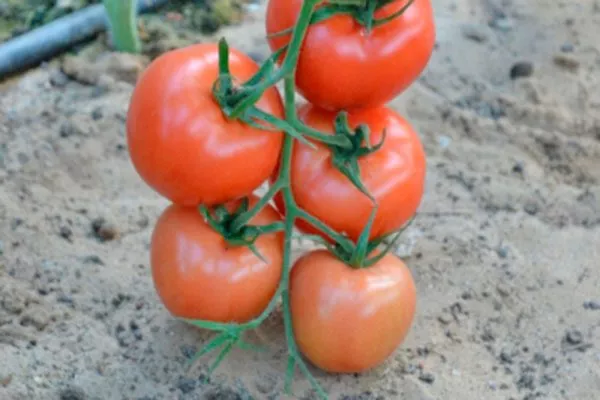
Distinctive features:
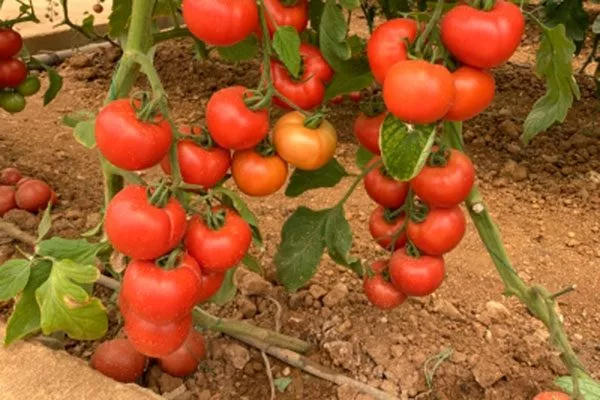
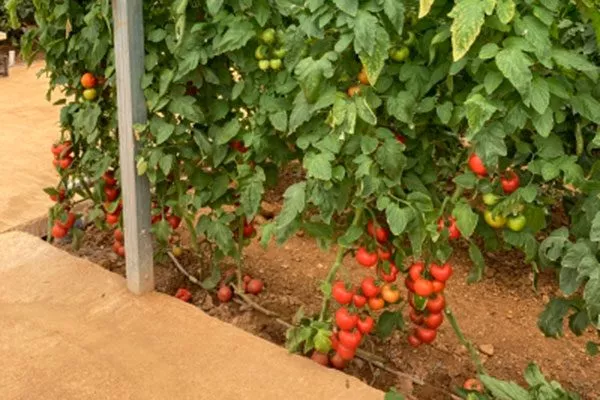
- The plant is indeterminate. Its height varies from 180 to 300 cm. Despite its considerable growth, the bushes remain compact, with dense, dark green foliage, a strong central stem, and flexible branches.
- The root system is robust, and the inflorescences are simple. The first flower cluster forms above the 7th to 9th leaf, with 5 to 6 fruits per cluster. When cultivating, the plant requires structuring into 1-2 stems, mandatory tying to supports or trellises, and regular removal of side shoots.
- The tomatoes are quite large, their weight varies from 105 to 111 g, and individual specimens reach 150 g. The configuration is flat-round, with slight ribbing.
Main characteristics
This variety attracts attention not only for its taste but also for a number of significant advantages that have earned it recognition among gardeners. The hybrid is distinguished by good productivity, strong immunity, and adaptability to greenhouse conditions.
Ripening time and yield
Kohava is an early-ripening variety. It takes about 85-90 days from germination to full fruiting. Thanks to its extended fruiting period, fresh tomatoes can be harvested until autumn.
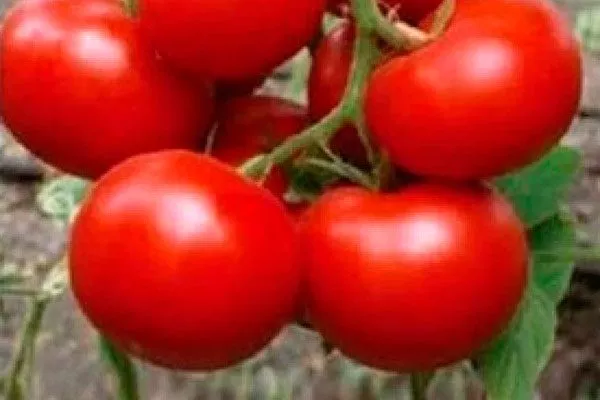
This is a highly productive variety. With proper cultivation practices, gardeners can harvest up to 30 kg of tomatoes per square meter. These figures make this variety an excellent choice for greenhouse cultivation.
Scope of application of fruits
These tomatoes have a classic sweet and sour flavor with a rich, spicy aroma. The flesh is plump and juicy, yet not watery, with no white pith and few seeds.
This versatile variety is suitable for fresh consumption, canning, processing, and pickling. The skin is moderately thick, smooth, and durable, preventing the tomatoes from cracking, ensuring long-term storage, and maintaining their appearance during long-distance transport.
Sustainability and regionality
Kokhava is highly resistant to a number of dangerous diseases, including verticillium wilt, cladosporiosis, yellow leaf curl, fusarium wilt, tobacco mosaic virus, and late blight. However, if improperly cared for and exposed to unfavorable conditions, it can be susceptible to these diseases. It is rarely attacked by pests.
The hybrid is stress-resistant and successfully produces fruit even with sudden temperature fluctuations. It tolerates drought, heat, and partial shade well. The center of the country is considered the optimal growing zone, but it also produces fruit successfully in colder climates under greenhouse conditions.
Landing features
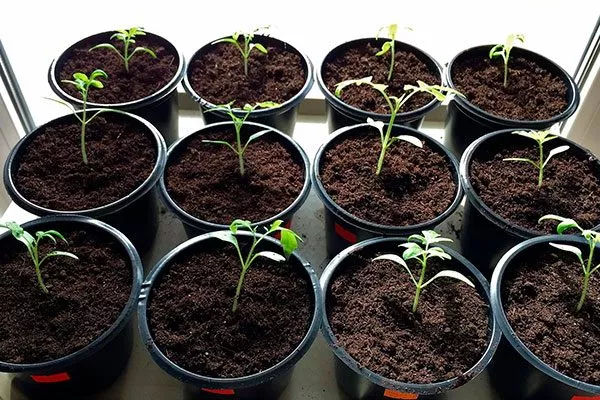
Sow seeds for seedlings 55-60 days before transplanting into the greenhouse. The optimal time is late February or early March.
- ✓ The optimal soil temperature for transplanting seedlings into a greenhouse should be at least +15°C, which is critical for preventing stress in plants.
- ✓ The interval between waterings should be adjusted depending on the plant’s growth phase: more often during the fruiting period, less often during the growing season.
Prepare planting material:
- Processing. To disinfect, soak the seeds for 20-30 minutes in a weak mixture of potassium permanganate or a 1% solution of hydrogen peroxide, then rinse and dry.
- Germination. Wrap the grains in damp gauze and leave in a warm place (about +25°C) until sprouts appear.
- Sowing. Fill the containers with a light, fertile soil. Sow the seeds 1-1.5 cm deep, 2-3 cm apart, lightly cover with soil, and spray with water. Cover the containers with plastic wrap or glass to retain humidity and move them to a heated room (23 to 25°C).
Follow these recommendations:
- 1-2 weeks before planting, dig up the beds, add humus, wood ash and complex mineral fertilizers.
- Space the seedlings in a 50x60 cm pattern to prevent them from becoming too crowded. Plant in pre-prepared holes, deepening them to the first cotyledon leaves, and moisten with warm water.
- Install supports or trellises immediately, as the bushes grow up to 2-3 m.
After transplanting, the seedlings will take 10 days to root. During this period, avoid overwatering and drafts.
Further care of tomatoes
To obtain a bountiful harvest, it's important to follow proper agricultural practices and care for the crop. The Kohava hybrid is easy to grow, but to ensure consistent fruit set, follow these guidelines:
- Watering. Provide moderate but regular watering. Apply warm, settled water to the roots 1-2 times a week. During the active fruiting period, increase the frequency of watering, monitoring the soil moisture level.

- Recharge. Apply at least four additional fertilizers per season:
- 10-14 days after planting – nitrogen substances for active growth;
- during the flowering period – phosphorus and potassium to improve ovary formation;
- during the development of tomatoes – complex mineral solutions;
- before mass ripening – ash infusion or humates to enhance the taste.
Tomato fertilizing plan- 10-14 days after planting, apply nitrogen fertilizers to stimulate the growth of green mass.
- During the flowering period, use phosphorus-potassium fertilizers to improve fruit set.
- During fruiting, use complex mineral fertilizers to maintain plant health.
- Before mass ripening of fruits, use ash infusion or humates to improve the taste of tomatoes.
- Formation. Train the plants into 1-2 stems, removing any remaining shoots. Remove side shoots every 7-10 days. For stability, tie the plants to a trellis or stakes.
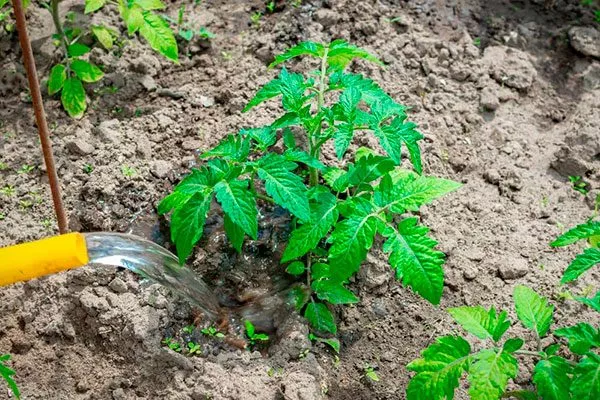
Loosen the soil after each watering to prevent crusting. Cover the beds with hay or peat to retain moisture and suppress weed growth.
Pest and disease control
The hybrid is characterized by strong immunity, but with improper care or unfavorable conditions, problems with infections and insects may arise. It is important to carry out preventative measures and combat these threats promptly to ensure a healthy and high-quality harvest.
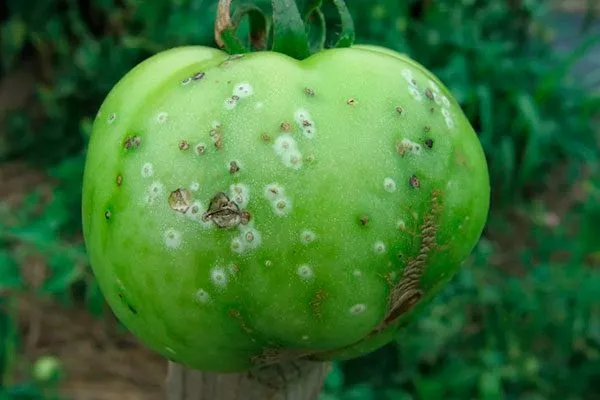
Main diseases and parasites:
- Late blight. It is accompanied by the appearance of dark spots on leaves and fruits and develops with high humidity and temperature fluctuations. Ventilate the greenhouse regularly and treat the plants with Bordeaux mixture or Fitosporin.
- Fusarium. This is manifested by yellowing and wilting of leaves, which can lead to rapid loss of viability of the bushes. Use healthy planting material, cultivate the soil before sowing seeds and planting seedlings, and apply Topsin or Fundazol.
- Cladosporiosis. Brown spots appear on the leaves, gradually spreading upwards. Monitor the humidity in the greenhouse, remove affected areas, and spray the plants with Horus or Quadris fungicides.
- Aphid. Small insects suck the sap from plants, causing leaf deformation and stunted growth. Insecticides such as Aktara or Confidor, as well as a soap solution, will help.
- Spider mite. Due to the pest's activity, the foliage turns yellow and dries out. Webs appear everywhere. Regularly spray the bushes with water to reduce mite numbers, and use acaricides such as Fitoverm or Neoron.
- Colorado beetle. The parasite feeds on leaves and damages their development. Collect the insects by hand, use insecticides or biological products, such as Biotlin.
Although Kohava tomatoes have good resistance to diseases and pests, regular preventative maintenance and attention to plant health will help prevent them and ensure a bountiful harvest.
Pros and cons
It belongs to the tall varieties and is recommended for growing in greenhouses, although some gardeners also cultivate it in open ground. It is resistant to various weather conditions, making it an attractive choice for gardeners.
Many people appreciate this variety for the following advantages:
No significant drawbacks have been identified, but Kokhava is characterized by vigorous bushes that require trellises, support, and regular pinching. This increases labor costs but ultimately ensures maximum yield.
Reviews
Kokhava is a tomato hybrid deservedly prized for its low maintenance and excellent flavor. Its high yield, disease resistance, and weather tolerance make it an ideal choice for greenhouse cultivation. Its firm, tasty tomatoes are perfect for both fresh salads and winter preserves. With proper care, the plant's immunity will be boosted.