
The Sugar-Cranberry tomato has won the hearts of many gardeners thanks to its unique sweet-tart flavor, small size, and rich vitamin content. This variety is ideal for growing throughout almost the entire country and can be planted both outdoors and in greenhouses. A special feature is that it can be planted in pots and grown indoors.
Breeding history and regions
The Aelita agricultural firm, widely known among Russian agricultural specialists, developed the "Cranberry in Sugar" tomato variety. This company produces these seeds.
The following researchers participated in the development:
- M. N. Gulkin;
- V. G. Kachainik;
- N. V. Nastenko.
The selection process began in the early 2000s, and it was only in 2012 that the variety was officially registered in the State Register of Breeding Achievements.
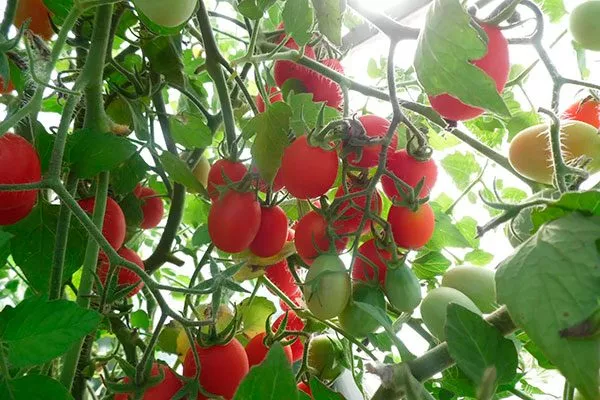
The Sugar-Dipped Cranberry tomato is one of the most popular varieties, cultivated everywhere from the Central Black Earth Region to the Volga-Vyatka, North Caucasus, Lower and Middle Volga regions, as well as the Urals, Siberia, and the Far East.
There are several methods of cultivating this variety:
- in the open garden;
- in greenhouse conditions;
- in large containers on balconies and windowsills;
- in pots outdoors and indoors.
Appearance of bushes
This variety is characterized by determinate growth, so the bushes don't require special training or support. They can reach a height of 60 cm with adequate care. At about 50-55 cm, the last inflorescence forms at the top of the plant, after which the shoots stop growing upward.
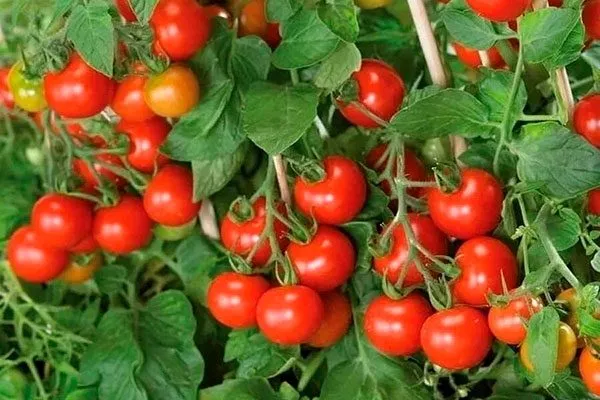
Sugar-coated cranberries are plants with thick, sturdy stems resembling a small tree, lacking lateral branches. Over time, the bush develops a crown with specific characteristics:
- small and sparsely arranged leaves;
- leaf blade with wrinkles and shine;
- the edges of the leaf are decorated with rare and large teeth;
- emerald green foliage;
- inflorescences of a complex type, resembling brushes;
- each inflorescence can contain from 6 to 10 ovaries;
- The first inflorescence is formed above 4-5 leaves, the subsequent ones – every two leaves.
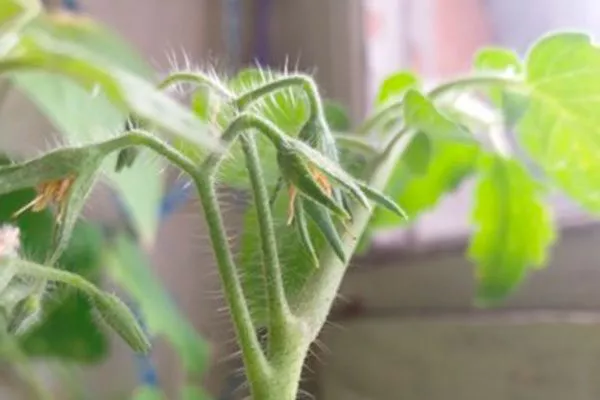
The leaves are not very large, so they don't overshadow the fruit. Thanks to the compact size of the bush, this plant can be grown even on a small windowsill, but it requires staking and training, as with indeterminate varieties.
Description of the Cranberry variety in sugar
The Sugar-Cranberry tomato isn't named for nothing—it has a cranberry-like appearance. Key features of the variety:
- round shape like cranberries;
- Small size – weight does not exceed 12-20 g;
- thickened skin of a bright red hue;
- smooth, shiny surface, not prone to cracking;
- almost all fruits are identical in size;
- after ripening, the dark green spot near the stalk disappears;
- tender, but at the same time dense pulp with medium-thick walls;
- multiple seed chambers with a limited number of seeds;
- sour taste with moderate sugar content - most of the acid is concentrated in the pulp;
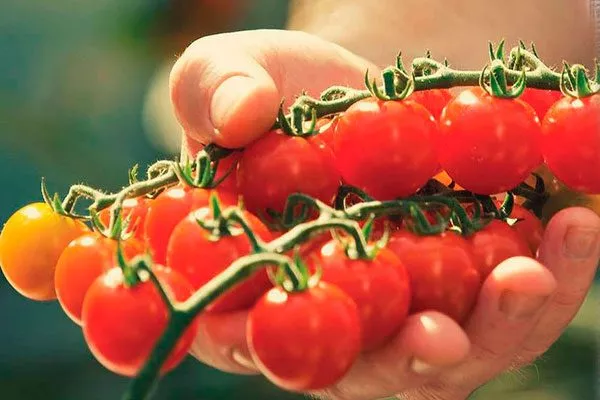
The harvest has increased resistance to transportation and, thanks to the same dense skin, it can be stored in a cool place for up to two weeks.
Main characteristics
Because the skin of these tomatoes is particularly thick, some find it too tough. For this reason, many prefer to preserve this variety rather than eat it raw. They also find the flavor too tart for salads.
Ripening and fruiting, productivity
Ripening periods are stated as relatively short, but the exact time varies. Some varieties reach maturity in 80-90 days, while others see the first harvestable fruits after 100-110 days.
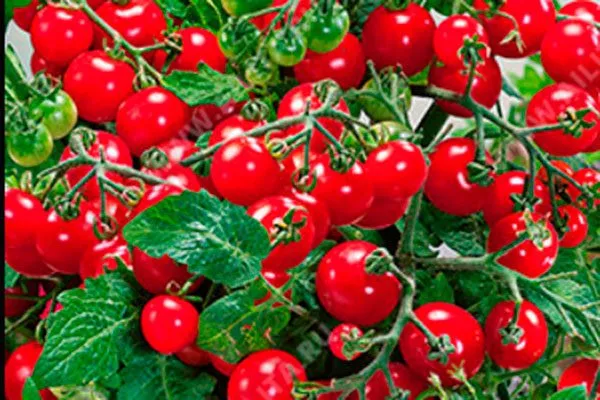
This variety isn't known for its high yields. The maximum yield is 2.3-3 kg per square meter. The productivity of the Sugar Cranberry tomato can be increased by following proper cultivation practices and fertilizing the plants properly.
Scope of use
Not everyone appreciates the tartness of cherry tomatoes, but there are some devoted fans of this variety. Raw tomatoes are rarely eaten as a standalone vegetable; they are more often added to salads and main dishes for garnish. They are sometimes included in vegetable mixes and canned in assorted dishes.
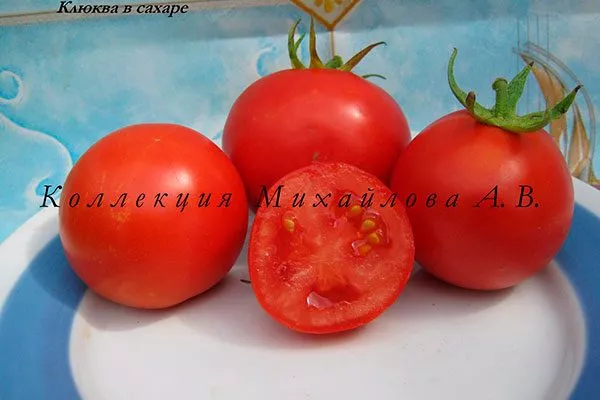
Additional benefits of this variety include its richness in vitamins and microelements. Its main medicinal properties include:
- lowering cholesterol levels;
- stabilization of the cardiovascular system;
- improving digestive functions.
The sour taste of cherry tomatoes is ideal for making sauces and dressings for borscht, but is contraindicated for those with high stomach acidity.
Landing features
Whether tomatoes are grown on a windowsill, in a greenhouse, or directly outdoors, the cultivation methods remain the same. The first priority is preparing the seedlings. Seeds are sown in the second ten days of March.
The "Cranberry in Sugar" tomato can be planted directly in the garden, but this is only possible in the southern regions of Russia. If you live in more northern regions, you'll need to grow the seedlings indoors first and then transplant them outdoors.
Preparing seeds, containers and soil
To increase the likelihood of germination, it is recommended to soak the seeds in a special stimulant. During the soaking process, discard any seeds that float to the surface and keep those that sink to the bottom.
It's important to select containers of the appropriate size. The container's capacity is determined by the conditions in which the planting will take place:
- When growing on a balcony, it is recommended to sow the seeds directly into separate and permanent pots to avoid problems with transplanting later;
- If the seedlings are subsequently moved to open ground, it is permissible to sow them in one common container, which will make it easier to care for the young plants;
- Many experienced gardeners choose peat pots or cassettes, as their shell decomposes in the soil, further enriching it and nourishing the seedlings.
Next, you need to prepare a substrate, which includes the following components in equal proportions:
- humus;
- turf;
- peat.
Before sowing, it is recommended to warm the container in the oven or pour it with a concentrated solution of potassium permanganate to destroy possible microbes, which will help increase the resistance of the seedlings.
Sowing and caring for seedlings
To protect tomatoes from diseases, it's recommended to add 10-15 g of activated carbon to 1 kg of soil mixture. After this, you can begin planting. The process is as follows:
- Take containers 6 to 8 cm deep, thoroughly clean them of germs, and fill them with the treated substrate. Choose a suitable method to disinfect the soil: you can freeze it or steam it.
- Spread the soil over the container and moisten slightly.
- Make small grooves 2 cm deep and place the seeds in them at a distance of 5 cm between them.
- Sprinkle the planted seeds with a thin layer of peat or sand.
- Water them with fresh water using a spray bottle.
- Cover the containers with cling film and place in a dark place at a temperature of 24-28 degrees.
- ✓ Optimum soil temperature for planting seeds: +24-28°C.
- ✓ Required seed planting depth: 2 cm.
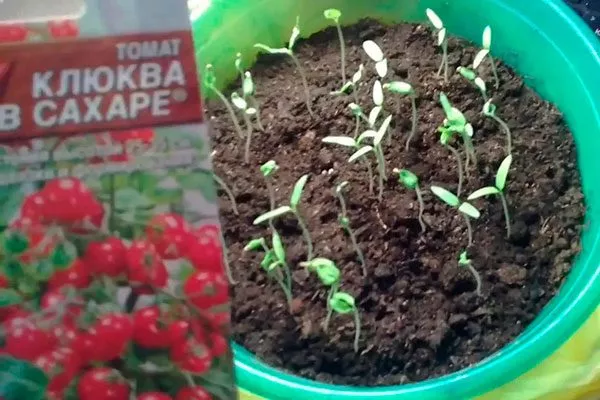
To prevent condensation, remove the covering for 10-15 minutes daily. Remember to keep the soil consistently moist.
Rules for growing seeds posts:
- when the first green shoots appear, move the containers to a light and warm place, for example, to a windowsill where the sun shines from the south;
- After two pairs of leaves have formed, carefully transplant them into individual cups;
- four days after picking, apply universal fertilizer;
- water once or twice a week;
- Two to three weeks before transplanting into open ground, begin hardening off the seedlings by taking them outside for a short period of time. This will strengthen the young shoots' immunity and allow them to better withstand changing weather conditions.
If night temperatures do not drop below +10 degrees Celsius, seedlings can be left outside around the clock.
Optimal conditions for further cultivation
To successfully grow sugar-coated cranberries, you need to select a permanent location with sufficient sunlight and protection from cool gusts of wind. If you're planting tomatoes in containers, a balcony or windowsill facing east or southeast is ideal.
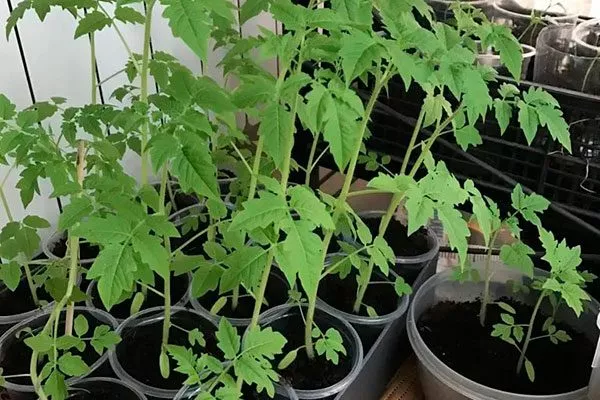
Good predecessors for Sugar Cranberries are plants that are not nightshade crops. The problem is that the previous planting bed may contain bacteria and microorganisms that can cause tomato diseases.
To achieve a decent harvest, use fertile soil. Thoroughly dug soil enriched with organic and mineral components is ideal. Before planting, cultivate the soil by adding:
- peat;
- compost;
- good quality manure;
- mineral preparations.
Transplantation into the ground and greenhouse
In May, 50-60 days after sowing the seeds, you can begin planting the seedlings in the garden or greenhouse. For the tomatoes to take root easily, the soil should warm up to 10-12°C, and the outside air temperature should be above 15-17°C.
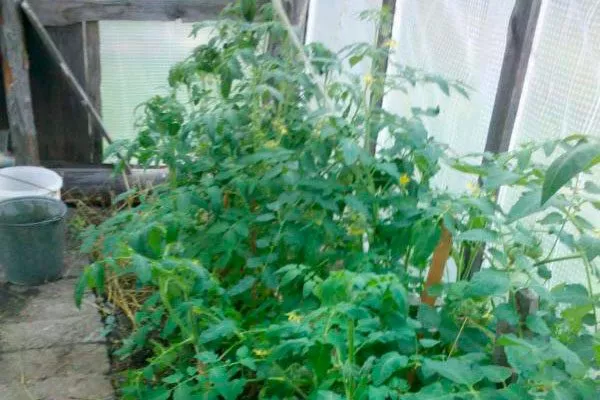
Before planting, plants should be treated with a solution of boric acid, which reduces stress (0.5 g of acid per 500 ml of water).
Nuances:
- 5 plants are planted per 1 sq. m at intervals of at least 30 cm: one in the center and four in the corners;
- the best time for work is considered to be evening or a warm cloudy day;
- The soil in the pot is moistened 3-4 hours before planting.
Transplanting cranberries in sugar:
- Dig holes in the soil 6-10 cm deep and fill the bottom with wood shavings.
- Place the seedling and add the soil mixture. It's important to position the root collar correctly—to the level of the first leaves—and firmly pack the soil around it.
- Water the Sugared Cranberries with 2 liters of water per bush and cover with mulch.
During the first 4-5 days after transplanting, daily watering is necessary, and after a week, the soil between the rows should be loosened to a depth of 5 cm.
The intricacies of growing in an apartment
To grow this variety directly on a balcony or windowsill, each plant will require a spacious pot with a minimum capacity of 5-6 liters. Growing tomatoes indoors requires special attention and effort, as they are more susceptible to various diseases. However, with proper care, you can enjoy a harvest year-round.
Subtleties and recommendations:
- During the period before the flowers bloom, it is necessary to turn the plant every 4-5 days to ensure uniform growth of the bush.
- The best location for an indoor vegetable garden is a window facing south, southeast, or southwest. If natural light is insufficient, artificial lighting will have to be used, such as fluorescent lamps or grow lights, installed at least 25 cm above the top of the plant. Extending daylight hours to 14-15 hours is recommended.
- It's important to pollinate the buds by hand. To do this, gently shake the plants several times a day. Alternatively, you can use a soft brush or feather to transfer pollen from one flower to another.
- Tomatoes grown indoors should be watered with room-temperature water every 3-4 days. It's important to maintain soil moisture to prevent it from drying out.
- To prevent fungal infections, plants are sprayed with a weak solution of potassium permanganate once every two weeks.
Agricultural technology
Tomatoes are surprisingly easy to care for, which appeals to many gardeners willing to sacrifice average yields and a more tart flavor. However, some attention is required.
Sugar-coated cranberries are a natural variety, which allows the seeds from ripened fruits to be used for planting in subsequent years after simple preparation procedures.
Watering and fertilizing
The basic rules of care for this tomato variety include standard procedures.
Watering
This plant requires moisture. For artificial watering, use water that has been settled for several days, and do this early in the morning or after sunset. Using cold water can cause the plant to stunt growth and fail to produce fruit.
Underdeveloped roots absorb water more slowly than taller varieties. To prevent overwatering, it's important to ensure regular watering:
- one bush requires about 2 liters of liquid;
- frequency of watering – every five days;
- During the period of budding and ripening of fruits, the dosage should be increased to 10 liters of water twice a week.
Top dressing
Supplementing with organic and mineral fertilizers will increase yields and promote better plant development. These fertilizers should contain a full range of essential micronutrients. The recommended fertilizing schedule for Sugar-Coated Cranberries is independent of growing conditions:
- first (liquefied manure + nitroammophoska) - two weeks after transplantation;
- second (any organic matter + potassium sulfate) – one month after transplanting the seedlings;
- third (organic + mineral complex) – during harvest.
| Type of feeding | Compound | Periodicity |
|---|---|---|
| First | Liquefied manure + nitroammophoska | Two weeks after transplantation |
| Second | Any organic matter + potassium sulfate | A month after transplanting the seedlings |
| Third | Organic + mineral complex | During harvest |
Pinching out and tying up
This tomato variety doesn't require frequent pruning, but it's sometimes advisable to do a light pruning of the bush, removing excess leaves that interfere with its development, as well as any extra shoots. Particular attention should be paid to dry green matter, which should not be present on the plant. In greenhouses and pots, only the lower and more mature leaf blades are pruned.
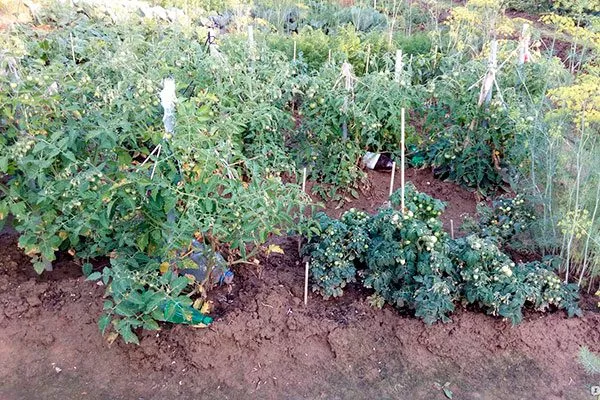
Due to the small size of the Sugar Cranberry variety's fruits, the bushes don't need support, especially if grown in a garden bed or on a balcony. When grown in a greenhouse, the plants are tied to prevent them from spreading and to create more space.
Formation and other things
For maximum fertility, follow these simple steps:
- Bush shaping. This approach isn't necessary for this bush, which has a central trunk, as it can form two or three stems on its own. The main task involves periodically removing yellowing leaves and young shoots at the base of the plant.
- Soil loosening. To ensure optimal growing conditions for tomatoes, it's important to monitor the soil around the plant. Too dense a crust can prevent water and oxygen from reaching the plant's roots. Therefore, it's recommended to loosen the soil after each watering or rainfall.
- Root protection. It's recommended to lay a 5 to 8 cm layer of straw or wood waste around the root zone. This will help protect the surface root shoots from overheating, reduce moisture loss due to evaporation, and make plant maintenance easier. It also prevents the growth of weeds, which can rob the tomatoes of nutrients.
Diseases, pests and prevention
The manufacturer does not provide specific data on the variety's resistance to various diseases and pests. Information on the resistance of Sugar Cranberry is based on numerous gardener reviews. They confirm that this variety has significant resistance to a wide range of diseases affecting nightshade crops.
Peculiarities:
- early ripening helps plants avoid damage by late blight and fusarium;
- The main danger is tobacco mosaic virus, for the treatment of which there are no effective methods yet;
- Among insects, the main pests are aphids and spider mites.
To minimize the risk of damage, it's essential to thoroughly prepare the soil before planting seeds and seedlings. Key methods for preventing the spread of diseases and pests include:
- using crop rotation or changing the planting pattern on the site;
- regular and proper soil moistening;
- periodic use of fungicides, insecticides;
- control of temperature and humidity in the greenhouse.
To protect garden crops from pests, many gardeners recommend preparing products that include the following ingredients:
- orange or lemon zest;
- onion and garlic peels;
- tobacco ash.
These solutions can protect tomato plants against small infestations of pests, but only if applied every 2-3 days. Regular spraying with an aqueous ammonia solution will help get rid of slugs, which often visit nightshade crops and damage leaves and stems.
Gardeners recommend protecting healthy bushes from infections and insects by spraying them 2-3 times per season with any fungicide. A similar effect can be achieved using copper sulfate and Bordeaux mixture.
Pros and cons
Sugar-coated cranberry bushes are remarkably tolerant of temperature fluctuations, without slowing down the growth and ripening of the fruit. Other advantages of this variety include:
Reviews
Sugar-Coated Cranberry is an early-ripening variety suitable for both experienced and novice gardeners. It is versatile and can produce fruit in a variety of conditions: outdoors, in a greenhouse, on a balcony, and on a windowsill. Cultivation techniques are the same as for other tomato varieties.