
The Klusha tomato is one of the best varieties developed by Russian breeders. It is popular with gardeners due to its compact bush size, early ripening, and excellent, tasty fruit. Many gardeners remark on the uniqueness of the large number of tomatoes produced on a single plant.
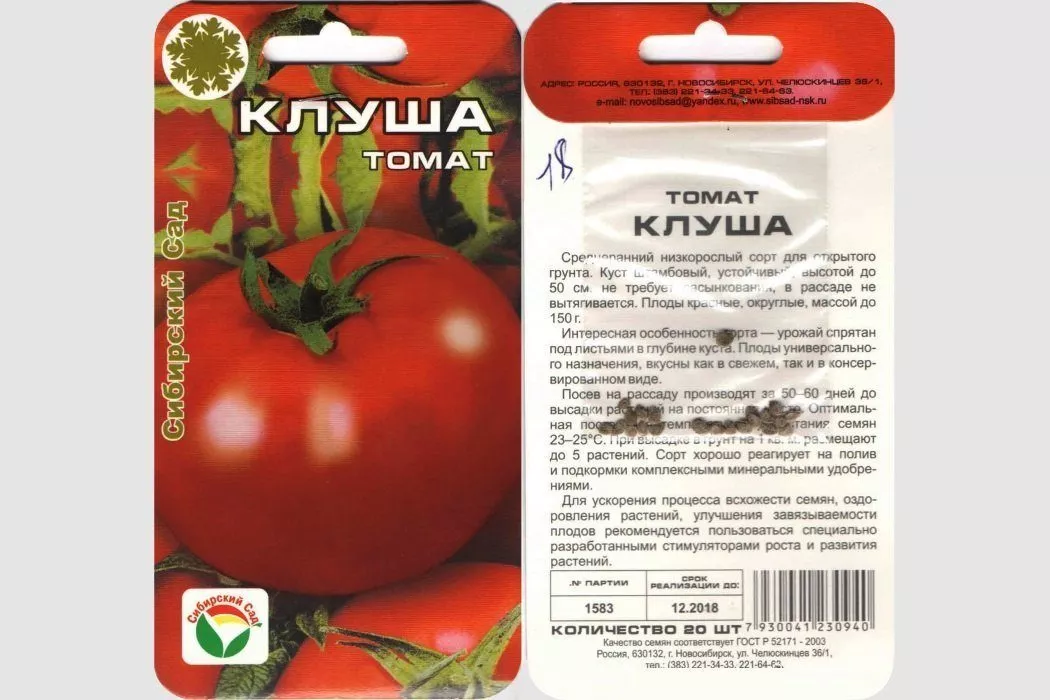
Tomato seeds Klusha
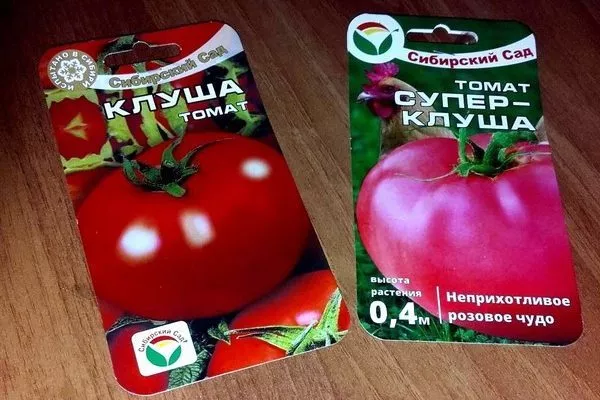
There's a similar variety called Superklusha. It differs from Klusha in that its fruits are pink and larger (they can weigh up to 250 g), the bush itself is slightly shorter, and it's frost-resistant.
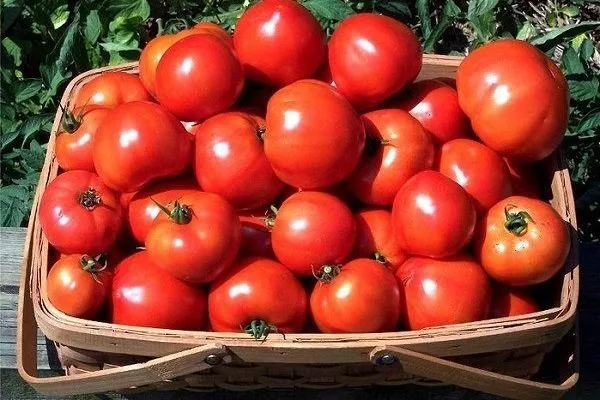
Harvest of Klusha tomato variety
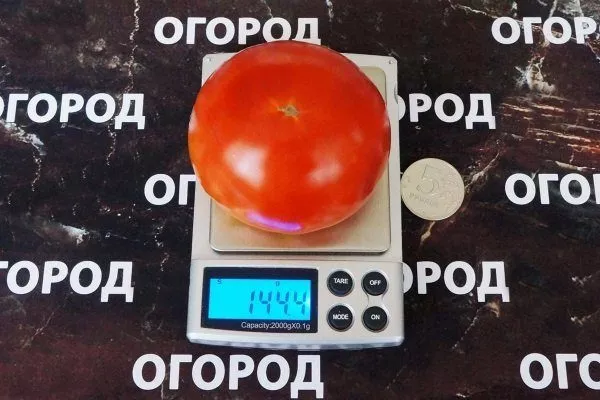
Weighing the Klusha tomato
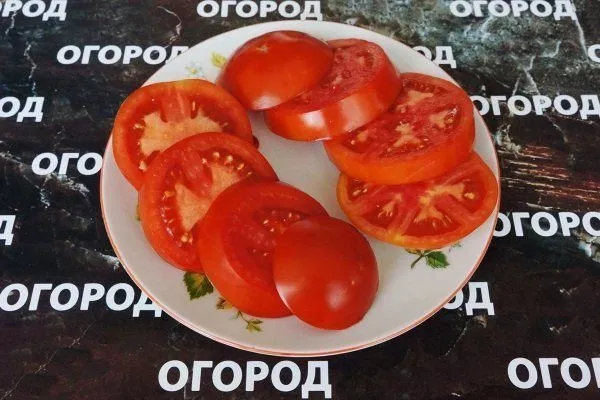
A cross-section of the Klusha tomato variety
History of the variety's origin
Klusha is a young variety, developed in Novosibirsk in 2006; its standard was added to the state register three years later. The scientists responsible for developing the variety are V.N. Dederko and T.N. Postnikova. The plant can be grown outdoors throughout Russia, even in the Siberian region.
Characteristics and description of Klusha tomatoes
The bushes are small in size. With proper care, you can get approximately 2 kg of fruit per plant.
Appearance
It is a low-growing shrub, reaching a maximum height of 0.5 m. Its growth is limited; it reaches a certain point and then stops growing. Plants have strong, long stems and dense foliage that almost completely cover the fruit. Many fans of this variety grow it on their windowsills.
Description of fruits
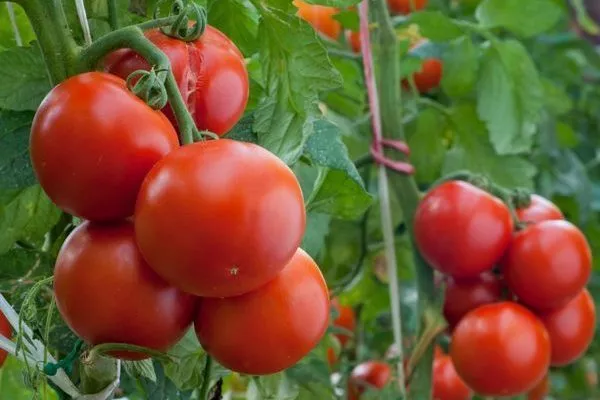
The fruits are very close together, with about seven on a cluster, like hen-like hens, hence the variety's name. The tomatoes are round, but slightly flattened. They are green when unripe and red when ripe. Each fruit is identical, so the average weight is 120 g. The fruits don't crack, and the flesh is not too dense, making them easy to transport.
Productivity
A single plant often yields no more than 2 kg of fruit. One square meter can yield about 12 kg of ripe fruit. Some gardeners increase their yields through simple agricultural practices. For example, you can grow plants in 2-4 stems.
Application of fruits
Klusha tomatoes are versatile in their uses. They are often used in fresh salads or added to prepared dishes. The harvest from this variety is suitable for canning. The fruit's thick skin helps prevent cracking during cooking.
Tomatoes are not very large and have thick skins, making them suitable for drying. Many home cooks find this method effective. However, to dry the tomatoes, you'll need an electric dehydrator.
Resistance to diseases and pests
Tomatoes have a strong immune system and are resistant to viruses and pests. To maintain their health, preventative measures are necessary, including:
- Pull out weeds in time.
- Do not water frequently.
- Don't overdo it with fertilizers.
- Loosen the soil regularly.
Late blight poses the greatest threat to tomatoes. It often appears in mid- to late summer, while the fruit develops in June. The Colorado potato beetle is considered the most dangerous of all insects.
Advantages and disadvantages
Tomatoes, like other varieties of crops, have both advantages and disadvantages, which should be taken into account when planting and caring for them.
Advantages of the variety:
- high productivity of bushes;
- versatility of fruit use;
- cold resistance;
- compactness of plants;
- there is no need to get rid of stepchildren;
- strong immunity.
The main disadvantage is the very short shelf life of the fruits.
The video below will tell you about ripening Klusha tomatoes in open ground and provides growing recommendations:
Features of planting and growing
Belongs to the undemanding species, the variety is suitable for those gardeners who cannot devote sufficient time to gardening.
- ✓ The optimal soil temperature for sowing seeds should be at least +15°C.
- ✓ The distance between plants when planting in the ground should be at least 40 cm to ensure sufficient air flow.
Seed preparation
The seed material is placed in the ground at the beginning of spring; by this time the seeds are prepared.
How to properly prepare seed material:
- The germination rate of seedlings depends directly on sorting. First, carefully inspect the seeds for damage and remove any suspicious seeds.
- Place the planting material in a salt solution. Any bad seeds will rise to the top; remove them. Rinse the settled ones with clean water.
- Soak tomato plants in a 1% potassium permanganate solution for about 15 minutes. Aloe vera juice can be used in addition to this solution. In addition to its beneficial effects, aloe vera is considered a growth stimulant.
- The final stage is germination. The seeds are placed between two layers of damp cheesecloth and kept moist. The tomato seeds are sprayed with water periodically until the sprouts form.
Sowing seeds
As soon as the seeds have sprouted, they are immediately planted in the soil. By this point, the pots with soil should already be ready.
Plant the seeds according to the following pattern:
- on the surface of the soil, use your finger to make grooves about 10 mm deep;
- keep a distance of about 20 mm between rows;
- leave a distance of 30 mm between seeds;
- Cover the grains with soil and water.
Watch this video to learn how to sow seeds without soil. This method allows you to test seed germination and select the best and strongest seedlings for planting early:
Caring for seedlings
The seedling pots are covered with plastic film and kept at a temperature of 25 degrees Celsius. Once the seedlings emerge, the film is removed and the plants are provided with good light.
To ensure strong seedlings, they need to be fertilized. More about this can be found here. here.
Picking
As soon as 3-4 true leaves appear on the sprouts, you can carry out a picking, meaning transplanting the plants into individual containers. Peat cups or cut-up juice cartons can be used. The seedling is transplanted along with the root ball; after transplanting, the planting should be slightly shaded.
Once the seedlings have rooted, the pots are moved to sunny areas for further growth. Seedlings ready for transplanting into open ground should have 8 mm stems and be at least 0.2 m tall.
Choosing a location for planting tomatoes
The best time to transplant into a greenhouse is mid- to late April. Transplant into open ground a month later. The timing of transplanting depends directly on the region where the seedlings emerge.
It is better to plant seedlings in the evening.
The area should be open and well-lit. Tomatoes need plenty of sunlight, otherwise the fruits will grow dull and too sour.
Soil preparation
Place 300 g of compost, 50 g of wood ash, and turf soil into each hole. If you're preparing the holes a couple of days in advance, water them with a 1:5 solution of mullein and water.
The seedlings are planted in holes: 6 plants per 1 square meter. The hole size is 25x25x25 cm.
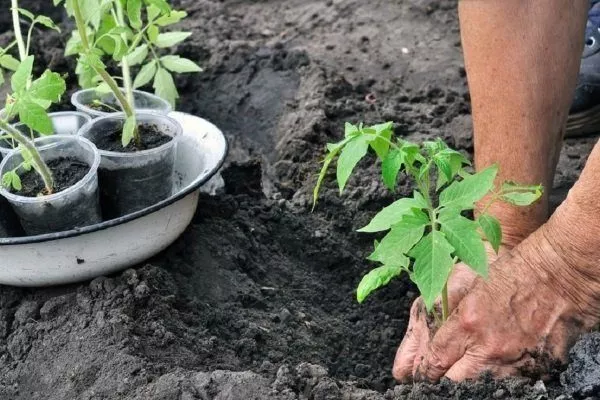
Transplanting seedlings into the ground
Before planting, be sure to pour half a bucket of water into the holes. Don't plant the seedlings too deep, otherwise the bushes won't grow tall, and the buds will touch the soil surface.
Water as the soil dries out. Water early in the morning or late in the evening, as daytime can burn the plants. Avoid pouring water on the leaves, as this can increase the risk of fungus.
To ensure good growth, the area around tomato trees needs to be weeded and loosened. This is done immediately after each watering to ensure adequate oxygenation of the roots.
Proper weed control will also benefit tomato growth. Weeds create unnecessary shade around the plants and draw nutrients from the soil that tomatoes need.
To ensure the highest possible yield in the future, thinning should be carried out, leaving 2-4 stems on the plant.
The first feeding is carried out 14 days after transplanting the seedlings into open ground. For this purpose, it is best to use nitroammophos fertilizer, which consists of one matchbox of the fertilizer and 10 liters of water.
- First feeding: 14 days after planting in the ground, using nitroammophos fertilizer.
- Second feeding: during the flowering period, with potassium-phosphorus fertilizers.
- Third feeding: at the beginning of fruiting, with organic fertilizers.
Caring for mature tomatoes
Without proper care, tomatoes won't produce healthy and tasty fruit. The first thing to pay attention to is the air temperature. Experienced gardeners believe that the ideal temperature is 25 degrees Celsius during the day and 15 degrees Celsius at night.
If these temperature limits are violated, the plant stops growing or even ceases to develop.
Trimming
Klusha tomato bushes don't require pruning. However, to improve airflow, you can trim back some of the upper foliage. This type of pruning is performed when the plant is fully formed, with a crown forming at the top, and fruit has begun to set. This should be done early in the morning so that the sun has time to heal the wounds by evening.
Watering and mulching
Tomatoes don't require a lot of water. For the first 14 days after planting, don't water the plants at all; this will help the plants establish roots more quickly. After that, water them once every 3-10 days, depending on the size of the plant and weather conditions.
You can immediately mulch the tree trunk area with straw; this will greatly simplify future maintenance. Mulching helps:
- improve oxygen supply to the roots;
- increase the time between waterings;
- reduce the amount of weeds;
- protect tomatoes from rotting if they suddenly fall onto the ground.
Top dressing
If all the necessary nutrients were added to the hole at the time of planting, the plant will not need any other fertilizers.
Prevention of diseases and pests
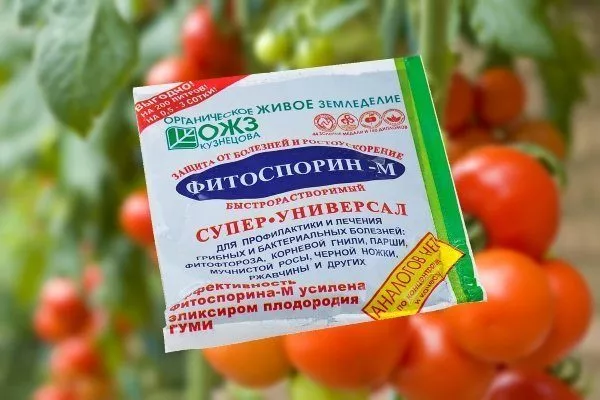
Biofungicides can be used to protect plants from fungal diseases, but this is not necessary. Fitisporin is considered the most effective. In addition to its antifungal action, it also provides foliar fertilizer, improving and strengthening the health of tomatoes.
The product does not cause any problems, so it can be used repeatedly, even during the harvesting of fruits, because it is considered absolutely safe for all living beings.
Reviews of the Klusha tomato variety
Gardeners love Klusha tomatoes because they're easy to grow and require little maintenance. They're distinguished by their early ripening period, good transportability, and excellent flavor.