
The Kiwi tomato is a hybrid ideal for growing outdoors and in greenhouses. It is characterized by compact bushes and good disease resistance. The red tomatoes are medium-sized and rich in flavor, making them an excellent choice for fresh salads. The variety easily tolerates a wide range of climates.
Origin of the variety, description of the bush and fruits
Breeders are constantly developing new tomato varieties, striving to improve their flavor and other qualities. Among these experimental varieties are so-called green varieties. One such unusual tomato was developed by Siberian breeders.
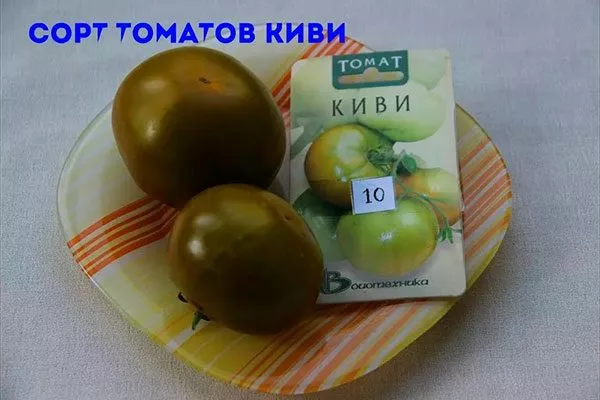
There's no detailed information about the Kiwi's creators, as the variety itself remains little known. However, the experts' efforts have paid off – the plants are successfully grown in many garden plots, and gardeners are already sharing their feedback.
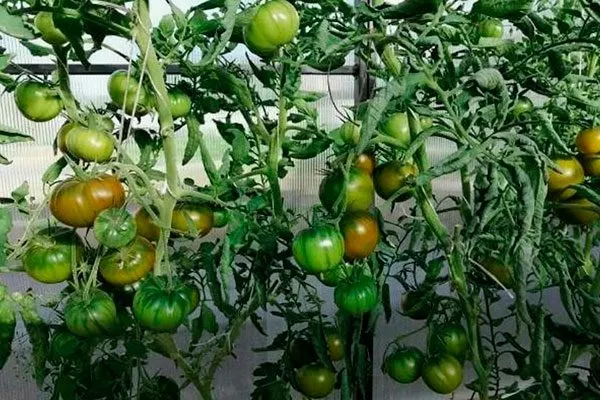
Distinctive features:
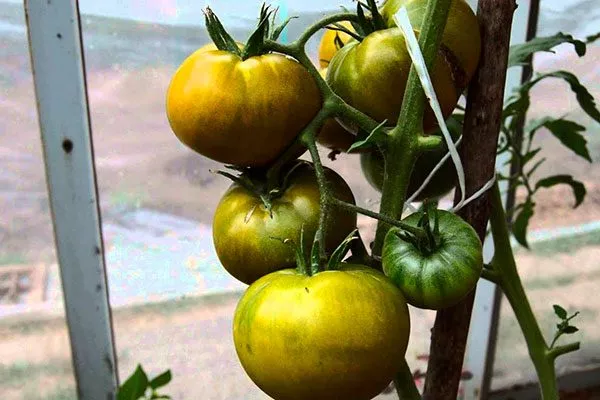
- It's an indeterminate variety. The bushes are medium-height: in open ground they reach 80-100 cm, and in a greenhouse they grow up to 1.5 m.
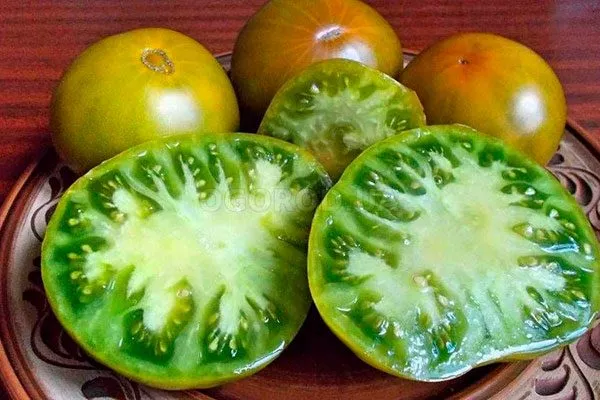
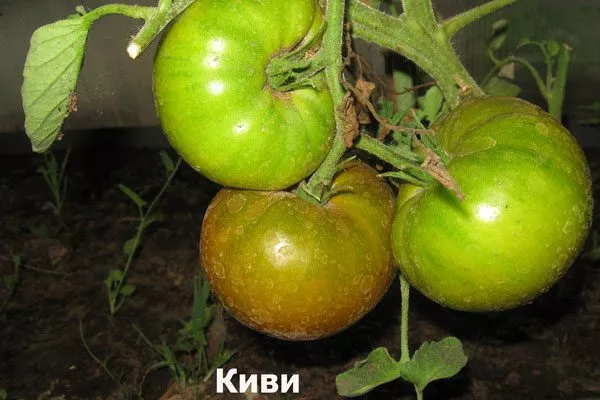
- The tomatoes are oval-shaped, fleshy, and seed-rich. They weigh between 260 and 300 g.
- The flavor is sweet with a fruity tartness. Tomatoes are quite soft and don't store well, so for long-lasting freshness, it's best to pick them at the technically ripe stage.
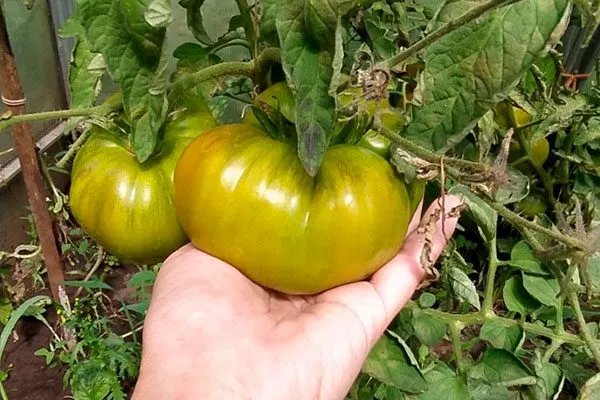
Main characteristics
Kiwi is an unusual variety that attracts gardeners who enjoy experimenting with different types of tomatoes and other crops. Its exotic appearance often draws increased interest, but its main value is its excellent taste, which has earned it a popularity among gardeners.
Ripening time and yield
This is a mid-season tomato, with a ripening period of approximately 110 days. Harvesting begins between July and September, depending on the region's climate.
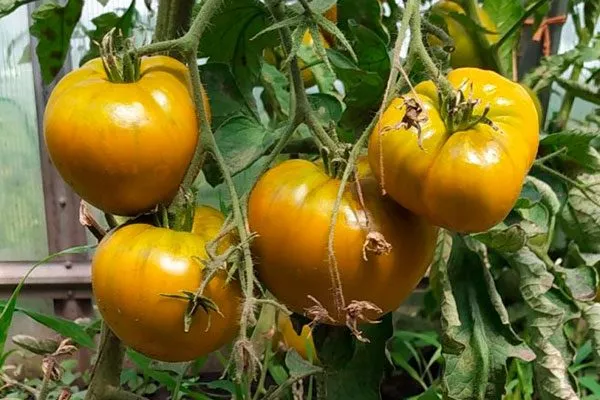
Temperature affects the color of the flesh: in hot weather, a slight yellowish tint is acceptable, while redness indicates overripeness. One square meter of planting can yield up to 12-13 kg of green tomatoes.
Scope of application of fruits, storage
Kiwi tomatoes are rich in vitamins, fiber, and other beneficial nutrients. They are suitable for consumption:
- fresh and canned (unripe fruits);
- in salads;
- in juices and sauces.
Harvest carefully, as tomatoes are fragile and easily damaged. Even a small bruise significantly reduces their shelf life. The optimal time for harvesting is when they are technically ripe, before they are fully ripe.
Chemical composition and caloric content
Tomatoes are rich in ascorbic acid, which strengthens the immune system and reduces the effects of microbes and viruses. Kiwis contain tocopherol and vitamin A, a deficiency of which leads to brittle nails and split ends.
Folic acid is involved in important bodily processes, while pyridoxine helps calm the nervous system and improves protein absorption. The fruits contain small amounts of vitamins B1, B2, and B3-B5.
The juicy pulp of tomatoes contains minerals, including:
- iron and zinc;
- phosphorus and sodium;
- potassium and chlorine.
Main action:
- sulfur – plays the role of an antioxidant;
- calcium – reduces inflammation and strengthens bones;
- magnesium – has a beneficial effect on the functioning of the heart;
- iodine - regulates hormone synthesis, maintaining thyroid health;
- manganese – accelerates wound healing and tissue regeneration;
- molybdenum – contained in the peel and pulp, promotes the development of cells of the respiratory system.
Kiwi fruits are rich in:
- fiber;
- proteins;
- sugars;
- flavonoids.
100 g contains just over 60 kcal, but this amount is enough to cover the daily requirement of ascorbic acid and 1/4 of the potassium requirement.
Resistance to diseases and pests
Kiwi has a comprehensive immunity to most nightshade diseases. Preventative fungicide spraying 2-3 times per season is sufficient to maintain plant health. However, pests pose a significant threat.
In open ground, the main threat is whitefly, while in greenhouses, slugs often damage plants. Aphids and spider mites are also highly likely, so insecticide treatments will be necessary.
Resistance to adverse weather conditions, regions
Tomatoes are resistant to cracking even in high humidity. The plants tolerate drought well and don't require protection during short-term frosts.
- The variety is well adapted to growing in cold regions, so it is successfully cultivated in Siberia and the Urals.
- In closed ground, the bushes grow well in the Leningrad and Moscow regions, as well as in Bryansk and Orel.
- In the southern regions and the Middle Volga region, planting in open ground is possible.
Landing features
Tomatoes grow successfully even in unstable climates and cool summers, provided basic agricultural recommendations are followed. It's important to adhere to certain requirements.
Growing conditions
Like most tomatoes, kiwi is grown from seedlings. Sowing times depend on the region's climate. Typically, this occurs in early to mid-March, but for some regions, the optimal time is between the 1st and 10th of March.
Tomatoes can be planted in a variety of conditions. They will produce well if the location is chosen correctly. It's important to maintain proper spacing between plants to avoid reducing yield.
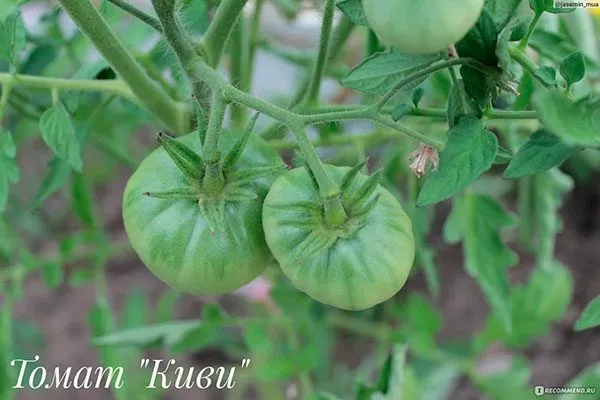
This variety ripens quite early and is deservedly considered one of the best, as evidenced by numerous positive reviews. The fruits undergo three stages of ripening:
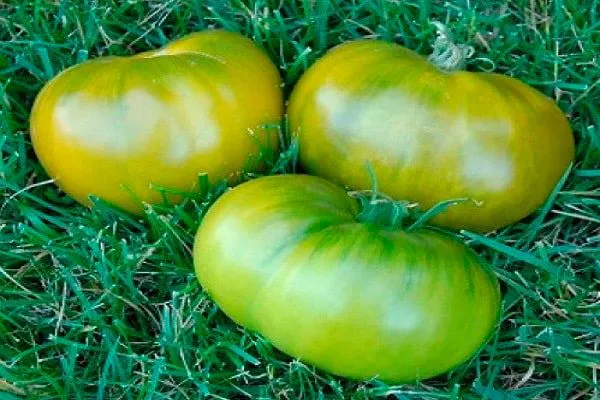
- not fully ripe – emerald green;
- mature – with a yellow tint;
- overripe – painted in red tone.
The recommended spacing is no more than 3 plants per square meter. Proper planting and care will ensure a good harvest, large and tasty fruits, and excellent ripening of tomatoes.
Capacity
Depending on their capabilities and preferences, gardeners use a variety of seedling containers—both store-bought and homemade—from scrap materials. The most commonly used are:
- plastic or wooden boxes;
- food packaging;
- disposable cups;
- cassettes with individual cells;
- peat tablets and pots.
The optimal container size is 10x10 cm. Regardless of the container chosen, it should have drainage holes in the bottom to prevent root rot.
Planting material
Agricultural experts recommend purchasing seeds from reputable producers to ensure high germination rates and a guaranteed good harvest. However, experienced gardeners often select seeds from fruits grown in their own plots for subsequent sowing.
Prepare the seed material in advance:
- Pour the seeds onto cheesecloth folded in several layers.
- Wrap the cloth and place it in a bowl.
- Fill with growth activator (for example, Agat or Epin) according to the instructions.
- Leave for 10 hours.
- Remove and lay out to dry on a paper towel.
Priming
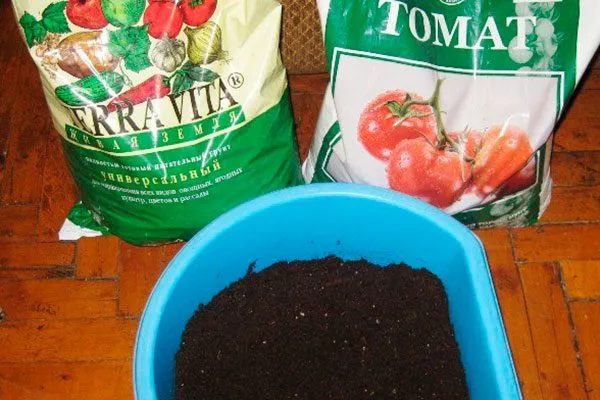
For individual seedlings, use commercial potting soil. Many gardeners prefer to prepare their own soil mixture. To do this, combine the following components in equal parts:
- peat;
- river sand;
- turf soil.
Before mixing, sift all ingredients, remove weeds, roots and debris, then mix thoroughly in a deep container and leave for a while.
For open beds, choose well-lit areas, protected from the shade of fences and tall trees. Before sowing, dig the soil and add fertilizer, wood ash, compost, and manure. Avoid planting tomatoes in areas where the following were grown last year:
- potato;
- eggplants;
- pepper;
- physalis;
- onion.
Sowing and growing
Place drainage material at the bottom, then fill with soil, level, loosen, and moisten with water. Leave until the liquid is completely absorbed. Next, follow these steps:
- Make grooves on the surface at a distance of 3 cm from each other.
- Using tweezers or a stick, carefully place the seeds to a depth of 1 cm, keeping a gap of 2-3 cm between them.
- Sprinkle a 1-1.5 cm layer of soil on top.
When sowing in individual forms, adhere to the following requirements:
- Fill with drainage and substrate, water, leave for half an hour.
- Place 2-3 seeds in each container and lightly sprinkle with soil.
- Spray warm water with a spray bottle.
- Cover with plastic wrap or glass and place in a warm room. Avoid placing on windowsills, as direct sunlight can damage the germinating seeds.
Before planting the seedlings in a permanent location, they will grow in pots for 55-60 days.
Picking
Seedlings sown in boxes should be transplanted into larger individual containers. Perform this procedure carefully to avoid damaging the root system, as this will affect the subsequent growth and development of the plants.
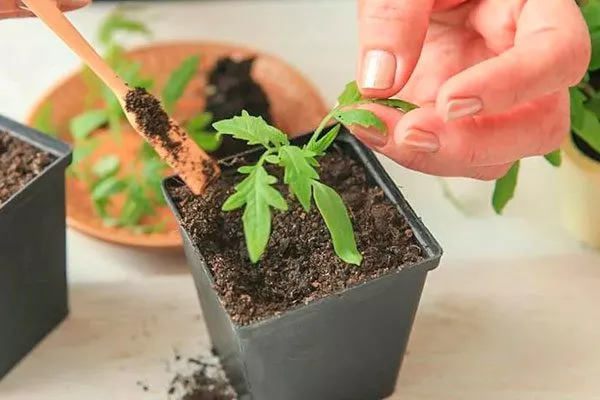
Helpful tips:
- The optimal time for picking is When the second true leaf begins to form after the first (excluding cotyledons). This usually occurs 10-15 days after germination, but the timing can vary depending on growing conditions.
- Temperature conditions for picking – +18-20°C.
- Additional lighting – To ensure full development of sprouts, install fluorescent lamps, especially in the evening and at night.
If the seedlings were initially planted in individual forms, then after 55-60 days, at the end of the second ten days of May, plant them directly into the garden bed without picking.
Planting in a permanent location
Before planting in the greenhouse, carefully prepare the soil. Place tomato seedlings in holes measuring 50x50 cm. Some gardeners plant two plants in each hole, but there should be no more than three plants per square meter.
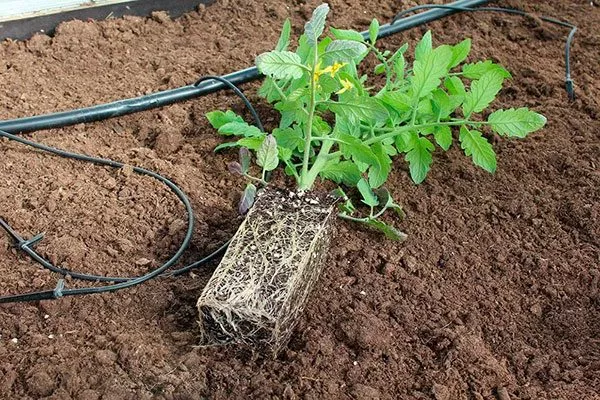
If you decide to plant tomatoes outdoors early, for example, in early May, cover them with plastic or spunbond. Remove the cover when the weather has been consistently warm for several days. Fruit set begins at an average air temperature of 17°C.
Further care of tomatoes
Kiwi doesn't require frequent watering. Usually, watering the soil once every 3-7 days is sufficient, unless there's a drought or extreme heat. Otherwise, increase watering.
Regular fertilizing is also important. To do this, use fertilizers according to the manufacturer's recommendations:
- when planting seedlings – add 20 g of phosphorus-potassium mixture to each hole;
- before and after flowering – add nitrogen complexes, then Agricola or Kemira;
- for the formation of fruits – use magnesium sulfate;
- at the stage of maturation – Superphosphate and potassium salts are effective.
Soil maintenance is an important agricultural practice. Tilling improves the soil structure, allowing oxygen to reach the roots and preventing crusting after watering. Weeding helps eliminate weeds that compete with plants for water and nutrients.
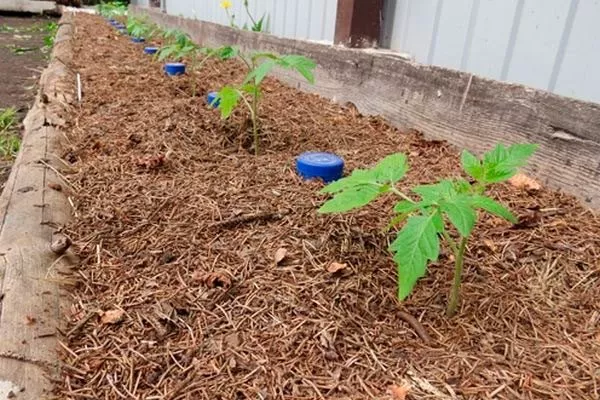
Mulching retains moisture, protects roots from overheating, and reduces weeds. Use hay, straw, grass clippings, or agrofibre. To increase yield, remove excess shoots. Flower clusters begin to form approximately two weeks after planting.
Helpful tips for a good harvest
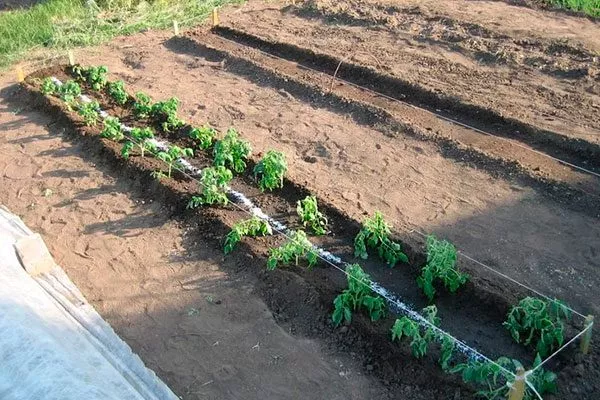
Tomatoes prefer warmth. The optimal temperature for seed germination is 20–25°C, and for fruit set, no lower than 17°C. At lower temperatures, plant growth and development slow down.
Important points:
- The plant is fairly drought-tolerant, but overwatering can cause death. Water the plants as the soil dries out.
- This variety requires fertilizer. Potassium and phosphorus improve the quality of the vegetables, while excess nitrogen slows tomato development but stimulates foliage growth.
- The bushes grow best in soil previously used for growing cabbage or cucumbers. Adding wood ash and superphosphate to the soil is helpful. Use containers with drainage holes for seedlings.
After germination, transplant the seedlings into individual pots. This promotes better root development and increases the seedlings' stability, ensuring a good harvest.
Pest and disease control
Folk remedies are effective for disease prevention. For example, alternate a baking soda solution (90 g per 10 liters of water) with Furacilin (10 tablets per 10 liters of liquid). Experienced gardeners recommend the specialized preparation Fitosporin-M – it can be used even during fruit ripening.
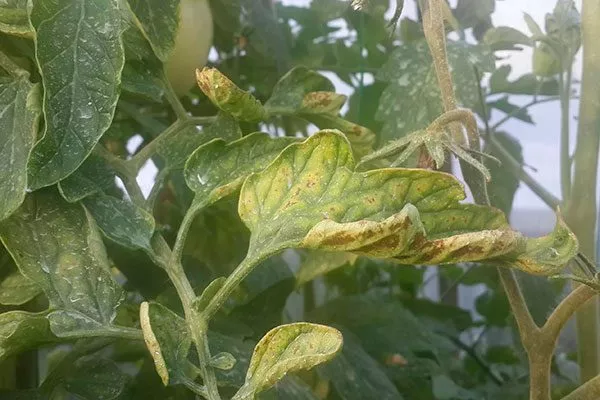
Start pest control early, too. A soapy solution or a mixture of vinegar and ammonia (add 40-60 ml of each to 10 liters of water) will help. If insects have already appeared, spray the bushes with Fitoverm.
Pros and cons
Carefully review the advantages and disadvantages of culture.
Tomatoes of this variety are not usually used for canning whole, but some housewives pickle unripe vegetables in slices or prepare juices and sauces from them.
Reviews
The Kiwi tomato is an unusual variety with large, fleshy fruits and a rich flavor. It's resistant to adverse conditions but requires a sunny spot and proper care. It's suitable for fresh eating, sauces, and preserves. Despite the softness of the fruit, the yield and quality justify the effort.