
The King tomato combines high productivity, excellent flavor, and excellent storage properties. It's ideal for commercial cultivation and for home gardeners, delivering a consistent harvest with proper care. It can be grown both outdoors and in greenhouses, enjoying excellent results throughout the season.
Description of the new King tomato
This hybrid determinate variety boasts numerous positive qualities. Its distinctive features include:
- Plant: reaches 2 m in height, low-growing, with dense foliage.
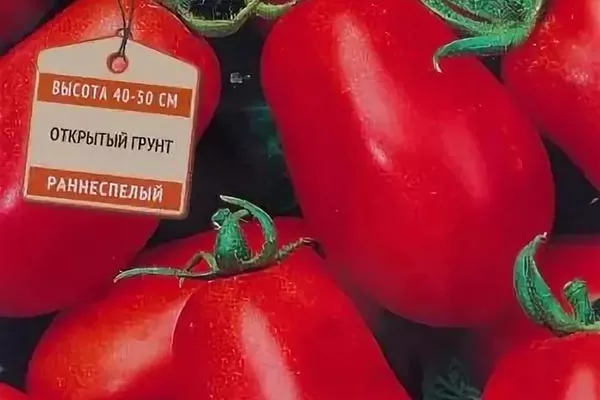
- Fruit: red in color, plum-shaped, weighing 60-70 g.
- ✓ Plant height up to 2 m with dense foliage.
- ✓ Plum-shaped fruits, weighing 60-70 g.
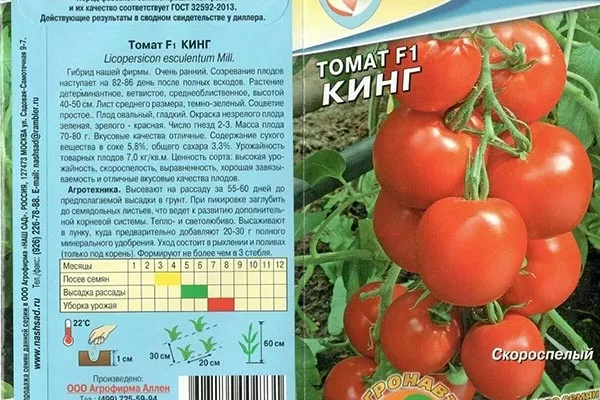
These tomatoes have a sweet, juicy, and aromatic flavor. Their firm flesh makes this variety versatile. They can be eaten fresh, canned whole, or sliced. They also make delicious juice, ketchup, and paste.
Characteristics
King is a mid-season variety, ripening 90-95 days after planting. Its yield is impressive—over 100 tons per hectare—making it particularly popular for commercial cultivation.
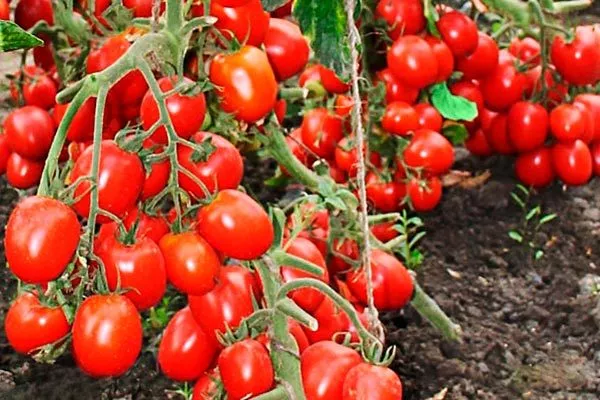
The dense skin and compact shape of the fruit ensure excellent transportability, which helps preserve the quality of the harvest during long-distance transportation.
Useful properties of King tomato
This hybrid not only delights with its excellent taste but also possesses numerous beneficial properties, making it a valuable addition to the diet. This is due to its rich composition:
- Vitamin A – helps maintain eye health, improves vision and reduces the risk of cataracts and age-related changes in the retina.
- INvitamin C – strengthens the immune system, increases the body's resistance to infections and promotes rapid healing of wounds.
- B vitamins – are necessary for maintaining metabolism, the health of the nervous system, as well as skin and hair.
- Lycopene – protects cells from damage by free radicals, reduces the risk of cardiovascular disease and helps in the prevention of cancer.
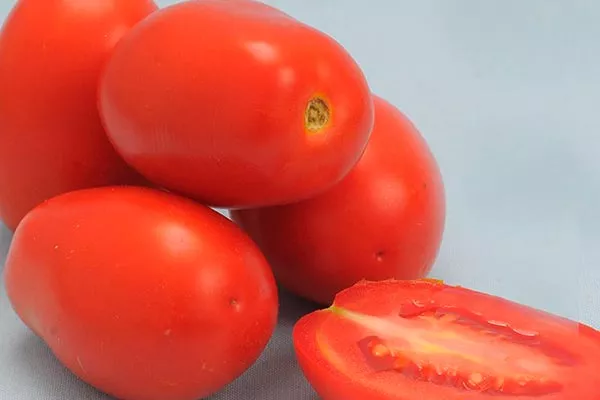
Tomato King is an excellent choice for those watching their figure, as it saturates the body with useful substances without the risk of gaining excess weight.
Growing and caring for King tomatoes
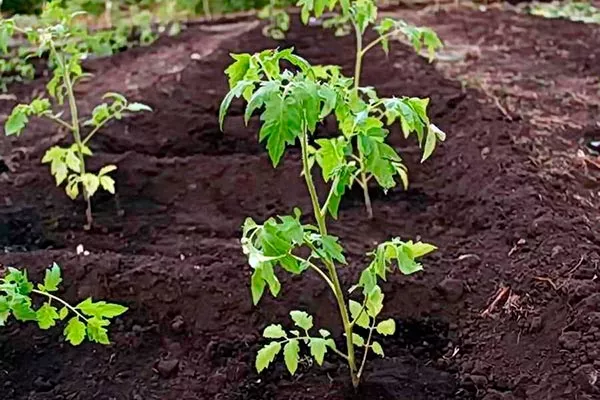
To obtain strong, high-quality seedlings, it is recommended to sow the seeds in early spring. Plant the seeds approximately 1 cm deep and maintain a temperature of approximately 25°C until germination. Transplant the seedlings into open ground or under plastic covers 60-65 days after germination.
- ✓ Optimum soil temperature for seed germination: +25°C.
- ✓ Distance between plants when transplanting: 60-70 cm.
Selecting a location and soil, sowing and transplanting
The plant prefers sunny, wind-protected locations. Follow these recommendations:
- For successful growth, choose a location with fertile, well-drained soil.
- Before planting, dig up the soil and enrich it with organic fertilizers.
- Sow seeds in pre-prepared pots or beds with nutritious soil.
- When transplanting into open ground, maintain a distance of 60-70 cm between plants to provide them with space for full growth.

Transplant in warm weather, away from frost. Seedlings usually emerge 7-10 days after sowing.
Watering and fertilizing
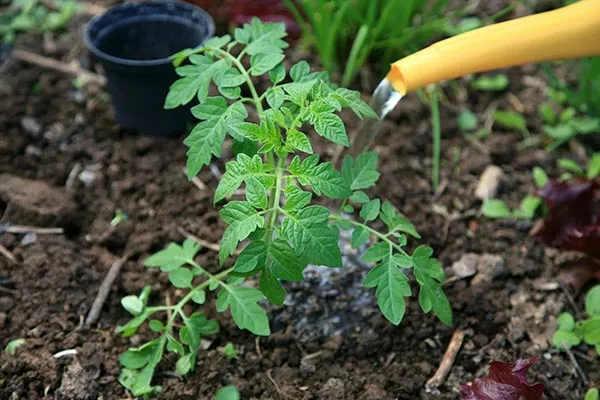
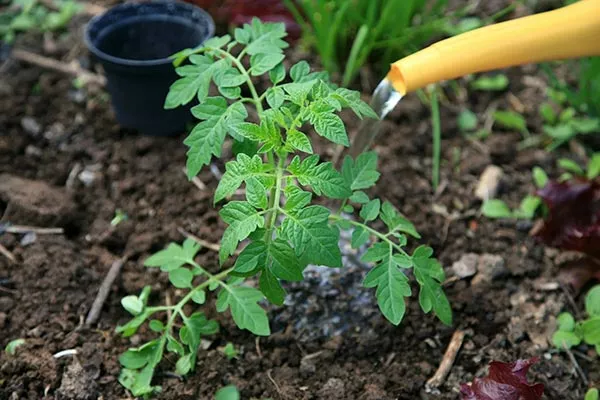
Regular watering is key to successfully growing King tomatoes. Keep the soil moist, but not overwatered, to prevent root rot. Use only warm water for this procedure.
Important points:
- Moderation in watering is especially important, as excess moisture can cause diseases and fruit rot.
- To ensure full growth and development of bushes, regularly apply organic and mineral fertilizers.
Provide proper soil care: remove weeds and thin the beds to ensure the tomatoes have enough space. Periodically trim excess shoots and tie the plants to support them to prevent damage and ensure stable growth.
Treatment and prevention of diseases and pests
The hybrid is characterized by strong immunity, but if improperly cared for, the bushes can suffer from various problems. The crop is susceptible to common diseases and insect attacks:
- Late blight. It appears as dark spots on leaves, stems, and fruits. Preventatively treat with fungicides Fitosporin and Thanos. Remove and burn affected plant parts. Maintain a regular watering schedule, avoiding overwatering.
- Powdery mildew. Forms a whitish coating on leaves and stems. Spray plants with a baking soda solution (1 tablespoon per 1 liter of water). Use Topaz or Skor. Ventilate the greenhouse regularly.
- Whitefly. Small white insects that feed on plant sap. Use insecticides (such as Aktara or Fitoverm). Set sticky traps.
- Aphid. Green or black pests weaken plants by sucking their sap. Wash the bushes with a soap solution. Garlic or tobacco infusions are effective for treatment. For severe infestations, Intavir or Actellic can be effective.
- Spider mite. It leaves a fine web on the leaves, which begins to dry out. Treat the plant with acaricides such as Akarin or Flumite. Humidify the greenhouse air more frequently, as the pests do not tolerate high humidity.
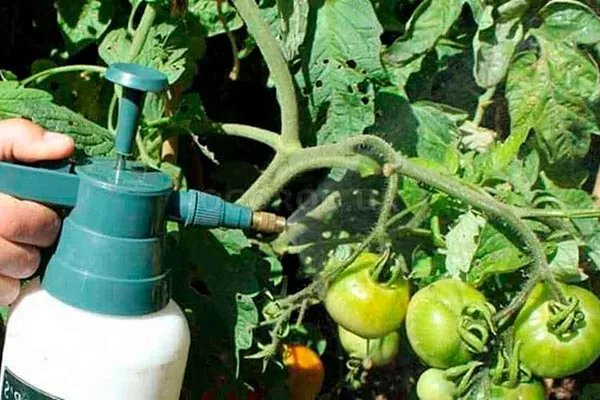
Disease and pest control are an essential part of caring for King tomatoes. Regular plant inspections, adherence to agricultural practices, and timely interventions will help maintain a healthy and abundant harvest.
Where can I buy King tomato seeds?
Garden centers and specialty stores offer a wide selection of seedlings for various vegetables, including King tomatoes. A bonus is the ability to consult with specialists who can help you choose the most suitable option.
You can also buy beans in other places:
- Online stores. If you can't visit a store in person, you can order tomato seeds online. There are numerous websites that specialize in selling seeds and gardening supplies. In just a few clicks, you can place an order for home delivery.
- Seed companies. Contact bean producers who sell beans directly. These companies often offer a wide range of varieties, including King. Before purchasing, check the company's reputation and read reviews from other customers to ensure its reliability.
Pros and cons
Before planting a crop in your garden, it's important to carefully study its characteristics, pros, and cons. The King tomato has many advantages:
Among the disadvantages, gardeners note the need for regular care and watering, the need for additional fertilizer to maintain yield, sensitivity to excess moisture, which can lead to root rot, and susceptibility to certain pests if not prevented.
Reviews
The King variety attracts gardeners with its high yield and large, fleshy tomatoes with a rich flavor. This variety is ideal for those who value quality and versatility. These tomatoes perform excellent both fresh and in canning, thanks to their good resistance to disease and weather conditions.