
The Kibitz tomato is a super-yielding variety with plum-shaped fruits, ideal for open ground cultivation. It's low-maintenance, easy to grow, and productive, with bushes laden with fruit and requiring no pinching.
Description of the variety
The Kibitz tomato plant has low-growing bushes, belongs to the determinate type of plants, and reaches 50-60 cm in height. The fruits of this tomato are medium-sized.
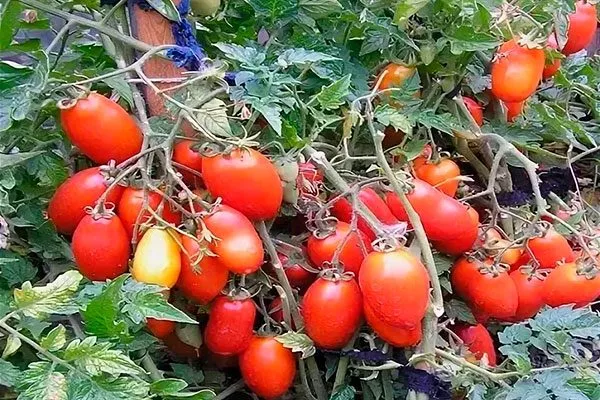
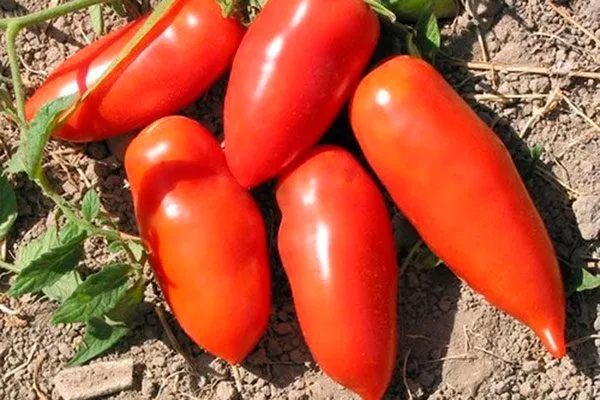
Brief description of fruits:
- Unripe fruit color: green.
- Color of ripe fruit: red.
- Form: elongated, plum-shaped.
- Skin: smooth.
- Weight: 55-65 years

The history of the Kibitz tomato
The Kibitz tomato is an early-ripening, super-yielding variety with plum-shaped fruits. It's hardy, productive, and easy to grow, designed for outdoor cultivation, and most importantly, it doesn't require time or effort to remove side shoots.
Taste and purpose of fruits
The Kibitz tomato fruits are sweet and delicious, with a subtle tartness. They have dense, aromatic flesh, smooth and sweet when crushed.
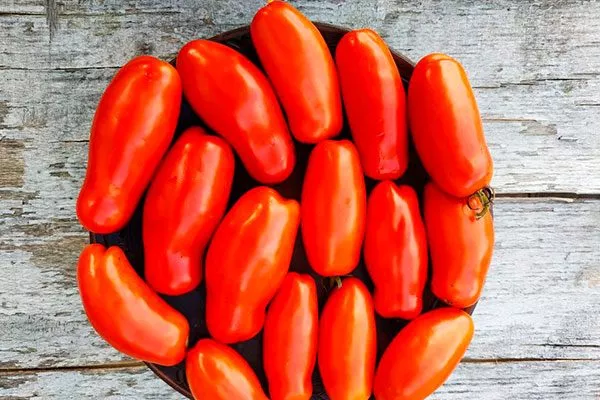
The Kibits variety has a versatile use. Its fruits are used in salads, processed, and canned whole.
Characteristics
The Kibitz tomato is an early-ripening variety. It takes 65-70 days from germination to the first fruits. Gardeners harvest 3-5 kg of tomatoes per bush per season.
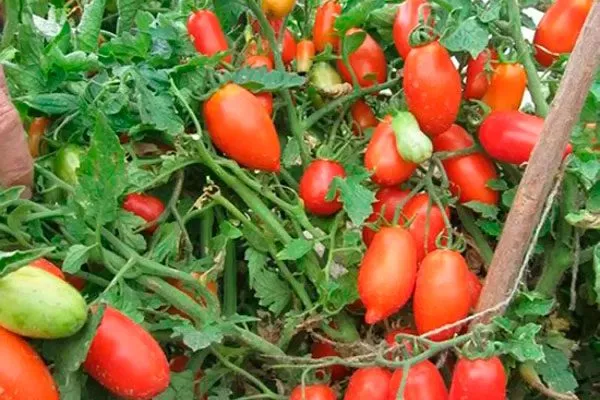
- ✓ Resistance to blossom end rot and late blight.
- ✓ Does not require pinching in southern regions.
The variety is highly resistant to heat, cold, temperature fluctuations and diseases, including blossom-end rot.
Pros and cons
The Kibitz tomato has many advantages that will be appreciated by lovers of plum varieties. But before planting this variety in your garden, it's helpful to familiarize yourself with the full list of its advantages and disadvantages.
Landing features
The Kibitz variety is recommended for growing using seedlings, in open ground or under cover - in greenhouses (glass, polycarbonate), under film covers.
Site selection and preparation
The Kibitz tomato is planted in warm, sunny areas, protected from cold, gusty winds. Slightly elevated beds are ideal for planting tomatoes, as this promotes better drainage and prevents waterlogging.
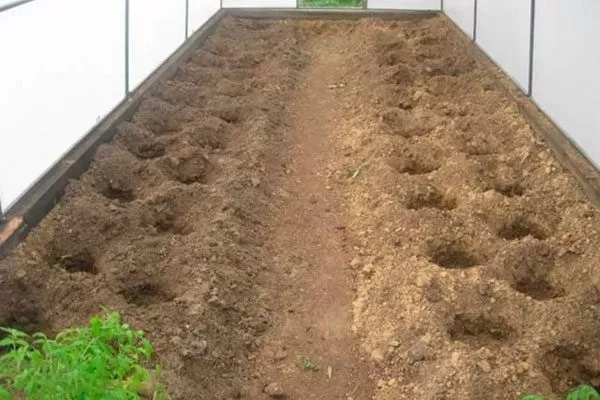
Features of site preparation:
- The soil is cleared of plant debris and dug to a depth of a shovel blade. Fertilizers and other components needed to improve the soil structure or increase or decrease acidity are first evenly distributed over the area.
- When digging, add 10 kg of organic matter per square meter, such as well-rotted manure or compost, along with 250 ml of wood ash. For dense clay soils, add 10 kg of river sand per square meter.
- The optimal soil acidity for tomato growth is between 6 and 7 pH. Sulfur is added to slightly acidic soils, while lime (slaked lime is essential) is added to acidic soils.
- It is advisable to disinfect the soil before planting, for example, with an aqueous solution of copper sulfate (1 tablespoon per 10 liters of water).
- In spring, the soil is leveled with a rake and beds are formed for planting.
Seed preparation
Store-bought tomato seeds don't need to be disinfected; they're already treated and treated by the manufacturer. They only need to be germinated by wrapping them in damp cheesecloth. Once they sprout, they can be sown immediately.
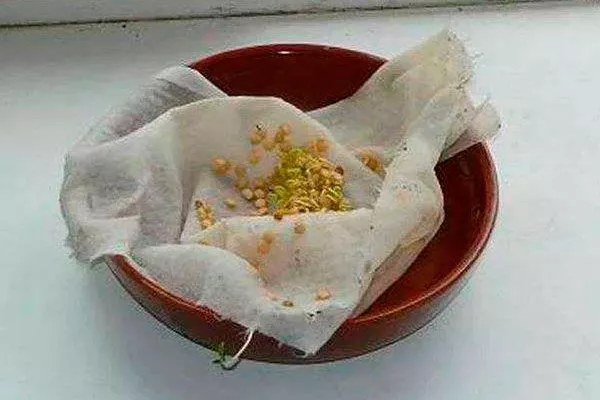
Self-harvested seeds require disinfection. For this purpose, use a 1% potassium permanganate solution or a 2-3% hydrogen peroxide solution, soaking the seeds for 20 and 8 minutes, respectively. It is also recommended to treat the planting material with a growth stimulator.
To increase germination rates, the seeds are calibrated, defective seeds, small seeds, darkened seeds, etc. are sorted out, and then immersed in a salt solution. After 20-30 minutes, all non-germinating seeds float to the top and are discarded.
Selecting planting containers
Tomato seedlings need to be pricked out and transplanted into individual containers. Therefore, it's best to sow tomatoes in larger containers, from which the seedlings are then transplanted into cups. Peat pots can also be used as containers.
Empty containers are filled with store-bought substrate or a homemade potting mix, such as humus, peat, sand, and vermicompost. Homemade potting mixes must be baked in the oven or disinfected with potassium permanganate.
Growing seedlings
Sprouted tomato seeds are sown in prepared containers at the end of March. Seedling growth takes approximately 60-65 days, meaning sowing occurs two months before they are expected to be planted outdoors or in a greenhouse.
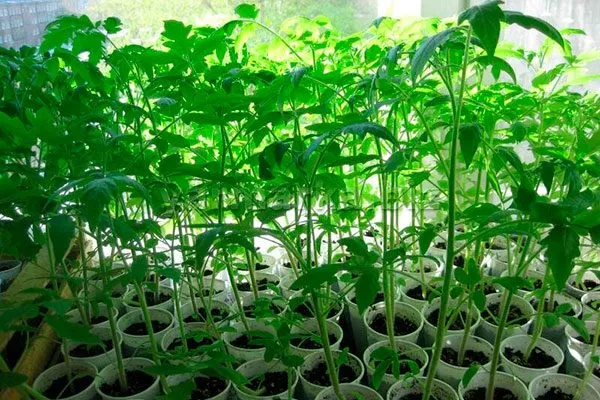
Features of sowing tomato seedlings Kibits:
- Before sowing the seeds, the soil in the planting containers is leveled and moistened with warm, settled water from a spray bottle.
- Seeds are sown at a depth of 3-5 cm. The optimal sowing pattern is 2 x 2 cm. In larger containers, seeds can be sown in rows, spaced 3-4 cm apart. The distance between seeds in rows is 2 cm. Sprinkle a thin layer of soil on top, then cover the seedlings with a transparent cover such as glass or plastic film.
The covering material is lifted daily to allow air to circulate through the crops. Under favorable conditions, seedlings emerge in approximately 5-7 days.
Transplanting
When planting seedlings in both the ground and the greenhouse, take into account the soil temperature, which should reach a comfortable 14 to 16°C. In open ground, air temperature is also important; planting occurs when the temperature outside has reached a stable 18 to 22°C.
- ✓ Optimum soil temperature for planting seedlings: +14…+16 °C.
- ✓ Air temperature for planting in open ground: +18..+22 °C.
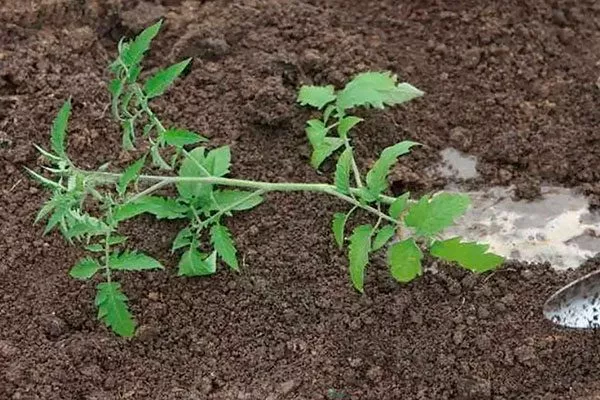
Features of planting tomato seedlings Kibits:
- For planting, dig holes measuring 15 x 20 cm. The dimensions should be larger, corresponding to the size of the root system with the root ball or peat pot.
- The optimal planting pattern is 70 x 30-40 cm. 5-6 tomato bushes are placed per 1 square meter.
- Fertilize the holes with 2 handfuls of compost, a handful of wood ash, and 1 tablespoon of superphosphate. Then, add 3 liters of water and wait about an hour for the soil to settle.
- Seedlings grown in regular containers (not peat) are watered generously so that the soil softens and the seedling can be easily removed from the pot without damaging the roots.
- The seedling is placed vertically in the hole, the roots are covered with soil, and the soil is compacted, forming a depression around the stem to make watering easier.
- Planted tomatoes are watered with warm, settled water. If necessary, they should be shaded from direct sunlight. If there is a risk of cold weather, it is also recommended to cover the plants at night.
Care Features
To get a good tomato harvest when growing the Kibitz variety, the bushes require specific care. They need regular watering and feeding, loosening the soil, and treating them with preventatives.
Watering and loosening
The Kibitz tomato requires regular watering, especially in hot and dry conditions. If the plants are dehydrated, the fruits will grow smaller and less juicy. Watering should begin one week after planting the seedlings.
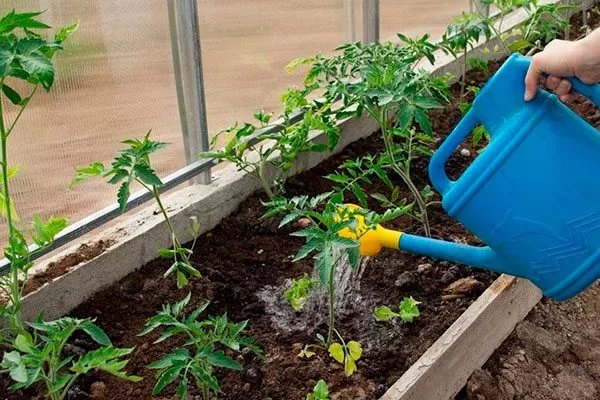
Tomato beds are watered in the morning or evening, three hours before sunset. The recommended watering rate is 10 liters per square meter. Watering frequency is 1-2 times a week, or 3-4 times in hot weather. Water should be applied directly to the roots, avoiding contact with the leaves, as this can promote fungal diseases.
After watering, loosen the soil to a depth of 10 cm immediately after planting. As the plants grow, reduce the loosening depth by half to avoid damaging the roots. Weeds are also removed during loosening. The soil in the beds can be mulched, for example, with straw, sawdust, or freshly cut hay.
Top dressing
Kibitz tomato bushes are fed on average once every 10 days according to the standard scheme: first, nitrogen-containing fertilizers are applied, and during the formation of ovaries and fruits, potassium-phosphorus fertilizers are applied.
For feeding, organic fertilizers are used, for example, diluted mullein or chicken manure, alternating them with mineral complex compositions.
Shaping and garter
In temperate climates, Kibitz tomato bushes are trained with 3-4 stems. In southern regions, this variety does not require pinching, pruning, or shaping.
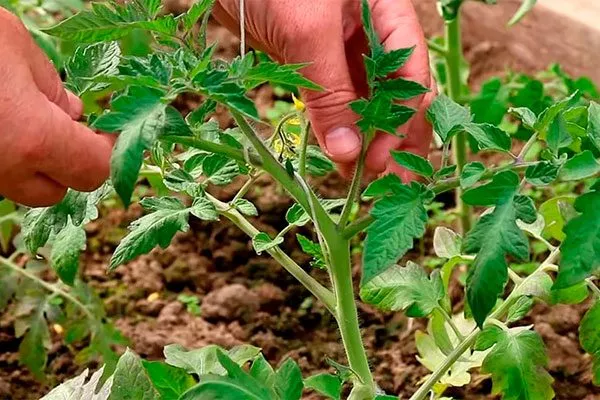
But the bushes need support because the branches begin to droop under the weight of the fruit. It's important to tie up the central stem; the others can usually support themselves.
Diseases and pests
The Kibitz variety is resistant to many nightshade diseases, and has good resistance to late blight and blossom-end rot. However, if agricultural practices are improper, such as overcrowding, the risk of infection increases significantly. Copper-containing antifungal agents, such as Skor and Ridomil Gold, are used to combat diseases.
The most dangerous pest for the Kibitz tomato is spider mites. Aphids, whiteflies, and cutworms are also possible. In case of severe infestations, use Aktara, Actellic, and Inta-Vir.
Harvesting and storage
Fruiting is prolonged—tomatoes, after the first fruit appears, continue to ripen for about two months, or even longer. It's important to harvest the fruit promptly to prevent them from falling off.
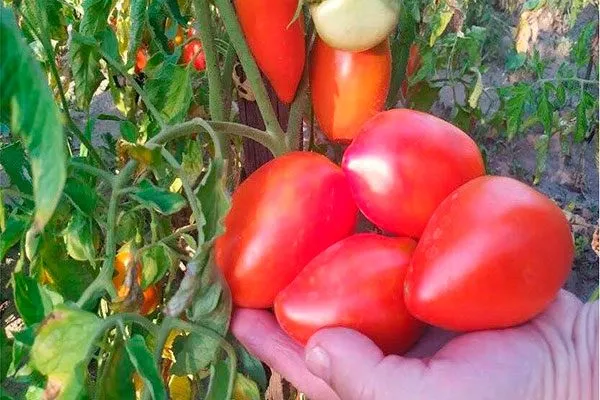
Store the harvested fruit in a cool place for up to a month. Unripe tomatoes ripen perfectly.
Reviews
The Kibitz tomato is a reliable and promising variety that will surely catch the attention of plum tomato lovers. This tomato is productive and easy to grow, and its fruits are ideal for whole-fruit canning.