
The Königsberg tomato is one of the most popular and sought-after varieties, thanks to its excellent characteristics and high-quality fruit. It is renowned not only for its excellent taste but also for its disease resistance, frost tolerance, and versatility. Suitable for both open ground and greenhouse cultivation, it requires proper care to ensure bountiful harvests.
History of selection
Developed by a group of Siberian scientists, including V. Dederko, A. Yabrov, and O. Postnikova, it is hardened and well adapted to the harsh conditions of the Novosibirsk region, having been tested in a region with a variable climate.
In 2003, researchers concluded that the variety was ready for widespread use and submitted an application for its registration in the State Register, which was approved in 2005.
Description of the variety
For gardeners living in regions with cool, short summers, planting tomatoes can be a challenging task, as it's important to choose a variety that suits the climate. One of the best options is the Königsberg variety.
Varieties
| Name | Fruit color | Fruit shape | Taste |
|---|---|---|---|
| Red | Bright red | Rounded | Sweet |
| Gold | Golden | Rounded | Sweet with a slight sourness |
| Striped | Red with stripes | Rounded | Sweet with a slight sourness |
| Pink | Hot pink | Rounded and slightly flattened | Delicate and sweet with a slight sourness |
| Cordate | Rich red | Heart-shaped | Sweet |
| Yellow | Bright yellow | Flat | Sweet and tender with a slight sourness |
| Cherry | Red-orange | Rounded | Sweet and juicy |
The crop is represented by several interesting varieties, each with unique characteristics. These cultivars are well-adapted to various climatic conditions and produce abundant harvests with minimal labor.
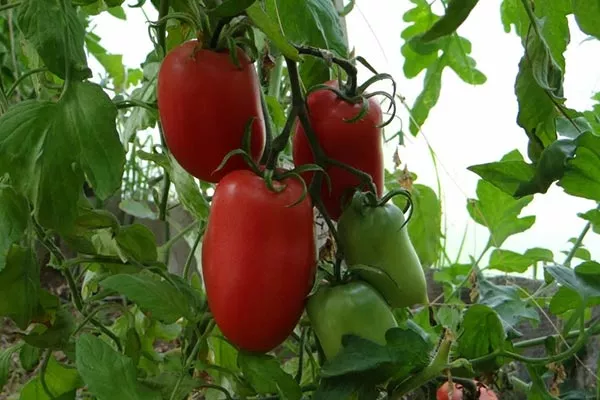
Red
The fruits are round, bright red, juicy, and sweet. They have a firm texture and a moderate seed count. These tomatoes are ideal for eating fresh, in salads, and in sauces.
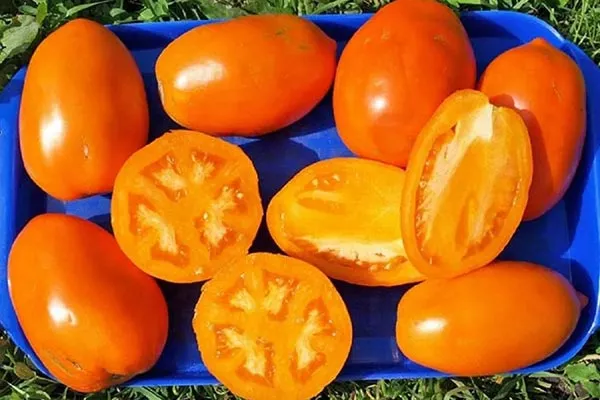
Gold
This variety has a medium yield, making it an excellent choice for a summer cottage or small plot. The bushes are compact, with round tomatoes measuring about 5-6 cm. One of the variety's distinctive features is its unique flavor—sweet and juicy with a slight tartness.
Striped
A distinctive feature is their unusual coloring. The fruits are bright red with thin longitudinal stripes, giving them a unique appearance and visual appeal.
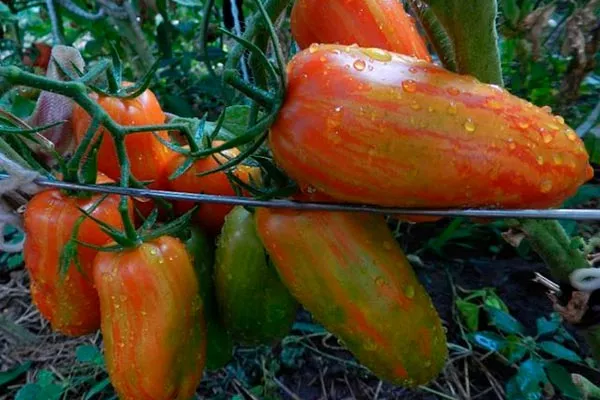
Appearance isn't the only advantage. The taste is excellent: the flesh is juicy and sweet, with a slight tartness. Sizes vary, with medium-sized to large specimens.
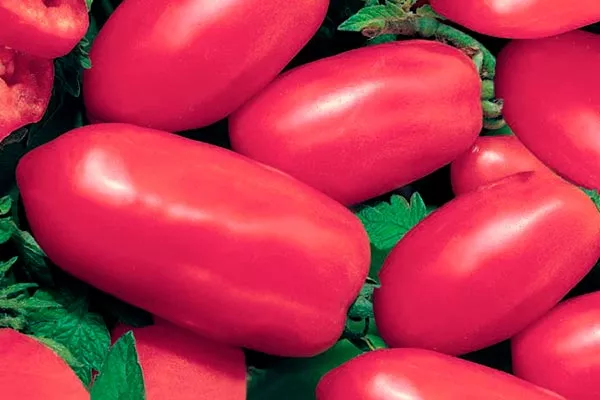
Pink
They weigh between 80 and 100 grams, and are round and slightly flattened in shape. Their distinctive feature is their bright pink color, which gives them an appetizing and fresh appearance. They have a delicate, sweet flavor with a slight tartness, giving them a special piquancy.
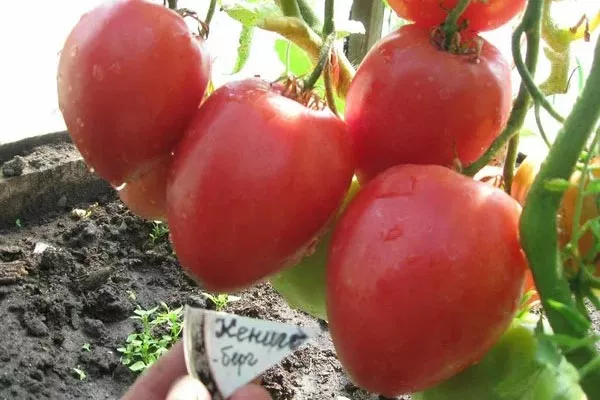
Cordate
Characterized by their large size and vibrant, rich red color, these tomatoes have firm yet juicy flesh with a sweet flavor and pleasant aroma. These tomatoes are ideal for fresh consumption and are used in a variety of dishes, including salads, sauces, and winter preserves.
KeNigsberg yellow
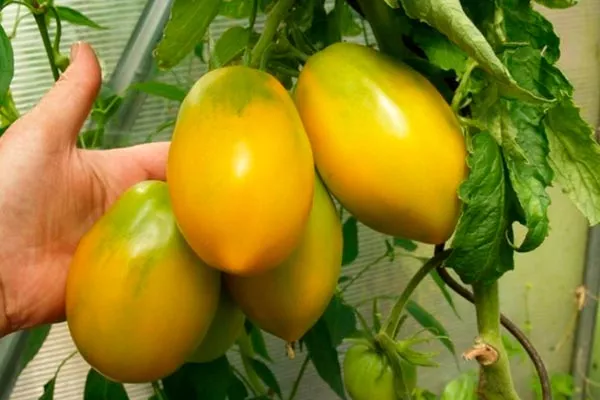
This variety is distinguished by its bright yellow fruit. The flavor is sweet and delicate, with a slight tartness. The fruits are flat and fleshy. They are ideal for salads and side dishes, and are well-suited for canning and juicing.
Königsberg cherry
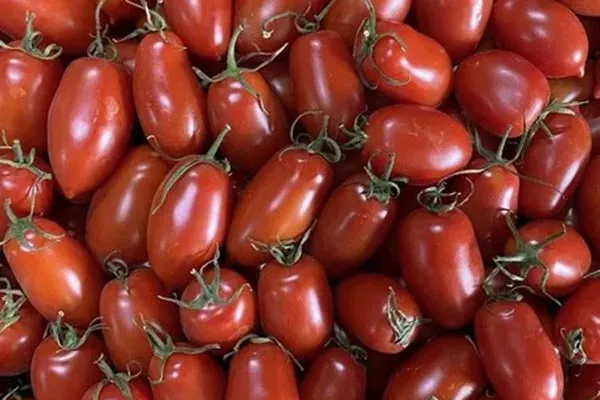
The main difference between this variety and previous ones is its smaller size. The tomatoes are round and red-orange in color. They are sweet and juicy, making them ideal for snacking and adding to salads. This variety is highly productive and retains its freshness for a long time.
Distinctive features of the bush
The plant is tall, reaching up to 2 m in height. Distinguishing features:
- Stems – strong, with light pubescence.
- Escapes – densely covered with large green leaves of an indistinct shape.
- Leaf blades – slightly pubescent and drooping.
- Inflorescences – simple, have small yellow flowers.
- Fruit clusters - located high above the ground.
The first ovaries appear above the 12th leaf, and subsequent ones are set every three leaves. Due to the large weight of each cluster, a maximum of six fruits can be supported, but most commonly, inflorescences form three to four ovaries.
Fruit characteristics
The tomatoes are pepper-shaped, cylindrical, and pointed. The skin is red and glossy. The fruits at the base of the plant are particularly large, weighing over 500 g, while those on the rest of the plant range from 155 to 230 g.
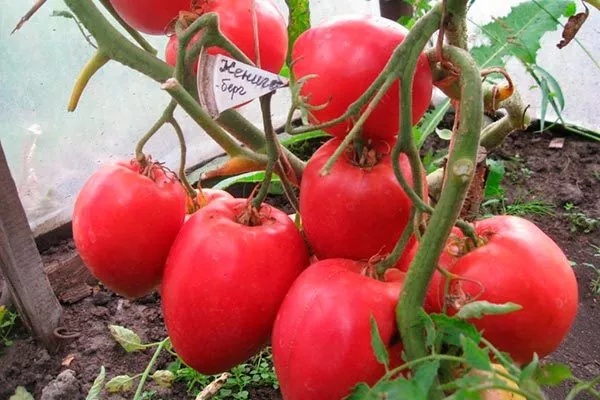
The skin is strong, making the tomatoes resistant to cracking, easy to transport, and with a long shelf life. The flesh is dense, meaty, and juicy, giving them a distinctive flavor.
Features of the cultivar type
The Königsberg tomato is a shining example of successful Russian breeding. This variety is characterized by high yields, low maintenance, and frost resistance.
Suitable region and climate
The plant is resilient to a variety of weather conditions. It easily tolerates prolonged drought, heat, sudden temperature fluctuations, and heavy rains. The only natural factor that can negatively affect the variety is strong wind.
Thanks to its stress tolerance, Königsberg is successfully cultivated in all climate zones of Russia, Ukraine, and Moldova. In northern regions, it is often grown in plastic greenhouses.
Productivity
The variety has a high yield. Depending on the care conditions, 1 square meter yields between 5 and 20 kg of tomatoes. Gardeners get between 1 and 3 buckets of tomatoes per plant.
Use of the harvest
This versatile variety is eaten fresh, canned, or processed—for making juices, sauces, and purees. Only the smallest specimens are suitable for whole-fruit canning.
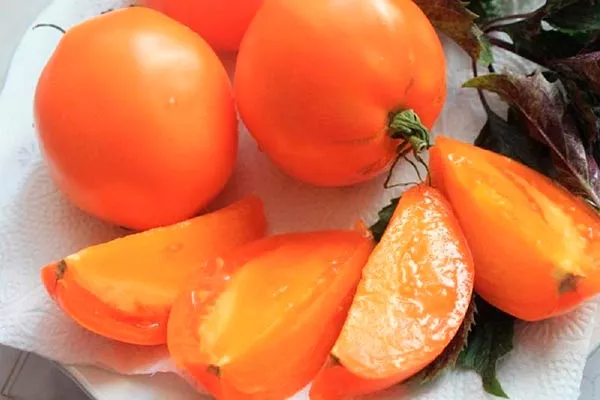
Tomatoes have excellent pickling qualities and are distinguished by their high content of beneficial micronutrients.
Ripening and fruiting
This is a mid-season variety. It takes 115 days from germination to the first fruits ripening. The fruiting period is slightly extended, allowing for fresh tomatoes to be harvested before frost.
They're ready for harvest in the second half of July, but peak ripening occurs in late summer. Tomatoes ripen gradually, so harvesting whole bunches isn't always possible.
Planting operations
This variety adapts well to various climates but requires high-quality soil. Direct sowing into open ground is not recommended; it's better to grow high-quality seedlings first.
- ✓ The optimal soil temperature for sowing seeds should not be below +15°C.
- ✓ The distance between plants when planting should be at least 50 cm to ensure sufficient ventilation and lighting.
Seed preparation
To ensure a good harvest, select high-quality seeds. Buy them from reputable producers or harvest them yourself. Sort the seeds before sowing, selecting only seeds of similar size.

Follow these recommendations:
- Prepare a 5% salt solution (5 g of salt per 1 liter of warm water). Add the seeds, stir, and let sit for 10 minutes. Any seeds that float to the surface will not germinate, so discard them. Rinse and dry any that sink to the bottom, and set aside for planting.
- Pelleted grains don't require such treatments, as they've already been selected and coated with a nutrient film. However, they're only good for two years.
To avoid fungal and bacterial infections, disinfect them before planting using a solution of potassium permanganate, chlorhexidine, brilliant green, aloe juice, Fitosporin-M, or garlic infusion.
To improve germination, soak the seeds in growth stimulants such as Energen, Zircon, NV-101, or Epin. You can also use honey and wood ash.
Sowing tomatoes
Place the seedlings in moist soil, leaving 25-30 mm between each seed, or plant each seed in a separate pot. Cover with 1 cm of soil. Germination requires a temperature of around 25°C. Once the seedlings emerge, reduce the temperature to 18°C for 3-4 days.
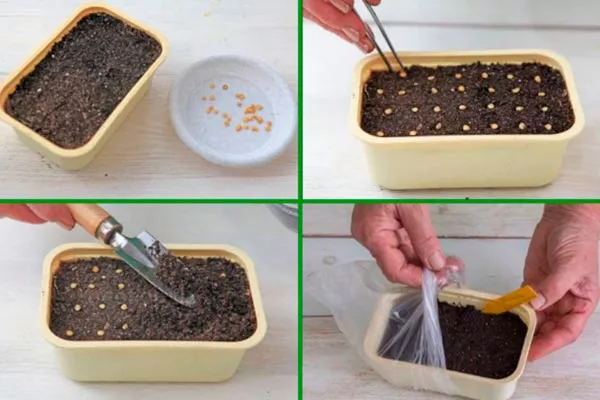
Growing seedlings
The first shoots will appear in 4-5 days. After this, remove the film. Then, follow these instructions:
- Water the seedlings carefully at the roots using a spoon or syringe so as not to damage the weak roots.
- When the seedlings are 10-14 days old and have two true leaves, transplant them into individual containers. Add mineral fertilizer to the new soil – 1 tablespoon per 5 liters of soil. Dig the seedlings up to the cotyledon leaves.
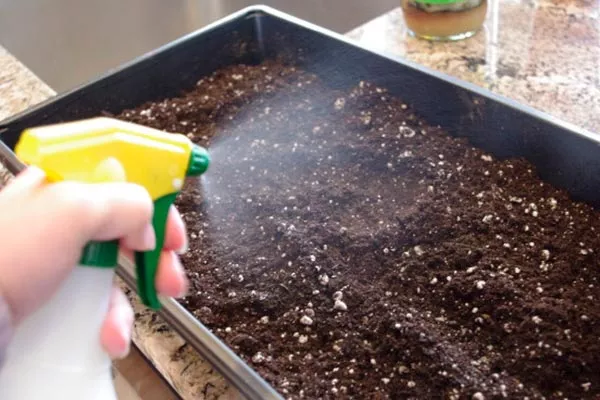
Ten days after transplanting, apply a complete fertilizer. Fertilize every two weeks.
Preparing the soil and planting site
Choose a sunny, well-ventilated site protected from strong winds. The soil should be fertile, loose, and well-drained. A high elevation is preferable. Tomatoes do not grow well in acidic or heavy soils.
In the fall, dig the area, adding 500 g of wood ash, 40 g of superphosphate, and 10 kg of humus to the soil. In the spring, loosen the bed again, then prepare planting holes, spacing no more than 3 bushes per square meter. The hole depth should correspond to the root ball size of the seedlings.
Transfer algorithm
Transplant the seedlings outdoors 45-50 days after sowing. Two weeks before planting outdoors, begin hardening them off by placing them outdoors (on a balcony, veranda, or gazebo) for 2-3 hours. Gradually, toward transplanting time, leave the seedlings outdoors overnight. This process helps them adapt to low temperatures and sunlight.

Care
The Königsberg tomato requires standard cultivation practices for indeterminate varieties. The tall bushes require training and secure support. The yield of this variety directly depends on regular watering and timely fertilizing.
Spraying and watering
In open ground, avoid sunburn and use warm, settled water. The best time to water is early evening. Provide infrequent but deep irrigation. Drip irrigation is ideal.
Pay special attention to the tomato plants during bud formation and ripening to prevent the soil from drying out. However, overwatering during the ripening period can cause the tomatoes to crack. Therefore, gradually reduce the frequency of watering as they begin to bloom and during the active ripening stage.
Top dressing
Apply fertilizer no earlier than two weeks after planting the seedlings. Then, feed the bushes every 15-20 days, alternating mineral mixtures with organic compounds.
Follow these recommendations:
- For the first few applications, use a solution of rotted manure, then switch to ash or herbal infusions. Once flower clusters appear, apply foliar fertilizer with a boric acid solution or micronutrients.
- Once fruit sets, eliminate nitrogen fertilizers and focus on macro- and micronutrients. During the fruiting period, apply potassium fertilizers and spray with calcium nitrate.
Shaping and pinching out side shoots
Königsberg is characterized by vigorous growth and can form a voluminous bush without pinching. In this case, fruiting may be weak or delayed. To achieve an optimal balance between green parts and fruit, train it into 1-2 stems.

Remove side shoots throughout the season. Don't overdo it, as this can weaken the plant. Pinch off no more than three shoots per week, periodically removing a few lower leaves. When the first cluster is fully filled, remove the foliage underneath.
Tying up
Use a sturdy trellis or tall stakes securely anchored in the ground. Stake the shoots throughout the season as the stems grow. Any soft material is suitable for this purpose, but secure the shoots so that a figure-eight shape is formed between the support and the stem.
Topping
Königsberg tomato growth can be restricted to a height convenient for care. In temperate climates, the tops are typically pinched after the 7th or 8th cluster appears. In regions with short or cool summers, it's recommended to wait until the 6th ovary appears before pinching.
Soil work
Loosen the soil to improve its structure, allowing oxygen and moisture to reach plant roots. This promotes better root development and accelerates drainage. Do this regularly, especially after watering, to prevent surface crusting.
Weeding is necessary to remove weeds, which compete with tomatoes for nutrients and water. Weeds can also harbor diseases and pests. Weed as needed, being careful not to damage the roots.
Mulch the soil with a layer of organic material: straw, hay, grass, or compost. Mulch helps retain soil moisture, prevents weed growth, and maintains a stable root temperature. It's especially helpful on hot days when the soil dries out quickly.
Nuances for open ground and greenhouse conditions
Tomatoes grown in greenhouses often fail to pollinate naturally. High humidity causes pollen to clump together, making it difficult to move. Therefore, to ensure good fruit set, monitor the pollination process.
Please follow these guidelines:
- Since greenhouse plants grow faster than open-air plants, pinching is especially important. If you prefer smaller tomatoes, you can delay pinching a little, as branch height affects fruit size—the higher the shoot, the smaller the tomatoes.
- The bushes have a powerful root system that penetrates deep into the soil, so they don't require frequent watering. They thrive in hot and dry climates.
- Removing the lower leaves is essential as they can rot if exposed to wet soil, which can promote the spread of disease.
Avoid planting seedlings next to potatoes, as both crops belong to the same family – infections and pests can damage them.
Possible diseases and pests, ways to get rid of them
Königsberg has a strong immune system, making it resistant to most common diseases. Because of this, some gardeners consider preventative treatments unnecessary, but the plants still require several sprays throughout the season:
- To prevent diseases in open ground, three applications of biofungicides at intervals specified in the instructions are usually sufficient. The following products have proven effective: Fitosporin-M, Baktofit, Agat, and Zaslon.
- Fitosporin-M effectively prevents and treats fungal diseases, especially late blight. Treatments should begin before signs of the disease appear (in late summer) and be completed during the infection phase, helping to preserve the harvest.
Despite its resistance to infections, the crop can be susceptible to blossom-end rot. This disease is not infectious, but is caused by poor agricultural practices and a calcium deficiency in the soil. To prevent the disease, include calcium nitrate sprays in your fertilizing regimen.
Secrets of early fruiting
To speed up the ripening of tomatoes, there are several effective methods used by experienced vegetable growers. Here are the main ones:
- Spraying with boric acid. This simple remedy can increase yields by 20%. Perform this treatment during flowering, which promotes better pollination and fruit set.
- Shaking of plants. Since tomatoes are self-pollinating crops, gently shaking the bushes in the morning during flowering helps speed up the pollination process and improves ovary formation.
- Location. For more even lighting, plant seedlings from east to west, which will ensure good insolation throughout the day.
- Hilling and mulching. These measures promote root growth and help retain soil moisture, preventing crust formation. Plants thrive and are less susceptible to disease.
- Pinching out stepsons and removing lower leaves. These procedures help stop the growth of excess green mass and redirect energy toward fruiting. Removing lower leaves reduces the risk of disease, as they will not be exposed to wet soil.
- Top dressing. Spraying bushes with microelements, which they absorb well, accelerates the growth and development of fruits.
These methods can reduce the ripening period of fruits by 2 weeks and make the harvest more abundant.
Harvesting and seed collection, storage of fruits
Harvest tomatoes in midsummer or early fall, depending on your region. Be careful not to damage the stems and leaves. For storage, select whole, undamaged tomatoes with no signs of rot. Store them in a cool, dry place at a temperature of about 10-15°C (50-59°F), avoiding direct sunlight.
To save seeds for next season, select ripe, healthy tomatoes, remove the seeds, and place them in a glass jar filled with water for several hours. Then rinse and dry. Store the seeds in paper envelopes or cloth bags in a dry, dark place. They remain viable for up to 4 years.
Pros and cons
Before planting seedlings in your garden, carefully review the advantages and disadvantages of the variety. This will alert you to potential difficulties.
Advantages of Königsberg:
- resistance to frost and drought;
- easy to care for;
- high yield;
- strong immunity to diseases;
- excellent taste and commercial qualities;
- good shelf life;
- resistance to cracking during transportation;
- universal use.
Among the disadvantages, some agronomists note the need for regular side-sonning, pinching and tying.
Reviews
The Königsberg tomato is a popular Siberian variety among gardeners, with several variations. All are characterized by excellent flavor, low maintenance, and high resistance to adverse weather conditions. With proper cultivation practices, this crop will reward you with generous harvests.