
Casanova tomatoes will appeal to connoisseurs of unusual varieties. They have an interesting cylindrical shape and vibrant color, and they weigh very little. They are ideal for drying, canning, and fresh salads. This variety is successfully grown in open beds and greenhouses. It demonstrates consistent resistance to variable weather conditions.
Features of the variety, description of the bush and fruits
The crop is recommended for cultivation in most regions of Russia, but it is only suitable for open-ground cultivation in the southern regions, while in the northern regions, seedlings are planted in greenhouses. The Novosibirsk-based agrofirm "Sibirsky Sad" produces and sells seeds.
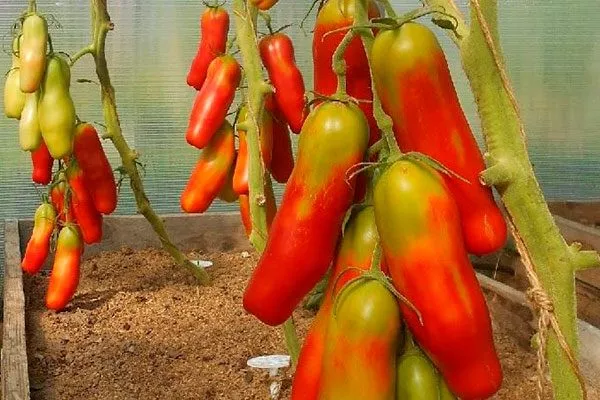
Distinguishing features:
- The bush is indeterminate, tall, reaching 2 m, moderately foliated, with medium-length green leaves.
- Unripe tomatoes are light green in color and turn red when poured.
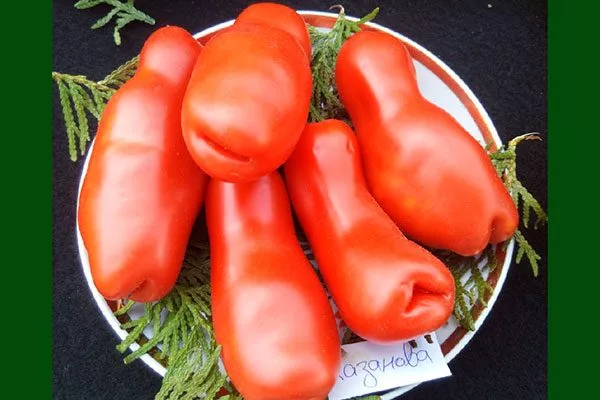
- Cocktail-sized tomatoes (30-38 g) have a cylindrical shape, barely noticeable ribbing and a small forked bottom (the lower part of the vegetable).
- The pulp is of medium density, there are practically no seeds, the taste is excellent.
- The fruits have a strong skin, and up to 5 pieces are formed on one bunch.
Main characteristics and history
The Casanova appeared at the beginning of the 21st century. The variety was developed by specialist V. Dederko. After an extensive trial period, it was added to the State Register of the Russian Federation in 2017.
Ripening and fruiting, productivity
This is a mid-season variety—the first ripe tomatoes are harvested in early July. In central Russia, tomatoes are planted in greenhouses. This variety produces abundant and long-lasting fruit.
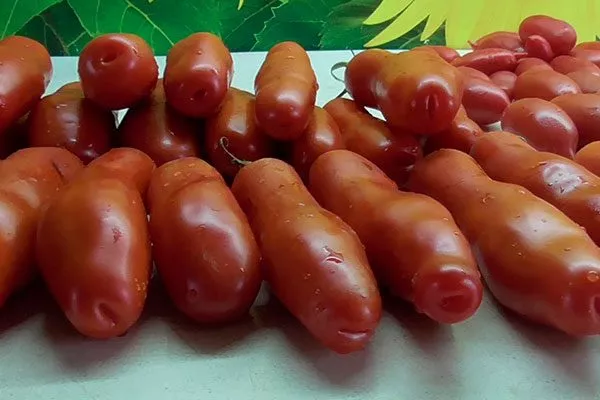
With proper care and bush training, this plant produces high yields, reaching 10.8 kg per square meter or more. The fruits ripen simultaneously and in large quantities. Gardeners achieve the best results by structuring the plants into two stems.
How to use?
Tomatoes are widely used in cooking – they're added to soups, side dishes, and salads. Thanks to their high vitamin and mineral content, this variety is ideal for a healthy and dietary diet.
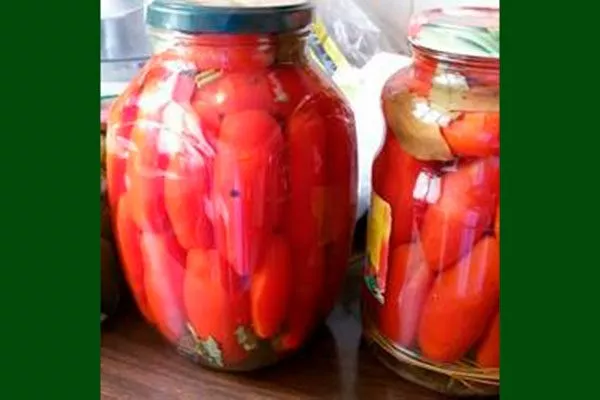
Vegetables are also a great option for winter preserves. Pickling and canning preserve their nutritional properties and rich flavor.
Resistance to diseases and pests
The Casanova tomato has a good immunity, but to ensure a stable harvest, preventative treatments and proper agricultural practices are recommended. With proper care, the plants will be resistant to insect attacks and diseases.
- ✓ High resistance to short-term cold spells.
- ✓ The dense skin of the fruit prevents cracking due to fluctuations in humidity.
The variety is resistant to adverse weather conditions. The bushes easily withstand short-term cold spells, and the thick skin protects the fruit from cracking due to fluctuations in humidity. However, during the flowering period, sudden temperature fluctuations can reduce the number of ovaries.
How to grow seedlings?
This variety is grown primarily from seedlings, ensuring better plant adaptation after transplantation. Seedlings are sown 50-60 days before transplanting into open ground or a greenhouse.
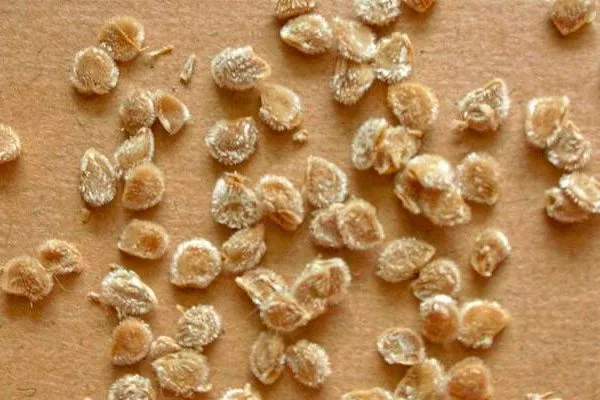
Seed preparation
Experienced gardeners recommend purchasing seeds from specialized stores, as this reduces the risk of planting infections. Follow these guidelines:
- Choose seeds only from reliable sellers, avoiding random purchases.
- Disinfect the seeds beforehand. One simple method is to dry them in the sun for a week to kill any potential pathogens.
- Carry out the germination procedure: place the seeds in a damp cheesecloth bag and leave in a warm place. This process not only determines the germination rate of the seeds but also helps strengthen the plants' immunity to diseases and pests.
Container and soil
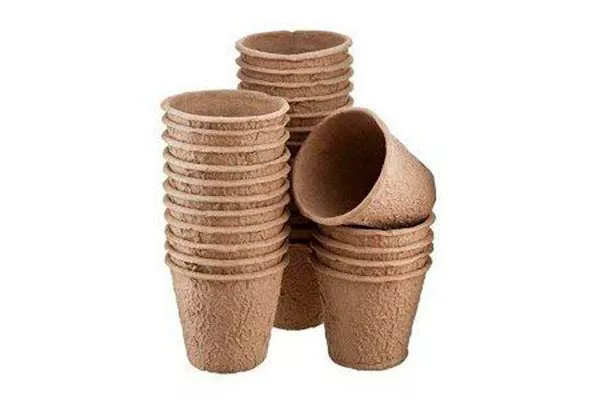
Any clean, dry, small container will do for growing seedlings. If you don't have a special container, you can use plastic cups. Peat pots are ideal, as they are environmentally friendly, retain moisture well, and allow you to transplant the seedlings without removing them.
Purchase seedling soil from specialized stores. Ready-made potting mixes are already disinfected, enriched with nutrients, and have a balanced pH. One of the most popular potting mixes is Universal Soil, which is sold in 500g and 1kg packages.
Sowing, growing and care
Carry out the procedure in the morning. Fill the prepared containers with soil and make small holes 1-2 cm deep. Place one seed in each, then cover with soil. Be sure to moisten the soil with warm, settled water.
Follow these recommendations:
- Grow seedlings in a warm and bright area of the house, such as a windowsill. The optimal temperature is no lower than 22°C. Seedlings require adequate light, so if natural light is insufficient, install fluorescent lamps. Avoid drafts, as they can cause seedling diseases.
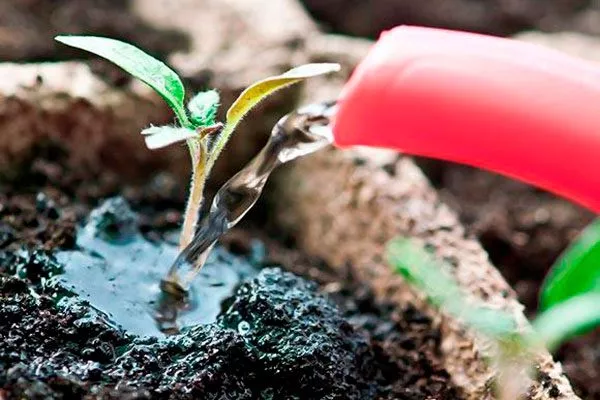
- Avoid watering seedlings with cold tap water, as this will negatively impact their health and development. Water the sprouts every 7-9 days, avoiding overwatering. For gentle moistening, use a pipette, directing the water directly at the roots.
- One to two weeks after germination, begin fertilizing, alternating mineral and organic fertilizers. Tomatoes respond well to ammonium nitrate, saline solution, liquid bird droppings, and nettle infusion.
To strengthen seedlings, use growth stimulants, such as Fitosporin+, which saturates plants with macro- and microelements and promotes a bountiful harvest.
How to grow tomatoes further?
Tomatoes are planted in early July. The Casanova variety has high soil requirements, so it requires a spacious, fertile plot. The process is simple—even a beginner can easily handle it.
- ✓ The optimal soil temperature for planting seedlings should not be below +15°C.
- ✓ The distance between bushes when planting should be at least 50 cm to ensure sufficient space for growth.
Transfer
Before planting, disinfect the soil with a potassium permanganate solution. Treating the beds this way helps protect plants from insect pests and pathogens.
Main requirements:
- Plant seedlings at least 50 cm apart from each other so that when they grow, they do not shade or interfere with the development of neighboring shoots.
- After planting, install a wooden stake next to each plant – this will serve as a support for tying, preventing the stems and clusters from breaking under the weight of the ripening tomatoes.
Care
Caring for Casanova involves a number of agricultural practices. Follow standard care techniques:
- Loosening the beds. Do this weekly to improve oxygen access to the roots. It's especially important to loosen the soil before watering and fertilizing.
- Weed removal. They compete with plants for nutrients. Remove them every 10 days, or more frequently during rainy and foggy summers.
- Regular watering. Water the plants carefully, avoiding drips on the stems and leaves, as this can lead to fungal diseases. The optimal water temperature is no lower than 18°C. 500 ml of water is sufficient for each plant.
- Fertilization. The plant prefers nitrogen-containing substances such as urea or saltpeter. Be sure to fertilize the bushes during flowering and fruiting. Be sure to follow the dosage—excessive amounts of nitrogen can harm the plants.
If you are growing tomatoes in a greenhouse, open doors or windows to provide fresh air.
Features of cultivation and possible difficulties
Casanova requires shaping the bush. Train it into 1-2 stems, removing side shoots. Leave 7-10 clusters on the main stem, and pinch the tops to slow growth. This approach helps speed up fruit development by 1-2 weeks and reduces the risk of disease.
The nuances of growing in open ground and in a greenhouse
When growing Casanova indoors, it's important not only to treat the soil with potassium permanganate but also to disinfect hard surfaces inside the structure. Follow these recommendations:
- Monitor your watering regime: reduce the amount during hot and rainy summers;
- carefully monitor the condition of the bushes and take action at the first signs of disease;
- When growing in open beds, avoid areas with close groundwater levels;
- choose a place protected from the wind;
- Ideal neighbors for tomatoes are legumes, garlic, onions and greens.
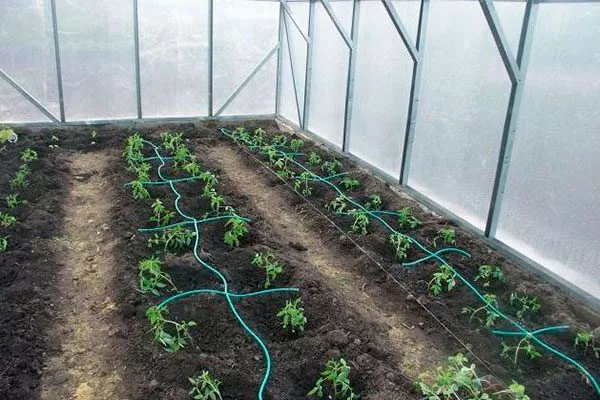
In case of a cold and rainy summer, cover the plantings with film, and when the weather improves, remove it.
Pest and disease control
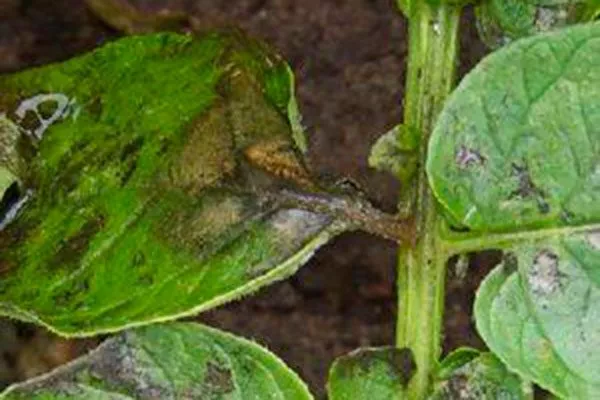
The Casanova tomato has moderate resistance to major diseases and insects, so it's important to recognize and address problems promptly. The crop may encounter the following problems:
- Late blight. Gray or brown spots appear on the above-ground portion of the bush. For treatment, use Oxychom or Zaslon, as well as garlic infusion.
- Cladosporiosis. Accompanied by velvety marks on leaves and stems. For control, use HOM and Oxyhom.
- Blossom-end rot. Wet, dark spots on tomatoes indicate a calcium deficiency. In this case, add chalk or lime to the soil.
- Fusarium wilt. It begins with wilting leaves and branches, and eventually the plant dies. For treatment, spray with Barrier.
- Fomoz. Spots appear on leaves, shoots, and vegetables, which may be due to high humidity or excessive fertilizer. Treat all parts with Oxyhom.
- Aphid. Can cause significant damage. To control, wash the green mass with soapy water, apply garlic infusion, and sprinkle with ash. Insecticides can be used.
- Spider mite. It inhabits the underside of leaves and feeds on their cellular sap, which manifests as a web-like appearance on the plant. Karbofos can be used as a preventative measure.
- Slugs. They can destroy greenery. Pick off the pests by hand and scatter slaked lime or crushed hot pepper around the bushes.
- Mole cricket. It feeds on tomato roots. The product "Grom" or a vinegar solution is effective.
- Whitefly. Confidor is the best remedy for destroying small insects that attack crops.
Pros and cons
The Casanova tomato, like other varieties, has its advantages and disadvantages. It's important to research these beforehand to avoid potential problems later.
Among the negative qualities, some gardeners note the demanding nature of the soil and the need to structure the plants.
Analogues
The Casanova tomato resembles several other varieties in its characteristics and description. Popular similar varieties include:
| Name of the variety | Description and distinctive features |
| Ladies' man | Included in the State Register of the Russian Federation since 2008. Originator: Aelita Agricultural Firm. The tomatoes are long, bright red, with a pointed, elongated tip, weighing 60 g, firm, and slightly fleshy. The flavor is balanced, sweet, and slightly dry. It is an indeterminate variety.
Yields up to 10-12 kg per square meter in a greenhouse. Ripening time is 110-115 days. The variety is resistant to tobacco mosaic virus, verticillium wilt, and fusarium wilt. The fruits do not crack and have a shelf life of up to 4 weeks. |
| Gigolo | The cultivar was developed by Vasily Ivanovich Blokin-Mechtalin. It has been listed in the State Register since 2021. The tomatoes are cylindrical, red, and firm, up to 12 cm long, weighing 100-130 g, and are practically seedless, with a notch at the base. They have a good flavor and a slightly dry flesh. This is a determinate variety.
Yields up to 3 kg. Ripening time is 100-105 days. The bush is low-growing, requires no pinching, grows well in open ground, and has moderate resistance to late blight. |
| Firewood | The variety was developed by the Aelita agricultural firm. It has been listed in the State Register since 2019. The tomatoes are elongated, with a notch at the base, red in color, weighing 80-100 g, with thick walls and firm, meaty flesh, containing few seeds. They have a good, sweet flavor. They are an indeterminate variety.
Yields up to 8-8.5 kg per square meter in protected soil. Ripening time is 107-115 days. Grows compactly even in a greenhouse. Shoot formation is weak. Fruit clusters require staking. |
Questions and Answers
The Casanova tomato is a popular variety, often attracting the attention of gardeners due to its excellent qualities. However, like any crop, it has its own characteristics, which are important to consider when growing.
Below are answers to the most frequently asked questions about the cultivation and use of this variety:
Reviews
The Casanova tomato stands out not only for its high productivity but also for its disease resistance, making it an excellent choice for both beginner and experienced gardeners. This variety thrives in a variety of climates, and its tomatoes boast excellent flavor and versatility. With proper care, you can expect positive results.