
The Katyusha tomato is distinguished by its compact size and spreading habit. This hybrid variety is highly resistant to temperature fluctuations and sudden droughts, and can withstand heat. However, it does have a significant drawback: because it is an F1 variety, it cannot produce self-reproducing seeds for further sowing.
Selection and regions
Katyusha was developed by A. V. Borisov, V. M. Nalizhity, V. A. Skachko, and D. V. Zhemchugov, working as part of the Manul breeding and seed-growing firm. The variety was introduced in 2007.
Katyusha tomatoes exhibit resistance to adverse weather conditions, including heat, cold, and short periods of drought. Therefore, the hybrid can be successfully grown in the Central Black Earth Region and the Far East, and is suitable for cultivation in Siberia, the Urals, Central Russia, and the Volga-Vyatka region.
Description of the bush and fruits
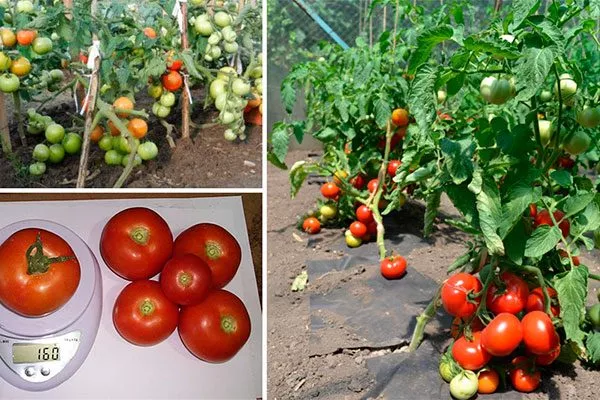
Plants of this variety are determinate, so their growth is limited - in open ground the height of the bush does not exceed 75-80 cm, but in greenhouses it can reach 120-150 cm.
Other varietal characteristics:
- the leaves are medium-sized, dark green, with an oval-pointed shape;
- The variety is cultivated as a standard plant with simple inflorescences, with the first one forming on the bush above 7-10 leaves, and each subsequent inflorescence located two leaves further;
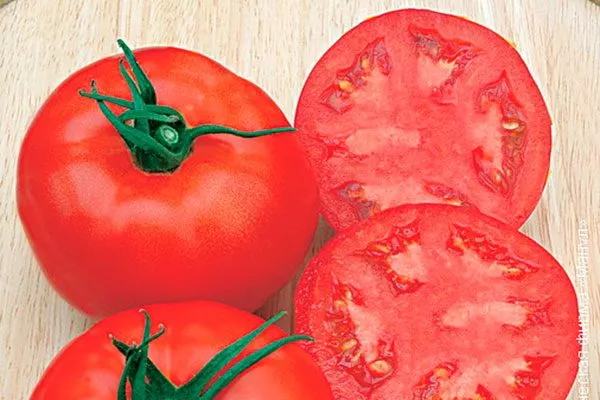
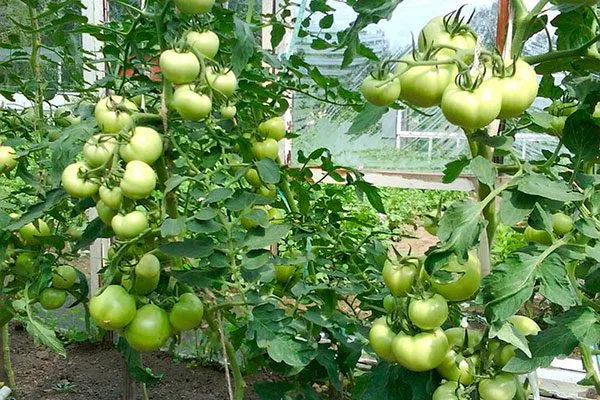
- unripe fruits are light green in color, while tomatoes in a state of technical maturity are deep red, and belong to the large category, weighing from 90 to 335 g;
- the shape is flattened when ripe;
- 5-6 fruits are formed on each brush;
- Katyusha has a sweet and sour taste and medium density, which allows tomatoes to be transported over long distances – up to hundreds of kilometers from the harvest site;
- when evaporated into concentrate, this tomato yields up to 4.8% dry residue (by weight));
- the peel is smooth, shiny and strong;
- the stalk is strong, which allows the fruits to be stored after harvesting – in the refrigerator for at least 10 days;
- sugar content does not exceed 2.9% (moderate).
Main characteristics
Katyusha is a tomato variety that can be grown both in greenhouses and outdoors. This hybrid is resistant to various diseases, making it attractive to beginners.
Ripening and fruiting, productivity
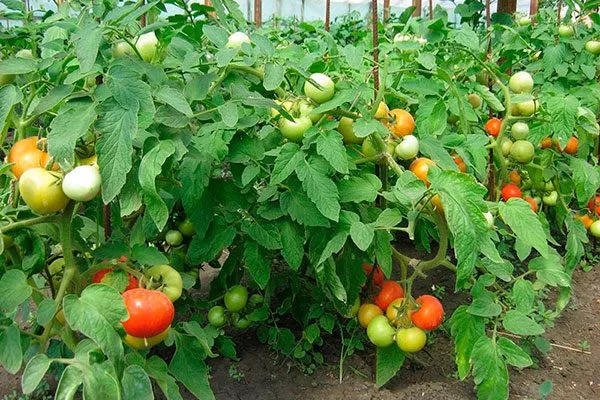
As a mid-season variety, Katyusha reaches maturity approximately 115-120 days after planting. It is characterized by a good yield:
- you can harvest up to 4-5 kg from each bush;
- per hectare in the Central Black Earth Region and the Central District – from 159 to 533 centners;
- in the Far Eastern District – from 240 to 423 centners;
- From an area of 1 square meter in open ground you can get about 10 kg of vegetables, and in greenhouses – up to 16 kg.
Scope of application
This variety has gradual ripening, allowing you to enjoy its flavor for weeks or even months. Katyusha tomatoes have a sweet flavor and juicy flesh, making them widely used in cooking:
- they are ideal for preparing soups, salads, side dishes, tomato juices, pastes and ketchups;
- Due to its small size, Katyusha is used for canning and pickling (it retains its flavor even after heat treatment).
How to grow seedlings?
Proper seedling preparation is crucial to ensure a highly profitable harvest. Therefore, it's important to carefully consider the steps required for this purpose.
Seed preparation
In a competitive market, it's crucial to choose the right seeds for planting. Experienced gardeners advise carefully reading the information on the seed packaging before purchasing. It's also worth checking online for reviews of seed producers.
Preparatory activities include several simple steps:
- Before planting seeds, they need to be disinfected. Cheesecloth and potassium permanganate are sufficient for this. Soak the seedlings in a 1% potassium permanganate solution for 10 minutes. This will help prevent potential seedling diseases in the future.
- To increase yield, it is recommended to treat the seeds with nutrients. These include Epin and Immunocytophyte. After treatment, dry them without rinsing with water.
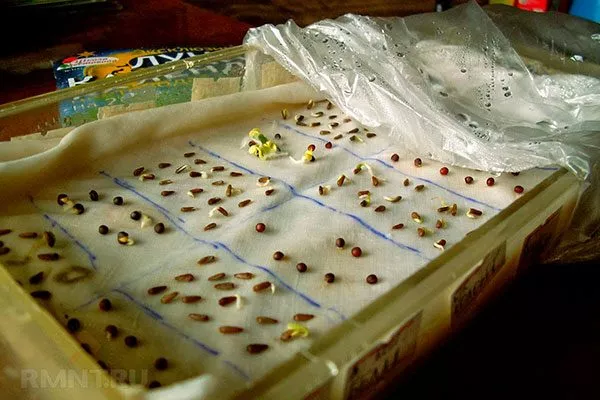
- To get an earlier harvest, it's recommended to germinate the seeds. Place them in a small container and cover with damp cheesecloth. The ideal temperature for germination is around 25 degrees Celsius (77 degrees Fahrenheit). It's important to keep the cloth moist. The germination process should last about three weeks. Without this procedure, the seeds may rot in the soil.
- ✓ Optimum soil temperature for seed germination: 25-28°C.
- ✓ Required air humidity for seedlings: 60-70%.
Container and soil
Growing plants begins with choosing a suitable container. A variety of options can be used, from wooden crates to plastic containers and even ordinary mayonnaise jars. The key is to provide enough space for the seeds to germinate. Soil is a bit more challenging, as it must meet certain requirements.
There are two methods of preparing the substrate:
- First - Create your own soil mix. It consists of clean soil, wood ash, and compost in a 2:1:1 ratio. Eggshells can be used as an additional component. Don't forget to disinfect the mix, for which potassium permanganate is suitable. Soak the soil with the solution and add antifungal agents (such as Fitosporin).
- The second way is – Purchase ready-made potting soil at gardening stores. It should be lightweight and breathable. These mixtures already have the required pH and moisture levels taken into account. Purchasing a ready-made product will save you time and effort.
Sowing
To ensure that the plant grows strong and fruitful, follow these steps:
- Prepare a suitable container - this can be a box or any other container for seeds.
- Prepare the substrate according to requirements.
- Process the planting material.
- Fill the containers with a small amount of potting soil and make shallow holes in it, no more than 2 cm deep.
- Place one seed in each hole and carefully cover with soil.
- Water thoroughly immediately after planting, using only warm water that has been sitting for a couple of days. The soil may require additional soil after watering, so be sure to add more to the container.
- Cover the containers with plastic wrap or thin glass to maintain the desired humidity level. Place them in a warm location, such as near a radiator.
Growing and care
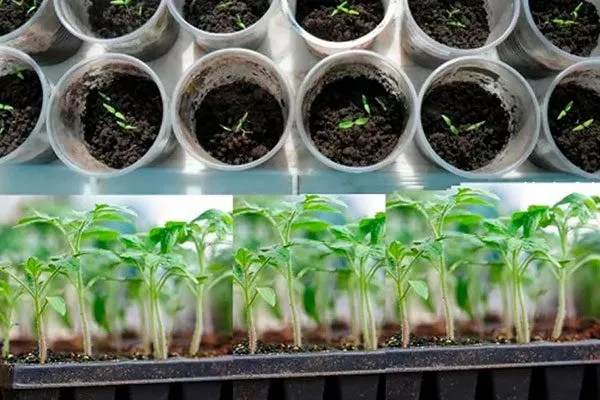
For seedlings to thrive, they require bright light. It's best to choose the brightest corner of the room, such as the one closest to a window. If it's too dark, you'll need to install artificial lighting with fluorescent bulbs. In the first few days after germination, continuous light will help the seeds develop more effectively.
Other events:
- It's important to keep the young plants in a humid environment at all times. Don't rush to remove the protective film or glass; instead, gradually, starting from the first days, allow them to breathe by opening the cover a little each day. Completely remove the protective layer two weeks after the first green shoots appear.
- Control moisture by watering the sprouts as the top layer of soil dries out, ensuring that water reaches the base of the stem. This can be easily accomplished with a syringe or pipette.
- Pay special attention to inspecting your seedlings daily in the morning. If you notice signs of insufficient moisture, such as a limp appearance, immediately moisten the soil.
- After 2-3 weeks of shoot emergence, begin fertilizing the seedlings with organic components. Repeat this fertilizing procedure weekly to maintain plant health and growth.
Transfer
Selecting a site and preparing the soil for growing Katyusha tomatoes begins early, even before winter sets in. It's important to thoroughly dig the beds and improve the soil structure:
- To enhance the nutritional qualities of the soil, you can add compost or humus, as well as mineral fertilizers: superphosphate, potassium sulfate and wood ash;
- In case of acidic soil, it is recommended to use dolomite flour or lime for neutralization.
With the arrival of spring, it's necessary to fertilize and loosen the soil again, and mark out seedling planting sites by digging holes 50-55 cm apart. There should be at least 60-70 cm of space between rows.
The process of planting seedlings is as follows:
- Dig holes according to the pre-selected pattern.
- Carefully remove the young plants from their planting containers.
- Place each plant in the center of the dug hole, carefully spreading out the root system and covering it with soil.
- Water the plantings, avoiding contact with the leaves, and cover the trunk area with sawdust or peat.
In areas with a high risk of frost, it's recommended to protect plants with plastic stretched over a metal frame. It's convenient if the structure is easily disassembled so it can be removed when the weather stabilizes.
Care
Katyusha is not difficult to care for, but it is very important to follow the originator's recommendations regarding the variety's requirements and preferences.
Moisturizing
Tomatoes require systematic watering, which is carried out once or twice a week using settled, not cold water.
To prevent the development of diseases, special attention should be paid to the root system, moistening the soil directly near the roots and not over-watering.
One bush will require approximately 3-5 liters of water. The optimal time for this procedure is evening hours or cloudy days to avoid possible sunburn.
Fertilization
The first feeding of Katyusha tomatoes should be done a week after planting them in their permanent location. To do this, dissolve 1 tablespoon of nitrophoska and 500 ml of diluted mullein in a bucket of water, then distribute the resulting mixture at a rate of 1 liter per plant.
During the growing season, you need to feed the bushes twice more:
- After the formation of the first flower brush. For this, you can use a solution of 500 ml of chicken manure, 2 tsp. superphosphate and 1 tsp. potassium sulfate, 10 liters of water.
- During the formation of the third flower brush. To do this, prepare a solution of 10 liters of water, 2 teaspoons of potassium humate, and the same amount of nitrophoska. This will help provide the tomatoes with the necessary nutrients for continued growth and fruiting.
Bush formation
Many tomato varieties require regular care, including removing excess shoots and strengthening stems to prevent them from stretching and damaging, as well as to prevent the fruit from shrinking. Katyusha is no exception, but experienced gardeners recommend training the bush to a single stem until it naturally stops growing or regularly replacing the growing point with side shoots.
The choice of method depends on the conditions under which tomatoes are grown (the second option is more typical for greenhouses), but to avoid confusion, you can choose to form all the plants into one stem.
This is done easily:
- when the first extra shoot appears under the central brush with blossoming flowers, it should be removed, preferably before it reaches a length of 5 cm;
- All subsequent shaping actions are carried out at intervals of 10-11 days, so that new lateral shoots have time to grow a little, but do not outgrow them.
It is recommended to remove side shoots in the morning or evening, breaking off excess shoots not at the base, but leaving a stump about 2 cm long. This will prevent the growth of new, extra stems.
Loosening the soil and weeding
Cultivating the soil and simultaneously removing unwanted weeds from it will not only not interfere, but will also promote the rapid and full development of tomatoes, especially when it comes to young plants that have not yet become established and adapted to open ground conditions.
It is recommended to carry out these procedures after watering, without penetrating the tool deeper than 15 cm. It is also important to maintain a sufficient distance from the trunk of the bush and not to loosen the soil too close to it, so as not to damage weak plants or uproot them.
The soil is loosened once every 10 days or as needed when a crust forms on the surface of the bed.
Features of cultivation and possible difficulties
One of the challenges when growing tomatoes is the risk of fungal and bacterial infections. These microorganisms can appear as a result of excess humidity and heat. To prevent this, preventative measures are necessary, such as fertilizing and spraying with special preparations.
There are also other recommendations:
- To ensure tomatoes can withstand changing climate conditions, hardening them off is essential as early as seed preparation. To do this, wrap the seeds in cheesecloth and place them in the freezer overnight, then leave them at room temperature for 24 hours.
By repeating these steps several times, the seeds become accustomed to weather changes, which is especially important for gardeners in central Russia. - Although Katyusha is highly resistant to weather fluctuations, in central Russia it is recommended to plant it in a greenhouse for a higher yield. In the south of the country, this variety can be grown outdoors.
- Tomatoes require periodic nitrogen-containing fertilizers. However, excessive amounts of this element can lead to disease and limited foliage growth, so it's important to carefully monitor the amount and frequency of fertilizers.
The nuances of growing in open ground and in a greenhouse
When growing tomatoes outdoors, it is important to consider several key factors:
- climate features in your region;
- optimal predecessors for tomatoes are crops such as potatoes, cucumbers and cabbage;
- The distance between bushes should be sufficient to prevent them from becoming too dense.
If you decide to grow Katyusha in a greenhouse, please pay attention to the following points:
- mandatory disinfection of soil and all surfaces;
- rapid growth of bushes in greenhouse conditions can be achieved by periodically removing side shoots;
- High humidity in the greenhouse requires regular ventilation to prevent possible problems.
Pest and disease control
No seed producer can promise absolute protection against viral infections and insects. Katyusha, like other tomato crops, is susceptible to infection by:
- The most dangerous disease for tomatoes is late blight. This fungus, once it penetrates the plant, begins to slowly destroy it. Identifying late blight is easy: the leaves become covered with brown spots or a white coating.
This pathogen spreads between plants at an incredible rate, so prompt identification and removal of infected plants is critical. - Katyusha is susceptible to tobacco mosaic and powdery mildew. These diseases can be caused by nutrient deficiencies or excess nitrogen and moisture. To avoid these problems, preventative measures should be taken early to avoid having to deal with the disease.
- Among the pests, whiteflies and spider mites are particularly noteworthy. These parasites disrupt plant metabolism, robbing plants of their most valuable components, leading to crop death.
Pros and cons
Advantages of the Katyusha tomato:
The Katyusha variety has no serious flaws. Sometimes, growing problems arise due to excessive fruiting on a single plant, which can lead to branch breakage.
Reviews
If you're looking for high-quality tomatoes in your garden, the Katyusha hybrid is ideal. Even a novice gardener can reap a bountiful harvest thanks to its easy care. This variety's tomatoes boast a sweet-tart flavor and a pleasant aroma, making them the perfect complement to any dish.