
The Kaspar tomato can be a profitable purchase for gardeners and farmers across Russia. Careful consideration of its characteristics is essential to make an informed decision about growing it. This hybrid is distinguished by its high productivity and unusual fruit shape, which attracts many vegetable growers.
Features of the variety, bush and fruits
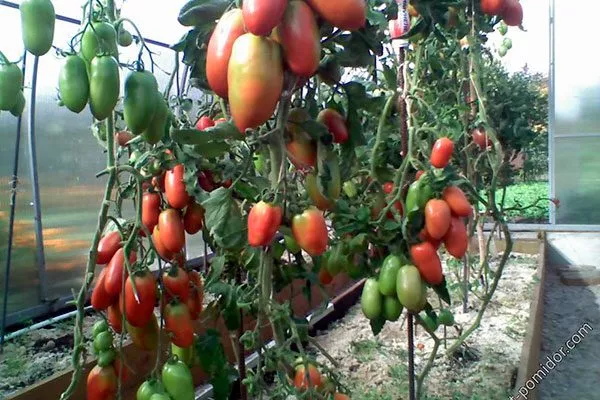
The Kaspar tomato is a mid-early, determinate hybrid that can be grown in greenhouses, hothouses, and even in the open field. Determination means that the bush's growth is limited, and after reaching a certain height, it begins to produce fruit.
Varietal characteristics:
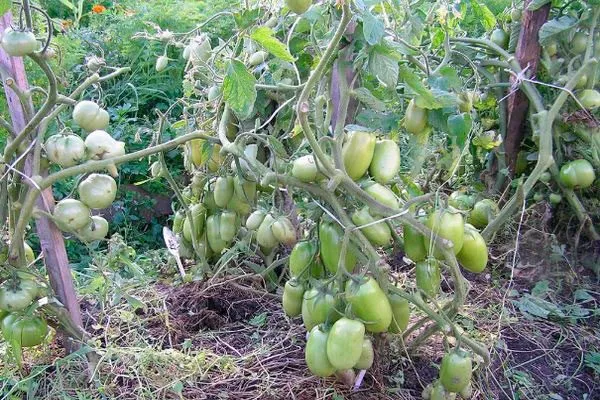
- According to the manufacturer, the height of the Kaspar F1 bush does not exceed 50-55 cm, but in practice, in open ground conditions, the bushes can reach a height of 80-100 cm, and in hotbeds and greenhouses - up to 110-135 cm.
- The bushes have large leaves, but the plants are compact in size.
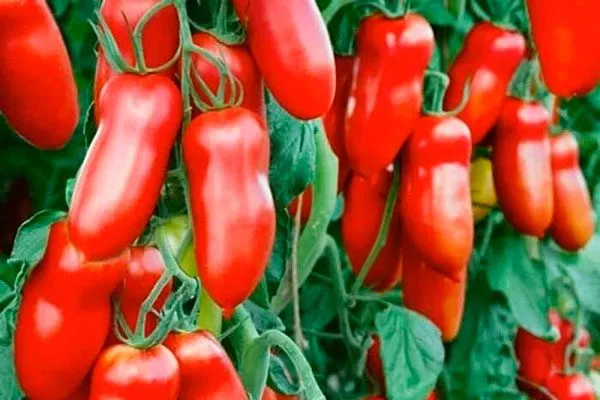
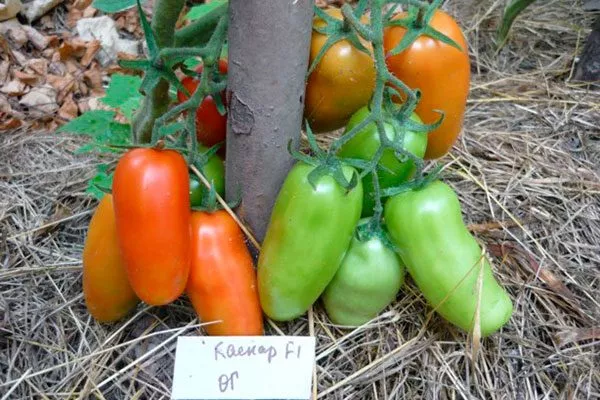
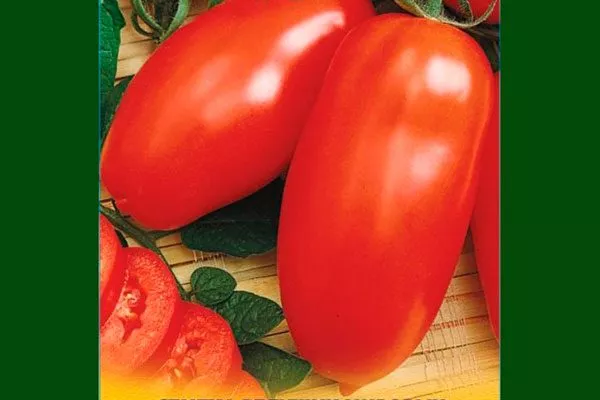
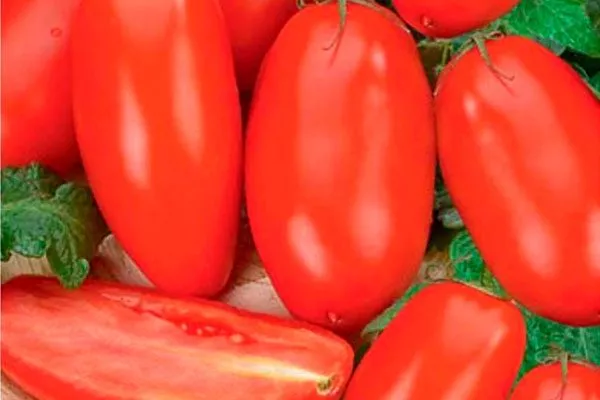
- The fruits are characterized by an attractive red-orange skin color and have an elongated cylindrical shape, reminiscent of a bell pepper with a characteristic sharp tip.
- The weight of each vegetable is 80-120 g, while individual specimens can weigh up to 200 g.
- The fruit contains 3-4 chambers and very fleshy pulp. The consistency is firm, with a dry matter content of up to 5.2%.
- The skin of these fruits is particularly strong and somewhat rough. If you plan to use them in salads, it's recommended to peel them, which is easy and doesn't require boiling. This is achieved because the skin separates easily from the pulp.
- The strong skin ensures excellent shelf life of tomatoes (up to a month at room temperature and up to 8-10 weeks under optimal conditions) and their resistance to transportation.
- Tomatoes don't burst on the vine or turn into an unpleasant mush when heated, maintaining their shape, texture, and vibrant color even after slicing.
- The Kaspar F1 plant has particularly dense and abundant foliage, which is an advantage for growing in southern regions, as the foliage protects the fruits from sunburn and drying out.
- The vegetables are light green in color when unripe and orange-red in color when fully ripe.
Main characteristics
Kaspar is a first-generation hybrid, hence the "F1" designation. This same factor prevents vegetable growers from collecting their own planting material, so be prepared to purchase it annually from a gardening store. If you try to grow it from your own seeds, the resulting tomato won't match the varietal characteristics.
Growing regions, selection
The Kaspar tomato, developed by the renowned Dutch company Royal Sluis, is renowned for its high-quality produce. Despite not being registered in the State Register of Agricultural Achievements, this variety is popular among Russian gardeners and is successfully grown in a variety of climates:
- in the south and central zone countries it develops well in open ground;
- in the northern regions Its full potential is realized only in greenhouse conditions.
Ripening and fruiting, productivity
Kaspar F1 tomatoes are distinguished by their long fruiting period, which can last more than two months, depending on meteorological and climatic factors:
- from the moment of planting seedlings in a greenhouse until the first harvest, it takes 85-90 days, and in open ground conditions - 100-110 days;
- the average yield from one bush is about 1.5 kg, and from 1 square meter of area - up to 10 kg;
- tasty fruits can be appreciated as early as June 25 or from July 5-10, depending on the cultivation method and climate;
- The bushes continue to bear fruit until the end of August, and in warmer southern regions – even until September 15.
How to use?
The main component of tomatoes is dense pulp, enriched with dry components, which make up to 5.2% of the total weight. Vegetables with these characteristics are ideal for a variety of preserving methods: from assorted dishes to marinades and skinless preserves in their own juice.
Vegetables are renowned not only for their durability during transportation but also for their excellent shelf life. Harvested at the milky stage, they can retain their quality for several months without loss.
Improved forms of Caspar F1
Specialists from Royal Sluis modernized a hybrid, which was used to develop a new tomato variety, Hypil 108 F1. This hybrid is characterized by an accelerated ripening period and a slightly pear-shaped fruit, but its consumer properties have not changed significantly.
Furthermore, domestic breeders, led by A. N. Lukyanenko and in collaboration with the company "Sedek," improved the Kaspar F1 variety, introducing a hybrid called Kaspar 2 to the market. This variety was registered in the State Register of Breeding Achievements in 2015 and is recommended for cultivation in various climatic conditions.
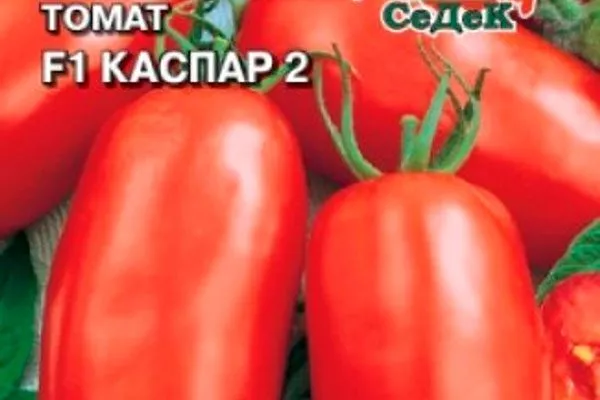
Kaspar 2 has the following characteristics:
- determinate variety;
- the bush grows up to 80 cm;
- mid-early variety, reaches maturity 100 days after germination;
- minimal pruning is required to form a bush; the optimal number of stems is two;
- The fruits are cylindrical in shape and weigh around 90g, making them ideal for whole-fruit canning and pickling, especially considering that they have a higher sugar content than the previous variety.
Peculiarities of growing seedlings
This variety is grown in greenhouses and open air. The recommended plant spacing is 30-35 x 70-75 cm or 50-55 x 70-75 cm, allowing for 7 to 9 plants per square meter.
Seed preparation
To prepare seeds for sowing, you should follow a series of simple but important steps:
- The planting material is placed in a salt solution to weed out unsuitable specimens (add 2 tablespoons of salt to 500 ml of water). After 30 minutes, the sunken seeds are removed, carefully rinsed, and dried. The remaining seeds are discarded.
- Next, the seeds are placed in a solution of water with potassium permanganate added, where they remain for half an hour to kill pathogens. Afterwards, they are rinsed and dried again.
- Treated seeds should be treated with any growth-stimulating fertilizer to increase their germination (Epin, Zircon, etc., in accordance with the instructions on the packaging).
- To germinate the seeds, spread them evenly on damp cheesecloth, spray them with warm water, and wrap them in plastic. Then, place them in a cool, dark place for 48 hours. During this time, be sure to mist the seeds with water several times to prevent them from drying out.
Soil
To grow healthy Kaspar F1 tomato seedlings, you need to prepare the soil. The optimal solution is to use a special substrate for vegetable seeds or create your own mixture consisting of 10 kg of garden soil, 5 kg of compost, 2 kg of charcoal, and 2 tablespoons each of potassium sulfate and superphosphate.
To improve drainage, you can add 2 kg of sand to the soil. Before sowing, disinfect the soil mixture using a raspberry solution of potassium permanganate, boiling, or heating it in the oven.
Planting container
Boxes or plastic containers can be used as seeding containers, but this will require transplanting. To simplify the process, many gardeners prefer to use disposable plastic cups or 400-500 ml peat pots with several holes in the bottom to drain excess moisture.
Sowing scheme
To ensure abundant fruit production, certain conditions and guidelines must be followed. Strict adherence to the sowing time is the key to success. The best time to sow seeds for seedlings is early or mid-March.
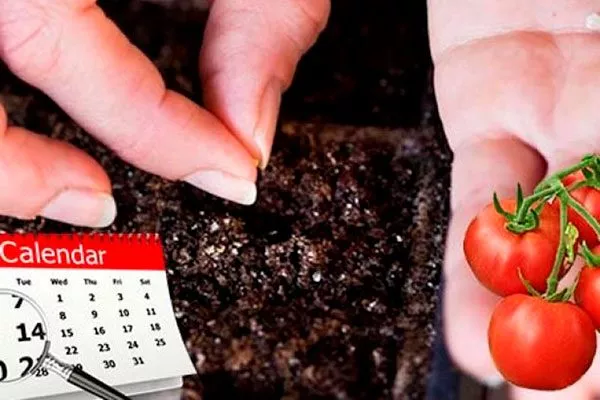
To do this, follow these steps:
- Make shallow holes (up to 1 cm) in the soil using a pencil or pen.
- Place one or two seeds in each.
- Sprinkle with a thin layer of a mixture of sand and soil (ratio 1:1).
- Water from a spray bottle.
- Place in a warm place with soft daylight and cover with a transparent cover.
Germination conditions
As soon as the first shoots appear, the seedlings should be moved to a cool room with a temperature of 16-18°C. After 10 days, the young shoots are moved back to a warm place with a temperature of 20-22°C, with the nighttime temperature set to 14-16°C.
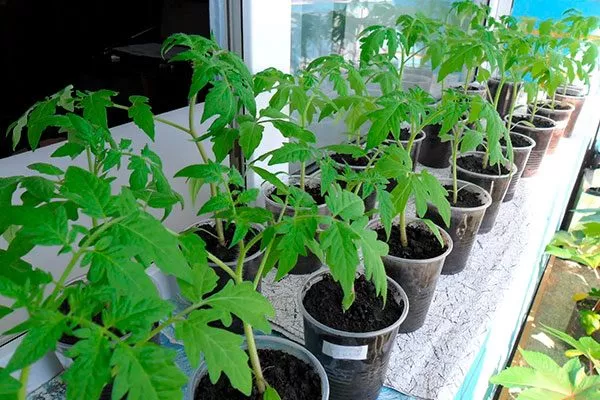
Caring for seedlings involves the following actions:
- Moisturizing. It's important to water the seedlings properly: tomato seedling roots are particularly fragile, so carefully pour the liquid around the edges of the container using a watering can without a nozzle. It's important to mist the plants daily, and twice during dry periods.
- Lighting for seedlings. Young seedlings require plenty of light, so they should be placed near a south-facing window or balcony. If natural light is insufficient, use phytolamps. Remember to rotate the containers periodically to prevent asymmetrical growth.
- Dive. If the seedlings are too closely spaced, they should be replanted immediately after the first leaves appear. Place the seedlings at a depth of 3-4 cm, spaced 5-7 cm apart, while maintaining the root ball. After 20-25 days, transplant them again into larger containers.
- Top dressing. Fertilizing should begin 15-20 days after the first shoots appear. Fertilize the seedlings every 10 days using ready-made complex preparations or natural ingredients such as wood ash, eggshells, or chicken manure.
Transfer
The Kaspar tomato seedlings should be transferred to the open garden after May 20, and they can be placed in the greenhouse a little earlier, in April or early May.
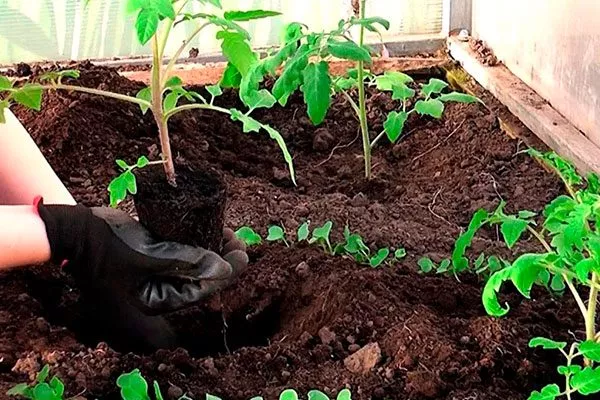
Preparing the soil for growing tomatoes requires ensuring it is permeable to air and water. Do this in advance, in the fall, using fertilizers including compost, eggshells, and ash.
Rules and recommendations:
- If you plant the Kaspar tomato variety too closely, the productivity and quality of the crop will be reduced.
- Before planting, the soil should be leveled and 10 g of superphosphate should be added to each hole.
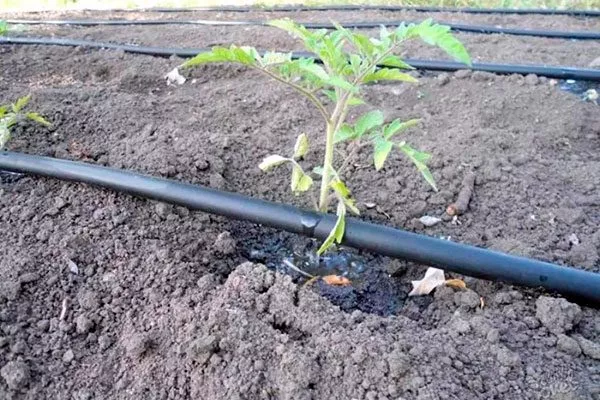
- After planting, moisten with settled water at room temperature.
If your Kaspar F1 tomato seedlings have outgrown their roots, dig a trench instead of a hole. Remove the lowest leaves, and plant the plants horizontally with their crowns facing north. This planting technique promotes the development of additional roots, strengthening the plant, but may slow the growth of the above-ground parts somewhat.
Care requirements
Caring for Kaspar F1 tomatoes involves a number of important steps: in the first days after transplanting, the plants must be protected from high temperatures and cold. To do this, they are protected with agrofibre during the hours of intense sunlight and covered with plastic film in the evening.
Watering
Regular watering is key to successful growth and a bountiful harvest. Consider the following:
- The first watering should be done a week after transplanting tomatoes, and all subsequent waterings should be done depending on the soil moisture level;
- The procedure is especially important at the beginning of flowering and at the stage of fruit formation, which will increase the number of ovaries and fruiting rudiments;
- After each watering, loosen the soil and remove weeds;
- Protect the trunk area with peat to prevent the roots from drying out.
Top dressing
The Kaspar F1 hybrid's characteristics note its high yield when properly fed. To achieve maximum results, several additional fertilizing sessions are necessary throughout the season:
- The first time - Apply organic fertilizer in the form of a urea solution (200 g per 10 liters of water). Apply 200 ml of the solution under each plant three weeks after transplanting the tomatoes into the garden.
- The second stage of feeding is Mineral fertilizers, including superphosphate and potassium salt, at a rate of 15-20 g per 10 liters of water. The consumption rate per plant is 500 ml.
- Third - During the fruit formation stage, it is recommended to repeat this fertilization in the same volume. Additionally, spray with a boric acid solution (20 mg per 1 liter of hot water) before flowering and a week after the flower buds die back. Boron improves the yield and increases the plant's resistance to disease.
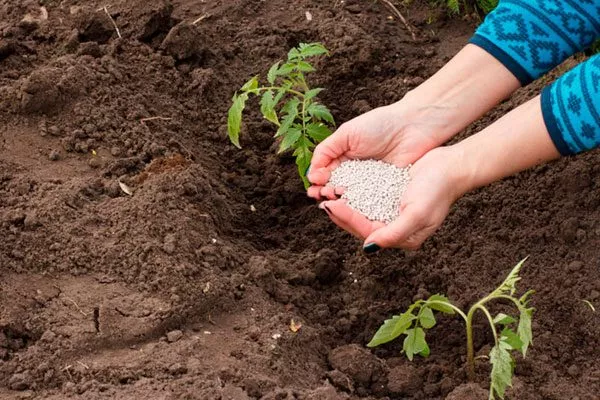
Calcium is a key component for the Kaspar F1 variety. A deficiency can lead to blossom-end rot, which significantly impairs shelf life and appearance. To prevent this, apply calcium nitrate throughout the season (10-12 g per 5 liters of water) during the flowering stage and after the first harvest.
Garter and shaping
The manufacturer claims that the plant requires no special care, but this isn't entirely true. In subtropical climates, the Kaspar F1 variety can thrive without any special care, and its abundant foliage can even be beneficial, protecting the plants from sunburn.
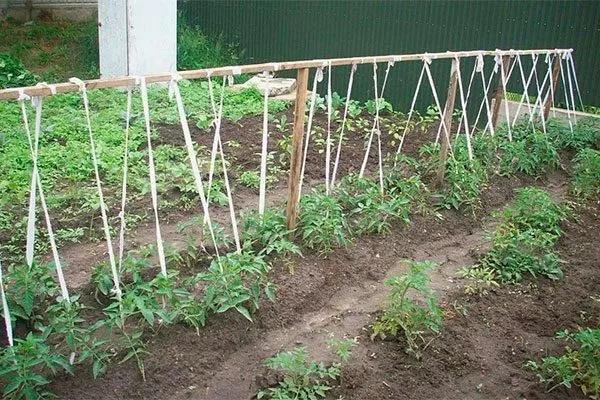
In colder zones, it's recommended to remove excess foliage to speed up fruit ripening. It's important to structure the plant with two stems—in addition to the main shoot, leave another shoot beneath the first fruiting branch.
Prevention of diseases and pests
Tomatoes are quite disease-resistant, but periodic preventative maintenance will still be beneficial:
- Three weeks after transplanting, treat the plants with HOM, Skor, or a mixture of copper sulfate and Bordeaux mixture. Repeat the treatment with these same products before flowering.
- To protect against pests, regularly remove weeds and sprinkle the soil with ash or ground hot pepper. If insects appear, spray the plants with a mixture of ash and soap or an infusion of onion and garlic.
- To protect greenhouse tomatoes from rot, follow watering guidelines, avoid overwatering, regularly loosen the soil between rows, and promptly remove plant debris and weeds.
If tomatoes have been damaged by diseases during the fruiting phase, treatment is not recommended, as the fruits may absorb chemicals and become unfit for consumption.
Remove infected plants immediately to prevent the disease from spreading to healthy plants. Treat the area where the diseased tomatoes were growing with a concentrated solution of potassium permanganate or copper sulfate.
Pros and cons
This variety has gained popularity among amateur gardeners and farmers due to its low maintenance and ease of care. It grows well throughout almost all of Russia, with the exception of the northernmost regions, and is suitable for commercial cultivation.
Reviews
Kaspar F1 is a mid-early, determinate tomato hybrid ideal for growing in both greenhouses and hothouses, as well as in the open field. Developed in the Netherlands, this variety hasn't yet achieved the same popularity in Russia as it has in its home country, but it is gaining recognition thanks to its many positive characteristics.