
The Kas 21 tomato is an exclusive variety developed by renowned breeder Kasencji. It is a result of hybridization between P 20 and Bawole Serce Kasencji. It is classified as an indeterminate variety and is intended for fresh consumption. It is ideal for canning, pickling, and making fresh juices.
Description of the bush and fruits
Analyzing the bushes and fruits, it is worth noting that plants of the Kas 21 variety can reach a height of 160 to 180 cm. Their shape resembles a semi-spreading shrub.
There are also other varietal characteristics:
- The bush has medium branching, and the leaves are green and dense. Maintain the bushes by regularly tying up the branches and removing excess shoots (side shoots), leaving one or two of the best stems for maximum yield.
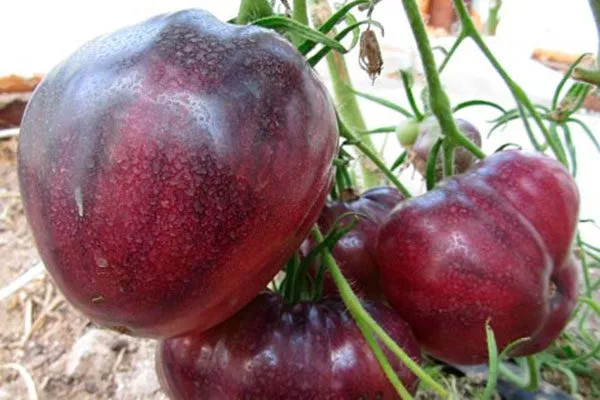
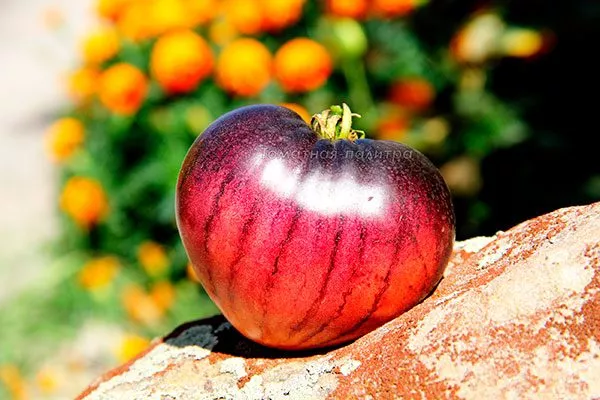
- The Kas 21 tomato is characterized by high quality and transportability. Its weight ranges from 250 to 350 g. Its heart-shaped form makes it attractive.
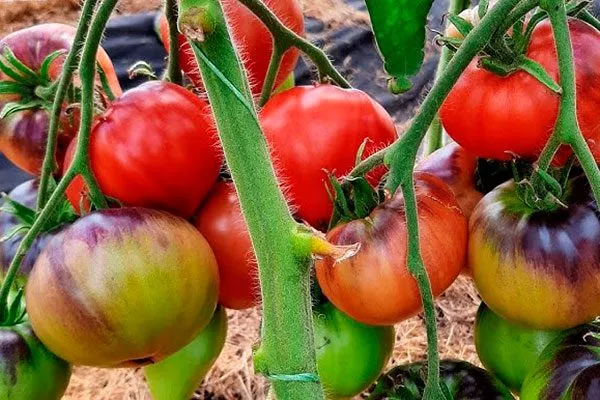
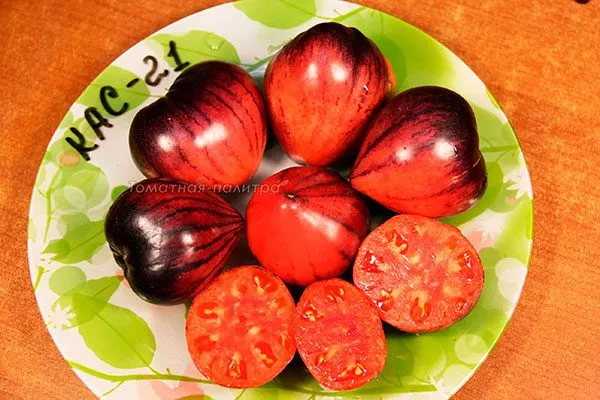
- Unripe fruits are green in color, while ripe ones have a raspberry-pink hue with purple shoulders.
- The flavor of the Kas 21 tomato is delightful—the flesh is firm and raspberry-pink, while the skin has a purple tint, mostly concentrated along the shoulders. The skin is medium-thick, providing additional stability.
Main characteristics
The Kas 21 tomato is a versatile variety that can be grown both in open fields and in protected greenhouses. It boasts high commercial quality and is easy to transport. However, this variety requires support and training, leaving one or two shoots.
Kas 21 is a mid-season variety, reaching maturity 105-115 days after the first green shoots emerge. Like many varieties, Kas 21 has a long fruiting period, providing fresh tomatoes for a long time.
Growing
The Kas 21 tomato crop can successfully bear fruit both in open beds and in greenhouse spaces protected from atmospheric influences.
- ✓ Check the seeds for germination by placing them in water for 10 minutes: seeds that float to the surface are not suitable for planting.
- ✓ To improve the soil structure, add vermiculite or perlite in a ratio of 1:10 to the total volume of soil.
To achieve a high-quality harvest, it is necessary to create ideal conditions for the plant:
- Ensure adequate light. Tomatoes love sunlight, so the optimal daylight hours for them are 12 to 14 hours.
- Soil selection. Tomatoes aren't picky about soil, but they grow best in light loam or a sandy soil mixture. The ideal composition of such a substrate includes 20% sand, 30% soil, 20% peat, and 30% compost. The optimal soil pH for tomatoes ranges from 6 to 6.5.

The sowing process begins with selecting a container with a capacity of at least 400 ml, with drainage holes. Then follow the instructions:
- Prepare a small pot by thoroughly disinfecting it.
- Fill with soil without large coarse particles.
- Moisten the soil and draw a mesh with cells of about 1-2 cm across it.
- Place the seeds at the intersections of the grid lines, lightly sprinkle them with substrate to a thickness of 1 cm, and then moisten them again.
- To prevent the soil from drying out before the first green shoots appear, cover the pot with plastic wrap or place it in an identical bag.
- ✓ Seedlings must have a strong stem at least 5 mm thick.
- ✓ Leaves should be a rich green color without spots or damage.
When the first shoots appear, provide continuous lighting for 3-5 days, then reduce it to 18-20 hours per day. By the fourth or fifth week, reduce the lighting to 11-12 hours.
Before moving young bushes to a permanent location, select a site in accordance with crop rotation:
- Useful precursors:
- radish;
- zucchini;
- cabbage;
- carrot;
- radish;
- cucumber;
- turnip;
- pumpkin;
- mustard;
- green manure.
- Undesirable precursors:
- tomato;
- eggplant;
- potato;
- corn;
- pepper.
The process of planting seedlings:
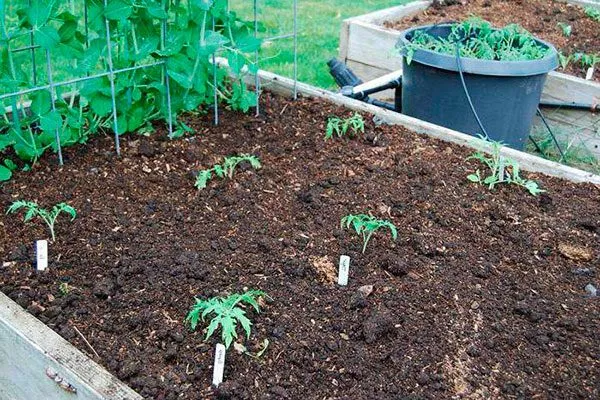
- Make a depression in the garden bed and moisten it well (3-5 liters of water), then give the soil time to soak (1 hour).
- Then, carefully, avoiding damaging the roots, remove the seedling from the glass, having first moistened the soil and also given it time to soak in water.
- Place the seedling in the hole and compact it lightly, filling all the voids with soil so that a small depression remains around the trunk, which will help in the future to properly water the plants at the roots.
Further care
For tall tomatoes with large fruits, the method of structuring on one trunk is recommended, while when planting with a large interval between plants, 2-3 stems can be used (it is necessary to perform stepsoning and pruning of foliage).
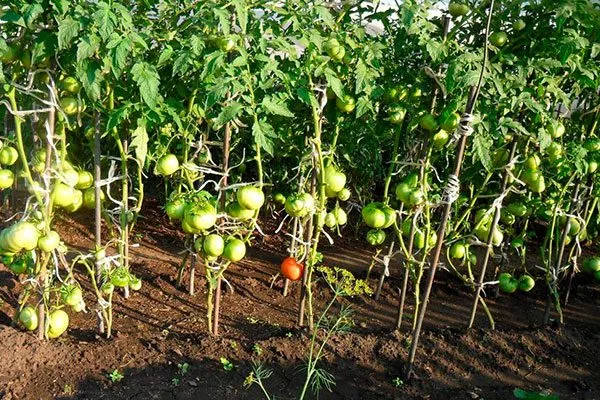
When watering, avoid getting water on the leaves and stems. It's recommended to water infrequently but thoroughly. On average, water the plants 1-2 times a week, and during hot periods, up to 2-3 times. Fertilize according to the standard schedule.
Reviews
According to gardeners, Kas 21 boasts excellent flavor and high productivity. This variety is ideal for a variety of dishes, from raw consumption to canning and juice production. Growing Kas 21 requires little effort and can be successfully accomplished both outdoors and in plastic greenhouses.