
Cardinal is a tomato variety prized for its high productivity and excellent flavor. The fruits are large, fleshy, and sweet, ideal for salads and other culinary dishes. This variety is resilient to temperature fluctuations, has good cold tolerance, and is disease-resistant, making it an ideal choice for a variety of climates.
Selection, description of the bush and fruits
The variety was developed by specialists of the Selection and Seed-Growing Firm TOMAGROS LLC – E. N. Andreeva, S. L. Nazina, K. B. Bogdanov and E. A. Sysina, and received permission for use in 1998.
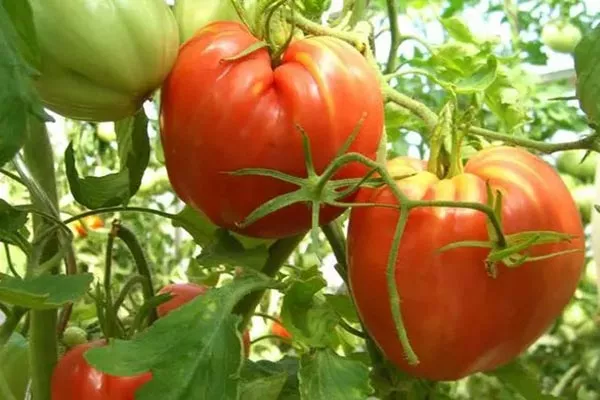
This crop is distinguished by its large vegetables and resistance to most nightshade diseases. Before planting, it's worth familiarizing yourself with its characteristics:
- Growth type. This is an indeterminate variety, characterized by unlimited stem growth. The bushes grow up to 1.5 m, so they need to be trained and tied to a support.
- Compactness. The plant is weakly branched, compact, with medium-sized leaves.
- Leaves. Normal shape, rich green color.
Other distinctive qualities:
- Inflorescences appear every 3 leaves, starting from 8-12 true ones.
- Ripening occurs gradually on brushes of different levels.
- The tomatoes have an elongated oval shape with a pointed end. They form neat clusters.
- The skin is thin, matte, pink with a raspberry hue.
- The weight of one vegetable varies from 300 to 800 g.
This variety is renowned for its long-lasting fruiting, providing fresh vegetables for a long time. The bushes are tall, with a strong root system and numerous adventitious roots growing from the stem.
Key characteristics of the variety
Cardinal is a popular and widely grown variety with rounded fruits suitable for all-purpose use. It's easy to care for and produces ripe tomatoes in the mid-season.
Taste and uses of tomatoes
They are characterized by excellent taste, with juicy and sweet flesh, ideal for salads. They are used to make pastes, juices, and sauces. Whole-fruit canning is difficult due to their large size.

Ripening, fruiting and productivity
This mid-season variety takes 120 days from germination to ripening. Fruiting extends over a long period, beginning in mid-July and ending in September, allowing you to enjoy fresh tomatoes all summer long.
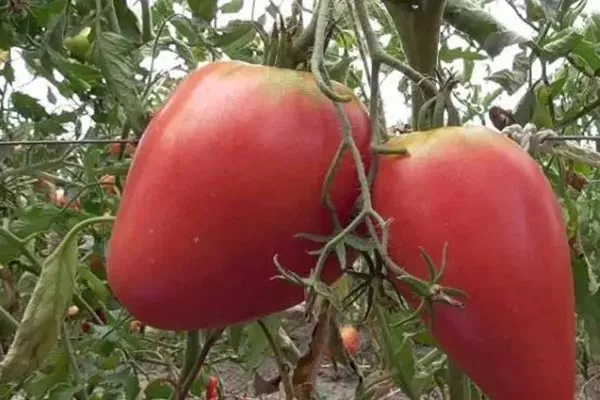
The yield is impressive. If all the agronomic requirements are met, up to 8.4 kg of fruit can be harvested per square meter. Each bush, depending on conditions, can produce 4-5 kg of delicious tomatoes.
Suitable climate and regions
Cardinal is characterized by high resistance to sudden temperature fluctuations and tolerates drought and cold well. This nightshade crop is widespread in southern, temperate, and northern climates.
In warmer regions, tomatoes thrive in open beds, while in cooler climates, they thrive in greenhouses and hotbeds. Today, giant tomatoes are grown not only in Russia, but also in Belarus and Ukraine.
Subspecies of the Cardinal variety
There are two known varieties of this culture. They are discussed in more detail below:
- Cardinal Richelieu. This variety is highly productive and is ideal for fresh consumption, especially in salads. The fruits are pink in color and slightly flattened. Small protrusions resembling a stem appear on the surface. The tomatoes weigh between 500 and 600 grams.
- Cardinal Mazarin. The variety was named after the French Cardinal Giulio Mazarin. The tomatoes have a pointed shape and a rich red hue. They weigh between 400 and 700 g. The crop has excellent agronomic characteristics, making it highly sought after.
Each variety has its own unique characteristics. The main advantage is good productivity.
Cardinal tomato cultivation technology
To obtain an excellent harvest, it's important to properly organize planting and provide the plant with adequate care. To harvest ripe vegetables by mid-July, sow seeds for seedlings in mid-March.
Preparing seeds, containers and soil
Select only high-quality, whole, undamaged seeds. To do this, soak them in salted water (5 g per 1 liter) for 10-15 minutes. Remove any seeds that float to the surface, as they usually don't germinate well.
Next, follow these steps:
- Calibration. Select seeds of the same size so they germinate at the same time. Sift them through a sieve.
- Disinfection. To prevent diseases, disinfect the planting material with potassium permanganate: dissolve 1 g in 100 ml of water and soak the seeds for 15-20 minutes, then rinse them well with clean water.
- Hardening. To increase resistance to temperature fluctuations, place the seeds in the freezer for 12-24 hours, then in a warm place (no higher than 25°C) for a few hours. This will speed up germination and promote stronger plants.
- Soak. Soak the seeds in growth stimulants (such as Epin or Zircon) for 6-12 hours. This accelerates germination and increases vigor.
- ✓ The optimal soil temperature for sowing seeds should not be below +15°C.
- ✓ To prevent fungal diseases, it is necessary to ensure good air circulation around the plants.
Place the seeds in light, nutritious soil. Use a mixture of garden and sod soil with some aged humus. To improve the soil's nutritional value, add wood ash and superphosphate. Suitable soil can be obtained from beds previously used for growing legumes, cabbage, cucumbers, and onions.
Containers with a seeding depth of 2 cm are suitable for growing seedlings. You can also use 200 ml peat pots, which allow you to plant seedlings directly into them without damaging the root system.
Sowing seeds and growing conditions for seedlings
Place a few seeds deep into the container. Then, moisten the soil with warm water and cover the container with plastic wrap. Place the container in a room with a temperature of 26°C.
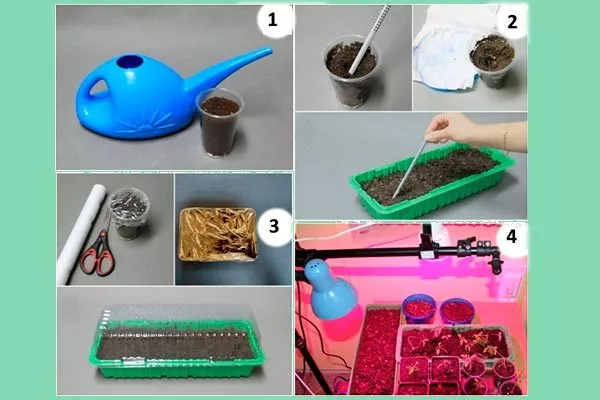
Provide suitable conditions:
- The culture loves warmth and light, so install additional lighting to provide good lighting.
- The temperature for seedling growth should be at least +25°C. Place the seedling containers in areas with diffused sunlight.
- After planting, do not water the seeds with a watering can. Use a spray bottle for irrigation. Excess moisture can cause root rot, so water sparingly.
Picking and hardening
At the stage of formation of 1-2 true leaves, transplant the seedlings into separate containers, which allows the root system to develop well without competition for nutrients.
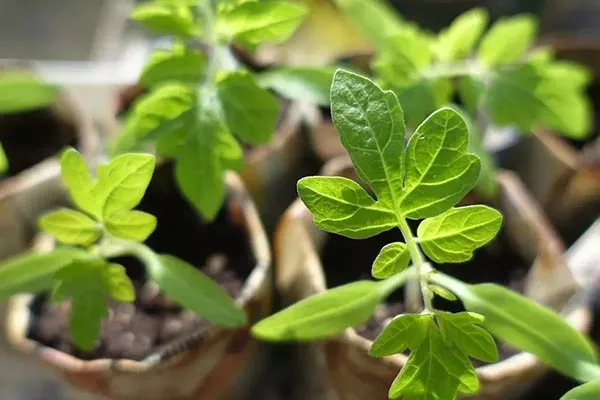
Follow these recommendations:
- For picking, use plastic or peat cups, into which you first add nutrient soil.
- Carefully remove the seedlings with the root ball, being careful not to damage the roots.
- Place the seedlings in the new container up to the level of the cotyledon leaves. If necessary, press the soil around the stem to prevent the plant from falling over.
- After picking, moisten the plantings with warm water.
7-10 days before planting seedlings in open ground, begin hardening them off—this is an important step that will strengthen the plants and help them adapt to temperature fluctuations.
Take the seedlings outside every day, starting with 1-2 hours, gradually increasing the time spent outdoors. Place the containers in the shade to avoid sunburn. Start with a temperature of around 15°C (59°F), gradually increasing it to 20-25°C (78-77°F) during the day.
Choosing a location for replanting: lighting and soil, predecessors
To grow tomato seedlings, choose a location with soft, filtered light. The soil should be prepared using a peat-humus mixture, but a soil mixture with added humus is also acceptable.
Cardinal tomatoes require specific soil nutrients. This variety grows well in areas previously planted with cucumbers, squash, zucchini, pumpkins, cabbage, onions, garlic, and radishes.
Do not plant the crop in areas where peppers, potatoes, eggplants or other plants from the nightshade family were previously grown.
Seedling planting scheme and optimal timing
Plant the seedlings outdoors in early June. The planting pattern depends on the method used to train the bush: when growing a single stem, maintain a distance of about 50 cm between seedlings, and if you are leaving several side shoots, increase the distance to 80 cm.
Cover the area with film, securing it tightly around the edges to create a greenhouse effect and provide comfortable conditions for the plants to root.
Transplanting seedlings into open soil
The soil should be loose, at least a spade deep, and free of weed roots. Regular application of organic fertilizers naturally acidifies the soil, so in the fall, dig over the beds and add slaked lime to maintain a neutral pH.
After preparing the soil, mark out the planting areas and install supports in advance. Trellis are recommended for this variety, as they are convenient for tying up stems and heavy clusters. Tall poles may be less convenient.
Plant seedlings in small holes, burying them slightly deeper than they would in containers. If using peat pots, place the plants directly into the pots. Water them thoroughly with warm water and mulch with dry peat, chopped straw, or sawdust to retain moisture and improve growing conditions.
Subsequent care of the culture
The yield and duration of tomato fruiting depend directly on proper care. If proper agricultural practices are followed, the vegetables can be harvested before the onset of autumn frosts.
Watering and fertilizing tomatoes
The Cardinal tomato doesn't actively grow foliage and rarely produces side shoots. The plant's primary energy is focused on producing large fruits, so abundant watering isn't required. Watering the plants once every 10 days, providing each with about 10 liters of warm water, is sufficient.
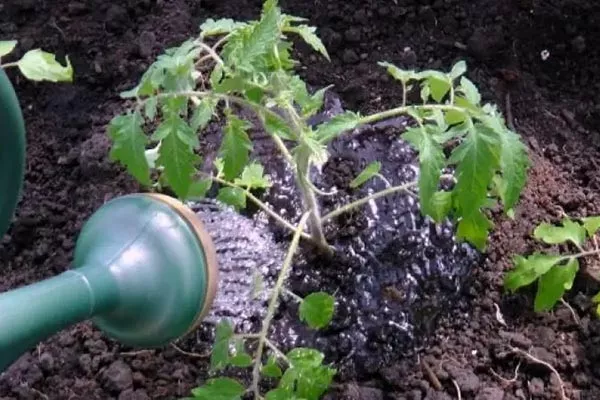
To ensure sufficient nutrition for a bountiful harvest, apply at least three fertilizing applications using both mineral and natural fertilizers.
Follow these recommendations:
- When planting, add a substrate with ash and superphosphate to each hole.
- If you added nitrogen fertilizers or humus during digging, then use phosphorus or complex compounds during the growing season, and then potassium salts after the tomatoes begin to ripen.
- Natural fertilizers, including herbal infusions, humates, and ash, are excellent for Cardinal. If the bushes are stunted, add bird droppings.
- Perform these procedures no more than three times per season, stopping fertilization after fruit set. Continue using only natural compounds or biostimulants thereafter.
- Dilute mineral compositions to half their concentration for watering.
Foliar feeding with a 1% solution of potassium permanganate and boric acid every two weeks is beneficial. This simultaneously serves as a disease preventative, strengthening the plant's immune system and killing fungal spores. Avoid applying the fertilizer on sunny days to avoid sunburn.
Weeding and loosening the soil
Soil cultivation is an important step to ensure healthy plants. The soil under tomatoes should remain loose, which improves temperature and humidity. Till the soil every 14 days after watering to maintain optimal conditions for root growth.
Combine loosening with hilling, especially during the period of active growth. This will prevent the root system from becoming exposed and will help create ideal conditions for warming the soil and stimulating root growth, which in turn will speed up the ripening of tomatoes.
Carry out the first hilling 14-21 days after planting the seedlings, and then every 2 weeks thereafter. Apply moist soil to prevent root damage and maintain adequate soil moisture.
The role of mulch
Mulching is an effective way to care for tomatoes. It helps solve several problems simultaneously:
- eliminates the need for frequent loosening and weeding of the soil;
- protects plant roots from frost;
- serves as a preventative measure against diseases and bacteria.
This process improves the soil structure, reduces moisture loss, improves oxygen availability, and helps enrich the soil with beneficial microorganisms. This ultimately leads to higher yields.
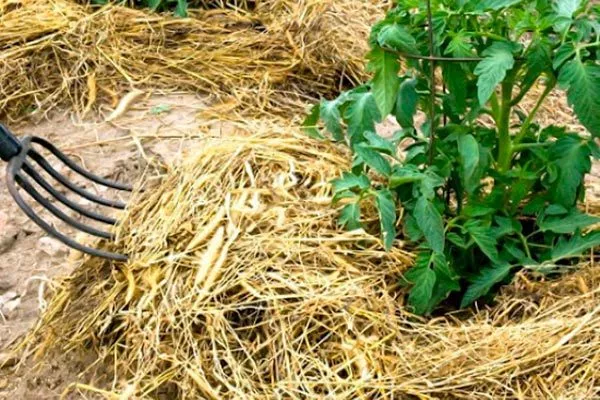
Straw is ideal for mulching crops—it's an excellent organic material—but keep in mind that it can attract insects and rodents. Chemical control will be required. Spread the mulch over the planting area and remove it only when warmer weather arrives.
Tying to a support, pruning and shaping bushes
An important part of plant care that helps prevent damage is securing the stems. This promotes good air circulation and makes harvesting easier. Use a variety of materials to create support: cuttings from seedlings, plant and woody vines, twine, wooden rods, and poles.
One possible design is a three-piece structure consisting of hoops of varying diameters, attached to three support poles. Place the hoops from smallest to largest diameter, starting at the bottom and moving upward.
Pinching out side shoots is a key procedure in tomato care. To do this, trim only the lower leaves and side shoots. Leave two main stems and pinch the growing point to limit vertical growth and encourage more abundant fruiting.
Treatment and prevention of diseases and pests
In some unfavorable years, the Cardinal tomato can be susceptible to various problems. Bushes can suffer from the following diseases and pests:
- Phytophthora. A fungal disease that most often occurs in cool and damp seasons. Characteristic signs include dark spots on leaves and fruit. To combat the disease, use copper-containing fungicides such as Bordeaux mixture or Hom.
- Aphid. These are small, sucking pests that feed on plant sap, damaging stems and leaves. Insecticides such as Aktara, Alatar, or Iskra are effective against these insects. If aphid populations are small, use a solution of brown laundry soap.
- Whitefly. A pest that transmits fungal and viral diseases. To control this parasite, use systemic insecticides that remain in plant tissue for a long time, ensuring long-lasting effectiveness.
- Thrips. These are small pests that suck the sap from the leaves, which can lead to the death of the plant. If you find them on the leaves, treat them with Fitoverm and wrap them in plastic. Do not eat the tomatoes for several days.
To prevent diseases and pests, regularly ventilate the greenhouse, remove weeds, and mulch the soil with peat or humus. Spray the bushes with a pale pink solution of potassium permanganate or Fitosporin.
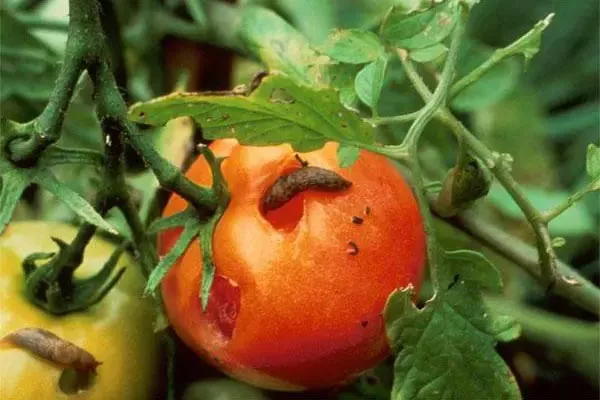
Inspect the undersides of the leaves to spot signs of infestation early. If you find webs or sticky residue, wash them off with a damp cloth, then treat them with a weak solution of potassium permanganate.
Pros and cons
Before planting the Cardinal tomato in your garden, carefully study the characteristics of the crop, as it has both advantages and disadvantages.
Another negative quality is the impossibility of preserving and pickling tomatoes whole due to their large size.
Reviews
The Cardinal tomato is an excellent choice for those looking for an easy-to-grow, high-yielding variety with excellent flavor. This variety adapts well to various conditions, delivering a stable harvest even in unfavorable years. Its resistance to disease and temperature fluctuations makes it a popular choice even among beginner growers.