
Karapuz is the name of a high-yielding tomato variety bred by specialists at the Siberian Garden agrofirm. Its hallmark is its winning combination of early maturity and large fruit. It thrives both in open-air gardens and in plastic greenhouses, delighting gardeners with a bountiful and delicious harvest.
Description of the bush and fruits
Plants of this cultivar are determinate and belong to the standard type. They are vigorous and stocky, yet compact. A description of their appearance includes the following characteristics:
- height - 0.6-0.7 m;
- powerful shoots that are resistant to breakage;
- foliage: green, shortened, typical for tomatoes.

The short, robust Karapuz doesn't require support. Its standard form is unpretentious and easy to care for. Gardeners can easily control its growth. No shaping is required.
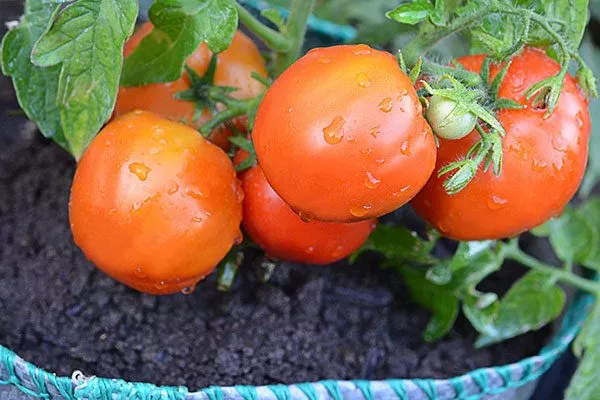
The fruit-bearing plant of the Siberian variety delights the gardener's eye with its numerous, beautiful tomatoes, which it is abundantly covered with. They have the following appearance:
- large sizes;
- weight - 200-400 g;
- rounded-flattened shape;
- ribbed surface;
- rich red-crimson color;
- dense, but not rough skin;
- thick fleshy walls;
- pulp: moderately dense, with a delicate consistency, uniformly raspberry-colored, sugary, juicy and aromatic.
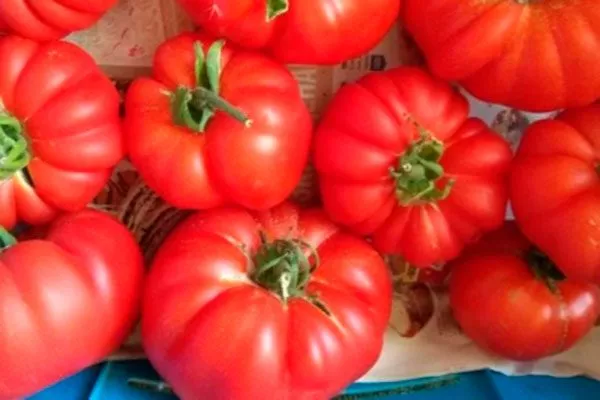
The Siberian tomato has excellent tasting qualities. Its flesh is sweet with a slightly tart flavor, rich in flavor. Use the harvest as usual: eat it fresh, add it to salads, first and second courses, pizza, and casseroles. It is also suitable for processing into juice and paste, as well as for canning.
Main characteristics
This variety is an early-ripening variety. It produces fruit consistently, beginning 80-95 days after germination. Productivity is 10 kg/sq. m. Greenhouse tomatoes are ready for harvest in the second half of July, while those grown outdoors are ready for harvest in early August.
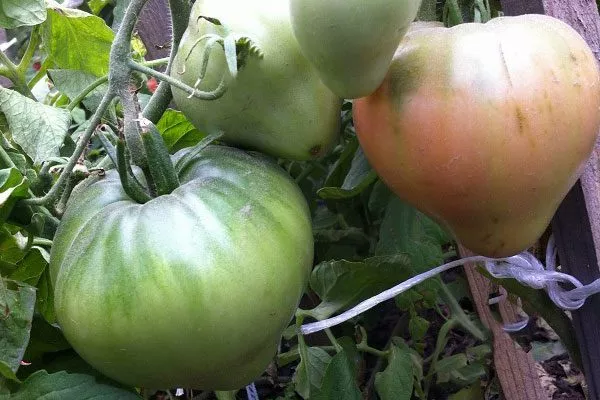
In addition to its high yield, the Siberian variety of vegetable crop also boasts other excellent characteristics that make it attractive to gardeners and farmers:
- resistance to nightshade diseases;
- good tolerance to adverse environmental factors, in particular cold and temperature changes;
- the ability to produce abundant fruit in any weather.
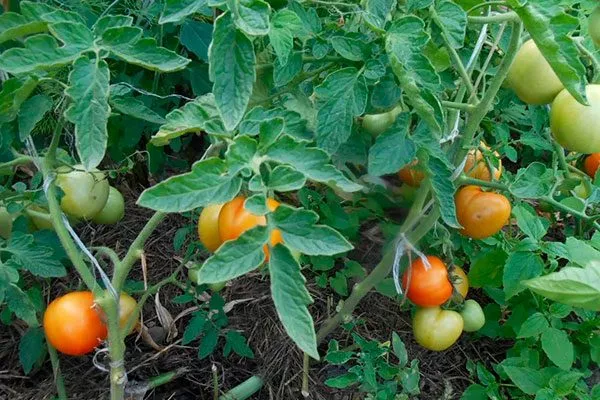
Growing
Karapuz is considered an easy-to-grow variety that thrives in both open and protected ground. Grow it from seedlings. Sow in February-March. Transplant the seedlings to their permanent location in May, after the threat of frost has passed.
Soil preparation
Select a suitable area in your garden for a tomato bed. It should have the following characteristics:
- solar;
- windless;
- having protection from drafts;
- not flooded by groundwater;
- used last year as a place for growing carrots, cabbage, legumes, onions, and cucumbers.
Tomatoes are quite demanding when it comes to soil. They thrive in loose, well-drained soil (sandy loam, light loam), with a pH of 6.2 to 6.8. The soil should be nutritious: rich in humus and minerals such as phosphorus, potassium, calcium, and magnesium.
The optimal soil composition for growing tomatoes is considered to be a mixture of garden soil (30%), sand (20%), peat (20%), and humus (30%). This mixture is also suitable for growing seedlings.
Prepare the area in your garden for your tomato bed in advance. No later than a few weeks before transplanting the seedlings, do the following:
- plowing (cultivate the soil to a depth not exceeding 50 cm);
- removal of weeds and plant debris;
- introduction of organic matter (cow manure) and mineral complexes;
- solarization (cover the treated soil with thick black polyethylene so that it warms up to +18-21°C and does not become overgrown with weeds).
Planting seeds
To grow Karapuz seedlings, use a commercial substrate or a homemade potting mix. To make the latter, combine turf soil with humus (or compost) and peat in equal parts. The mix will need to be disinfected and enriched with ash (150 g per 10 l) and superphosphate (50 g/10 l).
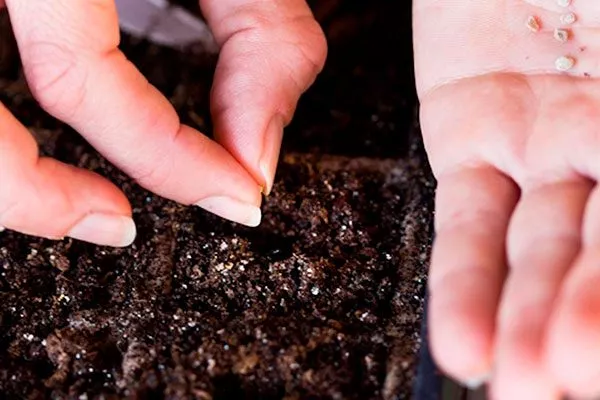
Fill planting containers (boxes, plastic cups, or peat pots) with soil. Place the seeds, pre-treated and germinated for 7-10 days, into the soil to a depth of 1-1.5 cm. Water the seeds and cover them with plastic wrap. Keep them warm (25°C) until the sprouts emerge.
Move the containers with tomato seedlings to a sunny windowsill in a room with a temperature of 20-22°C. Provide proper care for the plants:
- water them regularly with lukewarm, settled water, preventing the soil mixture from drying out or becoming over-watered;
- provide additional lighting with phytolamps;
- dive the seedlings after the first pair of true leaves appear if you are growing them in a common box;
- Feed young tomatoes:
- after picking, water them with Superphosphate (40 g) dissolved in 10 liters of water with the addition of ammonium nitrate (8 g) and potassium sulfate (10 g);
- after 1 week, feed the plants with fermented chicken manure diluted with water 1:10 and enriched with Superphosphate (60 g per 10 l);
- a few days before transplanting into the garden bed, repeat the fertilizing with the first composition, increasing its potassium sulfate content to 60 g);
- Harden off the seedlings before “relocating” them to open ground.
Plant Karapuz seedlings in a garden bed, placing no more than three plants per square meter. Avoid dense plantings to avoid depriving the vegetable garden of adequate ventilation and light, causing nutrient deficiencies, and promoting fungal infections.
Plant care
Carry out standard agricultural practices for Siberian variety plantings to ensure a high-quality and abundant harvest. Follow these maintenance procedures:
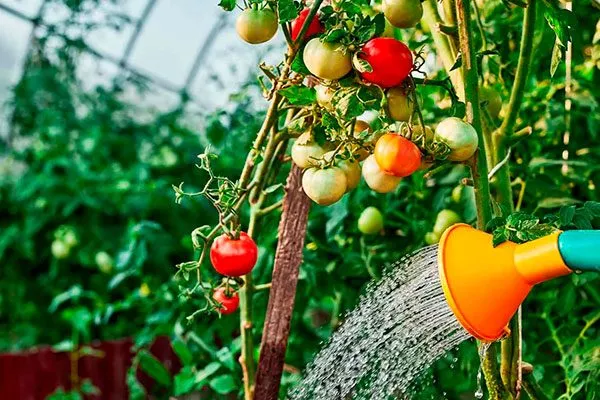
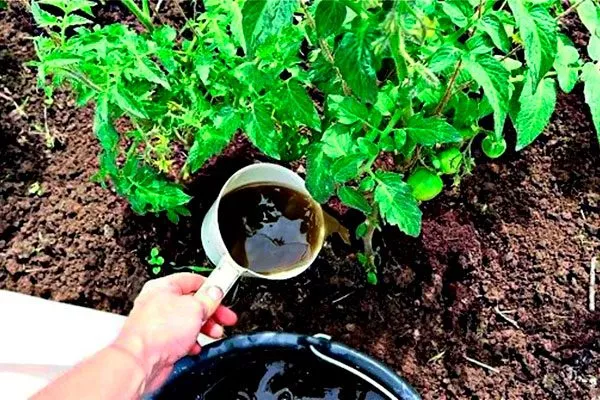
- WateringMoisten the soil under your tomato plants once a week. Use settled water that has been warmed in the sun. Avoid splashing the leaves. Apply 10 liters of water per square meter of planting until the plants begin to bear fruit, then double the rate (to 20 liters/sq. m).

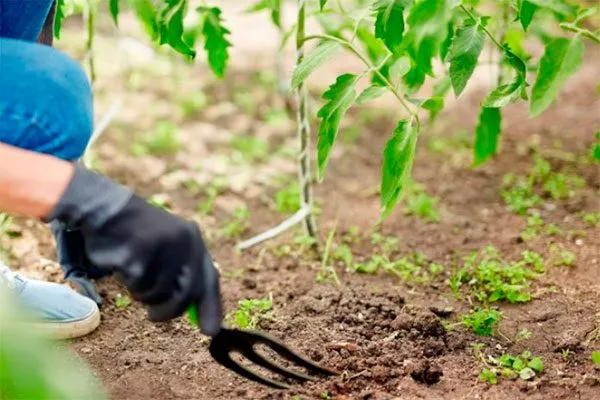
- Loosening the soil and weeding. Carry out these manipulations on the second day after watering or rain, allowing the soil to dry out slightly. This promotes better oxygen supply to the roots and prevents plant diseases.
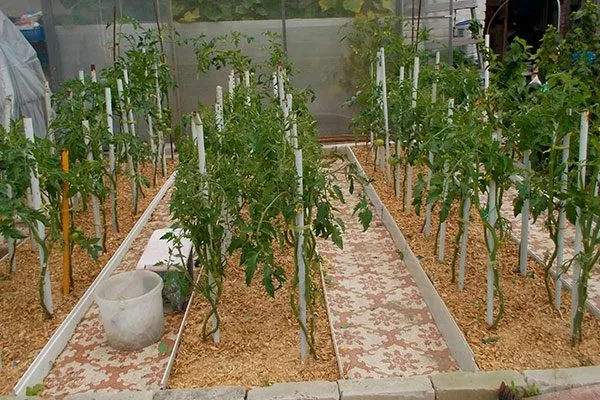
- MulchingCover the soil in the garden bed with a layer of straw, sawdust, or peat after watering and loosening. This technique prevents the soil from drying out and suppresses weed growth.
- Top dressingAt the initial stage of plant development, water the bushes with a solution of ammonium nitrate or mullein. After flowering and during fruiting, apply mineral fertilizers rich in phosphorus and potassium (superphosphate, monopotassium phosphate).
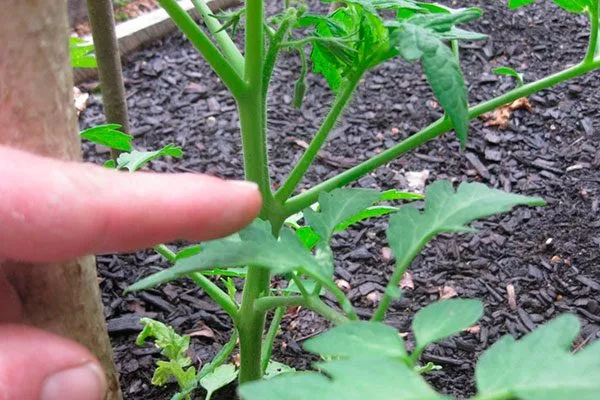
- Pinching out and thinning out leaves that shade the fruits. Remove shoots from plants that appear below the first cluster. To obtain larger tomatoes, remove some of the ovaries.
Despite the Siberian tomato's strong immunity, don't neglect disease prevention. Apply Ordan several times, keeping intervals of 7-10 days between applications. Apply the first time after the seedlings have developed six leaves, and the last time no later than 20 days before harvest.
Large-fruited varieties also require protection from pests. If pest control fails, use insecticides such as Confidor, Fitoverm, or Actellic.
Pros and cons
Karapuz has become popular with domestic gardeners and farmers due to its many positive characteristics, including:
The only drawback of the Siberian variety is its susceptibility to insect infestation, particularly the Colorado potato beetle. This problem occurs in unfavorable years and also when the planting is poorly maintained.
Reviews
Karapuz is a Siberian variety of large, sweet tomatoes, beloved by gardeners for its early maturity, high yield, good weather tolerance, low maintenance, and excellent flavor. These tomatoes are eaten fresh. Homemakers use them in salads, juice, and canned goods for the winter.